


What this means for buyers:
- Choose caffeinated sparkling water when you want a minimalist, nearly neutral drink with carbonation and clearly disclosed caffeine.
- Consider a natural energy drink when you prefer fuller flavour, a broader ingredient list, and a more premium drinking experience.
- Neither category is automatically healthier. Check the individual label for caffeine, sweeteners, sugars, calories, serving size, and other ingredients.
Caffeinated sparkling water and natural energy drinks can both offer a refreshing alternative to coffee, ordinary soft drinks, or conventional energy drinks. However, they are designed around different priorities.
A caffeinated sparkling water usually keeps things simple. Its appeal often comes from light flavour, crisp carbonation, and a short ingredient list. A natural energy drink tends to be more ingredient-led, combining caffeine with flavour components, sweetening ingredients, vitamins, botanicals, or other functional additions.
The right choice depends less on the category name and more on what you want from the occasion. Are you looking for something almost as neutral as plain sparkling water, or do you want a drink that feels more distinctive when opened, poured, and served?
Side-by-side comparison
| Consideration | Caffeinated sparkling water | Natural energy drink |
|---|---|---|
| Overall style | Minimalist, light, and often close to ordinary sparkling water | Ingredient-led, fuller in flavour, and often positioned as a complete beverage experience |
| Caffeine disclosure | Often a central label detail, but the amount varies by product | May come from different sources and in different amounts, so the label still matters |
| Sweetness | Frequently unsweetened or very lightly flavoured, although formulas vary | Can range from dry to noticeably sweet, using sugar, honey, fruit ingredients, or sweeteners |
| Flavour intensity | Usually subtle, clean, and easy to sip | Often more layered, aromatic, or substantial |
| Functional ingredients | Usually limited beyond caffeine and flavouring | May include vitamins, botanicals, honey, fruit, or other ingredients |
| Carbonation | Commonly crisp and sparkling-water-like | Varies from gently sparkling to more strongly carbonated |
| Calories | May be low or zero, but this must be confirmed on the label | Can vary considerably depending on sweetening and flavour ingredients |
| Price expectation | Often reflects a relatively simple formula and everyday positioning | May cost more when it uses premium or specialised ingredients |
| Likely occasions | Desk work, commuting, casual refreshment, or when you want minimal flavour | Long days, serving guests, replacing soda, gifting, mixing, or when flavour matters |
This comparison describes common category patterns, not fixed rules. Some sparkling waters are sweetened and strongly flavoured, while some natural energy drinks are light and restrained. The package label is more useful than the front-of-can category description.
Start with caffeine disclosure, not marketing language
The most useful caffeine question is simple: how much caffeine is in the serving you will actually drink?
Terms such as “clean caffeine,” “natural caffeine,” and “energising” do not tell you the amount on their own. A clear label should help you identify the caffeine content per serving or container. You can then consider that amount alongside coffee, tea, or other caffeinated products you may have during the day.
Neither caffeinated sparkling water nor a natural energy drink automatically contains more caffeine than the other. Formulas differ across both categories. Container sizes also differ, so compare the complete can or bottle rather than relying only on a per-100 ml figure.
Clean caffeine is generally used as a way of describing caffeine presented within a simpler or more ingredient-conscious drink. It is not a separate guarantee about how caffeine will affect you. A clean caffeine explainer can help clarify the terminology, but the practical buying step remains the same: read the amount, serving size, and ingredient list.
If caffeine is not suitable for you, or you are sensitive to it, that consideration should guide the decision regardless of how natural or minimalist the drink appears.
Sweetness and calories need separate checks
Caffeinated sparkling water is often chosen by people who want little or no sweetness. Some products contain only carbonated water, caffeine, and subtle flavouring. Others use fruit flavours, sweeteners, or additional ingredients, so “sparkling water” does not always mean unsweetened.
Natural energy drinks cover a wider range of sweetness. They may use sugar, honey, juice components, artificial sweeteners, plant-derived sweeteners, or combinations of these. A drink made with recognisable ingredients may still contain sugars and calories, just as a minimalist-looking drink may contain a sweetener you were not expecting.
This is why sweetness, sugar, sweetener type, and calories should be evaluated separately. If avoiding artificial sweeteners matters to you, inspect the full ingredient list rather than relying on words such as “natural” or “light.” If calories are the deciding factor, use the nutrition panel rather than estimating from taste or branding.
Flavour is one of the clearest dividing lines
Caffeinated sparkling water usually suits people who want caffeine without turning the drink into a major flavour event. The experience is often crisp, dry, and close to flavoured sparkling water. That can make it easy to pair with lunch, keep beside a laptop, or sip when coffee feels too rich.
Natural energy drinks are more likely to put flavour at the centre. Citrus, berries, herbs, flowers, tea, honey, or botanical notes can create a drink with more aroma and depth. This can make the beverage feel more appropriate for serving in a glass, pairing with food, or using in a simple mixer or mocktail.
A comparison with flavoured sparkling water is useful here. If you already enjoy barely-there fruit flavour and a clean finish, caffeinated sparkling water may feel familiar. If you want sweetness, texture, aroma, and a more rounded finish, an ingredient-led natural energy drink may be closer to what you have in mind.
Functional ingredients can add interest, but not automatic superiority
A longer ingredient list is not inherently better or worse. It simply gives you more to evaluate.
Caffeinated sparkling water often appeals because it leaves out most extras. For a buyer who wants carbonation and caffeine with minimal flavour or sweetness, that simplicity is a genuine benefit.
A natural energy drink may include B vitamins, vitamin C, botanicals, fruit components, honey, or other functional ingredients. These additions can influence flavour, mouthfeel, positioning, and price. They should not be treated as proof that the drink is universally healthier or that it will guarantee a particular result.
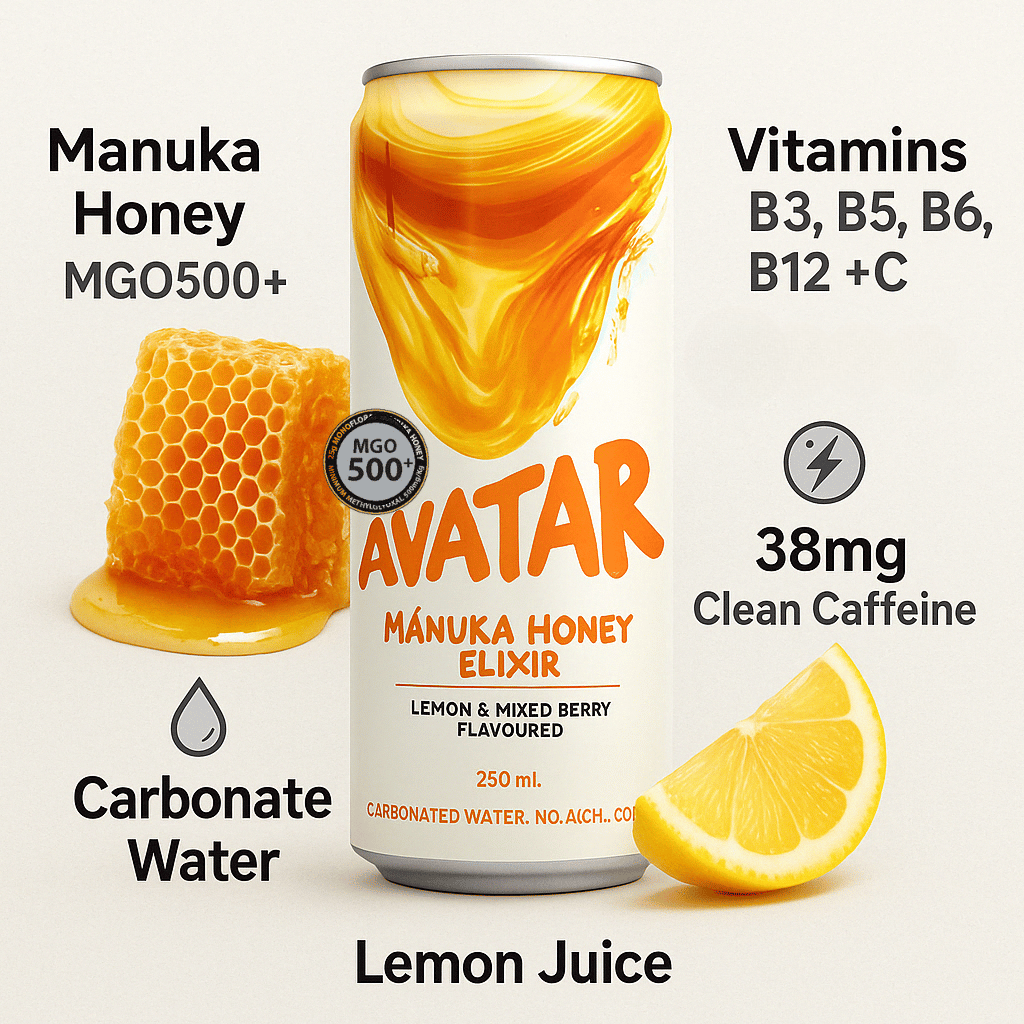
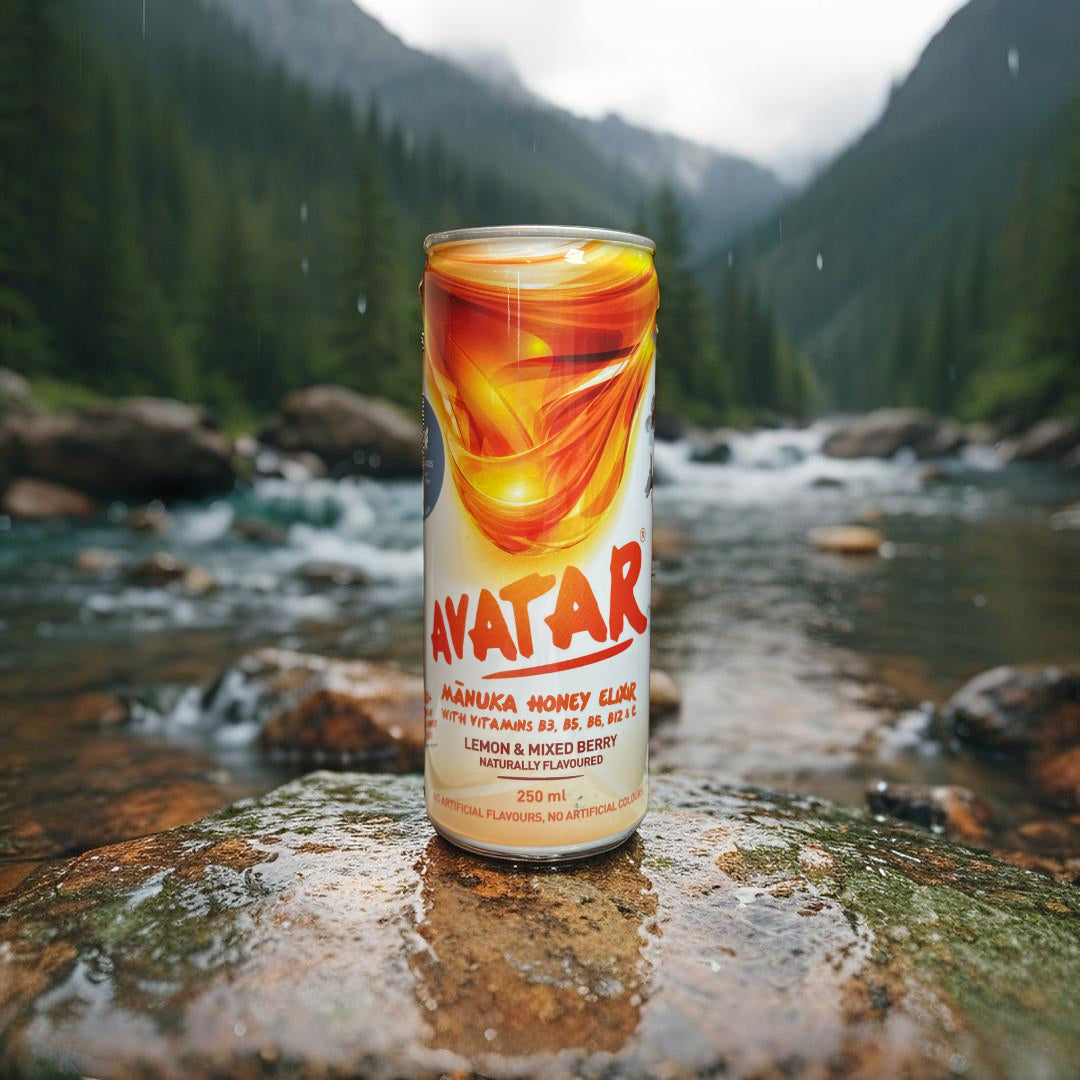
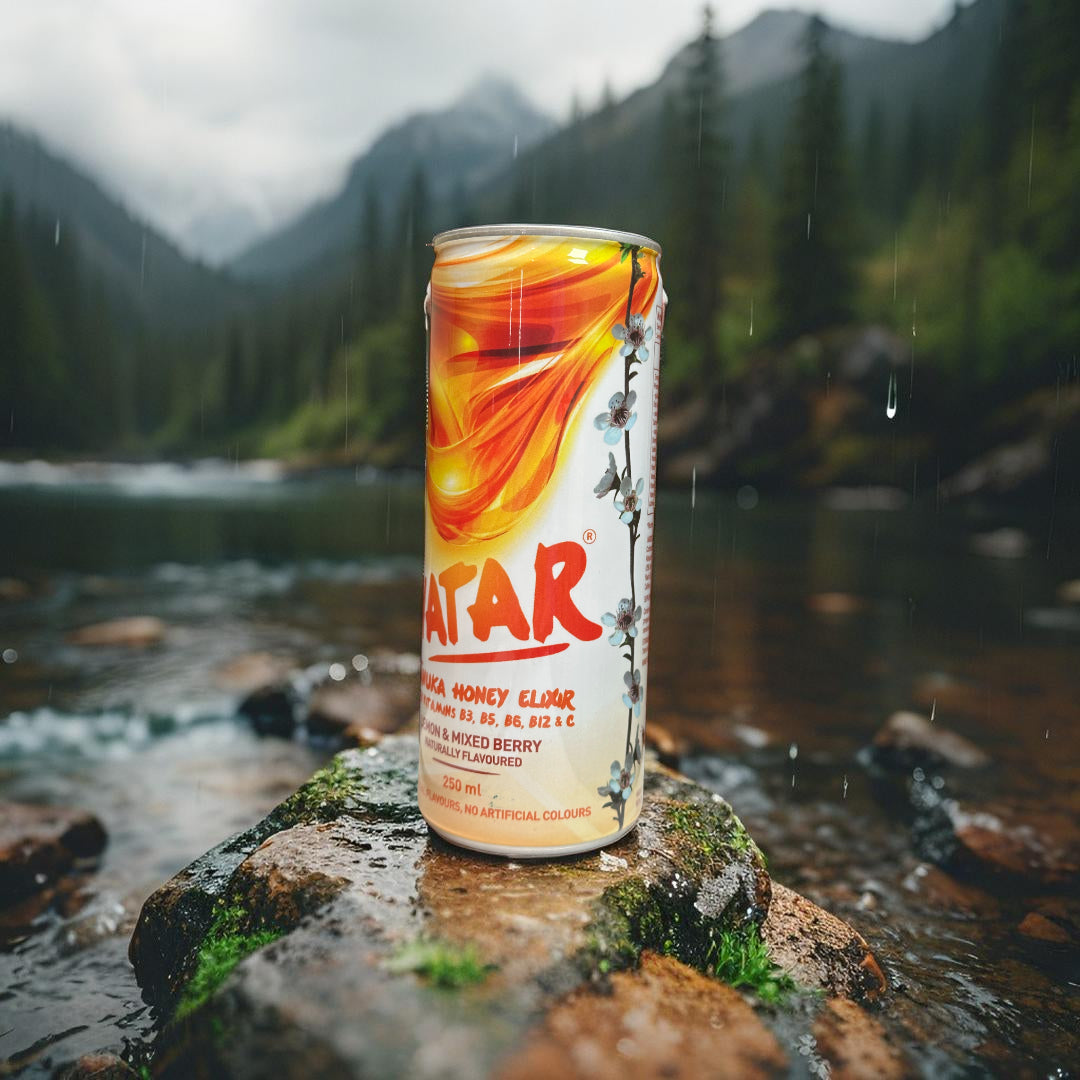
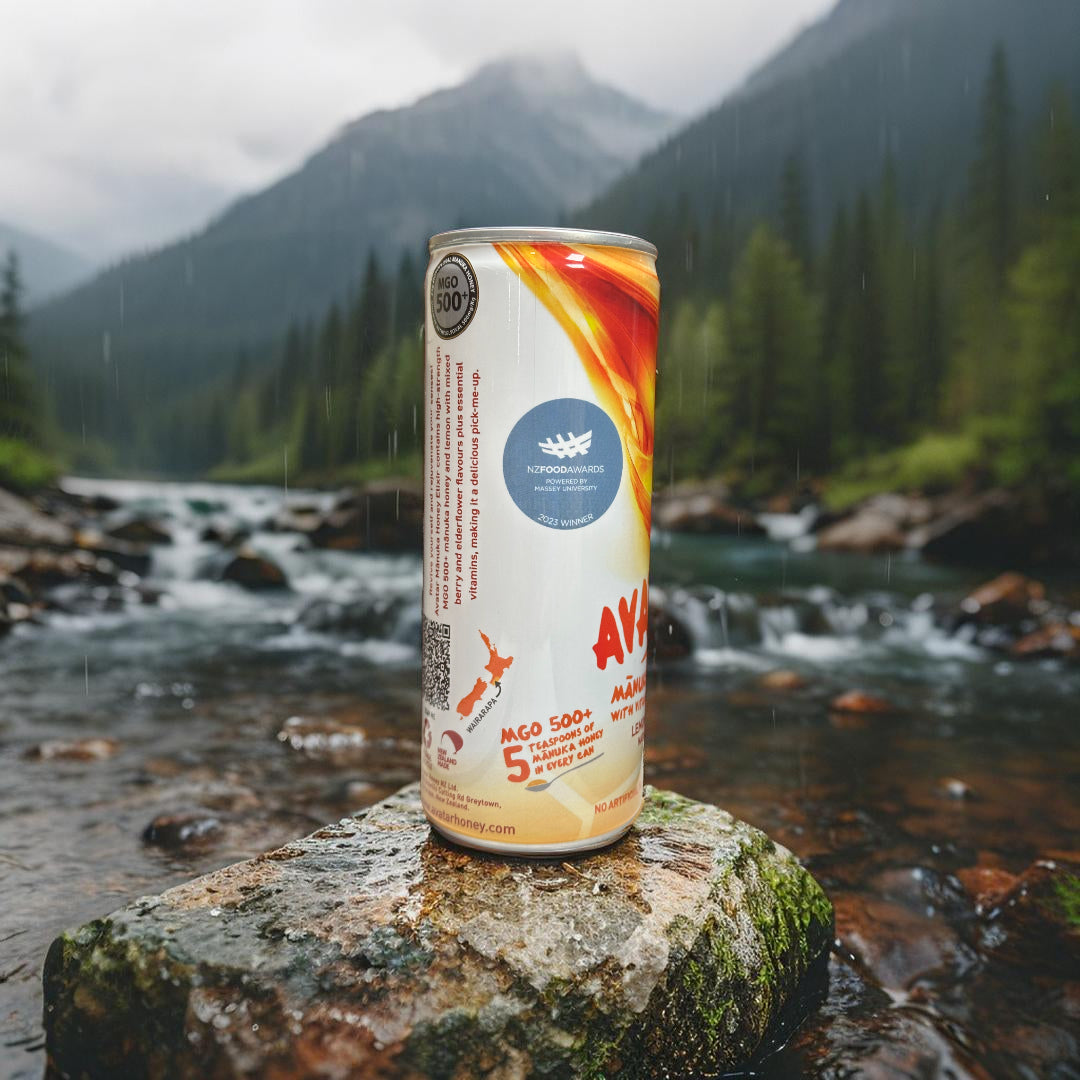
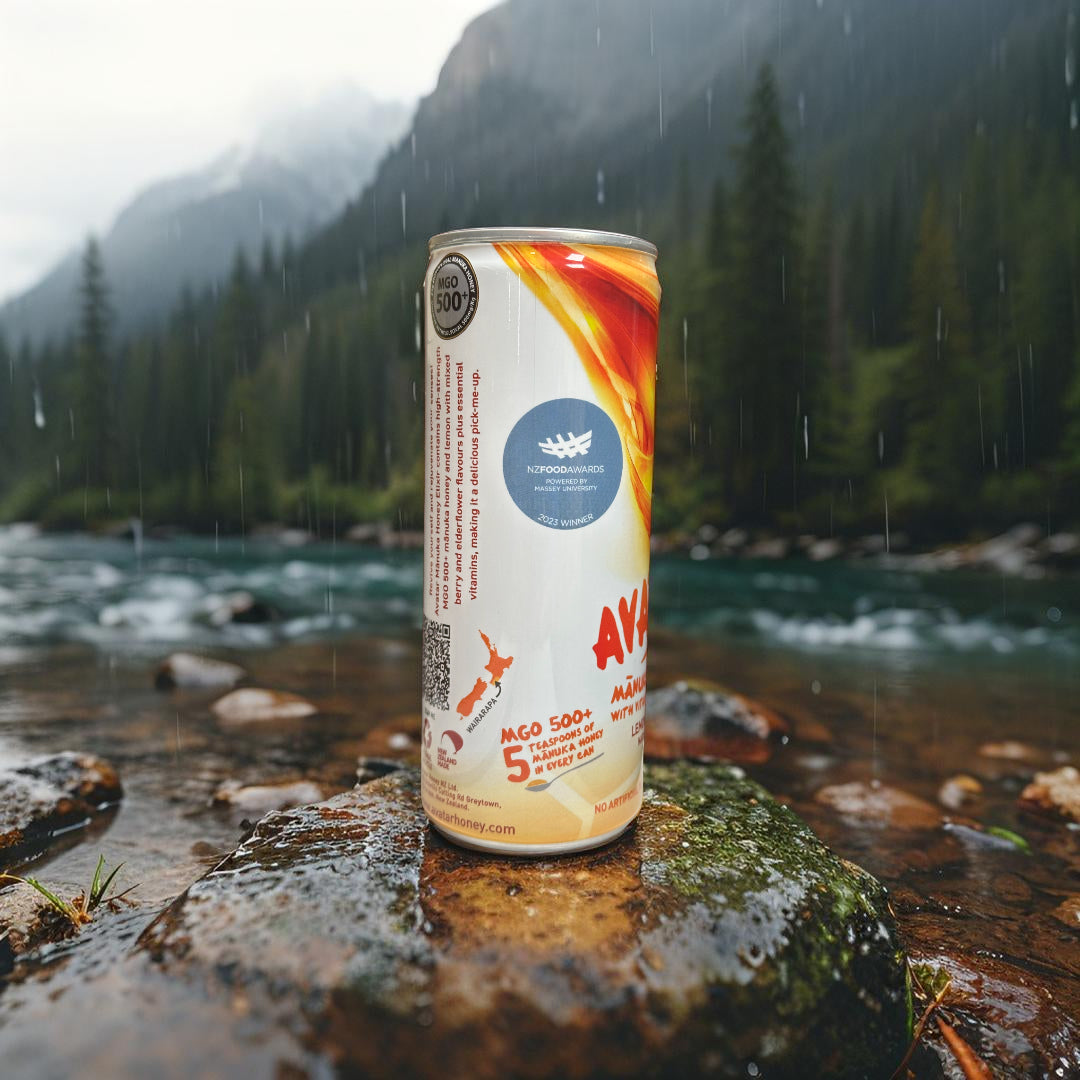
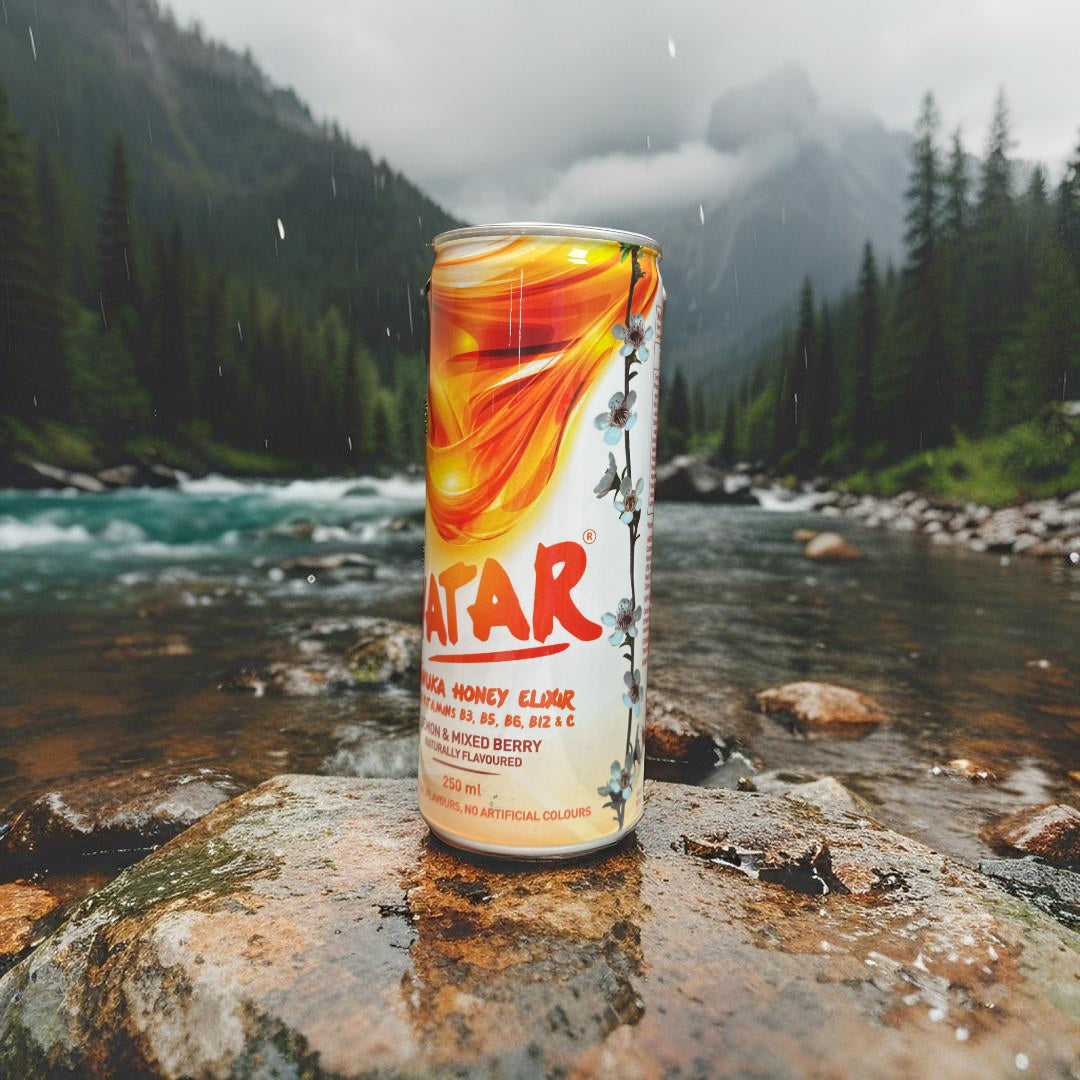
Avatar Elixir is a concrete example of this more ingredient-led approach. Made in New Zealand, it combines certified MGO500+ Manuka honey with lemon, elderflower, B vitamins, vitamin C, clean caffeine, and lightly carbonated water. Its appeal lies in that complete combination: honeyed depth, fresh citrus, floral elderflower, gentle sparkle, and a premium New Zealand provenance.
That makes Avatar Elixir meaningfully different from a nearly neutral caffeinated water. It does not mean it is the right choice for every drinker or every moment. Anyone comparing caffeine, sugar, calories, or serving size should check the current product label rather than inferring those details from the ingredients or category.
Carbonation changes how substantial the drink feels
Carbonation is not just a yes-or-no feature. The strength of the bubbles affects aroma, sweetness, texture, and how quickly a drink feels refreshing.
Caffeinated sparkling waters commonly lean into a crisp, lively sparkle. That supports their clean, water-like character. Natural energy drinks can vary more. Some are sharply fizzy, while others use lighter carbonation to let ingredients such as honey, citrus, florals, or botanicals come through.
Avatar Elixir is lightly carbonated, which fits its layered lemon, elderflower, and Manuka honey profile. Someone seeking the sharp snap of a classic sparkling water may prefer stronger carbonation. Someone who wants a softer pour with more flavour presence may find lighter bubbles better suited to the occasion.
Price reflects the kind of experience you are buying
Caffeinated sparkling water often occupies a practical, everyday role. When the formula is relatively simple, the buying decision may centre on caffeine amount, flavour, pack size, and unit price.
Natural energy drinks can carry a higher price when they contain premium ingredients or are made for a more distinctive drinking experience. Certified MGO500+ Manuka honey, for example, places Avatar Elixir in a different product context from basic carbonated water with caffeine and flavouring.
A fair comparison should therefore look beyond the price per can. Consider what you actually want to receive for that price:
- A simple caffeinated drink you can keep in the fridge for routine use
- A fuller-flavoured alternative to ordinary soda
- A premium drink suitable for serving to guests
- An ingredient-led beverage that can also work as a mixer
- A distinctive New Zealand drink for sharing or gifting
If your priority is functional simplicity, paying for premium flavour ingredients may not make sense. If the drink is replacing a café purchase, a soft drink, or a social serve, the fuller experience may carry more value.
Which option fits common drinking occasions?
For desk work
A caffeinated sparkling water can be a good fit when you want a low-distraction drink with light flavour and straightforward refreshment. Its neutral character may be especially appealing if you sip slowly while working.
A natural energy drink may suit desk work when you want the drink to provide a more enjoyable break from routine. Avatar Elixir offers a fuller combination of honey, citrus, elderflower, light carbonation, and caffeine, making it less like background water and more like a deliberate beverage choice.
For serving guests
Natural energy drinks usually have the advantage when presentation and flavour matter. A layered drink can be served chilled in its original packaging or poured over ice in a glass. It may also provide a more considered alcohol-free option than plain sparkling water or standard soda.
Caffeinated sparkling water can still work for casual gatherings, particularly for guests who prefer unsweetened or lightly flavoured drinks. Because it contains caffeine, it is helpful to make that clear rather than presenting it as ordinary sparkling water.
For replacing an ordinary soda
If you are replacing soda because you want less sweetness and a cleaner taste, caffeinated sparkling water may offer the most direct transition. Check whether caffeine is something you actually want, since plain or flavoured sparkling water may otherwise meet the same need.
If what you enjoy about soda is flavour, aroma, bubbles, and a sense of occasion, a natural energy drink may be more satisfying. Avatar Elixir takes that route with lemon brightness, elderflower character, Manuka honey, and gentle carbonation rather than trying to imitate a neutral water.
How to choose without overcomplicating it
The decision becomes easier when you compare actual labels and drinking occasions instead of broad category claims.
- Check the caffeine amount. Look at the serving size and total container, then account for other caffeinated drinks you consume.
- Decide how much flavour you want. Choose sparkling water for subtlety or an ingredient-led drink for a fuller profile.
- Read the sweetener and nutrition details. Do not assume either category is sugar-free, low-calorie, or free from artificial sweeteners.
- Consider carbonation. Decide whether you prefer a sharp sparkling-water texture or a lighter, softer fizz.
- Evaluate the ingredient list. Simplicity may be the benefit, or premium ingredients may be part of the experience you value.
- Match the price to the occasion. An everyday desk drink and a premium guest serve do not need to meet the same brief.
The practical conclusion
Caffeinated sparkling water is generally the clearer choice for someone seeking a minimalist, nearly neutral drink with bubbles and caffeine. Natural energy drinks are better suited to buyers who want more flavour, a wider ingredient story, and a beverage that can move between work, social occasions, soda replacement, and premium serving.
Avatar Elixir sits firmly in the second camp. Its certified MGO500+ Manuka honey, lemon, elderflower, B vitamins, vitamin C, clean caffeine, and lightly carbonated water create a distinctly ingredient-led New Zealand drink. If that flavour profile sounds appealing, a first-sip guide can help you understand the likely balance of honey, citrus, floral notes, and carbonation before choosing.
Neither category wins every comparison. The better purchase is the one whose caffeine disclosure, sweetness, flavour intensity, ingredients, carbonation, calories, price, and intended occasion align with what you actually want to drink.
These follow-ups clarify label reading, calorie tradeoffs, and serving an ingredient-led caffeinated drink.
Does "clean caffeine" mean a drink contains less caffeine?
No. "Clean caffeine" does not indicate a particular caffeine amount or guarantee a different effect. It generally describes how caffeine is presented within a simpler or more ingredient-conscious drink. Check the current label for the amount per serving and per container.
Can MGO500+ indicate Avatar Elixir's caffeine, sugar, or calories?
No. Certified MGO500+ Manuka honey is an ingredient detail, not a statement about the drink's caffeine, sugar, calories, or serving size. Use Avatar Elixir's current nutrition panel and product label when comparing those details with other beverages.
What if I want fuller flavor but fewer calories?
Compare the labels of specific fuller-flavored drinks rather than choosing by category alone. Citrus, florals, honey, fruit ingredients, sugar, and sweeteners can create very different nutrition profiles. Flavour intensity does not reliably reveal calorie content, so the nutrition panel is the clearest guide.
How can Avatar Elixir be served for guests?
Avatar Elixir can be served chilled in its original packaging or poured over ice for a more considered presentation. Its Manuka honey, lemon, elderflower, and light carbonation can also suit a mixer or mocktail. Because it contains caffeine, make that clear to guests rather than presenting it as ordinary sparkling water.