



Short answer: Cold, carbonated drinks often feel more refreshing because low temperature, dissolved carbon dioxide, gentle acidity, bubbles, aroma, and balanced sweetness create a bright, crisp drinking experience. Cold can soften sweetness and aroma intensity, while carbonation adds a lively tingling sensation and a cleaner-feeling finish. The effect is sensory and subjective, so the ideal temperature and level of fizz vary from person to person.
Refreshment is not produced by one ingredient or physical property. It comes from several signals arriving together: the cool touch of the liquid, the movement and bite of bubbles, the balance between sweetness and acidity, the release of aroma, and the amount of flavour or body left after swallowing.
This helps explain why the same drink can seem bright and brisk when chilled and sparkling, but softer, sweeter, or heavier when warmer or still. The formulation has not necessarily changed. The serving conditions have changed how its qualities are perceived.
Why does a cold drink usually feel more refreshing?
A cold drink usually feels more refreshing because its temperature provides an immediate cooling sensation while making sweetness, aroma, and body feel less prominent. This can create a lighter and cleaner impression from the first sip through the finish.
Temperature affects more than whether a drink feels physically cold. It also changes how readily aromatic compounds reach the nose and how strongly certain flavours stand out. A well-chilled beverage may therefore taste more restrained and precise than the same beverage served at a warmer temperature.
Sweetness can also seem less obvious when a drink is cold. This does not mean the amount of sugar or honey has changed. Instead, the colder serving temperature can alter the balance of the experience, allowing acidity, carbonation, and freshness cues to attract more attention.
However, colder is not automatically better. If a drink is served extremely cold, delicate aromas may become difficult to notice. A lightly floral drink, for example, may reveal more elderflower character after it has rested briefly in the glass than it does immediately after leaving the refrigerator.
What does carbonation add to the sensation of refreshment?
Carbonation adds movement, sound, aroma release, and a mild tingling bite. Dissolved carbon dioxide escapes as bubbles after the container is opened, creating sensations that a still drink cannot provide.
The bubbles themselves contribute to the lively texture, but the experience is not simply bubbles touching the tongue. Dissolved carbon dioxide also interacts with moisture in the mouth, contributing a mild acidic sharpness. This is part of the familiar prickling or biting quality associated with sparkling water and carbonated drinks.
Carbonation can make a drink seem more energetic without requiring an intensely sour or sweet flavour. Light carbonation gives a gentle lift, while stronger carbonation creates a firmer bite. Neither is universally more refreshing. A high level of fizz may suit a simple sparkling water, while a softer sparkle may leave more room for honey, citrus, herbs, or floral ingredients.
The sound and appearance of carbonation matter too. The release of gas when a bottle opens, the rising streams of bubbles, and the light foam around the rim all contribute to the expectation of a fresh drink. Expectation does not replace flavour, but it can shape how the first sip is interpreted.
How do acidity and carbonation work together?
Acidity and carbonation work together by creating brightness and contrast. Carbon dioxide contributes mild acidity, while ingredients such as lemon can add a clearer citrus sharpness that balances sweetness and shortens the finish.
A drink that is sweet without enough acidity may feel rounded but lingering. When acidity is balanced well, it can define the edges of the flavour and keep honey, fruit, or other sweet ingredients from dominating the palate.
Carbonation can make that contrast seem more vivid because its tingling sensation arrives alongside the tart flavour. However, excessive acidity combined with forceful carbonation may feel too sharp for some people. Refreshment usually depends on balance rather than maximum sourness or maximum fizz.
It is also useful to distinguish acidity from flavour. Lemon can provide recognisable citrus aroma and taste, while dissolved carbon dioxide contributes a more neutral sparkling bite. Together they may seem brighter than either element alone, but they are doing different sensory jobs.
How do temperature and bubbles change aroma?
Cold temperature tends to restrain aroma release, while movement and escaping bubbles can help carry aromatic compounds out of a sparkling drink. The result is a changing aroma rather than a fixed one.
Immediately after pouring, a very cold drink may smell subtle because fewer aromatic compounds are readily moving into the air. As bubbles rise and burst, they disturb the surface and can help release aroma around the glass. As the drink gradually becomes less cold, additional notes may become easier to detect.
This is why a sparkling drink can seem crisp on the first sip and more expressive a few minutes later. Citrus may appear first, followed by softer floral or honeyed notes as the drink rests. The exact sequence depends on the formulation, serving temperature, glass, and individual perception.
Carbonation does not automatically make every aroma stronger. Strong fizz can sometimes make delicate aromas harder to separate because the prickling sensation attracts attention. Light carbonation may be better suited to a drink designed around subtle floral and honey flavours.
Why can a chilled sparkling drink seem less sweet or heavy?
A chilled sparkling drink can seem less sweet or heavy because cold reduces the prominence of some flavour and aroma cues, while acidity and carbonation provide contrast. Bubbles also create a lighter-feeling texture that can counterbalance ingredients with natural body.
Sweetness is not perceived in isolation. Its effect depends on acidity, aroma, temperature, carbonation, and how long the flavour remains after swallowing. Honey, for example, can contribute sweetness as well as a rounded texture and distinctive aromatic character. When served cold with citrus and light carbonation, those qualities may feel more contained than they would in a warm, still drink.
Body describes the sense of weight, fullness, or coating in the mouth. A beverage with more body may feel smooth and substantial, but it can also seem less brisk if sweetness lingers. Carbonation interrupts that smoothness with fine points of sensation, helping the drink feel more active and less uniform.
This does not reduce the actual sweetness or change the ingredients. It changes their sensory balance.
What does each variable change in the drinking experience?
Each variable affects a different part of the experience, although the effects overlap. Temperature shapes coolness and flavour intensity, carbonation adds movement and bite, acidity creates contrast, aroma supplies flavour detail, sweetness provides roundness, and body controls how substantial or lingering the drink feels.
| Variable | What it can change | Possible refreshing impression |
|---|---|---|
| Cold temperature | Immediate coolness, aroma intensity, sweetness perception | Crisper, lighter, and more restrained |
| Dissolved carbon dioxide | Tingling, bite, movement, and bubble formation | Lively and brisk |
| Acidity | Sharpness, flavour definition, and sweetness balance | Bright with a shorter-feeling finish |
| Aroma release | How clearly citrus, floral, fruit, or honey notes are noticed | Fresh and expressive when balanced |
| Sweetness | Roundness, richness, and flavour persistence | Pleasant when supported by acidity and fizz |
| Body | Weight, smoothness, and coating sensation | Substantial without feeling overly lingering |
Why can carbonation feel cleansing between bites?
Carbonation can create a perceived cleansing effect because bubbles, acidity, and cool liquid interrupt lingering flavours and coating sensations between bites. It does not literally clean the mouth, but it may make the next bite feel more distinct.
This effect can be especially noticeable with rich, salty, sweet, or oily foods. A cold sparkling drink introduces temperature contrast and a brief burst of tingling, while acidity may reduce the impression of a long, sweet finish.
The result is often described as palate refreshment. It is a sensory reset rather than a medical or digestive effect. A still drink can also work well with food, particularly when it has enough acidity, but carbonation adds another layer of contrast.
How does Avatar Elixir illustrate these sensory effects?
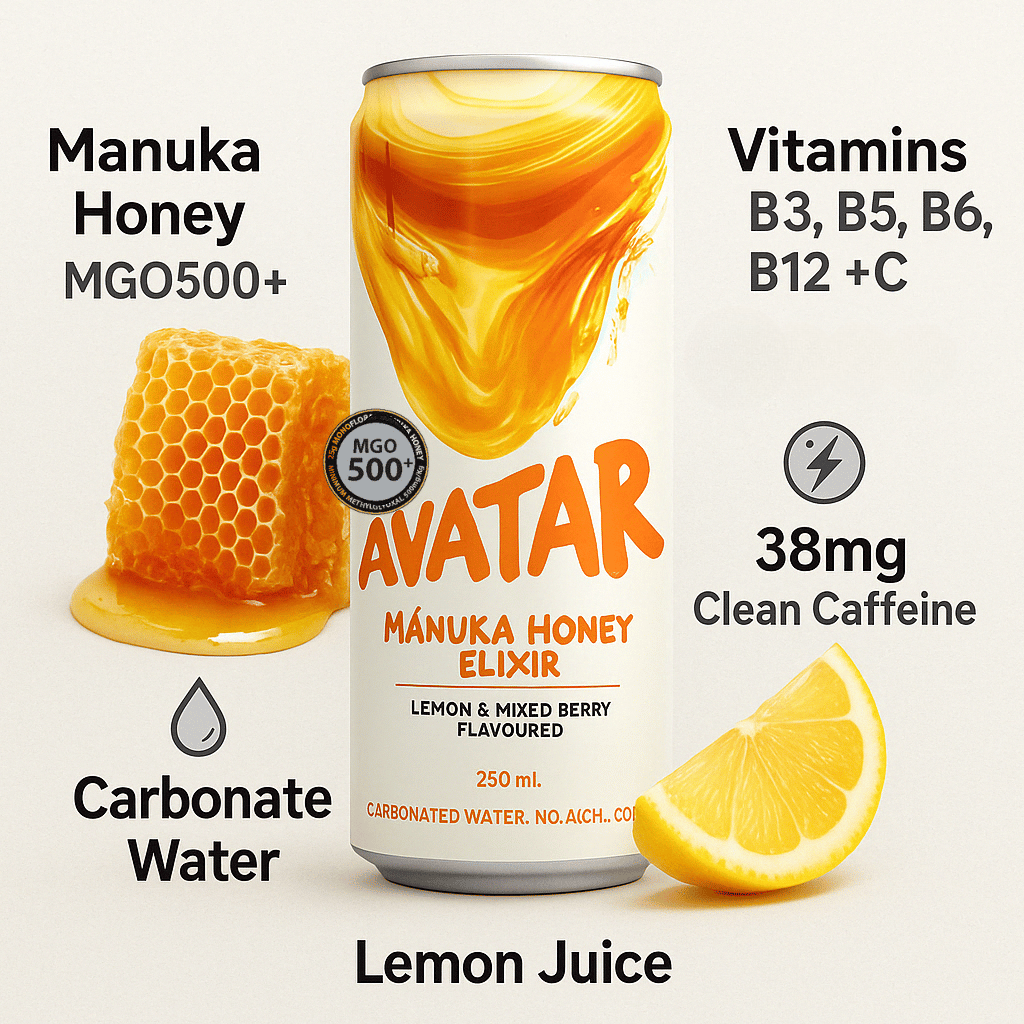
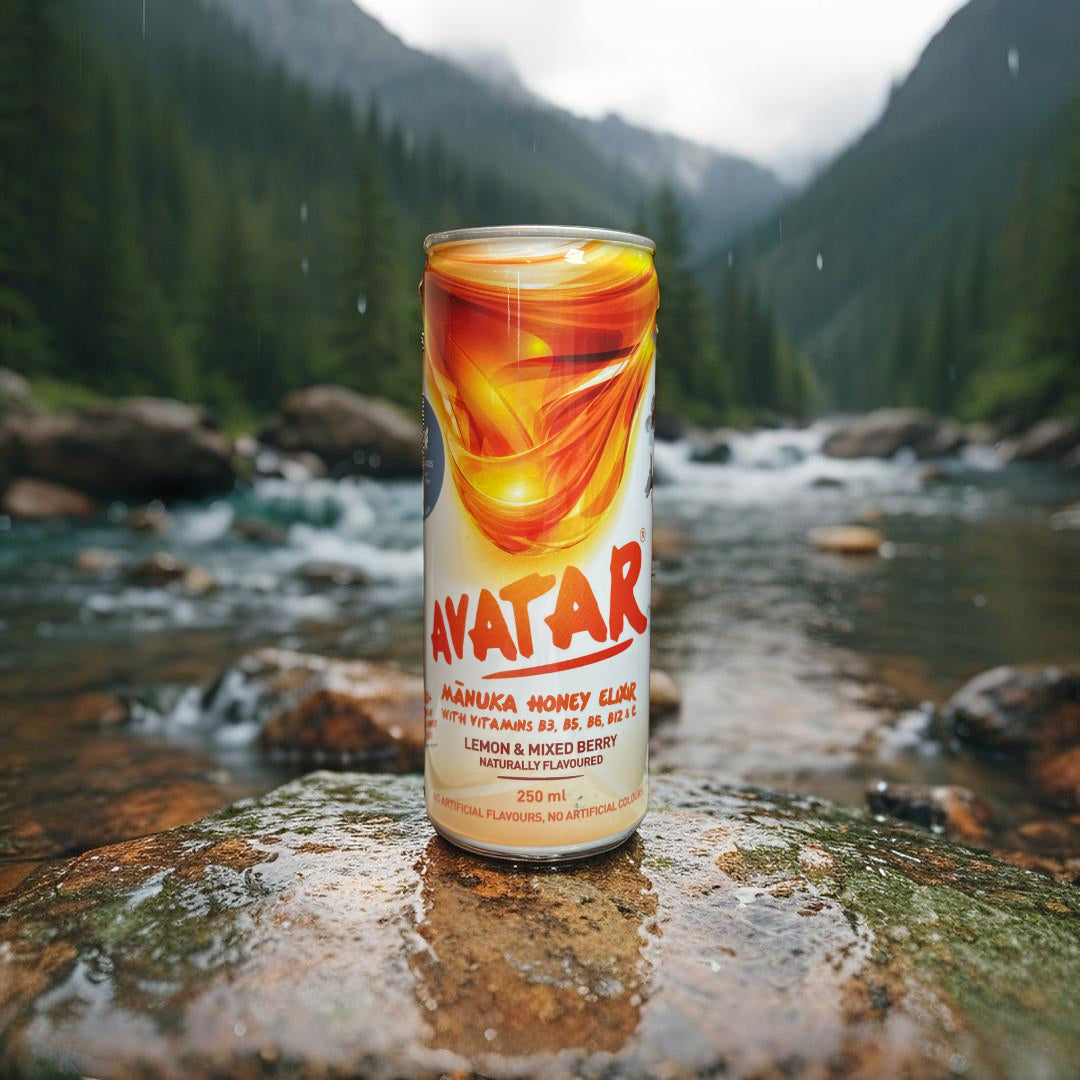
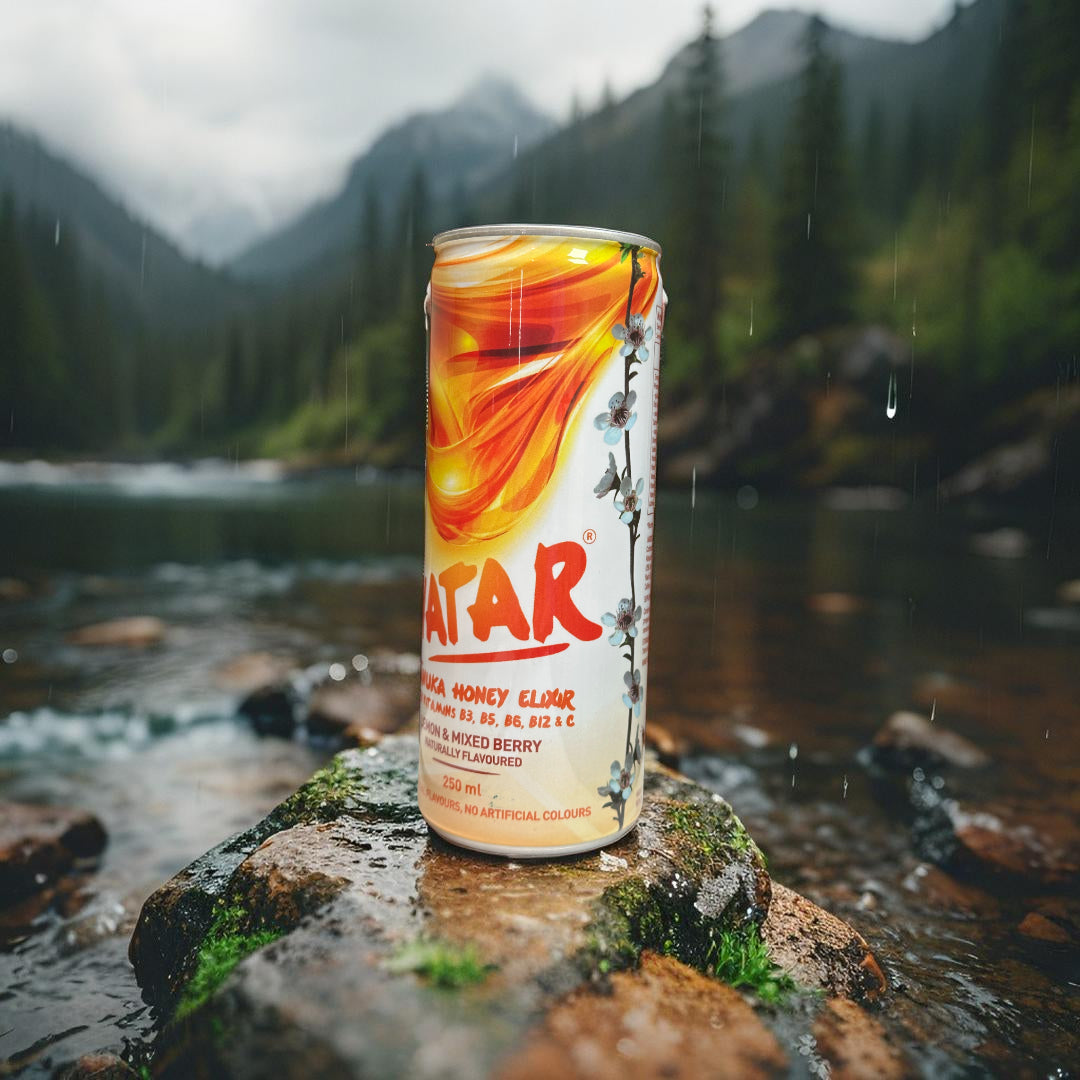
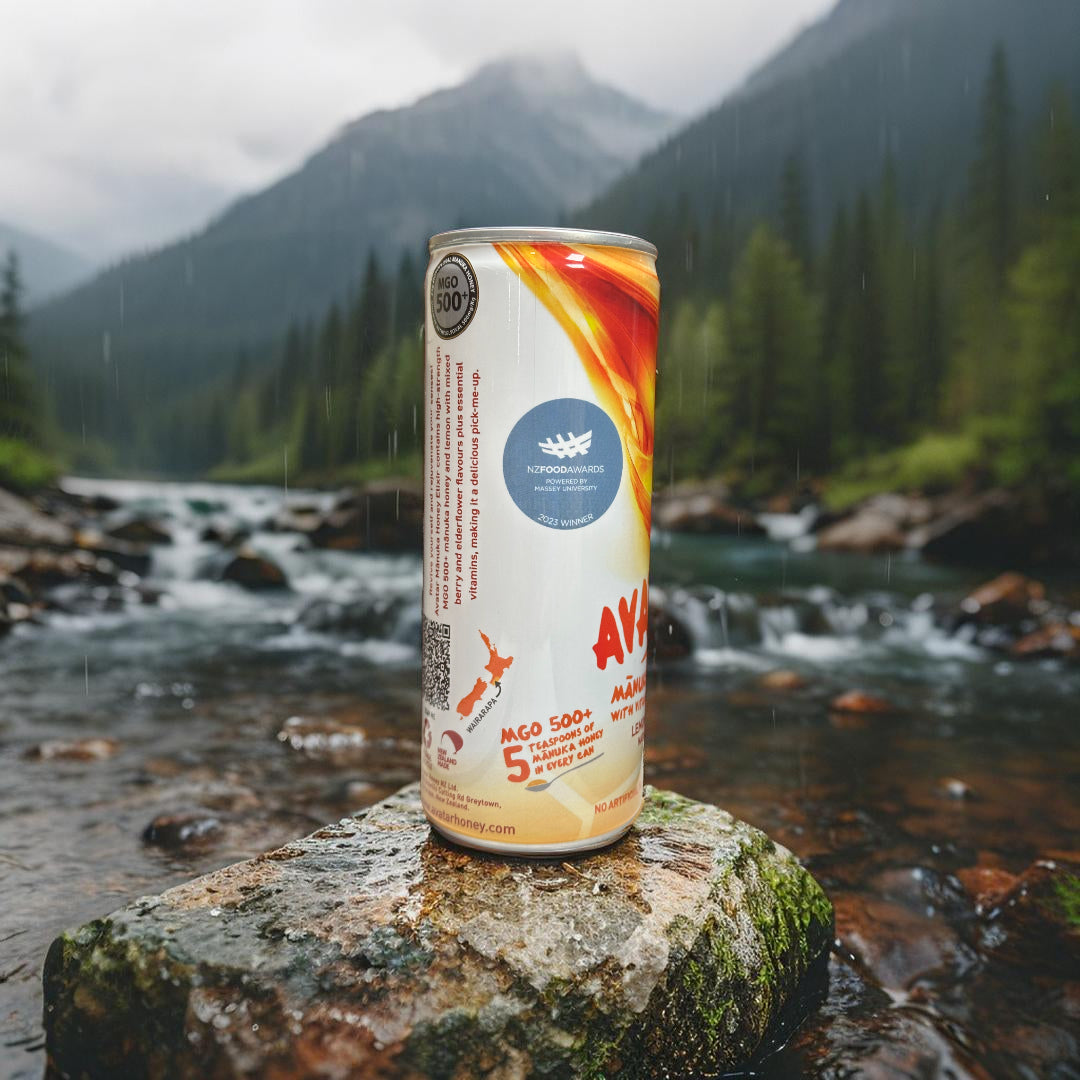
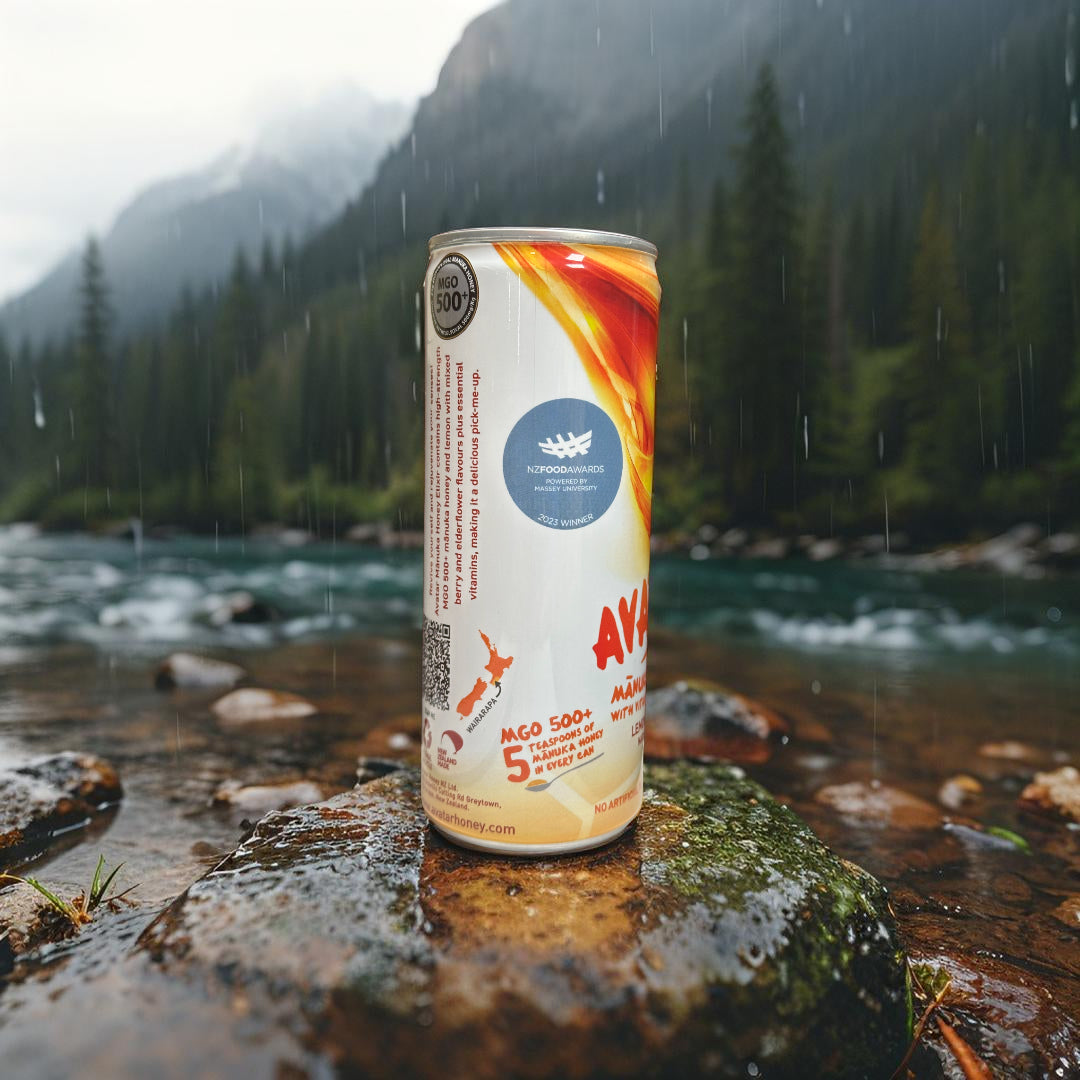
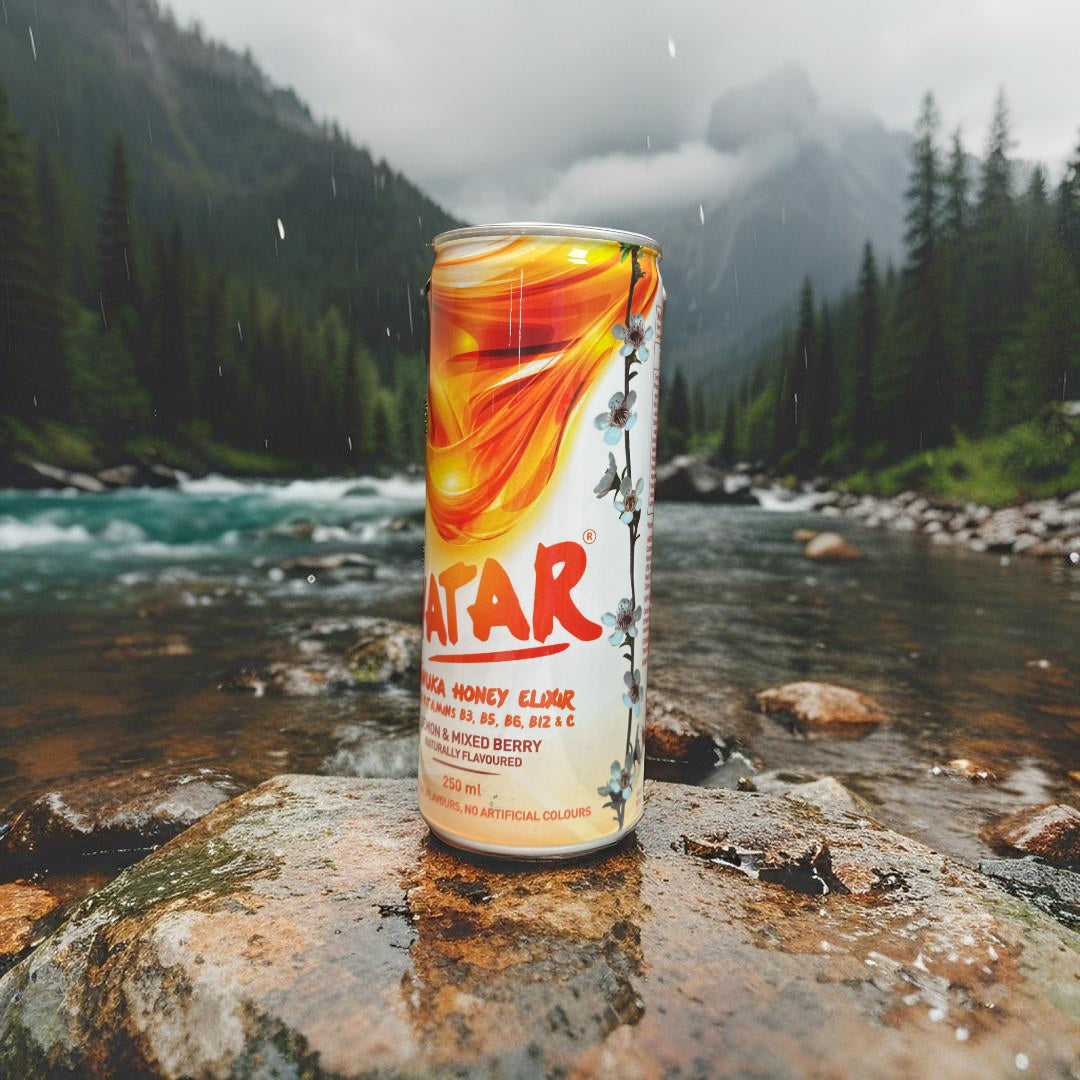
Avatar Elixir offers a practical example because it combines lightly carbonated water with lemon, elderflower, certified MGO500+ Manuka honey, B vitamins, vitamin C, and clean caffeine. In sensory terms, the relevant relationship is between its chilled temperature, light sparkle, citrus brightness, floral aroma, and honeyed body.
When served cold, the lemon can contribute a clear, bright edge while the elderflower supplies a softer aromatic note. Manuka honey adds sweetness, flavour, and body. Light carbonation can provide lift without necessarily overwhelming those ingredients.
This does not mean every person will perceive the drink in the same way. One person may notice lemon first, while another may focus on elderflower or the rounded honey finish. Serving temperature, glass shape, food pairing, and individual taste all influence the result.
The example also shows why carbonation level matters. A drink built around nuanced honey and floral flavours may benefit from a gentler sparkle than a beverage intended primarily to deliver a strong fizzy bite.
How can you compare cold, warmer, sparkling, and still versions at home?
You can compare the effects by tasting the same beverage under slightly different serving conditions. Keep the method simple, avoid shaking carbonated containers, and never heat a sealed bottle or can.
- Prepare two matching servings. Chill both servings thoroughly so they begin at a similar temperature.
- Compare sparkling with less sparkling. Pour one serving and taste it immediately. Pour the second into a separate glass and stir it gently until much of the fizz has dispersed.
- Notice the first sip. Compare the tingling, acidity, sweetness, aroma, body, and length of the finish.
- Let both glasses rest. Taste them again after they have become slightly less cold. Notice whether citrus, floral, or honey notes are easier to identify.
- Try a small bite of food. Take a sip of each version between bites and compare which one gives you a stronger sense of contrast or palate refreshment.
This is an informal sensory comparison, not a controlled experiment. The less sparkling glass may also warm more quickly, and stirring can release aroma as well as carbon dioxide. Even so, the exercise makes it easier to notice how serving conditions change the same drink.
What is the main reason cold, carbonated drinks feel more refreshing?
Cold, carbonated drinks often feel more refreshing because several sensory contrasts happen at once. Cool temperature provides immediate freshness, carbon dioxide creates a lively bite, acidity balances sweetness, bubbles influence aroma release, and the finish can feel lighter between sips or bites.
No single setting is ideal for every beverage or every drinker. Very low temperatures may hide delicate aromas, while strong carbonation can overwhelm subtle flavours. The most refreshing result is usually a balance in which temperature and fizz brighten the drink without erasing its citrus, floral, honeyed, or other defining characteristics.
These follow-up points clarify hydration, serving, and food pairing for chilled sparkling drinks.
Does a more refreshing sensation mean better hydration?
No. A crisp, cold, fizzy sensation describes the sensory experience and does not by itself show that a drink hydrates better than a still or warmer one. Carbonation, acidity, and temperature can change perception, while hydration is a separate question that cannot be judged from taste or bubbles alone.
How should a lightly carbonated drink be served for balanced flavour?
Serve it well chilled, open it without shaking, and pour gently into a clean glass. Taste it promptly for the crispest sparkle, then let it rest briefly if you want delicate citrus, floral, or honey aromas to become easier to notice. There is no single ideal point, so compare the first sip with a later one.
What foods can pair well with a honey and citrus sparkling drink?
Rich, salty, sweet, or oily foods can be useful pairings because coolness, acidity, and bubbles may provide contrast between bites. With Avatar Elixir, lemon brightness, elderflower aroma, Manuka honey body, and light carbonation can be considered together. Pairing remains personal, so choose foods that do not overwhelm the drink's softer floral and honeyed notes.