


Short answer: Manuka honey can taste different from ordinary blended honey because it may have a more distinctive aroma, herbal or earthy impressions, and a longer finish rather than simple sweetness alone. In a cold drink, chilling, dilution, lemon acidity, elderflower aroma, and carbonation can soften, balance, or redirect those characteristics.
“Ordinary honey” is not a formal flavour category. It usually means the familiar, broadly sweet honey found in a squeeze bottle or blended from several floral sources. Manuka honey comes from nectar associated with the Manuka plant, but its exact flavour is not universal.
Harvest conditions, origin, grade, storage, formulation, and personal taste can all affect what someone notices. The same honey can also seem quite different on a spoon, stirred into water, or served as part of a chilled sparkling drink.
Why can Manuka honey taste different from ordinary honey?
Manuka honey can taste different because its sensory profile may include more than straightforward sugar-like sweetness. Depending on the particular honey, people may notice a stronger aroma, herbal or earthy impressions, gentle bitterness, a rounded sweetness, or a flavour that remains after swallowing.
By comparison, an everyday blended honey may seem lighter, cleaner, or more immediately sweet. That does not make one honey better than the other. It simply means their floral sources and flavour profiles may create different tasting experiences.
The distinction is often easiest to understand across four parts of a taste:
- Aroma: Manuka honey may smell more pronounced, warm, herbal, floral, earthy, or slightly resinous. A mild blended honey may have a simpler floral aroma.
- First sweetness: Both are sweet, but Manuka honey may not present as sweetness alone. Other impressions can appear alongside it.
- Mid-palate character: Some Manuka honeys can develop savoury, botanical, mineral-like, or gently bitter nuances. These descriptions vary between honeys and tasters.
- Finish: Manuka honey may leave a longer herbal or honeyed impression, while a lighter blended honey may fade more quickly.
These are possible characteristics, not a fixed tasting script. One Manuka harvest may seem relatively floral and smooth, while another may appear darker, earthier, or more persistent.
What happens to Manuka honey when it is added to a cold drink?
In a cold drink, Manuka honey becomes less concentrated, and some of its aroma and sweetness may seem quieter than they do when tasted directly from a spoon. At the same time, dilution can make subtle flavours easier to separate because the honey is no longer coating the mouth as densely.
A spoonful of honey delivers aroma, sweetness, texture, and finish all at once. Water spreads those elements across a larger volume. This changes both intensity and timing. Instead of one concentrated honey note, you may notice a lighter opening followed by botanical or earthy details in the finish.
Dilution also removes much of the thick texture people associate with honey. In a ready-to-drink beverage, the result should not be expected to taste like liquid honey from a jar. It may taste cleaner, fresher, and more integrated with the other ingredients.
How does chilling change the flavour of honey?
Chilling generally makes aroma and sweetness seem less immediate, so cold honey drinks can taste lighter and less intensely sweet than the same mixture at a warmer temperature. A very cold serving may initially emphasise freshness, acidity, and carbonation before the honey character becomes noticeable.
Temperature matters because aroma is part of flavour. When a drink is extremely cold, fewer aromatic impressions may reach the nose at first. As the drink sits for a few minutes and warms slightly, its floral, herbal, or honeyed character may become easier to detect.
This is why two sips from the same drink can seem different. The first sip straight from the fridge may feel bright and crisp. A later sip may reveal more rounded sweetness or a longer botanical finish.
How do lemon, elderflower, and carbonation reshape the taste?
Lemon, elderflower, and carbonation each change how Manuka honey is perceived. Lemon brings acidity that balances sweetness, elderflower adds a separate floral aroma, and carbonation introduces lift and a light bite that can make the drink feel drier and more refreshing.
What does lemon contribute?
Lemon acidity creates contrast with honey. Rather than removing sweetness, it can stop sweetness from dominating the sip. Citrus can also make a honey drink seem brighter and cleaner, particularly when served cold.
A lemon note should not automatically be interpreted as part of the Manuka honey. It is a separate ingredient interacting with the honey’s sweetness and finish.
What does elderflower contribute?
Elderflower can bring a light floral, fragrant impression. This may overlap with floral notes already present in honey, making the combined aroma difficult to assign to one ingredient.
If a chilled drink smells floral, the aroma may come from the elderflower, the honey, or the way both ingredients work together. Careful tasting means avoiding the assumption that every botanical note comes from Manuka.
What does carbonation contribute?
Carbonation adds texture, freshness, and a gentle prickle. It can sharpen the opening of the sip and reduce the impression of heaviness that concentrated honey sometimes creates.
Bubbles may also bring aroma into attention as the drink is poured and sipped. However, carbonation’s slight bite can compete with delicate flavours, especially when the beverage is very cold.
What does Manuka honey taste like in Avatar Elixir?
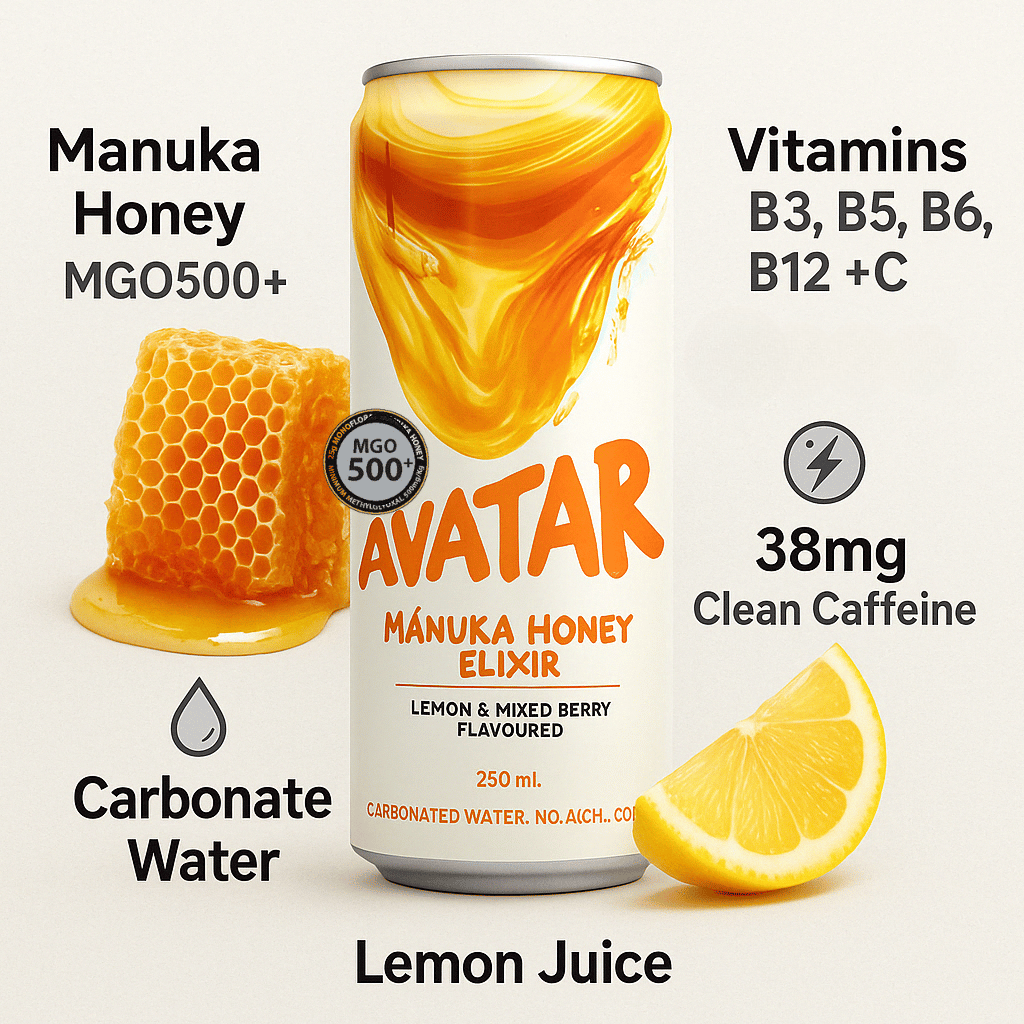
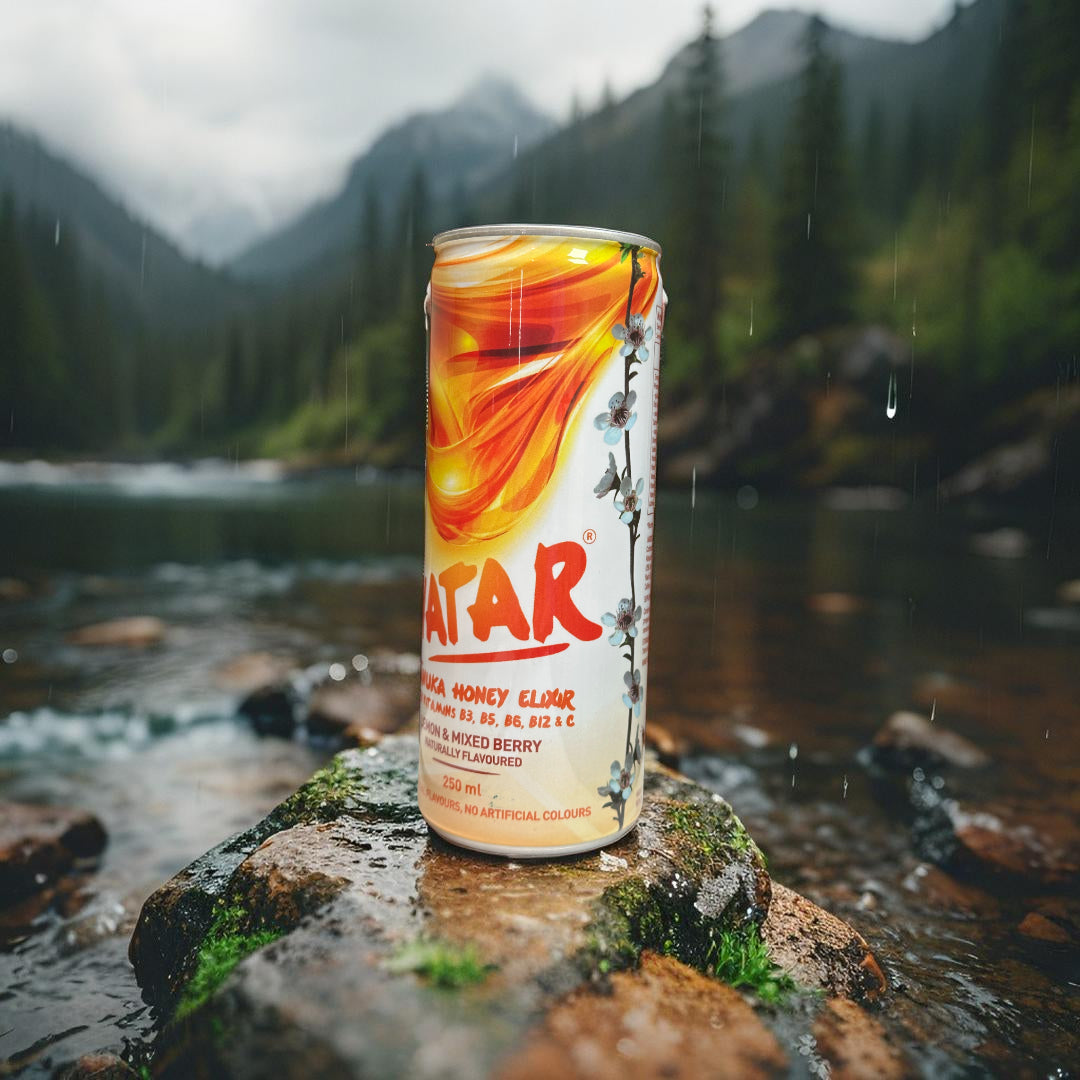
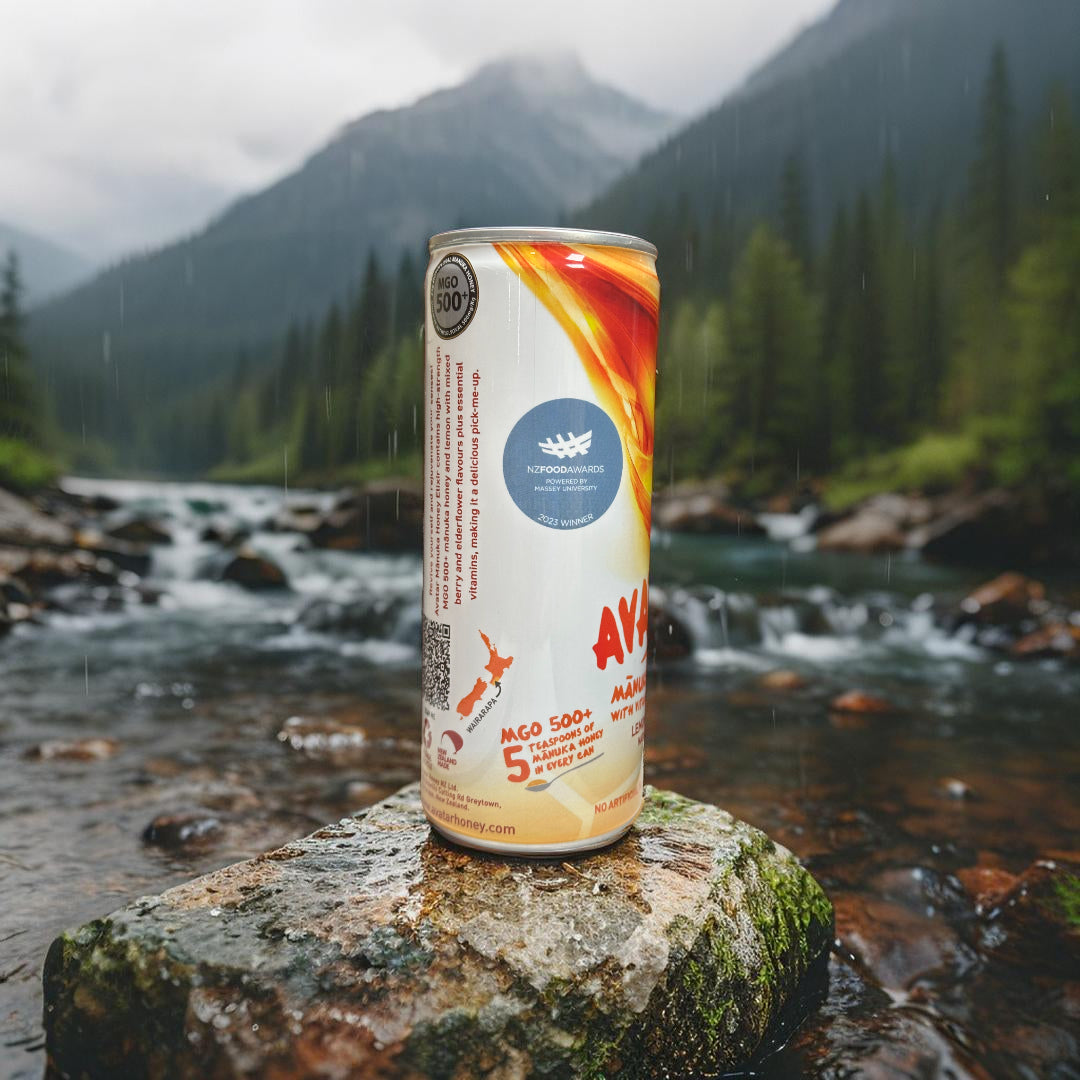
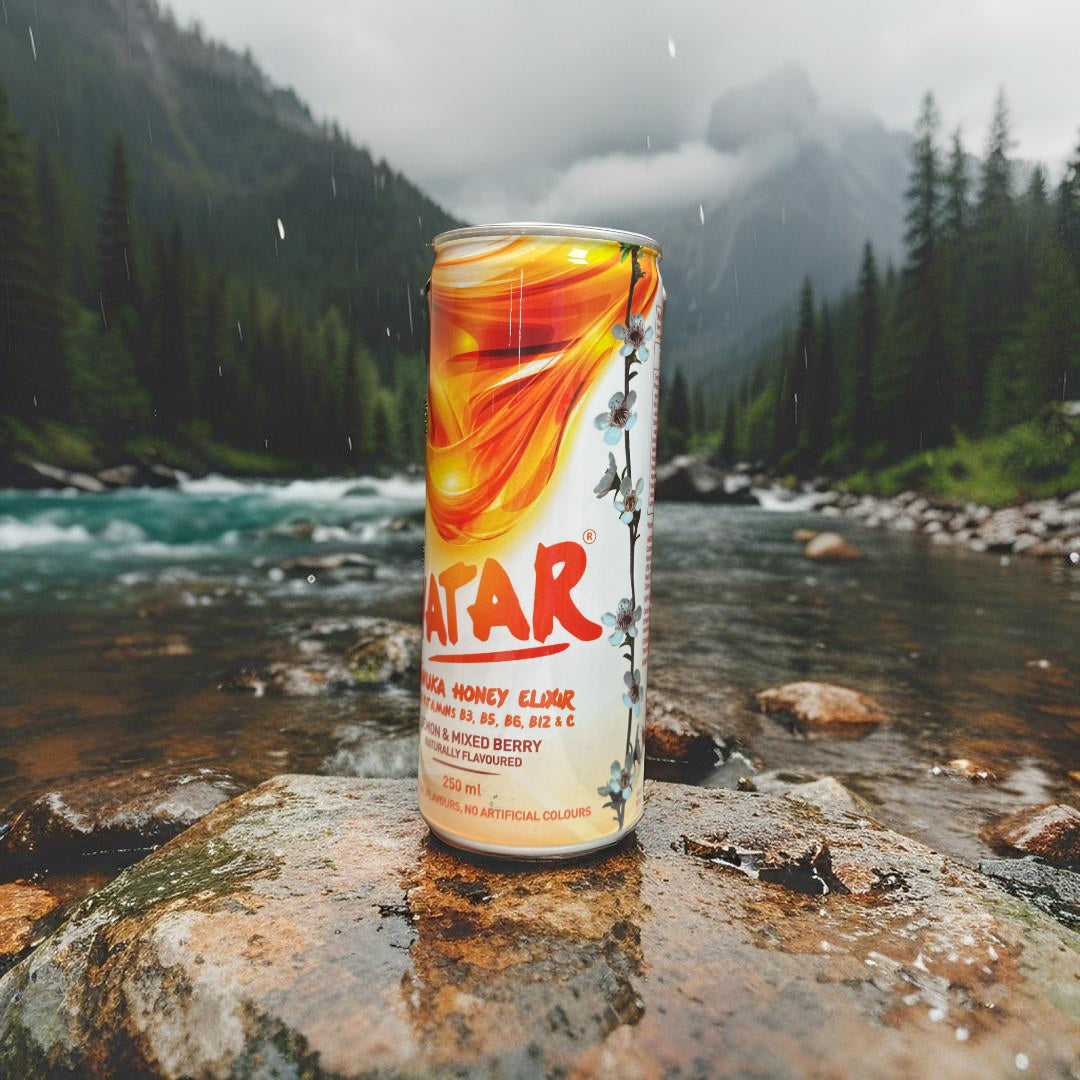
In Avatar Elixir, the Manuka honey is part of a complete beverage rather than a stand-alone flavour. The drink combines certified MGO500+ Manuka honey with lemon, elderflower, and lightly carbonated water, so its taste reflects the full formulation.
A chilled sip may open with citrus freshness and gentle carbonation. Sweetness can follow with a rounded honey character, while elderflower contributes to the aromatic, botanical impression. Depending on your palate and serving temperature, the finish may seem honeyed, floral, herbal, or lightly earthy.
It would be misleading to attribute every note to the Manuka honey alone. Lemon affects brightness and acidity. Elderflower contributes fragrance. Carbonation changes texture and perceived dryness. Cold temperature can mute certain aromas. The Manuka honey provides part of the drink’s sweetness, depth, and persistence within that wider flavour structure.
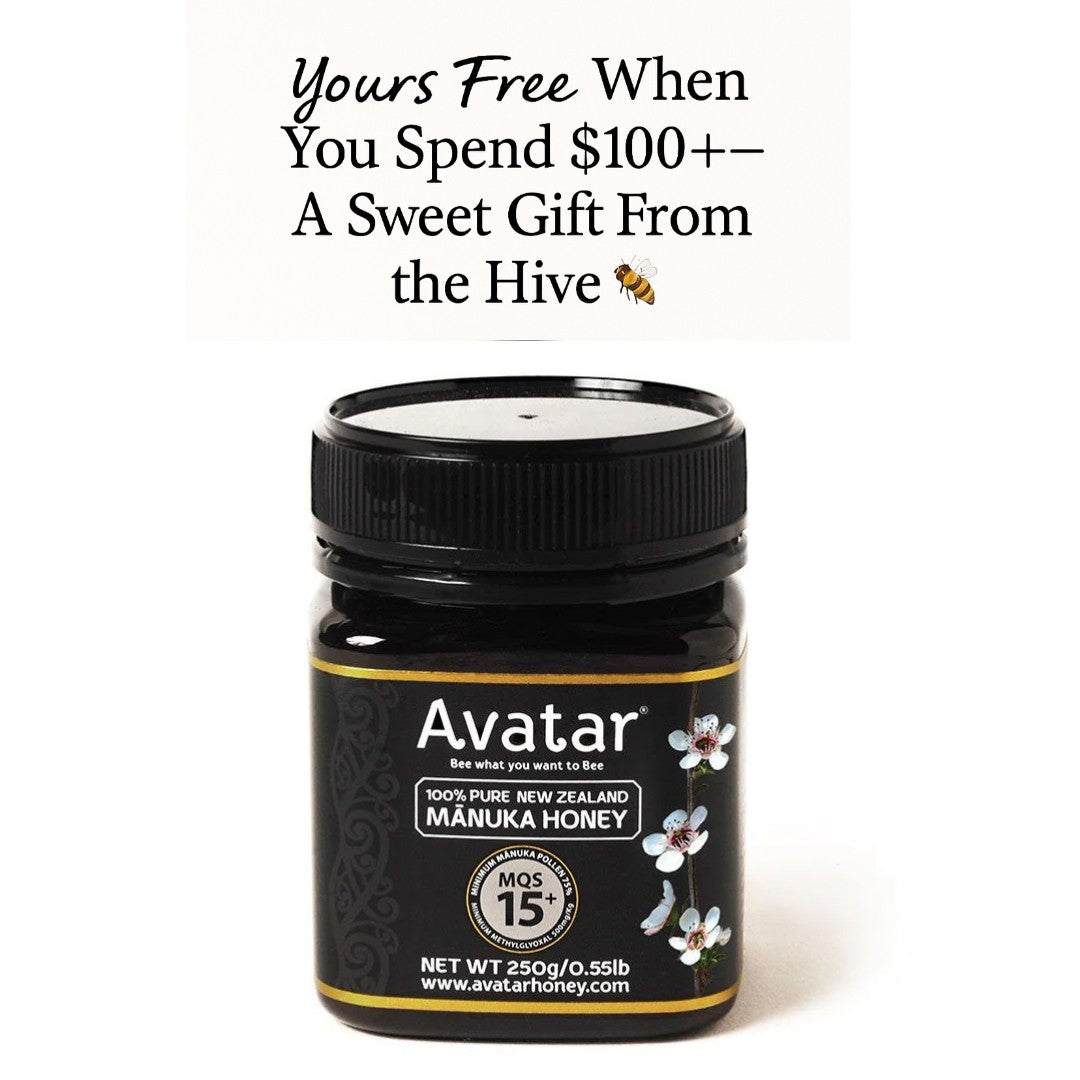
The certified MGO500+ description identifies a measured Manuka honey characteristic. It is not a sweetness rating or a complete guide to flavour. The MGO number alone cannot tell you exactly how sweet, herbal, floral, or earthy a finished cold drink will taste.
How can you compare plain honey, honey water, and a chilled Manuka honey drink?
The clearest comparison is to taste the same honey in three different contexts: directly from a spoon, diluted in plain water, and as part of the chilled finished beverage. This shows how concentration, temperature, acidity, aroma, and carbonation change what you perceive.
- Start with plain honey.
Taste a small amount on its own. Notice the aroma before tasting, the first impression of sweetness, any herbal or earthy character, and how long the flavour remains. Pay attention to texture separately from flavour.
- Make simple honey water.
Stir a little of the same honey into still water. Keep the mixture plain, without lemon or other flavourings. Notice which characteristics become quieter and whether any botanical notes become easier to distinguish once the dense sweetness and texture are reduced.
- Taste the chilled finished drink.
Try Avatar Elixir cold and note the opening, middle, and finish. Identify the citrus acidity, floral aroma, honeyed sweetness, and light carbonation without forcing each sensation into a single ingredient category.
- Return after a few minutes.
Taste the chilled beverage again after it has warmed slightly. You may find that the aroma and honey character are easier to notice, while the initial impression of crispness is less dominant.
For each sample, use the same four questions:
- What do I smell before tasting?
- Does the first sip seem mainly sweet, bright, floral, herbal, or something else?
- Which flavours appear after the initial sweetness?
- How long does the flavour remain after swallowing?
This framework is more useful than searching for one “correct” Manuka flavour. It separates the honey itself from the effects of water, chilling, complementary ingredients, and carbonation.
Will every person taste the same Manuka honey notes?
No, people will not necessarily describe the same Manuka honey or cold drink in identical ways. Sensitivity to sweetness, acidity, bitterness, aroma, and carbonation varies, and familiar flavour vocabulary differs from person to person.
One person may call a note herbal, while another describes it as earthy or tea-like. Someone accustomed to very sweet soft drinks may find a citrus-balanced honey beverage relatively dry. Another person may focus first on elderflower because floral aromas stand out strongly to them.
Serving conditions matter too. A drink tasted ice-cold from the can may present differently from one poured into a glass and allowed to warm for several minutes.
What is the simplest way to understand the difference?
The simplest explanation is that Manuka honey may contribute a more layered aroma and a more persistent herbal, earthy, or botanical finish than the straightforward sweetness associated with many ordinary blended honeys. In a cold drink, those characteristics are filtered through dilution, temperature, acidity, added aromas, and carbonation.
With Avatar Elixir, the resulting sip is not intended to reproduce the experience of eating Manuka honey from a spoon. It is a chilled combination of certified MGO500+ Manuka honey, lemon, elderflower, and light carbonation. Tasting it ingredient by ingredient helps explain why its honey character can feel rounded and lingering without making the whole drink taste thick or simply sugary.
These practical tasting notes can help you compare honey samples and notice how serving choices influence a chilled Manuka honey drink.
Should I taste a chilled honey drink with or without ice?
Taste it without ice first if you want to understand the drink as formulated. Ice introduces additional dilution and keeps the drink colder, which may make its aroma and honey character seem quieter. You can then add ice to compare how the colder, lighter serve changes the balance of sweetness, citrus, elderflower, and carbonation.
Can pouring the drink into a glass make aromas easier to notice?
Yes, pouring a lightly carbonated honey drink into a glass can make its aroma easier to explore. Smell it before sipping, then notice whether citrus, floral, or honeyed impressions become clearer as the drink warms slightly. Those aromas may come from the Manuka honey, elderflower, lemon, or their interaction, rather than from one ingredient alone.
Can I compare Manuka honey and blended honey with the same tasting method?
Yes, taste each honey plain and then dilute each separately in still water. Keep the preparation and temperature similar so you can focus on differences in aroma, sweetness, botanical character, and finish. Taste Avatar Elixir as a separate finished beverage because its lemon, elderflower, and light carbonation create a different context from plain honey water.