



Quick answer: If you feel addicted to energy drinks, the most realistic way to cut back is to taper gradually, replace one can at a time with a lower-caffeine option, and time your remaining energy drink for when it helps most, usually morning or early afternoon. Cold turkey often feels rough, so work with the habit loop instead of fighting it all at once.
If you are drinking two, three, or more cans a day, you probably already know the rhythm. One can to start the engine. Another to survive the afternoon. Maybe one more because the day ran long, the group chat is awake, or the fridge at work is basically whispering your name.
If you searched for “addicted to energy drinks how to cut back”, you are not looking for a lecture. You are looking for a plan that does not make you feel like a tired, irritable houseplant by 2 p.m.
Good news: cutting back does not have to mean quitting everything overnight. For heavy energy drink users, a gradual caffeine taper is usually more realistic than going cold turkey. The goal is to reduce the grip of the caffeine-sugar-dopamine loop while keeping your daily routine, your afternoon energy, and your sanity mostly intact.
First, let’s remove the shame from the can
Feeling hooked on energy drinks does not mean you are weak. It usually means your routine has become very efficient at rewarding itself.
Energy drinks often sit at the crossroads of three powerful patterns:
- Caffeine stimulation: Caffeine can make you feel more alert, especially when you are tired or mentally drained.
- Sugar and flavour reward: Sweetness, bold flavour, and carbonation can create a strong “I want that again” signal.
- Ritual and environment: Work breaks, gaming sessions, gym routines, night shifts, study blocks, and social habits can all attach themselves to the drink.
That combination can feel like a dopamine loop. You feel flat, you grab the can, you get the lift, your brain remembers the shortcut. Repeat that often enough and the drink becomes less of a choice and more of a daily checkpoint.
Quick note: This article is about practical moderation, not medical treatment. If you feel unable to function without energy drinks, experience intense withdrawal symptoms, have heart concerns, anxiety symptoms, or take regular medication, speak with your GP or another qualified health professional before making major changes.
Why cold turkey often backfires
Cold turkey can work for some people, but for heavy energy drink users it often creates a rebound problem. When your body and routine are used to multiple caffeine hits each day, stopping suddenly can make the first few days feel unnecessarily difficult.
Common experiences when cutting caffeine suddenly can include feeling foggy, tired, low in mood, headachy, or unusually irritable. That does not mean you are doing anything wrong. It means your system is adjusting.
The problem is that discomfort can send you straight back to the strongest version of the habit. You feel awful, you crack open a can, and your brain logs the lesson: “Energy drink fixed it.” Not exactly the software update we wanted.
A tapering plan works better for many people because it lowers the daily caffeine load step by step while keeping enough of the ritual to make the change feel manageable.
The realistic plan: cut back one drink at a time
The best plan to cut back on energy drinks is simple: reduce one can at a time, keep the drink you rely on most for now, and replace the others with lower-caffeine alternatives that still feel satisfying.
This is not about being perfect. It is about interrupting the automatic pattern without making your day collapse.
Step 1: Find your baseline
For three normal days, write down what you actually drink. No judgment. No dramatic spreadsheet required.
- How many cans do you drink?
- What time do you drink each one?
- Which one feels most “necessary”?
- Which one is mostly habit, boredom, stress, or social routine?
This gives you your starting point. If you drink two cans daily, your first target is not zero. It is one can plus one smarter replacement. If you drink four, your first target might be three. Small wins count because they change the pattern.
Step 2: Protect the most useful can
When cutting back, keep the energy drink that gives you the most value and remove the one that does the least.
For many people, the most useful can is the first one of the day or the one before a demanding early afternoon work block. The least useful can is often the late afternoon or evening can, because it may be more about habit than actual productive energy.
A simple rule helps:
- Best timing: Morning or early afternoon.
- Riskier timing: Late afternoon or evening, especially if sleep is already not great.
- Most important question: “Will this can help the next few hours, or am I just chasing the last lift?”
You are not banning the drink. You are making it earn its place.
Step 3: Replace the easiest can first
Do not start by removing the can you emotionally depend on most. Start with the one that is easiest to replace.
For example, if you drink:
- One can at 8 a.m.
- One can at 1 p.m.
- One can at 5 p.m.
The 5 p.m. can may be the best first target. Replace it with something lower in caffeine, caffeine-free, or simply more hydrating and satisfying. Keep the ritual: cold can, good flavour, break from your screen, a few minutes to reset. The ritual matters more than people admit.
What to drink instead when water feels too boring
A good replacement drink should satisfy the habit while reducing the caffeine load. If it feels like punishment, it probably will not last.
Helpful options include:
- Lower-caffeine natural energy drinks: Useful when you still want a lift, flavour, and a familiar ritual.
- Sparkling water with citrus or herbs: Good for replacing the cold, fizzy experience.
- Unsweetened iced tea: A gentler option when you want some caffeine without the full energy drink experience.
- Electrolyte-style drinks without heavy sweetness: Helpful if your craving is partly about flavour and refreshment.
- Cold herbal infusions: Better for late afternoon or evening when caffeine is not doing your sleep any favours.
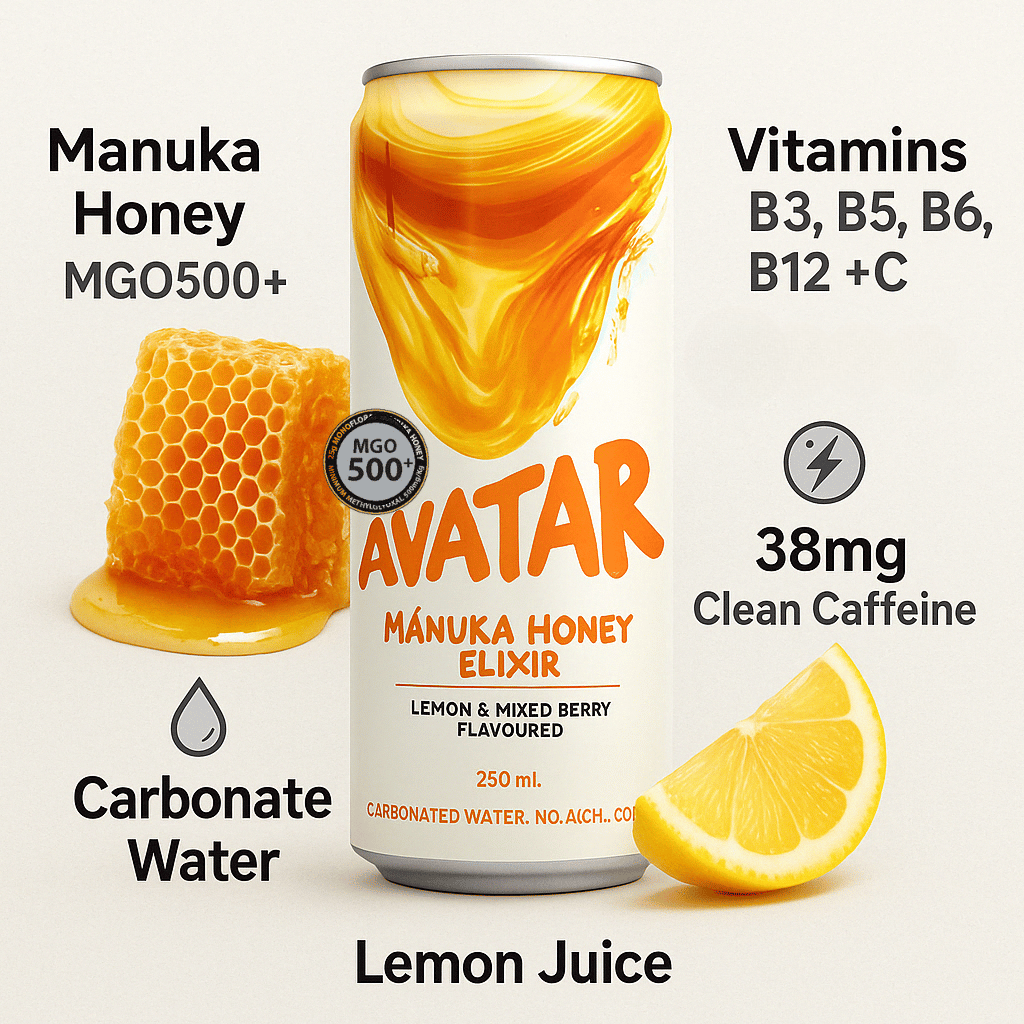
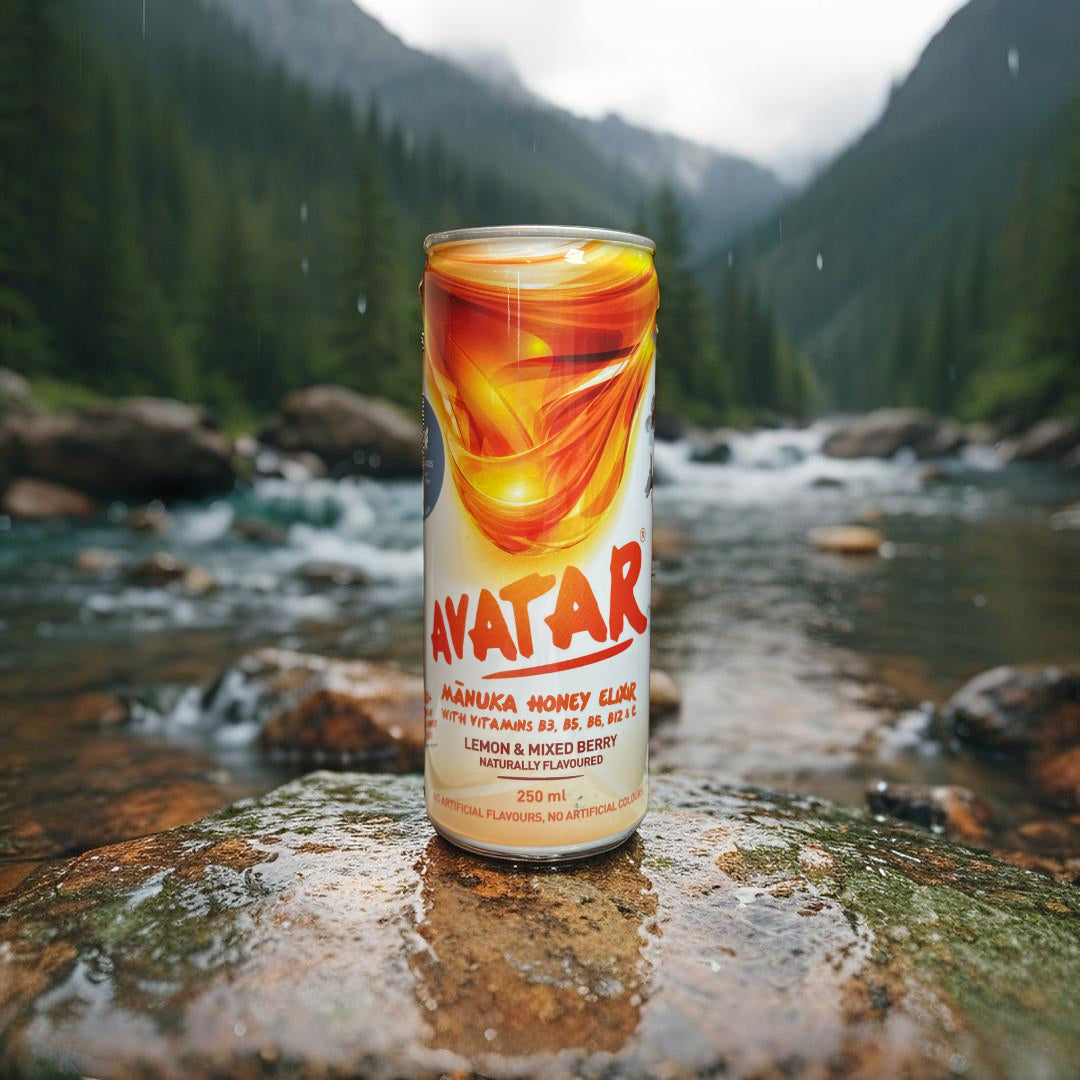
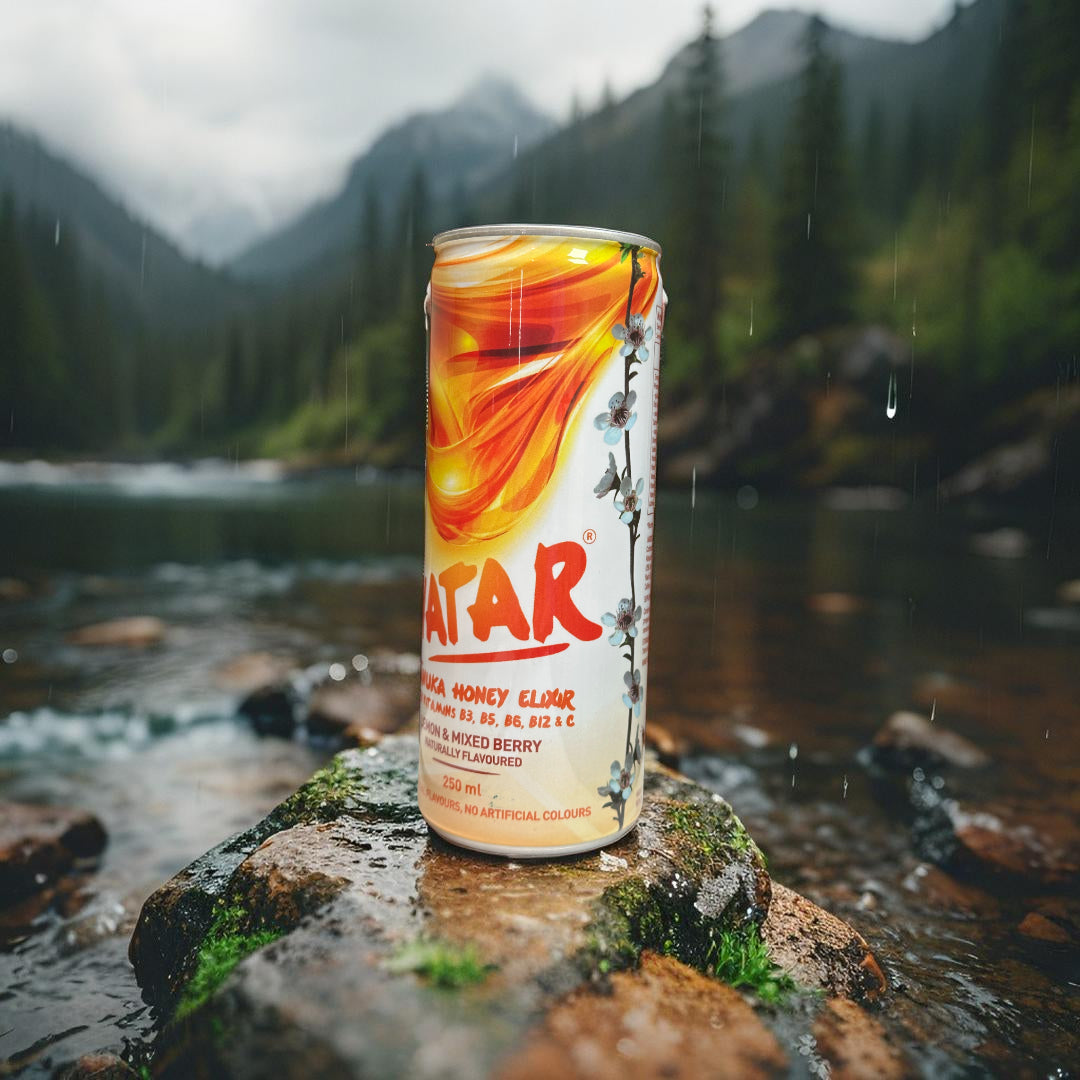
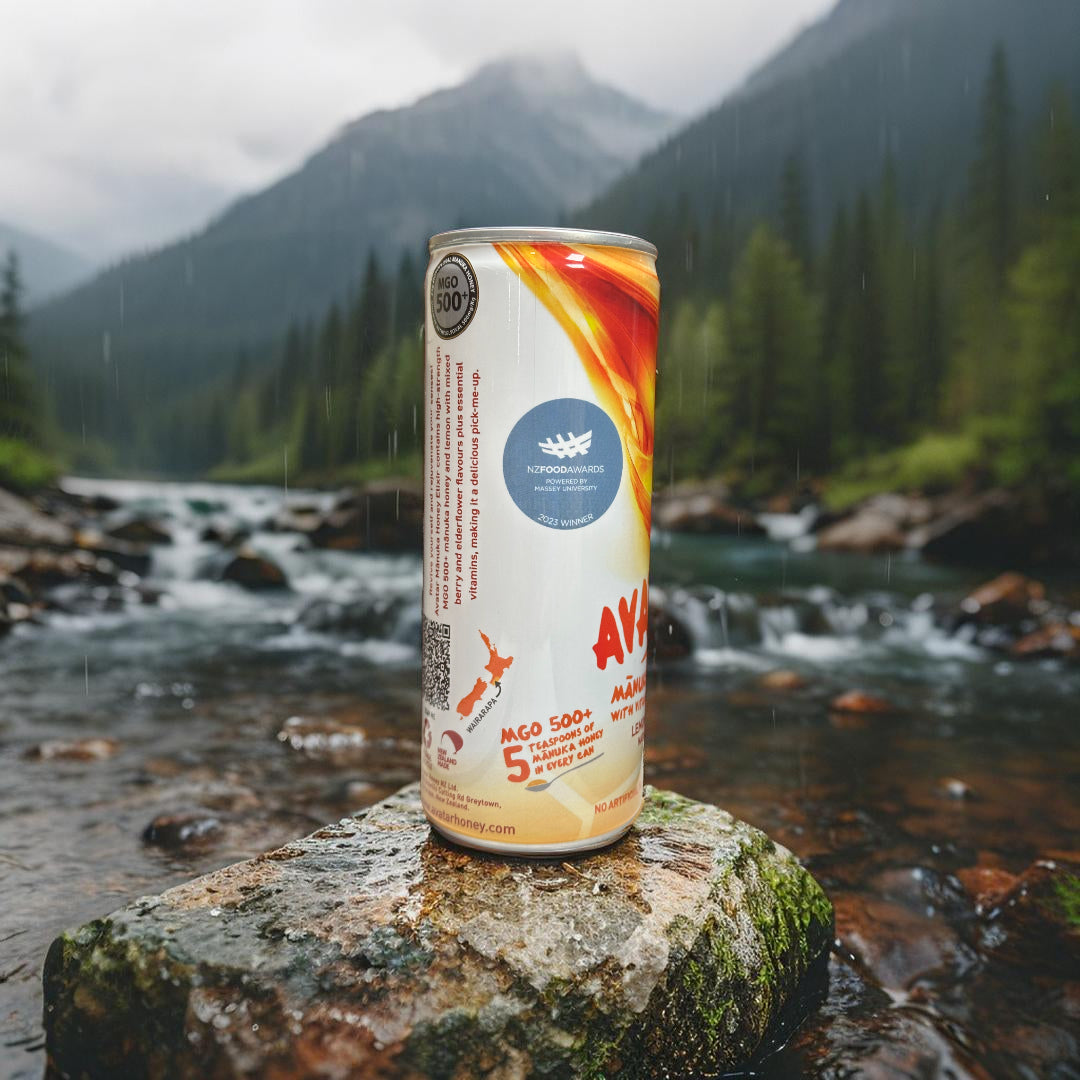
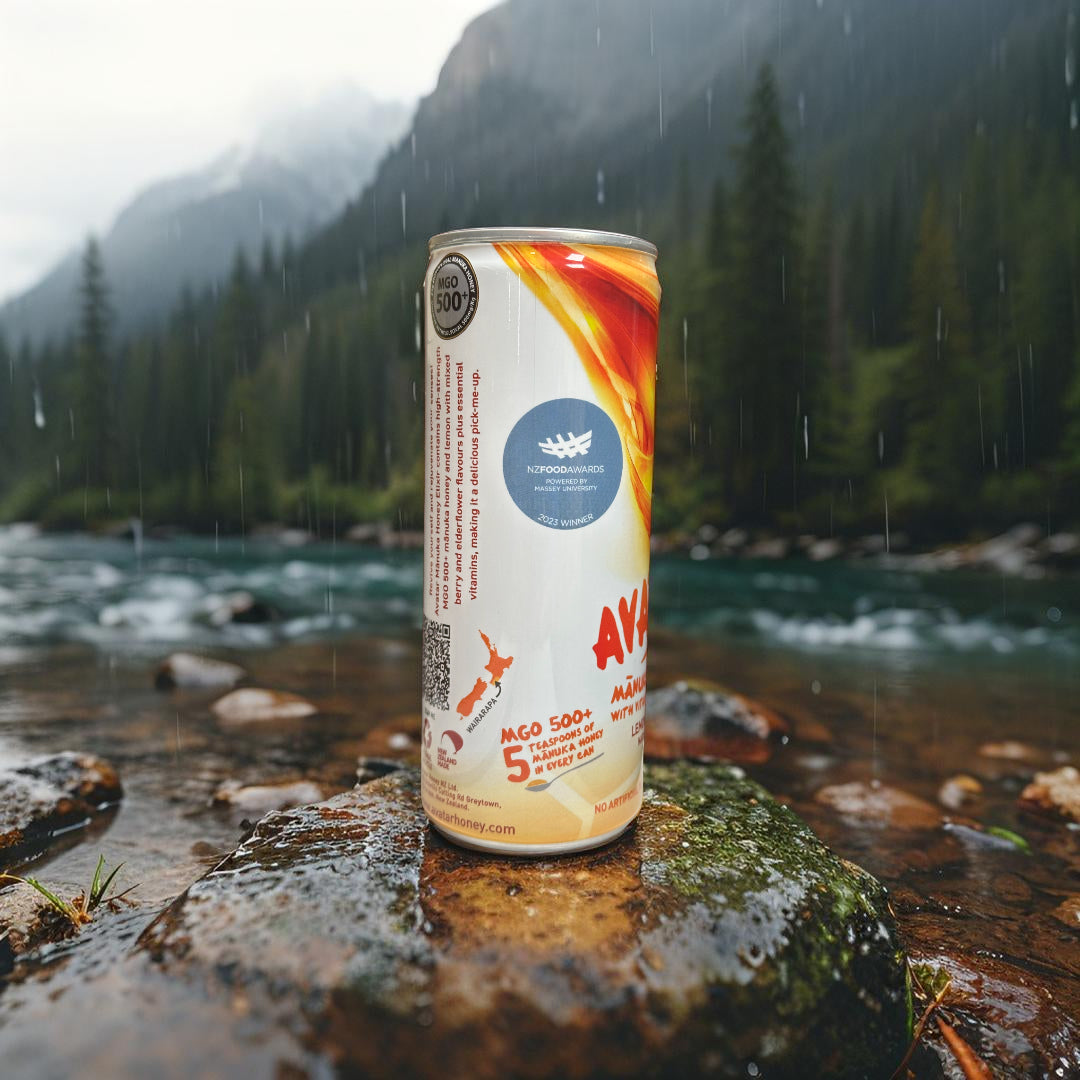
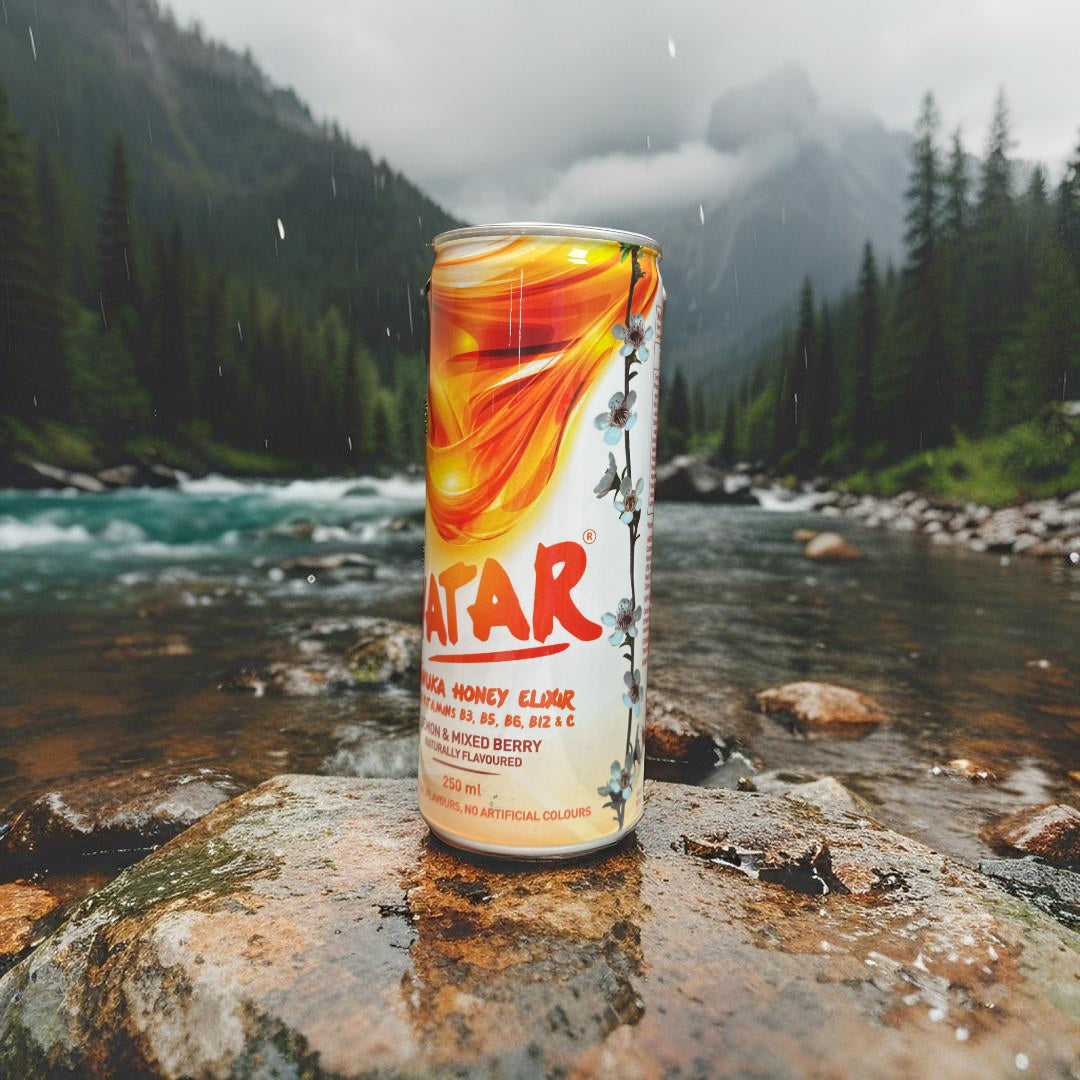
This is where a natural, lower-caffeine option can be useful. Avatar Elixir, for example, can work as a satisfying replacement because it keeps the ritual intact: real flavour, a more moderate caffeine moment, and the feeling of still having a proper drink in your hand. For many people, that is easier than swapping a bold energy drink for a sad glass of tap water and pretending everything is fine.
The key is not to find a “perfect” drink. The key is to find a replacement you will actually choose when your usual can is calling.
A simple tapering schedule for heavy energy drink users
A gradual taper helps reduce energy drink intake without removing caffeine all at once. Adjust the pace based on how you feel, your workload, and how dependent the habit feels.
Here is a practical example for someone drinking two cans per day:
- Days 1 to 3: Keep both cans, but record timing and triggers.
- Days 4 to 7: Replace the second can with a lower-caffeine natural drink or another satisfying alternative.
- Week 2: Keep your remaining energy drink in the morning or early afternoon only.
- Week 3: Decide whether to stay at one can, reduce the size, switch to lower caffeine, or make some days energy-drink-free.
For someone drinking three or more cans per day, the same idea applies, just slower:
- Remove or replace the easiest can first.
- Hold that new routine until it feels normal.
- Then replace the next least-useful can.
- Keep the most valuable caffeine moment for last.
Pro tip: If your workweek is intense, start the first reduction on a lower-pressure day. You do not need to begin your taper on the same morning your inbox decides to become a haunted house.
How to handle the afternoon crash without reaching for another can
The afternoon crash is one of the biggest reasons people return to energy drinks. To cut back successfully, you need a plan for that low-energy window before it arrives.
Try building a replacement routine around the time you normally reach for your second or third can:
- Drink something cold and flavourful: This keeps the sensory ritual alive.
- Eat something with staying power: A snack with protein, fibre, or healthy fats may feel more stable than a sweet hit alone.
- Take a short movement break: Even a brief walk or stretch can change the state of your body and attention.
- Move your remaining caffeine earlier: If you still want caffeine, use it before the crash becomes urgent.
- Change the cue: If the vending machine is your usual path, take a different route for a week.
The aim is to make the better choice easier than the default choice. Willpower is useful, but environment usually wins when you are tired.
Watch the triggers, not just the caffeine
Energy drink dependence is rarely only about caffeine. The strongest habits often come from a cue, a reward, and a context that repeats daily.
Common triggers include:
- Starting work
- Driving long distances
- Gaming or studying at night
- Feeling socially “in” when everyone else has a can
- Using a drink as a break from stress
- Rewarding yourself after a hard task
Once you know the trigger, you can keep the reward while changing the drink. If the reward is flavour, choose a flavour-forward lower-caffeine option. If the reward is a break, keep the break. If the reward is social, bring an alternative that still feels like part of the moment.
That is how you make cutting back feel less like deprivation and more like editing your routine.
What progress actually looks like
Progress is not always going from four cans to zero. For many people, progress looks like fewer cans, better timing, lower caffeine overall, and less automatic drinking.
Useful signs of progress include:
- You pause before opening a can instead of doing it automatically.
- You replace one drink most days of the week.
- You keep caffeine earlier in the day.
- You choose lower-caffeine drinks without feeling deprived.
- You can get through a familiar trigger without needing the strongest option.
If you have a rough day and drink more than planned, do not turn it into a full reset. Just return to the plan at the next drink. One extra can is not a moral failure. It is information.
When to get extra support
Most people can experiment with gradual reduction on their own, but there are times when it is wise to involve a professional.
Consider speaking with your GP if:
- You feel unable to reduce your intake despite wanting to.
- You experience severe symptoms when you cut back.
- You have heart, blood pressure, anxiety, sleep, or panic-related concerns.
- You take medications and are unsure how caffeine or other ingredients fit in.
- Your energy drink use is affecting work, relationships, finances, or daily functioning.
Getting help is not overreacting. It is simply taking the pattern seriously and giving yourself better tools.
The takeaway: keep the ritual, lower the load
If you feel addicted to energy drinks, the goal is not to shame yourself into quitting. The goal is to understand the loop and reduce it in a way your real life can handle.
Start by tracking your baseline. Keep the most useful can for now. Replace the easiest can first. Move caffeine earlier in the day. Use lower-caffeine natural alternatives when you still want flavour, fizz, and a satisfying ritual.
Cutting back works best when it feels like a practical upgrade, not a punishment. You are not trying to become a different person overnight. You are teaching your routine a new default, one can at a time.
If you are trying to cut back on energy drinks without feeling miserable, these FAQs cover the realistic tapering approach in this guide. You will find practical ways to work with your habit loop, protect your afternoon energy, and reduce your daily cans step by step.
How do I cut back from two energy drinks a day?
Start by tapering gradually, not quitting overnight. For most people, the smoothest move is to keep one can at your most useful time (usually morning or early afternoon) and replace the other with a lower-caffeine option. A simple approach is:
- Pick one "keeper" can (morning or early afternoon only)
- Replace the second can with a lower-caffeine drink or smaller serving
- Hold that pattern until it feels normal, then reduce again
Why does cold turkey energy drink quitting feel so rough?
Cold turkey often feels rough because it fights your habit loop all at once. When caffeine, sweetness, and the ritual are all removed suddenly, your brain and routine can feel out of sync, especially during the usual "afternoon slump" window. A taper works better for many heavy users because it keeps some structure while reducing the caffeine-sugar-dopamine loop's grip.
What is the caffeine-sugar-dopamine loop with energy drinks?
It is the repeating reward pattern that makes the next can feel "necessary." Caffeine supports alertness, sweet or bold flavour can cue craving, and the ritual (work breaks, gaming, gym, night shift routines) locks it into your day. When all three line up, "addicted to energy drinks how to cut back" becomes less about willpower and more about changing the loop.
When should I time my one remaining energy drink for best results?
Most people get the best trade-off from morning or early afternoon only. Morning can help you start the day without chasing energy later, while early afternoon can protect productivity when the slump usually hits. The key is consistency, pick one time window and treat any later cravings as a cue to swap in a lower-caffeine ritual instead.
What can I replace one energy drink with that still feels satisfying?
A lower-caffeine option works best when it keeps the ritual. Many people do better with something that still has real flavour and a "crack the can" moment, but with less caffeine intensity than a standard energy drink. Options that may help include:
- Avatar Elixir as a moderate-caffeine, flavour-forward replacement
- Tea-based caffeine (hot or iced) for a smoother-feeling step down
- Carbonated water plus citrus, if carbonation is the main cue
What is the easiest "one can at a time" tapering plan?
The easiest plan is to change only one decision per day. Keep your highest-impact can in the same time slot, and swap the other can first, so you are not battling fatigue and routine disruption at once. If your second can is tied to a specific trigger, match it with a replacement ritual, same fridge break, same cup, same timing, different drink.
How do I handle workplace or social pressure to drink energy drinks?
Plan for the environment, not just your motivation. If the office fridge, group chat, or shift culture is part of the habit, bring a replacement you actually like and make it the default choice in that moment. It can help to use a simple script like "I am tapering, keeping one earlier, switching the afternoon can," so you do not have to explain your whole life story.