



Short answer: Coffee fits a long workday when you want a familiar, warm drink and can pause to enjoy it. A natural energy drink may fit better when you want something cold, portable, sparkling, and easy to take between meetings or appointments. The better choice depends on flavour, caffeine content, acidity, carbonation, ingredients, convenience, and what else you have consumed that day.
It is mid-afternoon, the desk has collected a few empty cups, and another coffee feels like the obvious move. Familiar does not always mean appealing, though. You might want caffeine without another hot, roasted drink, or you may need something that can travel from your desk to the next appointment.
Coffee and natural energy drinks can both suit a working day, but they offer different experiences. Coffee has ritual, aroma, and familiarity. A natural canned drink offers portability, a different flavour profile, and a clearly labelled serving. Neither is automatically the right choice for every person or every part of the day.
Which is better for a long workday, coffee or a natural energy drink?
Neither option is universally better. Coffee generally suits moments when warmth, routine, and a café-style break matter. A natural energy drink generally suits moments when you want a cold, ready-to-drink option that can move with you.
The most useful comparison is not simply coffee versus energy drink. It is how each drink fits the particular moment. Consider these factors:
- Taste: Do you want roasted and bitter flavours, or something lighter, brighter, and fruit-led?
- Caffeine: How much does the serving contain, and how does that fit with the rest of your day?
- Format: Can you sit down with a mug, or do you need a sealed can?
- Acidity and carbonation: Would you prefer the acidity of coffee or a sparkling citrus drink?
- Ingredients: Do you want a simple brewed drink, or a formulated beverage with several named ingredients?
- Occasion: Are you at your desk, in a meeting, travelling, or heading into after-work plans?
Coffee and natural energy drinks can also coexist in a routine. Choosing a canned drink in the afternoon does not require giving up a morning flat white, long black, or filter coffee.
How do coffee and natural energy drinks compare on taste?
Coffee usually has roasted, bitter, nutty, chocolate-like, or fruity notes, depending on the beans and preparation. Natural energy drinks often use citrus, botanical, fruit, honey, or floral flavours, sometimes with carbonation for a crisper finish.
This difference matters over a long day. A second coffee may be satisfying if you still want its aroma and warmth. If the idea of another milky, bitter, or hot drink feels heavy, a chilled natural energy drink can provide contrast.
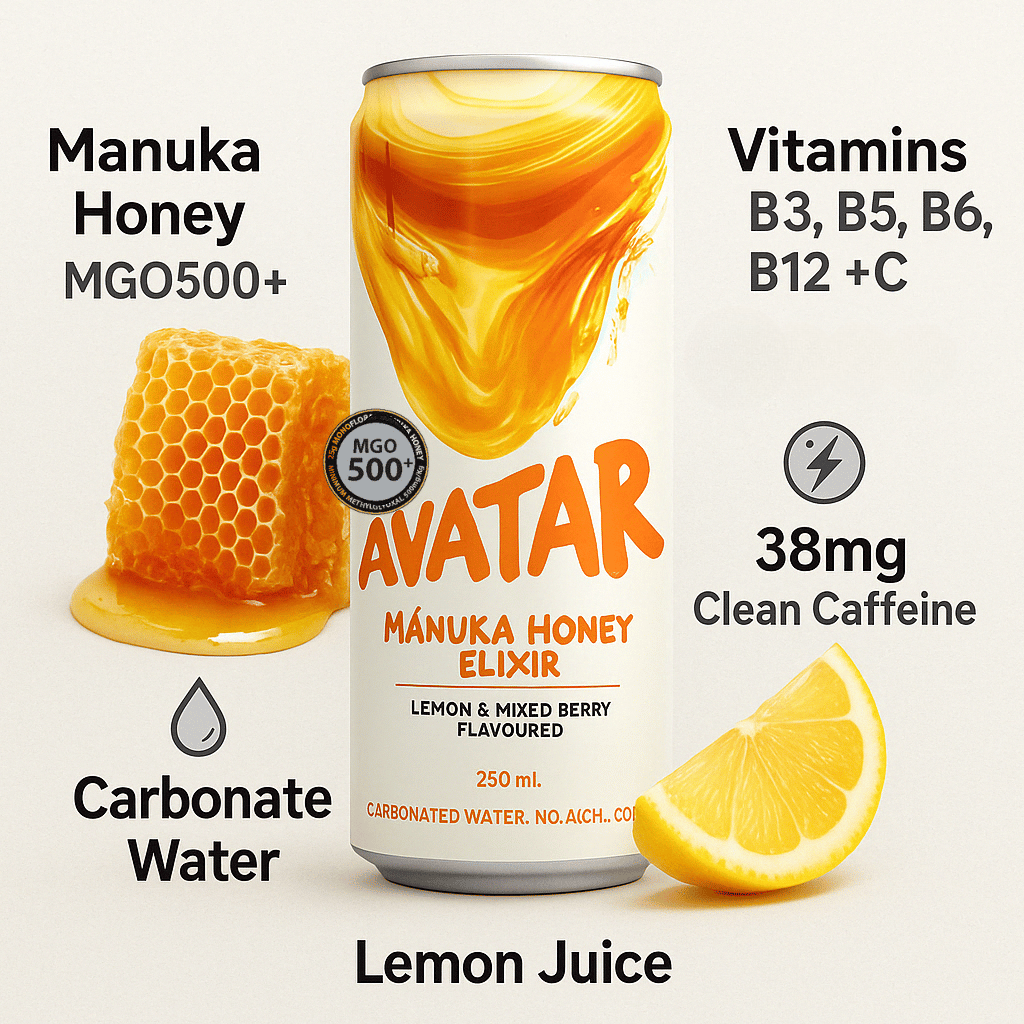
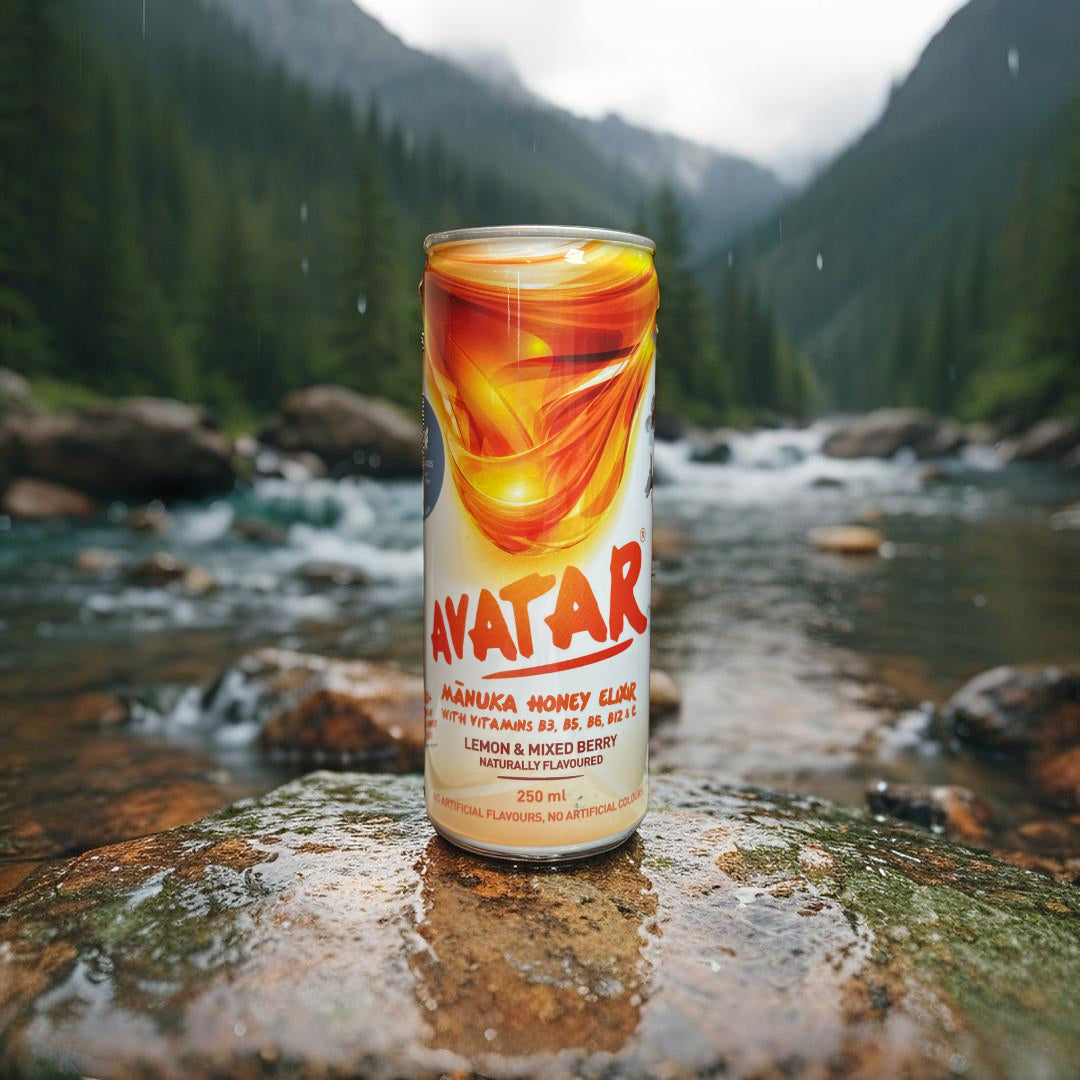
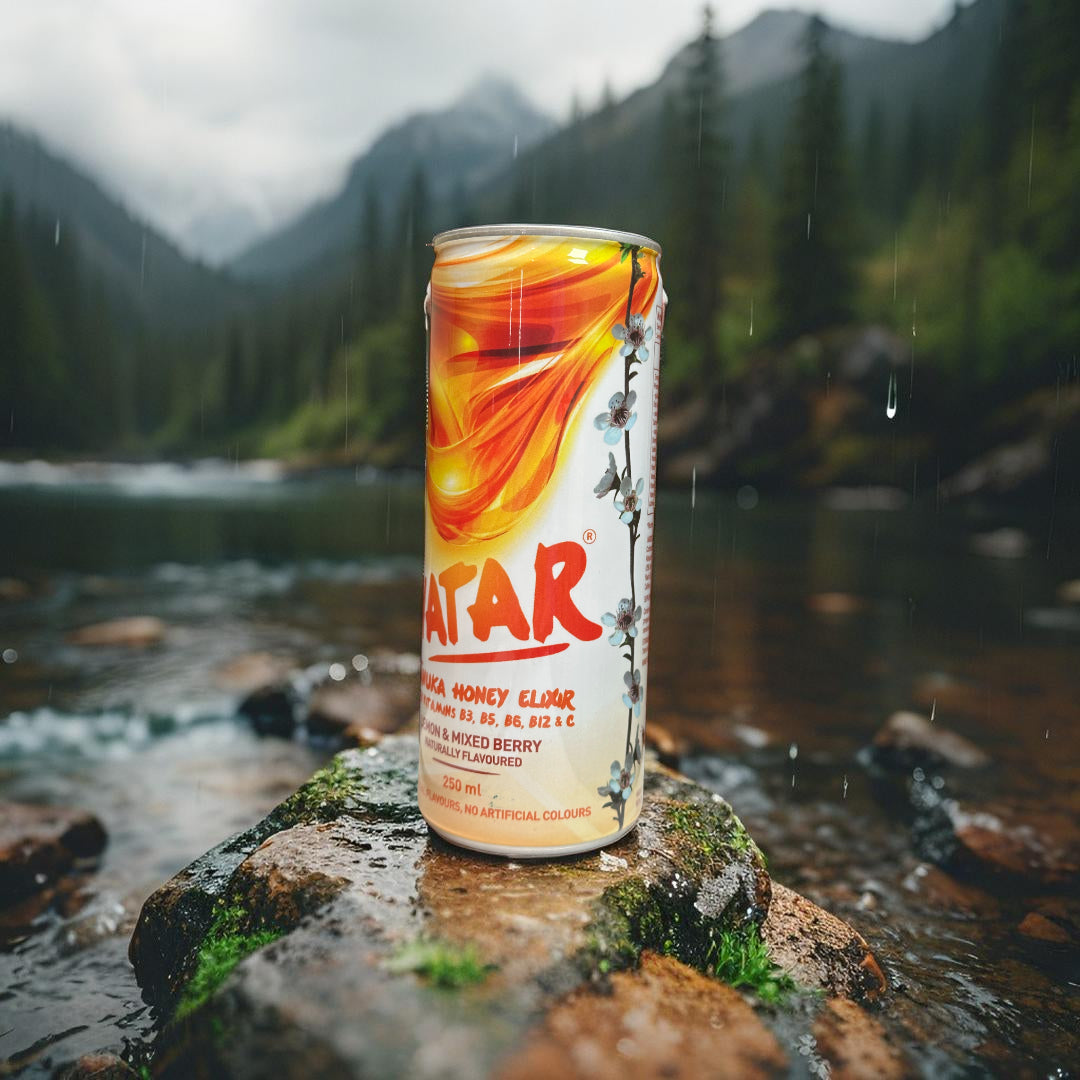
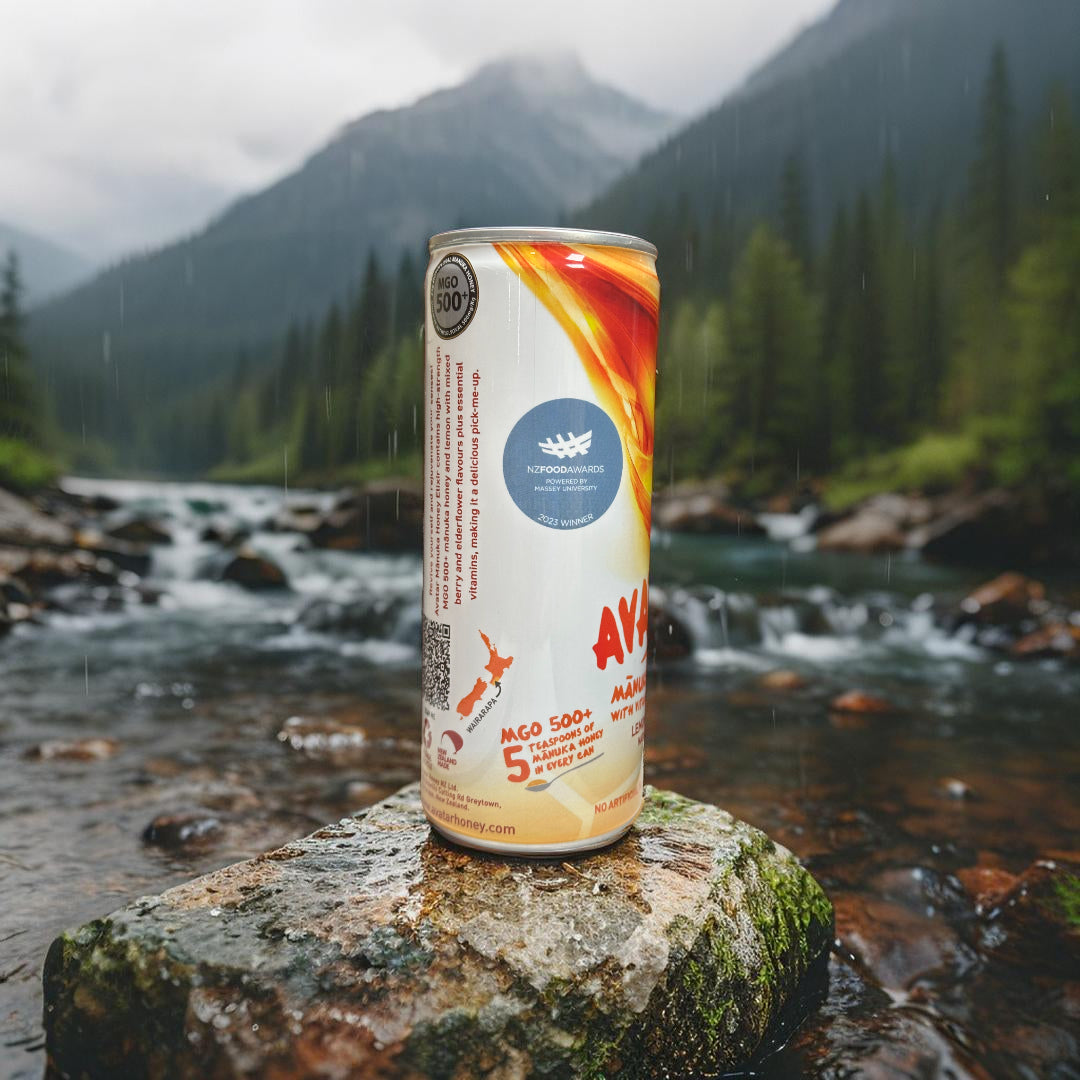
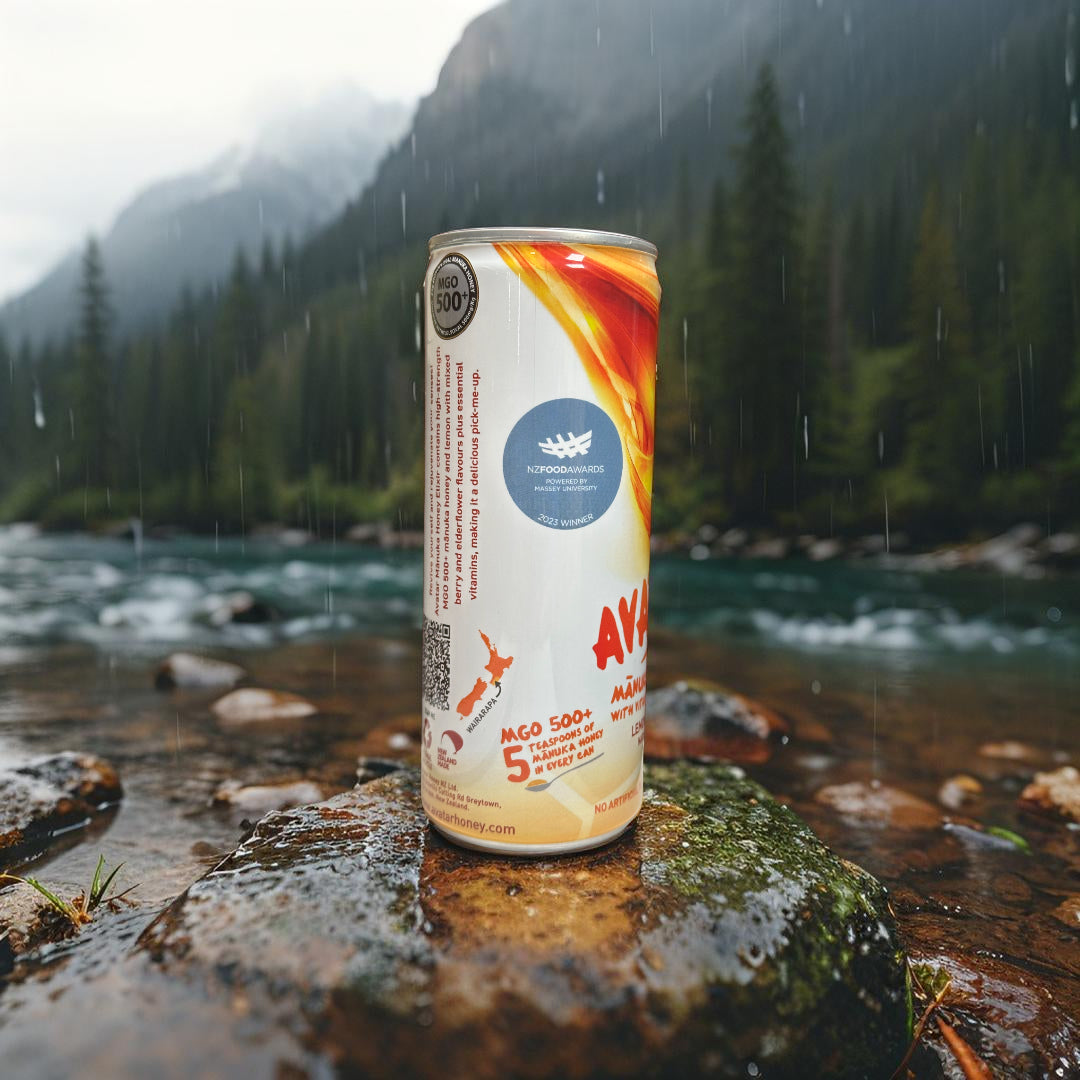
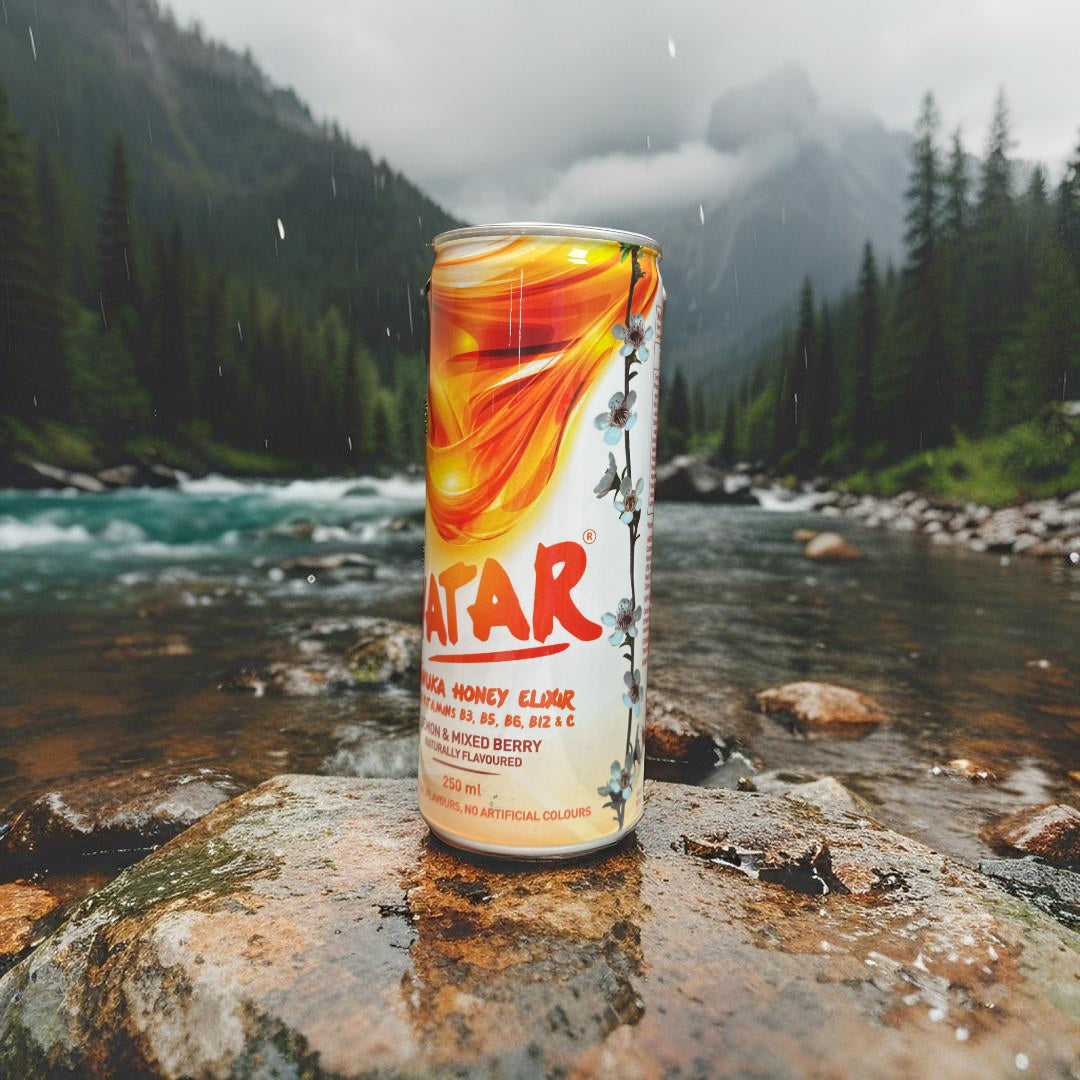
Avatar Elixir is one example of that alternative flavour experience. It is a lightly carbonated New Zealand drink made with certified MGO500+ Manuka honey, lemon, elderflower, B vitamins, vitamin C, and clean caffeine. Its honeyed citrus and floral character is different from coffee rather than an attempt to imitate or replace it.
Temperature affects the occasion too. Coffee can be comforting during an early start or on a cool morning. A cold, sparkling drink may feel more appealing with a desk lunch, during a warm afternoon, or after travelling between appointments.
How does the caffeine experience differ?
The caffeine experience depends primarily on the amount consumed, the serving size, your habits, and the timing, not simply whether the caffeine comes from coffee or a natural energy drink.
Coffee can be difficult to compare by cup alone. A small home-brewed coffee, a café long black, and a large cold brew are not equivalent servings. Bean type, brewing method, cup size, and the number of espresso shots can all affect how much caffeine is in the drink.
A packaged natural energy drink usually states its caffeine content on the label, which can make the serving easier to account for. That does not mean every canned drink contains the same amount. Labels still need to be checked product by product.
Before choosing either option, consider:
- How much coffee, tea, cola, or other caffeine you have already had
- The caffeine amount in the specific cup or can
- How late it is in your day
- Your personal caffeine sensitivity and usual habits
- Whether you genuinely want the drink or are choosing it automatically
Terms such as clean caffeine generally describe a more ingredient-conscious or straightforward beverage positioning. The phrase does not make caffeine a different stimulant, and it should not replace checking the actual caffeine amount on the label.
Are natural energy drinks the same as ordinary energy drinks?
No. Natural energy drinks and ordinary energy drinks may both contain caffeine, but their ingredient choices, sweetness, flavour, branding, and intended drinking occasions can differ considerably.
Standard energy drinks often use bold sweetness, strong flavouring, and a recognisable energy-drink taste. Natural options may instead emphasise fruit, botanicals, honey, tea-derived flavours, or a shorter and more familiar-looking ingredient list. These are broad patterns, not fixed rules.
The word natural does not tell you everything about a beverage. It is still important to read the label and consider:
- The caffeine content per serving
- The serving size
- The sweeteners and flavour ingredients used
- Whether vitamins or other functional ingredients are included
- The drink's sugar and calorie information
- Any label guidance or warnings relevant to you
Coffee is simpler in its basic form because brewed black coffee is primarily water and coffee. Additions such as milk, syrups, sugar, cream, or flavourings change the comparison. A natural energy drink is deliberately formulated, so the full ingredient panel matters.
Which option is more convenient during a busy day?
A canned natural energy drink is usually more convenient when portability and predictable packaging matter. Coffee is often more convenient when a kitchen, coffee machine, or trusted café is already part of your routine.
A sealed can can sit in an office fridge, travel in a suitable insulated bag, or be purchased before a run of appointments. It does not require brewing equipment, a takeaway lid, or a stop at a café. Once opened, however, a carbonated drink is best enjoyed while it is still cold and lively.
Coffee has its own practical advantages. It is widely available, easy to make in many workplaces, and naturally supports a short pause away from the screen. A reusable cup can also make it easier to carry, although an open or takeaway coffee remains less suitable for some journeys than a sealed can.
Convenience should include how the drink feels in the setting, not only how quickly you can obtain it. A drink that is easy to carry but unappealing at that moment is not necessarily the most useful choice.
Which drink fits common workday situations?
Coffee tends to fit settled, familiar moments, while natural energy drinks tend to fit mobile, cold-drink, and social situations. The best choice can change several times within one workday.
What works for an early start?
Coffee often fits an early start because it is warm, familiar, and connected with a morning routine. It also gives you a reason to slow down briefly before beginning work.
A natural energy drink may suit an early departure when there is no time to brew coffee, especially if you prefer a cold drink or need a sealed format. Check the caffeine amount rather than assuming that one can is equivalent to your usual coffee.
What works with a desk lunch?
A natural energy drink can fit a desk lunch when you want a chilled, flavourful drink rather than another hot beverage. Citrus, honey, elderflower, and light carbonation can also feel more food-friendly than the roasted bitterness of coffee with certain lunches.
Coffee may still be the better match after lunch if you enjoy the ritual or want something that clearly marks the end of the meal. The decision is mainly about taste and occasion, not a universal rule.
What works when travelling between appointments?
A sealed natural energy drink is generally the more practical choice before travel because it is compact and less likely to spill while unopened. It can also be chilled in advance and opened when you arrive.
Takeaway coffee remains easy to find, but it needs to stay upright and is best consumed while its temperature and texture are still appealing. Consider where and when you can safely drink either option, particularly when driving.
What works before after-work plans?
A natural energy drink often transitions more naturally into after-work plans because it looks and tastes closer to a premium sparkling beverage. It can be served cold on its own or used as a non-alcoholic base for a simple mixed drink.
Avatar Elixir, for example, offers Manuka honey, lemon, and elderflower flavours that can sit comfortably at a desk lunch and later in a social setting. Coffee may fit better if the plan involves a café catch-up or if a warm drink is part of the occasion.
Timing still matters. If after-work plans run late, check your total caffeine intake and choose according to your own sensitivity and sleep routine.
Is coffee or a natural energy drink more acceptable in meetings?
Both are generally acceptable in modern workplaces, but the meeting format and packaging can influence how each one is perceived.
Coffee is deeply familiar in offices and client meetings. A mug can feel relaxed and established, while a takeaway cup is rarely unusual. Natural energy drinks may attract more attention if the can uses loud graphics or overt performance language.
A premium, understated can can feel closer to sparkling water or a botanical beverage than a conventional energy drink. This can make it a comfortable option for informal meetings, workshops, shared lunches, or video calls. In formal client settings, pouring a chilled drink into a glass may create a more polished presentation.
Practical details matter too. Opening a carbonated can during a quiet discussion can be distracting, while carrying a full coffee into a crowded room creates a spill risk. Choose and open the drink before the meeting when possible.
How should acidity and carbonation affect the choice?
Choose based on which drinking experience feels comfortable and appealing to you. Coffee is naturally acidic, while citrus-based energy drinks may also be acidic and add the sensation of carbonation.
Acidity does not taste identical in the two formats. In coffee, it can appear as brightness, fruitiness, or sharpness alongside roasted bitterness. In a lemon-based sparkling drink, acidity usually contributes freshness and balances sweetness. Carbonation adds bubbles and a dry, lively texture.
People respond differently to both acidic and carbonated drinks. If either tends not to suit you, pay attention to your own experience and choose an appropriate alternative. Having the drink with food, drinking it slowly, or selecting a smaller serving may change the occasion, but no approach suits everyone.
How can you decide what to drink on a particular workday?
Use the occasion, label, and your existing caffeine intake to make the decision. A short check is more useful than treating one category as automatically better.
- Count what you have already consumed. Include coffee, tea, energy drinks, and other caffeinated products.
- Check the serving. Look at the caffeine content on packaged drinks and note the size or number of shots in coffee.
- Choose the flavour you actually want. Decide between warm and roasted, or cold, sparkling, citrus, honey, and botanical notes.
- Consider where you will be drinking it. A desk, car, client room, airport, and after-work gathering each have different practical needs.
- Think about timing. Your usual caffeine habits and the remaining length of your day may matter more than the drink category.
- Read the ingredient panel. This is particularly useful when comparing ordinary and natural energy drinks.
A simple pattern may be coffee when you have time for a warm ritual, and a natural canned drink when you want portability, a chilled flavour, or something suited to both work and social settings. That is a practical option, not a prescription.
What is the final takeaway for a long workday?
Coffee fits a long workday when familiarity, warmth, roasted flavour, and a deliberate break are the priorities. A natural energy drink fits when portability, a cold sparkling texture, labelled caffeine content, and a brighter flavour profile are more useful.
Ordinary energy drinks provide another convenient option, but adults looking for a less conventional flavour may prefer a natural drink built around ingredients such as citrus, botanicals, or honey. Avatar Elixir is one example, combining certified MGO500+ Manuka honey with lemon, elderflower, vitamins, clean caffeine, and lightly carbonated water.
The choice does not need to become coffee versus everything else. Keep coffee for the moments when it fits, and consider a natural canned drink when another cup feels unappealing or impractical. The most suitable choice is the one that matches the occasion, your taste, the label, and your caffeine habits that day.
These practical points clarify caffeine tracking, serving comparisons, and the role of Manuka honey in a workday drink.
Can I have coffee and a natural energy drink on the same day?
Yes, coffee and a natural energy drink can fit into the same day, but you should account for your total caffeine intake. Check the caffeine amount on the can, note the size or number of shots in your coffee, and include other sources such as tea or cola. Timing, personal sensitivity, and your usual caffeine habits also matter.
How can I compare an unlabeled coffee with a canned drink?
Use the coffee's size and number of espresso shots as practical reference points, but do not assume it matches a can. Coffee caffeine can vary with the beans, brewing method, serving size, and preparation. A packaged drink usually provides a caffeine amount on its label, making that serving easier to track.
Does Manuka honey change the caffeine experience in Avatar Elixir?
There is no basis here to assume that Manuka honey changes how caffeine works. Avatar Elixir combines certified MGO500+ Manuka honey with lemon, elderflower, vitamins, clean caffeine, and lightly carbonated water. Base your choice on the stated caffeine content, your total intake, and your usual habits rather than assuming the honey alters caffeine's effects.