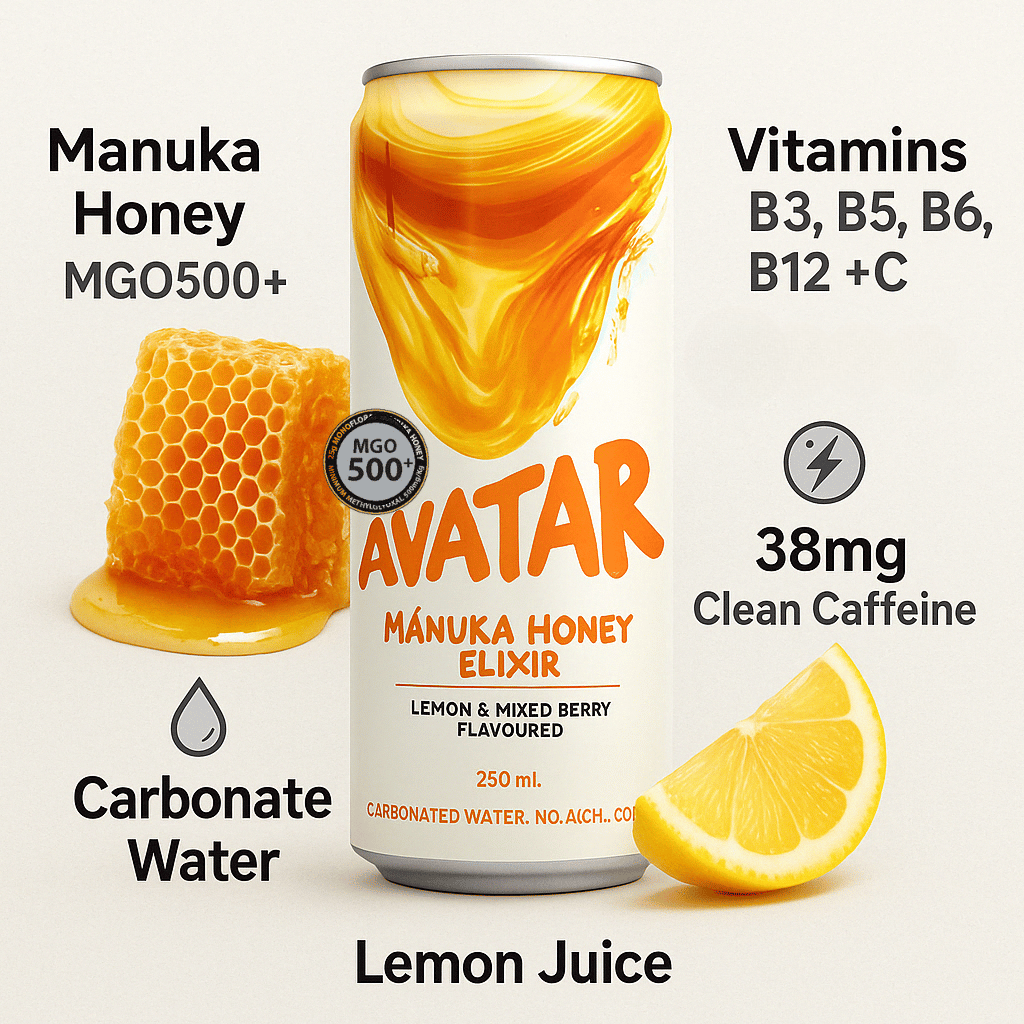



Quick answer: Energy drinks can matter with medications because caffeine, stimulant-like botanicals, sugar, electrolytes, and added supplements may affect heart rate, blood pressure, sleep, blood sugar, or how certain drugs feel in your body. The safest approach is to check the label, know your caffeine total, and ask a pharmacist whether your specific medication and health history make energy drinks risky.
Energy drinks and medication interactions are not always obvious. A can may look like a simple caffeine boost, but the label can include guarana, green tea extract, yerba mate, B vitamins, amino acids, herbal ingredients, electrolytes, sugar, or alternative sweeteners. For most healthy adults, a moderate amount of caffeine may be tolerated, but medication use changes the conversation.
This article offers a conservative checklist for common scenarios where caffeine and common energy drink ingredients may matter. It is not a diagnosis, and it does not replace advice from your doctor or pharmacist. Instead, it helps you identify better questions to ask before mixing an energy drink with prescription medicine, over-the-counter medicine, or supplements.
Why Energy Drinks Can Matter When You Take Medication
Energy drinks can interact with medication because they may change how your body feels, how your symptoms present, or how certain drugs are tolerated. The most relevant ingredient is usually caffeine, but it is not the only one to notice.
Caffeine is a stimulant. It can increase alertness, reduce perceived fatigue, and make some people feel more physically activated. In sensitive individuals, it may also contribute to jitteriness, palpitations, anxiety, digestive upset, or sleep disruption. Those effects can overlap with side effects from common medications, making it harder to know what is causing what.
Energy drinks may also contain other ingredients that deserve attention:
- Guarana: A natural caffeine source that can raise the total caffeine load even when the front label looks modest.
- Green tea extract, yerba mate, or coffee fruit extract: Ingredients that may contribute caffeine or other plant compounds.
- B vitamins: Commonly included for energy metabolism support, but high amounts may not be suitable for every person or every medication plan.
- Electrolytes: Sodium, potassium, and magnesium may be relevant for people on heart, kidney, or blood pressure medications.
- Sugar or honey: Natural sweeteners, including honey and manuka honey, still affect carbohydrate intake and may matter for diabetes medication decisions.
- Herbal extracts: Adaptogens, nootropics, or “focus” blends can be difficult to evaluate without a pharmacist reviewing the full label.
The key point is simple: the medication interaction question is not only “How much caffeine is in this?” It is also “What else is in the can, and does it matter for my medication, condition, or symptoms?”
A Cautious Label Checklist Before You Drink
A careful label review is the first step before combining an energy drink with medication. You do not need to become a pharmacology expert, but you do need enough information to ask a useful question.
Check the caffeine total
Look for the caffeine amount per serving and per container. Some products contain more than one serving, while others list caffeine from multiple sources. If a drink includes guarana, green tea, yerba mate, or coffee extract, treat those as possible caffeine contributors unless the brand clearly states the total caffeine amount.
Also include caffeine from other sources in your day, such as coffee, tea, pre-workout powders, chocolate, caffeine pills, and some over-the-counter medicines. Medication-related concerns often depend on the total stimulant load, not only the energy drink itself.
Look for stimulant-like blends
Some energy drinks include ingredients positioned for focus, metabolism, or performance. These may be natural, but “natural” does not automatically mean compatible with every medication. If the label uses a proprietary blend or does not clearly state amounts, bring the container or a photo of the supplement facts panel to a pharmacist, especially with adaptogens in natural energy drinks.
Notice sugar, honey, and carbohydrate content
Energy drinks made with sugar, fruit juice, honey, or manuka honey can be preferable for some taste and clean-label preferences, but they still contribute carbohydrates. If you take medication for blood sugar management, the carbohydrate amount can matter more than whether the sweetener is natural.
Check electrolytes if you take heart, blood pressure, kidney, or diuretic medication
Electrolyte-containing drinks are common in wellness and sports-focused energy products. Sodium, potassium, and magnesium are not automatically a problem, but they may be relevant if your medication affects fluid balance, blood pressure, heart rhythm, or kidney function.
Common Medication Scenarios Where Extra Caution Makes Sense
The following scenarios are common reasons to ask a pharmacist before using energy drinks with medication. These are not automatic “never” situations for every person, but they are practical red flags for a more careful review.
ADHD medications and other prescription stimulants
ADHD medications and some wakefulness-promoting prescriptions can already have stimulating effects. Adding an energy drink may increase the chance of feeling jittery, anxious, restless, or unusually wired. Some people may also notice changes in heart rate, appetite, or sleep.
If you take a stimulant medication, ask whether caffeine is appropriate for you, how much is reasonable, and whether timing matters. A pharmacist may also ask about your blood pressure, heart history, sleep quality, anxiety symptoms, and other caffeine sources.
Decongestants and cold medicines
Some cold and allergy products contain decongestants that can feel stimulating. Combining them with caffeine may make side effects more noticeable in some people, especially nervousness, shakiness, or a racing-heart sensation.
Over-the-counter medicines are easy to underestimate because they do not require a prescription. If you are using a cold medicine, sinus product, or “daytime” formula, read the active ingredients and ask whether an energy drink is a good idea while symptoms are active.
Blood pressure and heart medications
Caffeine can affect heart rate and blood pressure differently from person to person. If you take medication for high blood pressure, heart rhythm, chest pain, heart failure, or another cardiovascular condition, energy drinks deserve a cautious conversation.
The concern is not only caffeine. Electrolytes, fluid intake, sodium content, and stimulant-like botanicals may also be relevant. A pharmacist or clinician can help you decide whether your specific drink choice fits your medication plan.
Anxiety, panic, and sleep medications
Energy drinks may work against the goals of medications used for anxiety, panic, insomnia, or sleep support. Caffeine can make some people feel more alert, but it can also worsen restlessness or make it harder to fall asleep, especially when consumed later in the day.
If you take medication for anxiety or sleep, ask about timing and sensitivity. The safest answer may differ for someone who uses a low-caffeine drink in the morning compared with someone who drinks a high-caffeine product in the afternoon.
Antidepressants and mood-related medications
Some antidepressants and mood-related medications can have side effects that overlap with caffeine effects, such as sleep changes, agitation, sweating, or changes in heart rate. Certain medication classes may require more specific caution, especially when other stimulants or supplements are involved.
If your energy drink includes herbal extracts or “mood,” “focus,” or “adaptogen” ingredients, do not assume compatibility. Bring the full ingredient list to a pharmacist, especially if you recently started, stopped, or changed the dose of a mood-related medication.
Antibiotics and short-term prescriptions
Some short-term prescriptions may change how caffeine feels or how your body tolerates it. Illness itself can also change your response to caffeine. When you are dehydrated, feverish, nauseated, or sleeping poorly, an energy drink may feel stronger than usual.
If you are prescribed an antibiotic or another short-term medication, ask whether caffeine is okay during the course. This is especially important if your medication label already warns about caffeine, stimulants, stomach irritation, or sleep disruption.
Diabetes and blood sugar medications
Energy drinks can matter for diabetes management because they may contain sugar, honey, juice, or other carbohydrates. Even natural sweeteners can affect blood glucose. Sugar-free drinks may avoid carbohydrates, but caffeine can still affect appetite, perceived energy, or individual glucose patterns in some people.
If you take insulin or other blood sugar-lowering medication, ask how to account for the drink’s carbohydrate content. If the drink is used before exercise, the question becomes more important because activity, caffeine, hydration, and medication timing can all influence how you feel.
Thyroid medication
Thyroid medication is often taken with careful timing instructions. Coffee and some supplements may interfere with absorption when taken too close to the dose, depending on the medication and routine. Energy drinks can raise similar timing questions if they contain caffeine, minerals, or other added nutrients.
If you take thyroid medication, ask your pharmacist when it is best to drink caffeine or supplement-containing beverages. A consistent routine is often easier to evaluate than changing timing from day to day.
Diuretics, lithium, and hydration-sensitive medications
Some medications are more sensitive to hydration status, sodium balance, or fluid changes. Diuretics and certain mood stabilizers are examples where hydration and electrolytes may deserve extra attention. Energy drinks used around workouts, heat, illness, or low fluid intake can complicate that picture.
If your medication plan includes regular lab monitoring, kidney-related cautions, or hydration advice, treat energy drinks as part of the conversation. The pharmacist does not only need the drug name. They also need to know how often you drink the product, when you drink it, and whether you use it during exercise.
Symptoms That Mean You Should Pause and Ask for Help
New or unusual symptoms after combining an energy drink with medication should be taken seriously. Stop adding more caffeine and contact a healthcare professional if something feels off.
Seek prompt medical guidance if you experience symptoms such as:
- Chest pain, fainting, or severe shortness of breath
- A fast, irregular, or pounding heartbeat that feels unusual for you
- Severe anxiety, panic, confusion, or agitation
- Severe headache, weakness, or vision changes
- Persistent vomiting, dehydration symptoms, or inability to keep fluids down
- Signs of very low or very high blood sugar if you manage diabetes
- Any symptom that your medication guide lists as urgent
For non-urgent symptoms, it is still worth contacting a pharmacist. Mild jitteriness, sleep disruption, stomach upset, or mood changes may be manageable, but they can also be clues that the energy drink, dose timing, or caffeine amount is not a good match for your medication. If you want a broader overview of energy drink side effects, that context can help you describe what changed.
Questions to Bring to a Pharmacist
A pharmacist can give better advice when you bring specific details. Instead of asking, “Are energy drinks bad with medication?” ask questions that include the product, dose, timing, and your health context.
Helpful questions include:
- “Is caffeine safe with this medication for me?”
- “Is there a caffeine amount I should stay under?”
- “Should I avoid caffeine at a certain time of day with this prescription?”
- “Does this drink’s guarana, green tea, yerba mate, or herbal blend matter?”
- “Do the electrolytes or minerals in this drink matter with my medication?”
- “If this drink contains honey or sugar, should I adjust anything for blood sugar management?”
- “Could this drink make side effects harder to recognize?”
- “Should I avoid energy drinks while starting or changing this medication?”
Bring the can, bottle, or a clear photo of the nutrition facts and supplement facts panel. Include all prescription medications, over-the-counter products, vitamins, pre-workouts, sleep aids, and herbal supplements you use. Interactions are often about the full routine, not one product in isolation.
A Practical Decision Checklist for Energy Drinks and Medication
A simple decision checklist can help you pause before combining an energy drink with medication. This is especially useful when you are tired, traveling, working out, or trying a new product.
- Identify the medication category. Note whether it affects blood pressure, heart rhythm, mood, sleep, attention, blood sugar, hydration, thyroid function, or kidney function.
- Read the full drink label. Check caffeine, serving size, guarana, green tea, yerba mate, herbal extracts, electrolytes, sugar, honey, and added supplements.
- Add up your total caffeine. Include coffee, tea, pre-workout powders, caffeine pills, and over-the-counter medicines.
- Consider timing. Ask whether the drink is close to your medication dose, bedtime, exercise, or a period when side effects are more likely.
- Account for health conditions. Heart conditions, high blood pressure, anxiety, insomnia, diabetes, kidney disease, pregnancy, and certain medical histories may change the risk profile.
- Start with the pharmacist. If anything is unclear, ask before drinking. This is especially important with new medications or new energy drink formulas.
- Track your response. If you are told caffeine is acceptable, notice sleep, heart rate sensations, anxiety, digestion, and blood sugar patterns when relevant.
The conservative choice is to avoid combining a new energy drink with a new medication on the same day. If a side effect appears, changing one variable at a time makes the cause easier to identify.
Special Situations That Deserve Extra Care
Some situations raise the level of caution even when an energy drink was previously tolerated. Your usual routine may not apply when your body, medication, or environment changes.
Starting, stopping, or changing a medication dose
Medication changes are a good time to simplify your caffeine routine. If you continue using energy drinks, keep the amount and timing consistent so your healthcare team can interpret side effects more easily.
Exercise, heat, and dehydration
Energy drinks are sometimes used before workouts or long days outdoors. If you take medication that affects heart rate, blood pressure, sweating, hydration, or electrolytes, ask whether caffeinated drinks are appropriate in those conditions.
Pregnancy, breastfeeding, and fertility treatment
Caffeine guidance can be different during pregnancy, breastfeeding, or fertility treatment. If you take medication during these periods, ask your clinician or pharmacist before using energy drinks, even natural or lower-caffeine options.
Teens, older adults, and people with multiple prescriptions
Age and medication complexity can change risk. Teens may be more likely to combine energy drinks with sports, studying, or little sleep. Older adults may be more likely to take multiple medications that affect the heart, blood pressure, sleep, or hydration.
When several prescriptions are involved, the safest review is individualized. A pharmacist can look at the complete medication list and identify concerns that may not be obvious from the energy drink label alone.
These FAQs clarify how energy drinks and medication interactions can show up in everyday situations, especially when labels include more than just caffeine. You will find a cautious checklist mindset and practical questions to bring to a pharmacist before mixing an energy drink with prescription or over-the-counter medicine.
How do I check an energy drink label for medication risks?
Start by identifying everything that can change how you feel on your medication. Look for total caffeine (mg) per can and per serving, then scan for stimulant-like sources such as guarana, green tea extract, and yerba mate that can add to your caffeine total. Also note sugar or sweeteners, electrolytes, and added supplements (for example, B vitamins, amino acids, or herbs) so you can ask whether any of those overlap with your medication side effects.
Why can caffeine make medication side effects feel worse?
Caffeine can amplify symptoms that already overlap with common drug side effects. Because caffeine is a stimulant, it may increase alertness but also contribute to jitteriness, palpitations, anxiety, digestive upset, or sleep disruption in sensitive people. When those sensations resemble medication effects, it can be harder to tell whether your dose is too strong, the timing is off, or the energy drink is the main trigger.
Is caffeine the only energy drink ingredient that can matter?
No, caffeine is often the main concern, but it is not the only one. Energy drinks can also include sugar, electrolytes, and added supplements that may affect how you feel (for example, changes in energy, hydration sensations, or sleep). A practical best practice is to treat the whole label as relevant, not just the caffeine number, when thinking about energy drinks and prescription medicine.
What questions should I ask a pharmacist about energy drinks?
Bring your exact product and medication details, then ask specific, scenario-based questions. Useful questions include:
- "Is this caffeine amount safe with my medication and health history?"
- "Do ingredients like guarana or green tea extract change the risk?"
- "Could this worsen side effects like heart rate, blood pressure, anxiety, or insomnia?"
- "If I choose to have it, what timing or limit would be the most cautious?"
Energy drinks vs coffee with medication, which is the safer choice?
Often, plain coffee is easier to judge because it has fewer added variables. An energy drink may deliver caffeine plus multiple ingredients that can feel "stacked," which can complicate medication tolerance and side-effect tracking. If you are trying to be conservative, choose the option with the simplest ingredient list and the clearest caffeine total, then reassess based on how you respond.
What is a cautious checklist before mixing energy drinks and medicine?
A cautious checklist focuses on your caffeine total, your symptoms, and your timing. Before you drink it, confirm the caffeine per serving, avoid doubling up with other caffeine sources, and notice whether your medication already affects sleep, anxiety, heart rate, or blood pressure. If you feel new or stronger symptoms, pause the energy drink and document what you had and when, then ask a pharmacist whether that pattern suggests a higher-risk interaction.
Bottom Line: Treat Energy Drinks Like an Active Part of Your Routine
Energy drinks are not just flavored beverages when you take medication. Caffeine, guarana, green tea extract, electrolytes, sugar, honey, and herbal blends can all matter depending on your prescription, health history, timing, and total daily intake.
The safest approach is conservative and practical: read the label, add up caffeine from all sources, avoid stacking stimulants, and ask a pharmacist specific questions. Do not stop or change medication on your own because of an energy drink concern. Instead, use the drink label and your medication list to get advice that fits your situation.
For wellness-minded consumers, the goal is not fear. The goal is clarity. A carefully chosen natural energy drink may fit some routines, but medication use is the point where personal guidance becomes more important than general wellness advice.