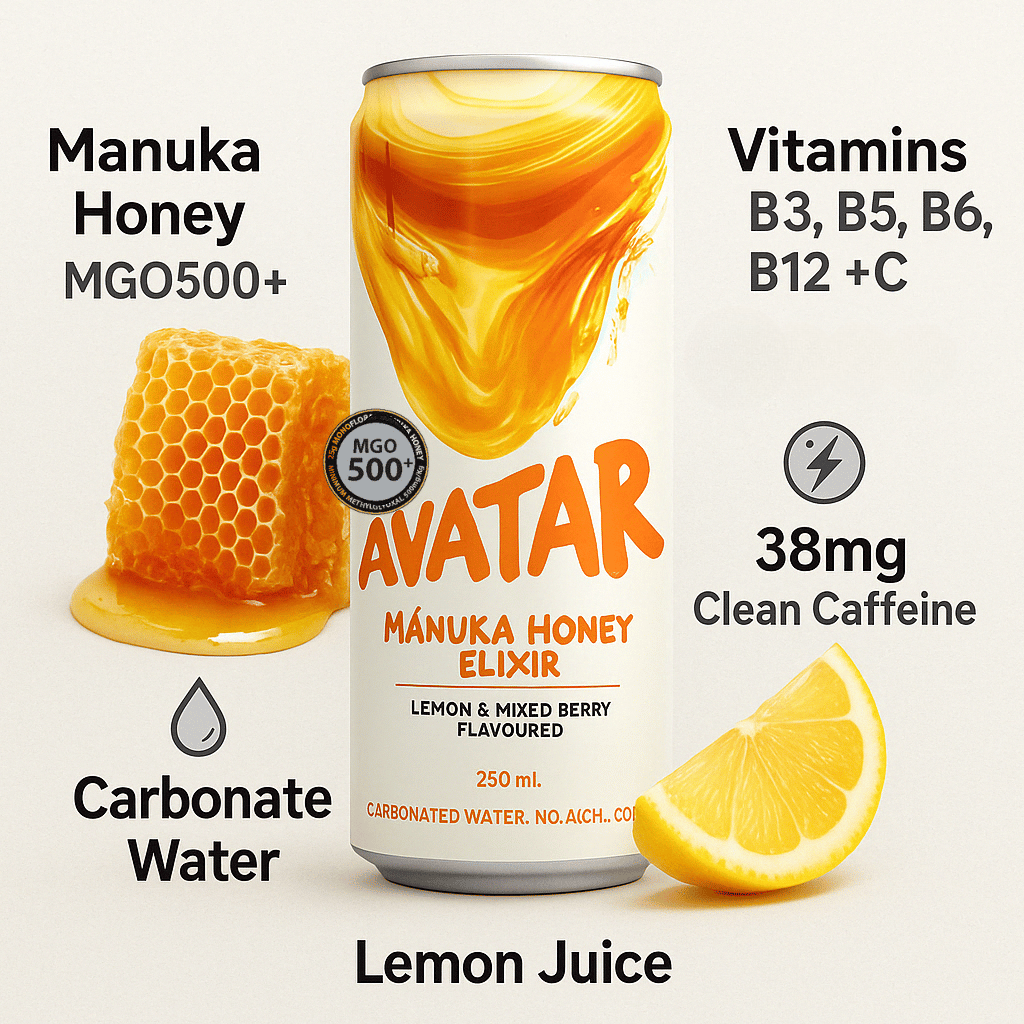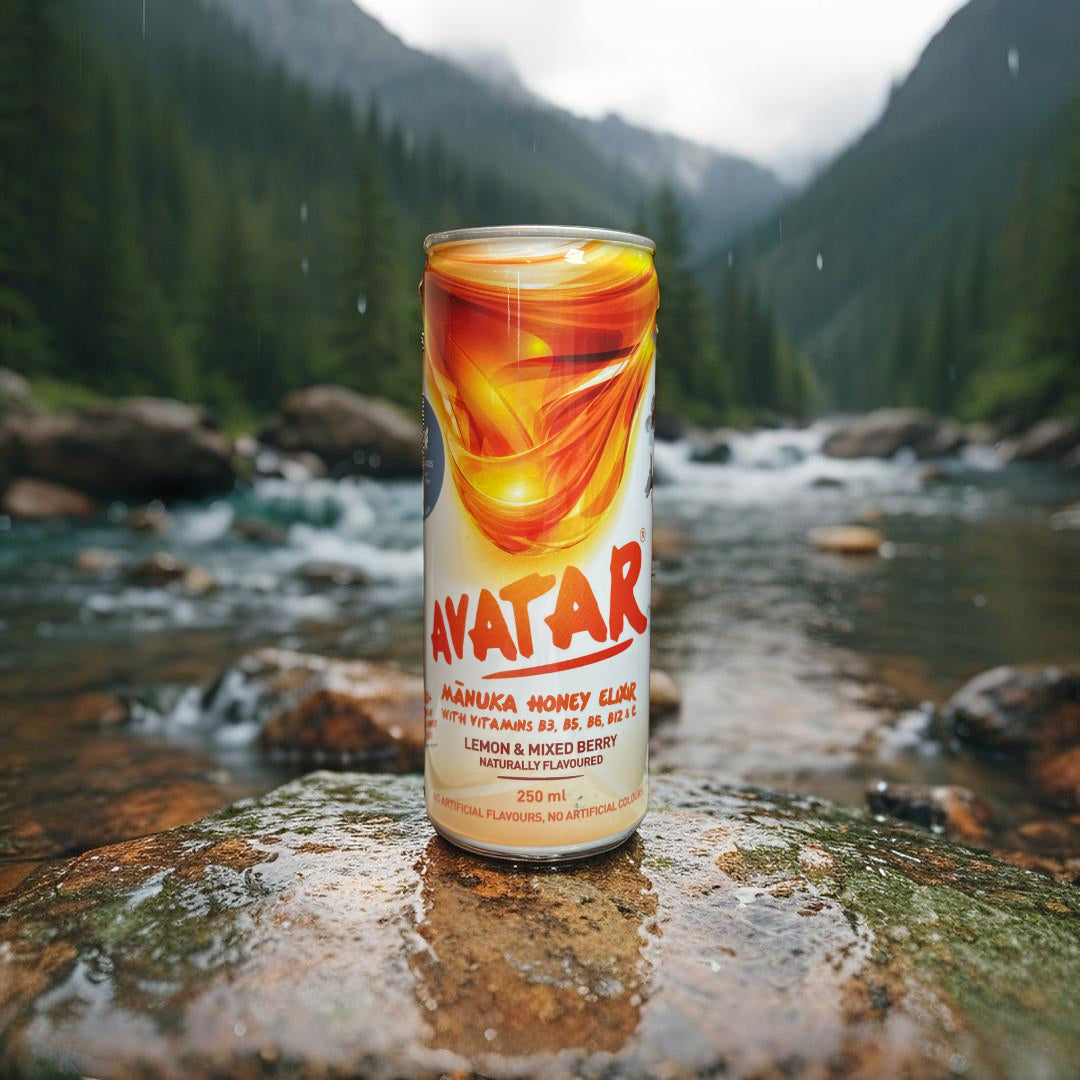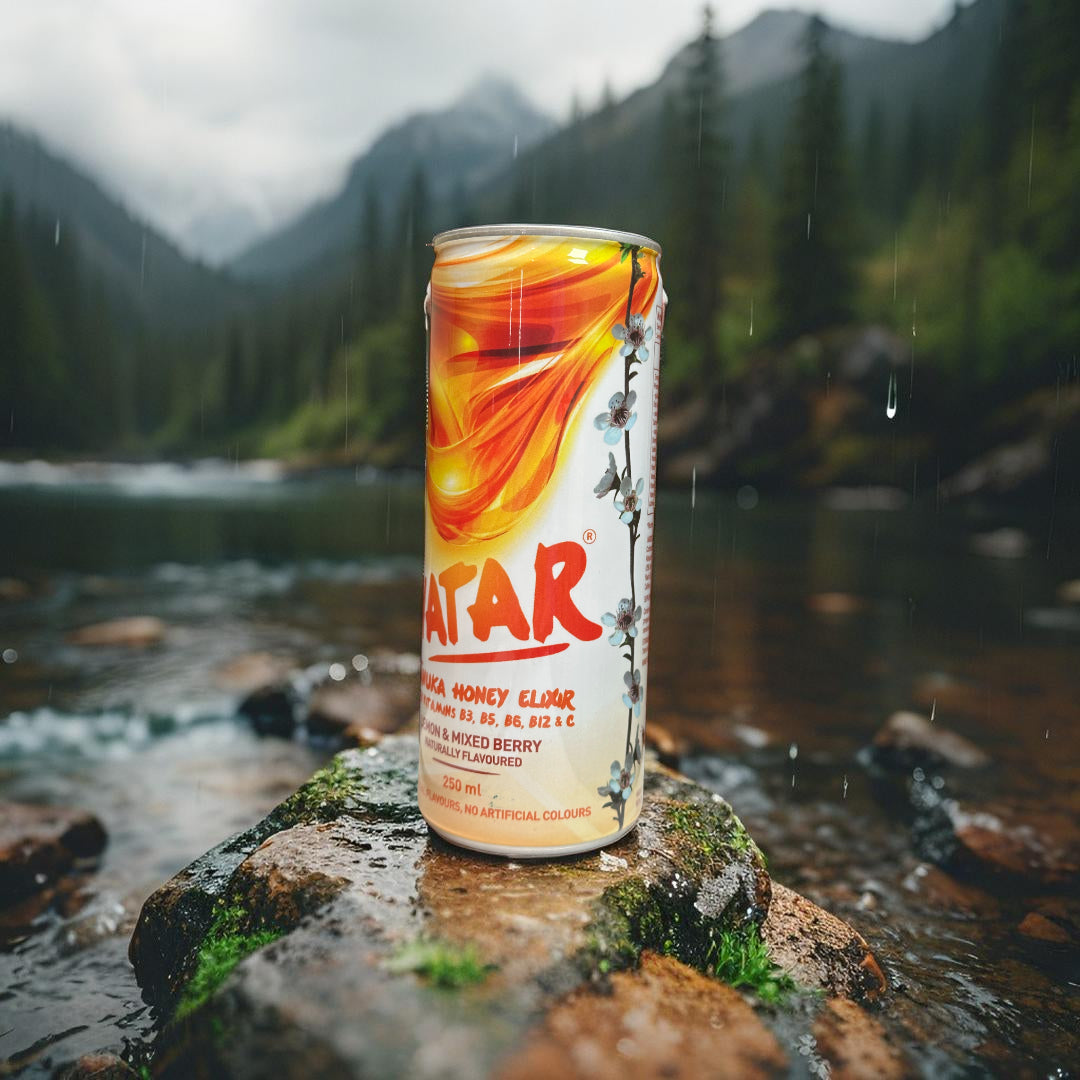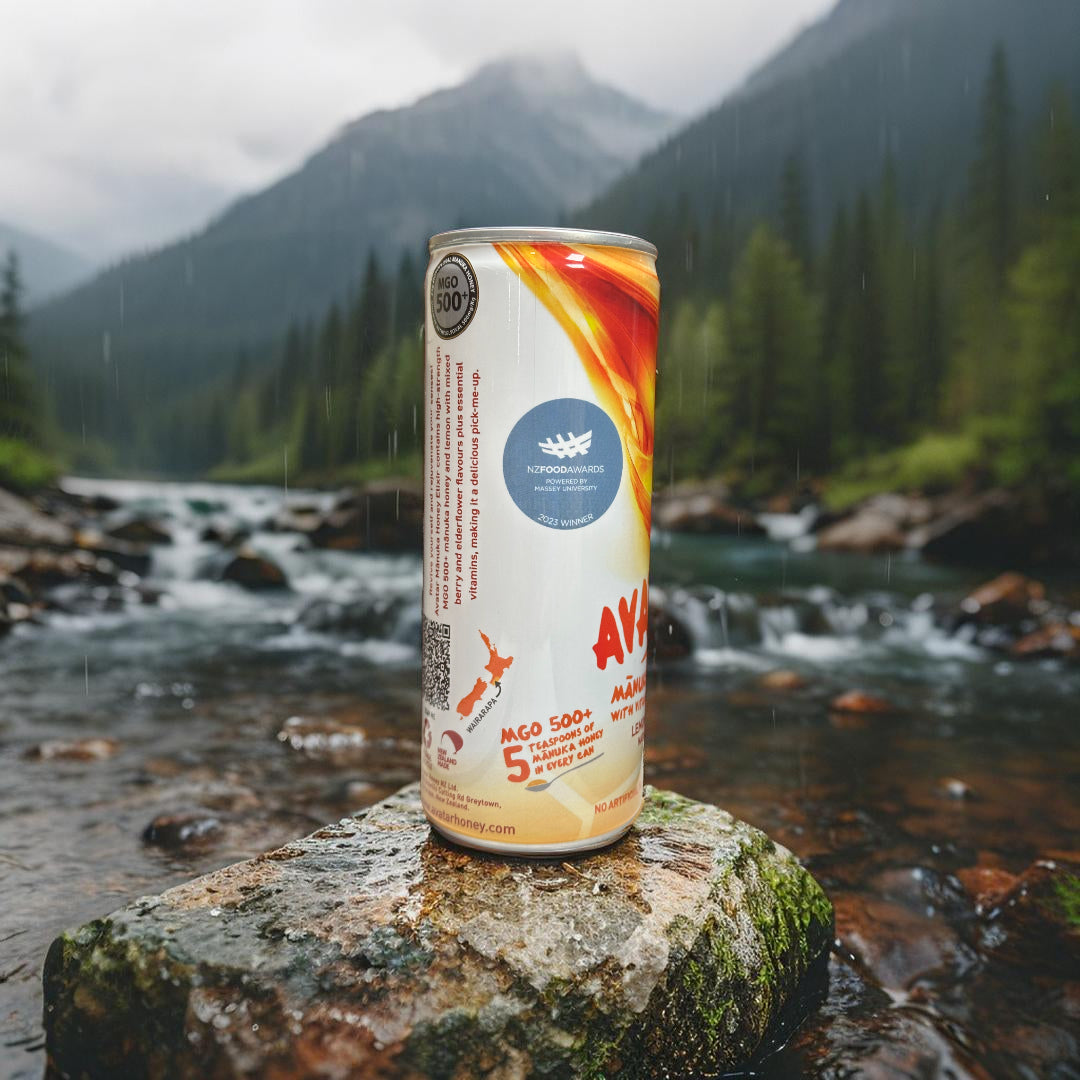



Quick answer: For marathon runners, the most useful energy drink is usually one that delivers accessible carbohydrate, supports hydration, and fits the gut during training. Research suggests honey can perform comparably to conventional sports drinks as a carbohydrate fuel source, and evidence from endurance cycling also points to anti-inflammatory and recovery-related benefits during heavy training loads. For runners who want real food nutrition in a convenient format, a honey-based ready-to-drink option can work well as a pre-run ritual when tested consistently in training.
Marathon training is not just about logging miles. It is about repeatedly fueling long runs, workouts, and recovery windows without upsetting your stomach or relying on ingredients you do not actually want. That is why the conversation around an energy drink for marathon runners training should start with physiology, not marketing.
For long-distance athletes, the central question is simple: does the drink provide usable carbohydrate at the right time, in a form the body can tolerate? Honey deserves attention here because it has a long history in endurance sport. Runner's World has covered honey as a running fuel, cyclists have used honey gels for decades, and research has examined honey as a carbohydrate source before exercise and during sustained training cycles.
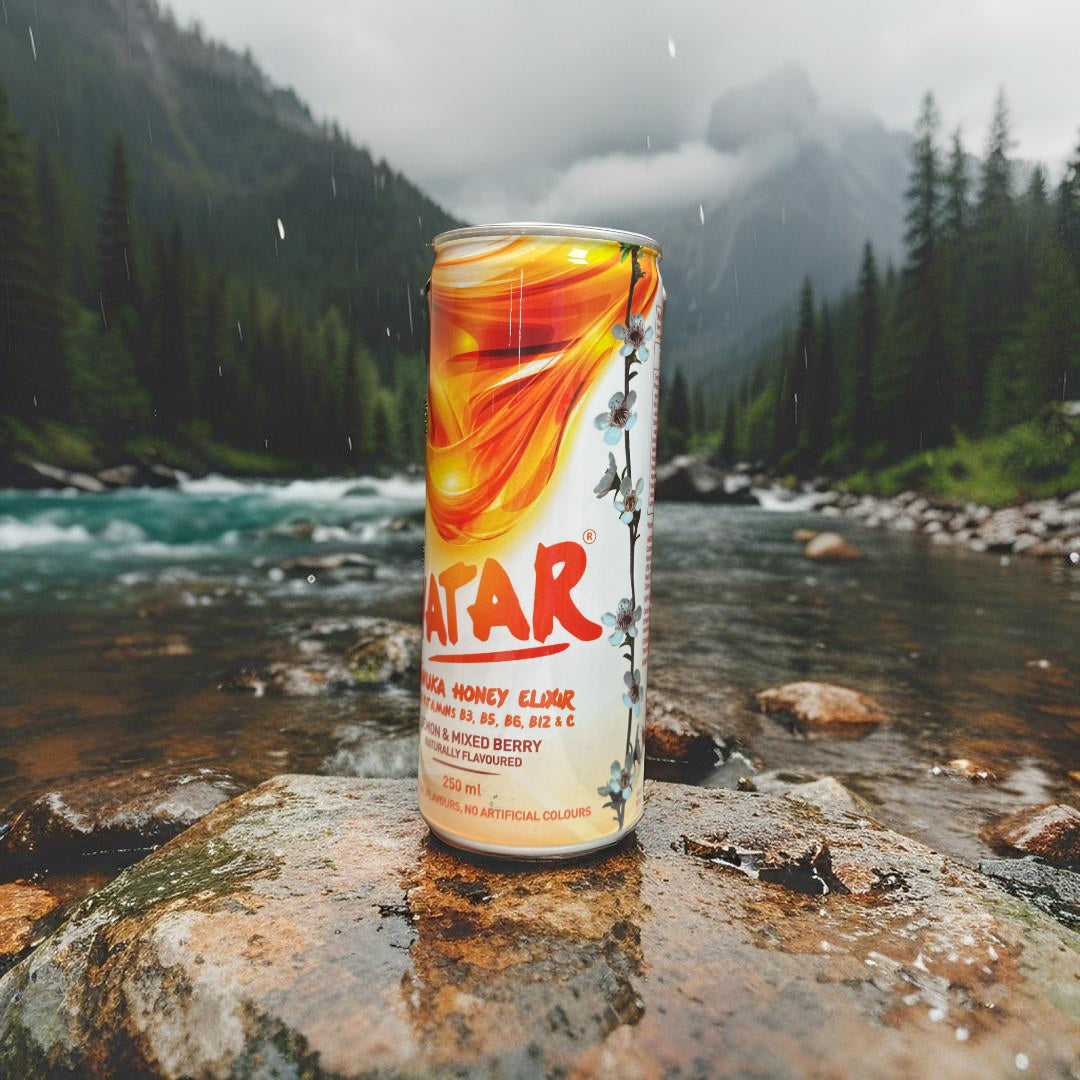
The short version is measured but useful: honey appears to be a legitimate endurance fuel option, not a fringe wellness ingredient. It provides carbohydrate for working muscles, may support steadier energy compared with skipping fuel, and has shown recovery-related benefits in endurance contexts. Avatar Elixir takes that same real food foundation and puts it into a ready-to-drink format for runners who want a practical pre-run ritual without mixing powders or carrying sticky packets.
What marathon runners actually need from an energy drink
An energy drink for marathon runners should solve a specific training problem: providing fuel before or around a run without creating avoidable digestive, hydration, or recovery issues. For endurance athletes, “energy” usually means carbohydrate availability, not just stimulation.
During marathon training, your body relies heavily on glycogen, the stored form of carbohydrate in muscle and liver. Long runs, tempo sessions, intervals, and progression runs all increase the need for accessible carbohydrate. When carbohydrate availability is low, perceived effort often rises, pacing can feel harder to control, and recovery can become more difficult across a training block.
A useful runner-focused energy drink typically supports three needs:
- Carbohydrate fuel: A source of usable energy for working muscles.
- Fluid intake: A convenient way to support hydration before or around training.
- Digestive comfort: A format that feels predictable during repeated use.
- Training consistency: A routine that can be repeated before key sessions and long runs.
This is where natural energy drinks differ from many conventional “energy” products. A marathon runner does not necessarily need a heavy stimulant hit before every session. In many cases, the more relevant question is whether the drink helps you start with fuel on board and supports the demands of the workout.
What the research says about honey as endurance fuel
Honey is a carbohydrate-rich food that can be used as endurance fuel because it contains naturally occurring sugars that the body can convert into usable energy. For marathon runners, the practical value is that honey can help supply carbohydrate before or during training without requiring a synthetic sports drink profile.
Research discussed in endurance contexts has found that honey consumed around 90 minutes before a session can provide sustained carbohydrate fuel. That timing matters because it gives the body time to digest and make carbohydrate available before the workload begins. For runners, this makes honey especially relevant before long runs, marathon-pace workouts, and demanding midweek sessions where starting under-fueled can compromise the quality of the workout.
The point is not that honey is magic. It is that honey behaves like what it is: a concentrated, real food carbohydrate source. When compared with conventional sports drink approaches, honey can be a practical fuel option because it supplies carbohydrates that endurance athletes can use during prolonged activity.
Why honey is different from simply taking sugar
Honey is often discussed as “sugar,” but that description is incomplete for athletes making fueling decisions. Honey contains a mix of natural carbohydrates, and that blend is one reason it has been explored as a sports nutrition tool rather than just a sweetener.
For marathon runners, the real question is not whether a fuel source is sweet. The question is whether it is tolerable, practical, and repeatable during training. Honey has the advantage of being familiar as food, which can make it appealing for athletes who prefer real food nutrition over lab-formulated products.
That said, honey still contributes calories and carbohydrate. It should be used intentionally, especially around training sessions where carbohydrate is useful, rather than treated as a casual wellness add-on.
Honey versus sports drinks for marathon training
Honey can perform comparably to sports drinks as a carbohydrate fuel source when the goal is supplying energy for endurance work. Conventional sports drinks are popular because they are convenient, consistent, and designed around carbohydrate delivery. Honey-based drinks can serve a similar role when they provide enough carbohydrate and are easy to tolerate.
For marathon runners, the comparison should focus less on branding and more on function. A sports drink, gel, chew, or honey-based beverage is only useful if it matches the session. A short recovery jog may not require much fueling. A long run with marathon-pace segments is a different scenario entirely.
Here is a practical way to compare the categories:
- Conventional sports drinks: Often designed for carbohydrate and electrolyte delivery, with predictable serving sizes.
- Honey gels or packets: Compact, carbohydrate-dense, and familiar to many endurance athletes.
- Honey-based ready-to-drink options: More convenient before a run, especially for athletes who dislike mixing powders or carrying sticky fuel.
- Stimulant-heavy energy drinks: May increase alertness, but do not automatically solve carbohydrate fueling needs.
The key distinction is that marathon training demands repeatable fueling, not just a quick feeling of energy. If a drink contains caffeine but little or no carbohydrate, it may affect perceived alertness without meaningfully supporting glycogen availability. If a honey-based drink provides carbohydrate and is used at the right time, it aligns more directly with the metabolic demands of distance running.
Anti-inflammatory and recovery benefits during heavy training loads
Honey has been studied not only as a fuel source, but also for its potential role in recovery during endurance training. A Frontiers in Physiology paper published in 2024 reported that over a 16-week training cycle, honey supplementation in cyclists reduced inflammatory markers and improved recovery markers.
For marathon runners, this finding is relevant but should be interpreted carefully. The study context involved cyclists, not marathoners, so it should not be overstated as a direct marathon outcome. However, cyclists and distance runners both experience repeated endurance stress, high training volume, and the need to recover between sessions. That makes the recovery signal worth paying attention to.
Heavy marathon blocks often include cumulative stress: long runs, threshold sessions, strength work, poor sleep patches, and life stress layered on top. Nutrition cannot erase that load, but it can influence how well an athlete supports adaptation. A honey-based energy drink may be useful because it combines carbohydrate support with a food that has shown recovery-related promise in endurance research.
Why inflammation matters for runners
Inflammation is part of normal training adaptation, but excessive or poorly managed inflammation can make recovery harder. Marathon runners are not trying to eliminate the training response. They are trying to recover well enough to absorb the work and arrive at the next key session prepared.
During high-mileage phases, small recovery advantages can matter because stress accumulates over weeks. A runner who repeatedly under-fuels may feel flat, struggle to hit paces, or experience more soreness than expected. Carbohydrate intake, protein intake, sleep, hydration, and overall energy availability all play larger roles than any single drink, but a well-chosen pre-run beverage can support the routine.
Honey’s potential recovery value is most interesting when viewed as part of a full training cycle. It is not a one-session fix. It is a consistent fueling choice that may complement smart programming, adequate meals, and appropriate rest.
When to use a honey-based energy drink before a run
A honey-based energy drink is most useful before sessions where carbohydrate availability matters: long runs, marathon-pace workouts, tempo runs, hill sessions, and longer midweek runs. The research-supported timing of honey around 90 minutes pre-session gives runners a practical starting point.
For many marathon runners, 90 minutes before running is also a realistic window. It is close enough to the session to feel relevant, but far enough away that the stomach has time to settle. This is especially helpful for runners who do not want a full meal before an early long run.
A simple pre-run structure may look like this:
- Use it before key sessions: Prioritize long runs, workouts, and runs over easy recovery days.
- Test it during training: Do not introduce a new drink on race morning.
- Keep the rest of breakfast consistent: Change one variable at a time so you know what works.
- Track gut comfort and energy: Note whether the drink feels stable, heavy, or too light.
- Adjust based on session length: Longer or harder runs may require additional fueling during the run.
Avatar Elixir fits this use case because it gives runners honey in a ready-to-drink format. That matters because consistency is easier when the routine is simple. If your pre-run fueling requires too many steps, it is more likely to fall apart on cold mornings, early starts, or high-volume weeks.
What to look for in an energy drink for marathon runners
The best energy drink for marathon runners is the one that supports the session without adding unnecessary complexity. Ingredients matter, but so does timing, tolerance, and how the drink fits into the rest of the day.
When evaluating a natural energy drink for marathon training, look for the following:
- A clear carbohydrate source: Honey is useful because it provides real food carbohydrate for endurance work.
- A practical serving format: Ready-to-drink options reduce friction before early runs.
- Low ingredient confusion: Runners should be able to understand what they are consuming and why.
- Digestive predictability: The drink should feel reliable across repeated sessions.
- Training-cycle usefulness: The drink should support more than a single “boost,” especially during high-load weeks.
It is also worth separating pre-run fuel from during-run fuel. A honey-based drink before a run can help you start with carbohydrate available. During a marathon-specific long run, you may still need additional fuel depending on duration, intensity, and your race-day nutrition plan.
Where caffeine fits, if at all
Caffeine can be useful for some endurance athletes, but it is not the foundation of marathon fueling. If an energy drink relies mainly on stimulation without meaningful carbohydrate, it may not address the core fuel demands of long-distance training.
Some runners tolerate caffeine well before workouts, while others experience jitters, urgency, or sleep disruption when intake is poorly timed. The most disciplined approach is to test caffeine separately from carbohydrate whenever possible. That way, you know whether the benefit comes from better fueling, more alertness, or both.
For athletes who dismiss marketing and care about outcomes, this distinction matters. A “charged” feeling is not the same thing as sustained carbohydrate support.
How to test a honey-based drink in your training block
Marathon runners should test any energy drink during training before using it in a race build or on race day. The gut is trainable, but it is also honest. If a drink does not sit well at easy pace, it is unlikely to improve under marathon effort.
Start with a session that matters but is not your most demanding workout of the cycle. A steady medium-long run or controlled marathon-pace segment is often a better test than a race simulation. Use the same pre-run timing, similar breakfast context, and similar hydration routine for several sessions before making a judgment.
A useful training log note might include:
- Timing: How long before the run you consumed the drink.
- Session type: Easy long run, tempo, progression, or marathon-pace workout.
- Gut response: Comfortable, heavy, bloated, urgent, or neutral.
- Perceived energy: Stable, flat, spiky, or fading late.
- Recovery feel: Soreness, appetite, and readiness for the next session.
This kind of tracking does not need to be complicated. The goal is to identify patterns. If a honey-based drink consistently feels good before long sessions and fits your routine, it has earned a place in your training plan.
Bottom line: honey is a credible fuel option for marathon runners
Honey is not a shortcut, and no energy drink replaces disciplined training, adequate calories, sleep, and a well-built marathon plan. But the research and endurance-sport history around honey make it a credible option for runners who want natural carbohydrate support.
For marathon runners, the strongest case for honey is practical: it provides carbohydrate fuel, has been used by endurance athletes for years, and research suggests it can support sustained fueling when consumed before exercise. Evidence from cycling also points to anti-inflammatory and recovery-related benefits during longer training cycles, which is relevant for athletes managing repeated high-load weeks.
A honey-based ready-to-drink option such as Avatar Elixir is most compelling as a pre-run ritual. It gives runners a simple way to use real food nutrition before long runs and key workouts, without turning fueling into another complicated task. The smartest approach is to test it consistently in training, pay attention to your gut and recovery, and use it where carbohydrate support actually matters.
This FAQ clarifies what to look for in a marathon training energy drink, with a specific focus on honey as a real food carbohydrate option. You will also find practical timing and gut-tolerance tips you can apply in long runs and workout days.
What makes an energy drink for marathon runners training actually effective?
An effective option delivers usable carbohydrate, supports hydration, and stays gut-friendly. For marathon runners, the best fit is usually the drink you can tolerate repeatedly in training while still hitting your fueling needs. In practice, that often means prioritizing carbohydrate first, then choosing a format and ingredient profile you can keep down during long sessions.
Why do runners use honey instead of typical sports drink carbs?
Runners use honey because it can function as a legitimate carbohydrate fuel, not just a wellness add-on. Honey has a long history in endurance sport, and it is commonly discussed as a practical running fuel, including coverage in Runner's World and long-standing use in cycling gels. For high training loads, honey is also discussed for its potential anti-inflammatory and recovery-related angles alongside its carb contribution.
How does honey compare to sports drinks for marathon fueling?
Honey can perform comparably to conventional sports drinks as a carb fuel source. The key comparison point is whether you get accessible carbohydrate at the right time in a form you can tolerate, not whether the carbs come from a powder or a real food source. If you choose honey, treat it like any other fuel: test it during training and adjust timing and amount based on how your gut responds.
How do I time a honey-based drink before a long run?
A common approach is taking honey about 90 minutes before a key session. This timing is often used to support sustained carbohydrate availability without starting the run with a heavy stomach. Keep it consistent for several sessions so you can judge how it affects energy, comfort, and pacing on similar route conditions.
What is a practical pre-run ritual drink for real food nutrition?
A ready-to-drink honey option can work well when you want convenience without powders. For runners who dislike mixing bottles or carrying sticky packets, a honey-based ready-to-drink format can simplify your pre-run routine while still centering carbohydrate fuel. The practical best practice is to test it on easier runs first, then graduate it into workouts and long runs once you trust your gut response.
How can I test gut tolerance with honey during a training cycle?
Test honey the same way you would any race-day fuel: gradually and repeatedly. Start with a small amount on an easy run, then increase only if you tolerate it well, keeping other variables stable. A simple checklist helps:
- Try it on a familiar route and intensity
- Keep pre-run meals consistent
- Note stomach comfort, energy steadiness, and bathroom urgency