


What this means for buyers:
- Check the full ingredient list, not just claims such as “natural,” “zero sugar,” or “no added sugar.”
- Look for artificial sweeteners, sugar alcohols, high-intensity plant-derived sweeteners, honey, sugar, juice, and fruit concentrates by name.
- Compare sweetness alongside caffeine per serving, serving size, flavour balance, and when you plan to drink it.
You are standing at the drinks fridge, and one can looks like the sensible choice. Its design is clean, the flavour sounds botanical, and the front label uses words such as “natural energy” or “low sugar.” Then you turn it around and find a dense ingredient list containing several unfamiliar sweeteners.
If you want an energy drink without artificial sweeteners, the front of the can is only a starting point. The ingredient list tells you what creates the sweetness, while the nutrition panel helps put that sweetness in context. Reading both makes it easier to compare conventional energy drinks, low-sugar options, honey drinks, and fruit-flavoured functional beverages without relying on marketing shortcuts.
Start with the ingredient list, not the front-label claim
An energy drink can be low in sugar and still contain sweeteners. It can also use naturally derived ingredients while delivering a very sweet flavour. These are separate questions, so it helps to assess them one at a time:
- Does it contain artificial sweeteners?
- What ingredient provides the sweetness instead?
- How much sugar is shown for the serving you will actually drink?
- Does the flavour profile suit the occasion?
Ingredient lists are generally arranged by weight, although labelling requirements and terminology vary by market. An ingredient near the beginning usually contributes more to the formula than one near the end. That does not tell you everything about sweetness, because high-intensity sweeteners can be used in small quantities, but it gives you useful context.
Also check whether the can contains one serving or multiple servings. Comparing figures per 100 millilitres can help you assess products of different sizes, while the per-serving column shows what is in the amount you expect to drink.
Know the common artificial sweetener names
Artificial sweeteners may appear under specific ingredient names rather than the broad phrase “artificial sweetener.” Common examples include:
- Sucralose
- Aspartame
- Acesulfame potassium, sometimes shortened to acesulfame K or Ace-K
- Saccharin
A product may use one sweetener or a blend. Blending can help drink makers shape sweetness and reduce the dominance of a single aftertaste. However, if your buying preference is to avoid artificial sweeteners altogether, the practical question is simply whether any of these ingredients appear on the label.
Do not assume “sugar-free” means unsweetened. Sugar-free energy drinks often use high-intensity sweeteners to create a familiar sweet profile without conventional sugar. Likewise, “low calorie” describes one aspect of the product, not the source or character of its sweetness.
Separate sugar alcohols from artificial sweeteners
Sugar alcohols are a distinct sweetener category. Depending on local regulations and the product formulation, you may see names such as:
- Erythritol
- Xylitol
- Sorbitol
- Maltitol
People sometimes group these ingredients with artificial sweeteners because they appear in reduced-sugar foods and drinks. For label-reading purposes, it is more useful to identify them separately. This gives you a clearer picture of how the drink is formulated and helps you compare it with beverages sweetened using honey, fruit ingredients, sugar, stevia, or monk fruit.
Sugar alcohols can also influence mouthfeel. Some create a cooling sensation or a slightly different finish from sugar. Your preference may depend less on the category name and more on whether you enjoy how the complete drink tastes.
Natural does not always mean lightly sweet
“Natural sweetener” is a broad description, not a reliable guide to sweetness intensity or flavour. Several very different approaches can sit under that general idea.
Honey
Honey provides sweetness along with its own aroma, flavour, and body. Its character can vary depending on the floral source and how it is used with other ingredients. In an energy drink, honey may create a rounder mouthfeel than a formula built entirely around high-intensity sweeteners.
The rest of the recipe matters. Citrus can sharpen the finish, floral ingredients can add aroma, and carbonation can keep a honey-based drink from feeling overly heavy. If honey is one reason you are interested in a product, look for the specific type of honey rather than relying on a general honey image on the front of the package.
Fruit, juice, and concentrates
Fruit-derived sweetness may come from fruit juice, juice concentrate, puree, or other fruit ingredients. These can contribute flavour as well as sweetness, but the word “fruit” does not tell you how sweet the finished drink will be.
Check the nutrition panel and ingredient order. A drink with a small amount of fruit for flavour is different from one in which juice or concentrate is a major part of the formula. Also note that “no added sugar” does not necessarily mean there are no sugars present. The drink may contain sugars originating from fruit, honey, or other ingredients.
Stevia and monk fruit
Stevia-derived sweeteners and monk fruit sweeteners are plant-derived, high-intensity options. They are not the same ingredients as artificial sweeteners such as sucralose or aspartame. However, some shoppers avoiding artificial sweeteners also prefer to avoid any high-intensity sweetener, particularly when they want a less sweet taste or a different finish.
If that distinction matters to you, look beyond a simple “naturally sweetened” statement. The ingredient list should clarify whether the sweetness comes from honey, fruit, sugar, stevia, monk fruit, or a blend.
Use flavour and aftertaste as buying criteria
The best label choice is not only about finding or avoiding one ingredient. It is also about choosing a drink you will enjoy in the setting where you intend to serve it.
High-intensity sweeteners can create strong sweetness with small ingredient quantities. Depending on the overall formula, that sweetness may linger after the citrus, berry, or botanical flavour has faded. Sugar, honey, and fruit-derived ingredients generally contribute more body, although the result can feel heavier if acidity and carbonation are not well balanced.
When comparing energy drinks without artificial sweeteners, consider these sensory cues:
- Sweetness level: Does the drink sound crisp and restrained, or closer to a conventional sweet energy drink?
- Acidity: Lemon and other citrus ingredients can provide brightness and contrast.
- Aroma: Elderflower, herbs, and botanicals can make a drink feel more layered without adding more sweetness.
- Carbonation: Light carbonation often feels gentler, while stronger carbonation can make a drink seem sharper.
- Finish: Consider whether you prefer a clean citrus finish, lingering sweetness, honeyed depth, or a dry botanical character.
A can intended for a long work session may call for a different flavour balance from one served with lunch, poured over ice, or used as a mixer. Serving context helps you choose beyond a simple “natural versus artificial” comparison.
Check the complete energy drink formula
Sweetener choice is important, but it should not distract from the rest of the label. An energy drink is still a caffeinated beverage, so check the caffeine quantity and whether it is stated per serving or per can. Terms such as “clean caffeine” can describe a product’s positioning, but the actual caffeine declaration is more useful for comparison.
You can also scan for flavourings, colours, acids, preservatives, vitamins, and botanical ingredients. A long ingredient list is not automatically unsuitable, and a short one is not automatically better. The goal is to understand what each prominent ingredient contributes and whether the overall formula aligns with your preferences.
For example, added B vitamins or vitamin C do not identify the sweetener type. A drink can contain vitamins and still use artificial sweeteners. Assess these label features separately rather than treating one positive-sounding ingredient as proof of the entire formula.
An ingredient-led example: Avatar Elixir
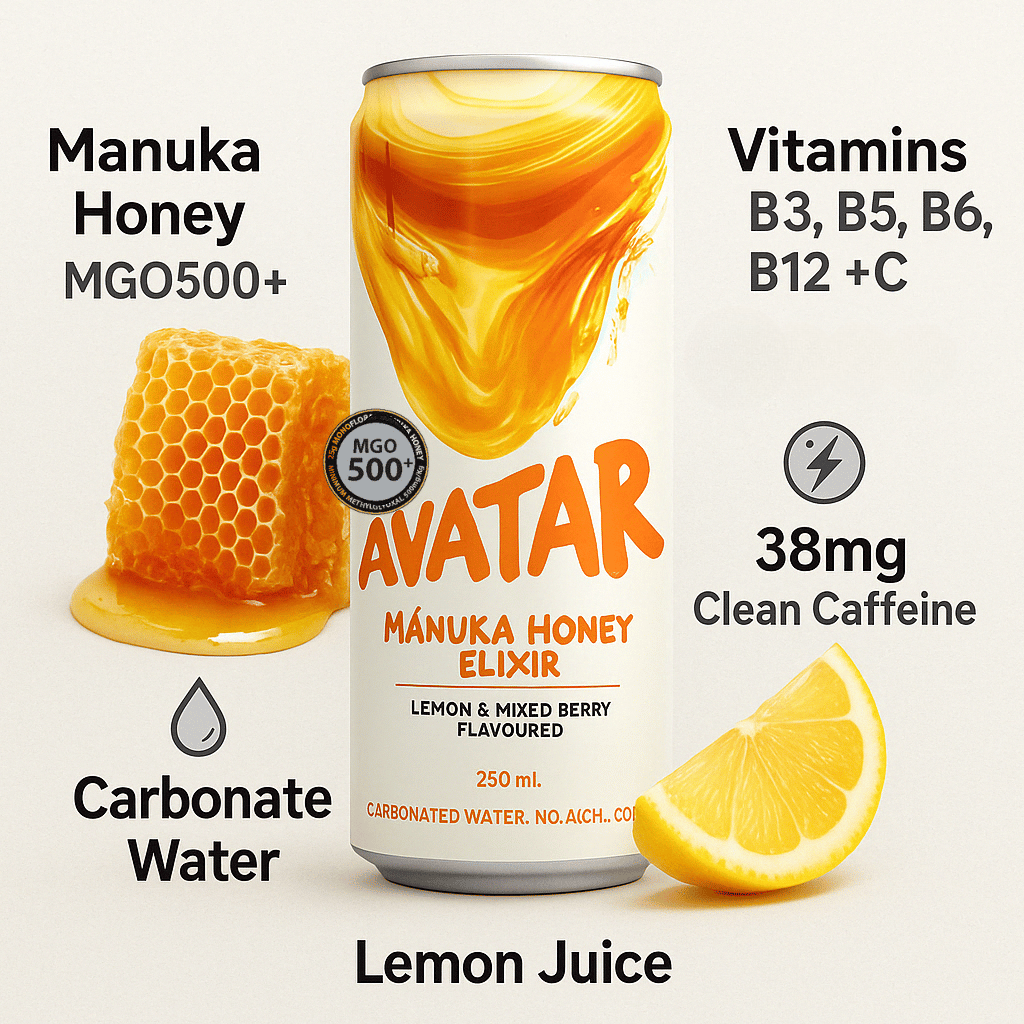
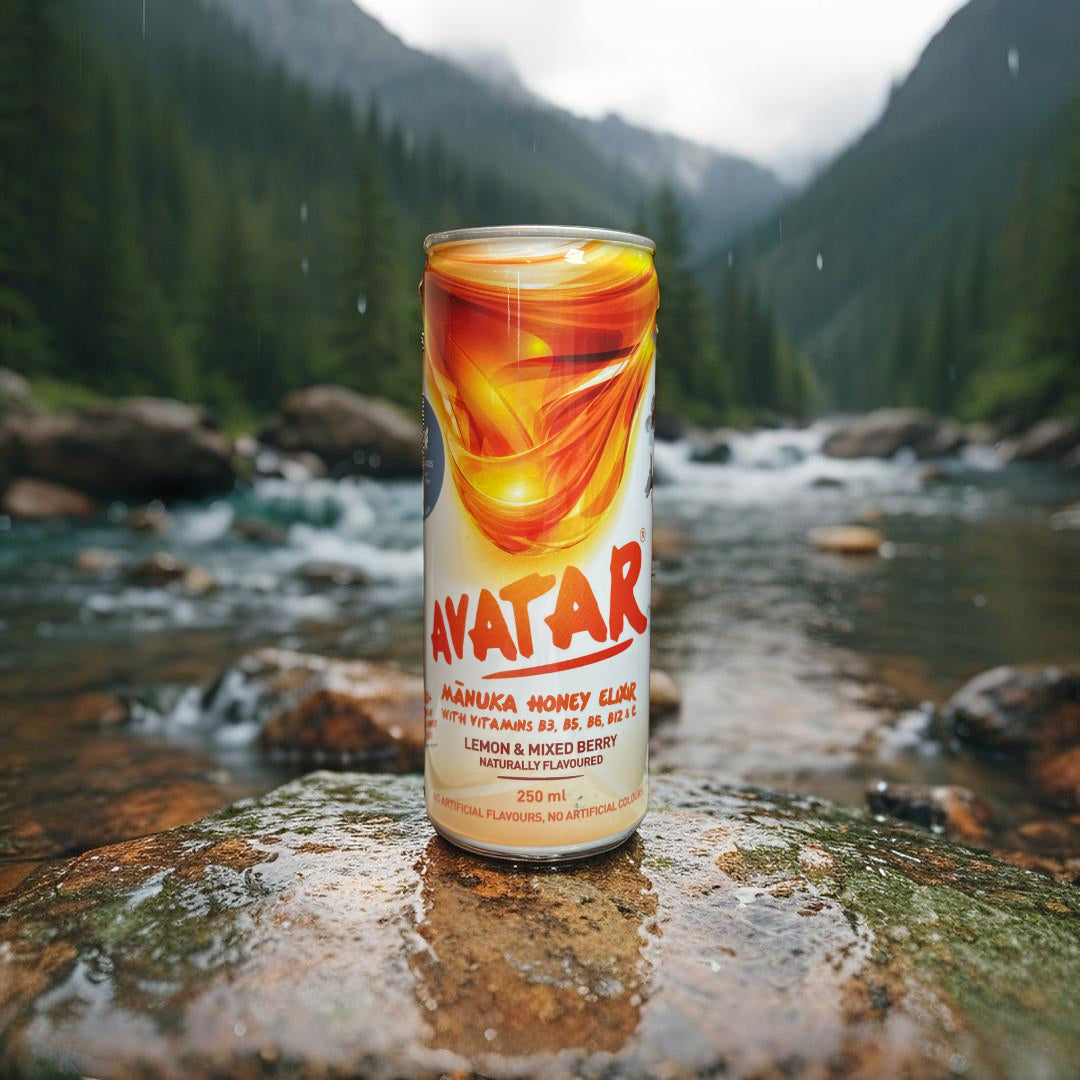
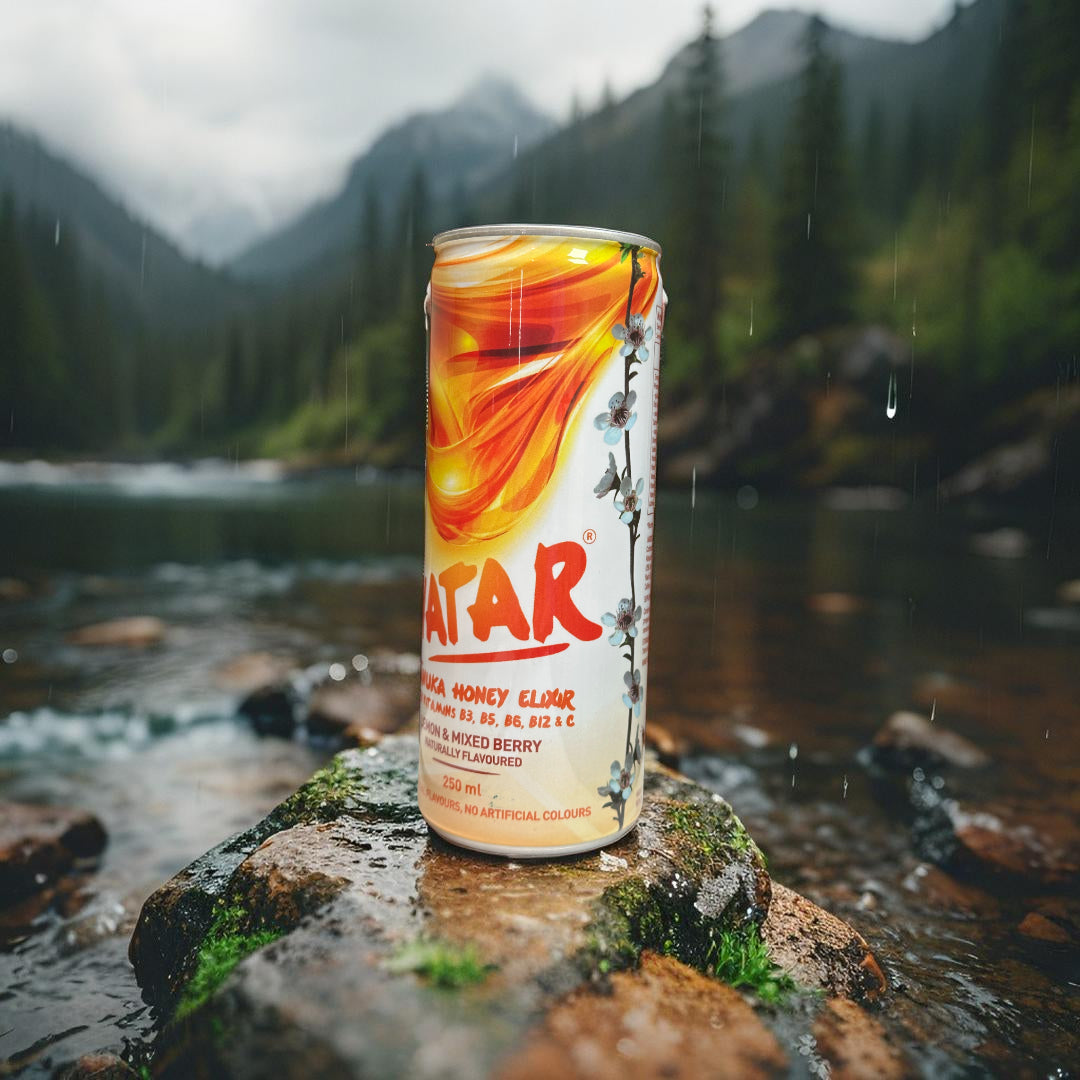
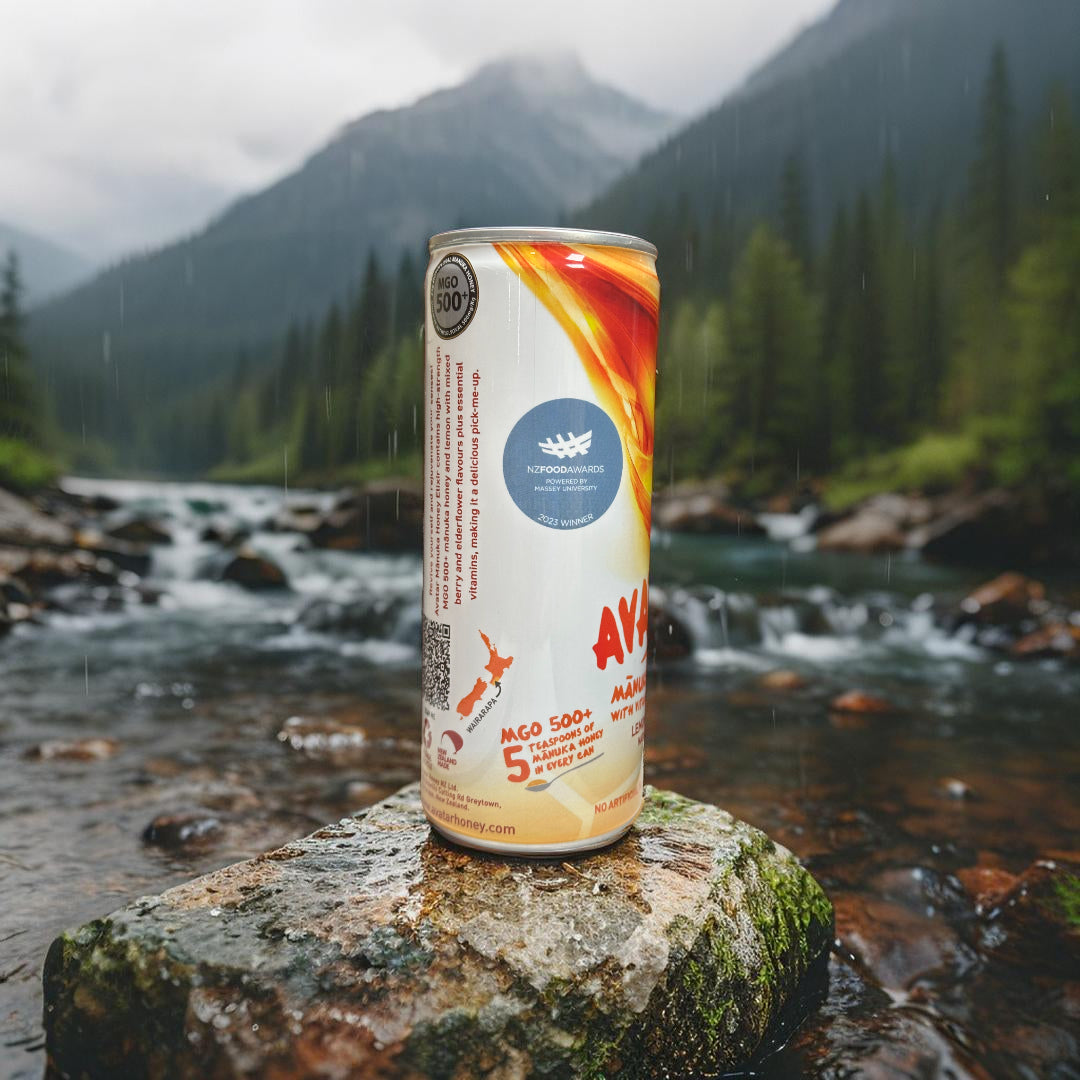
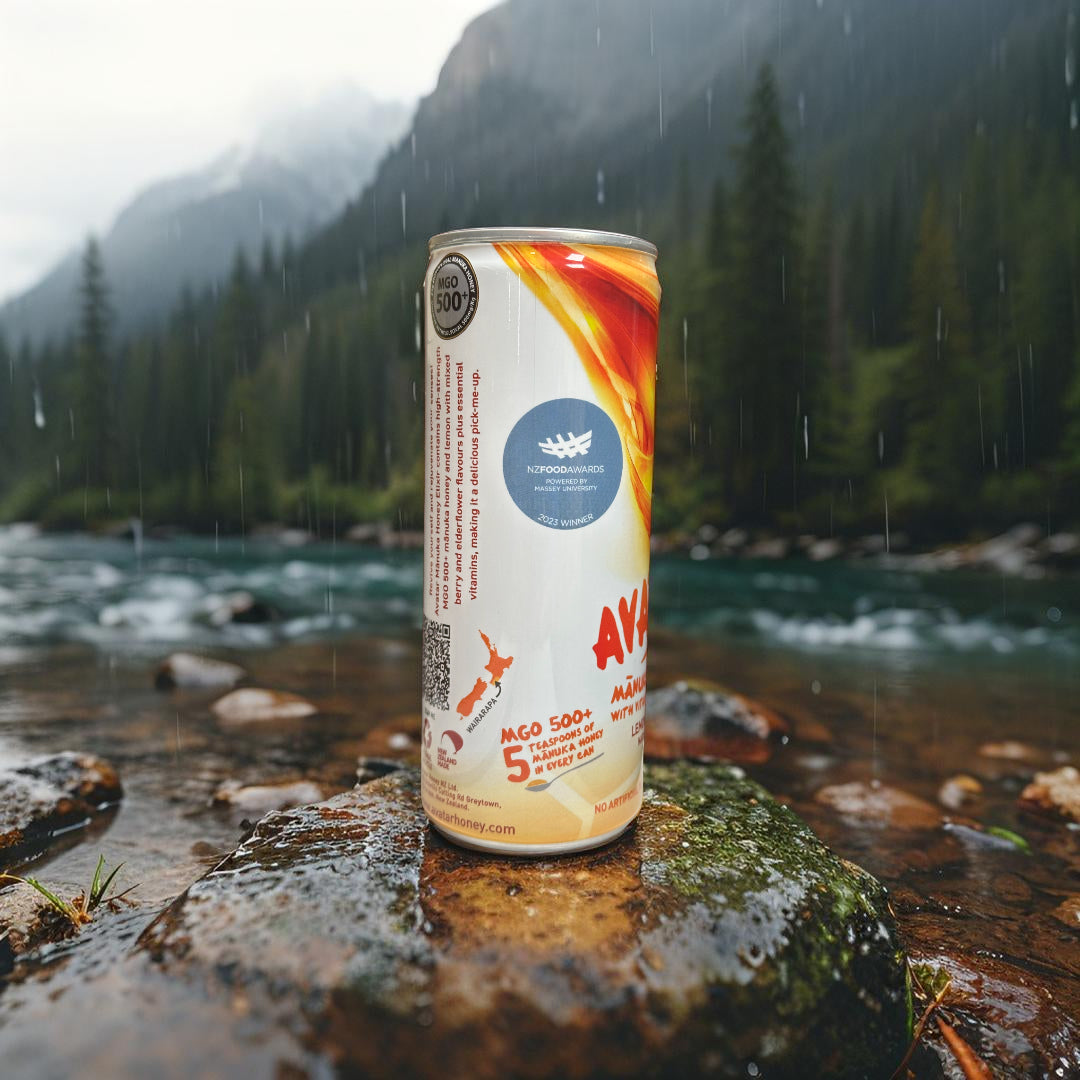
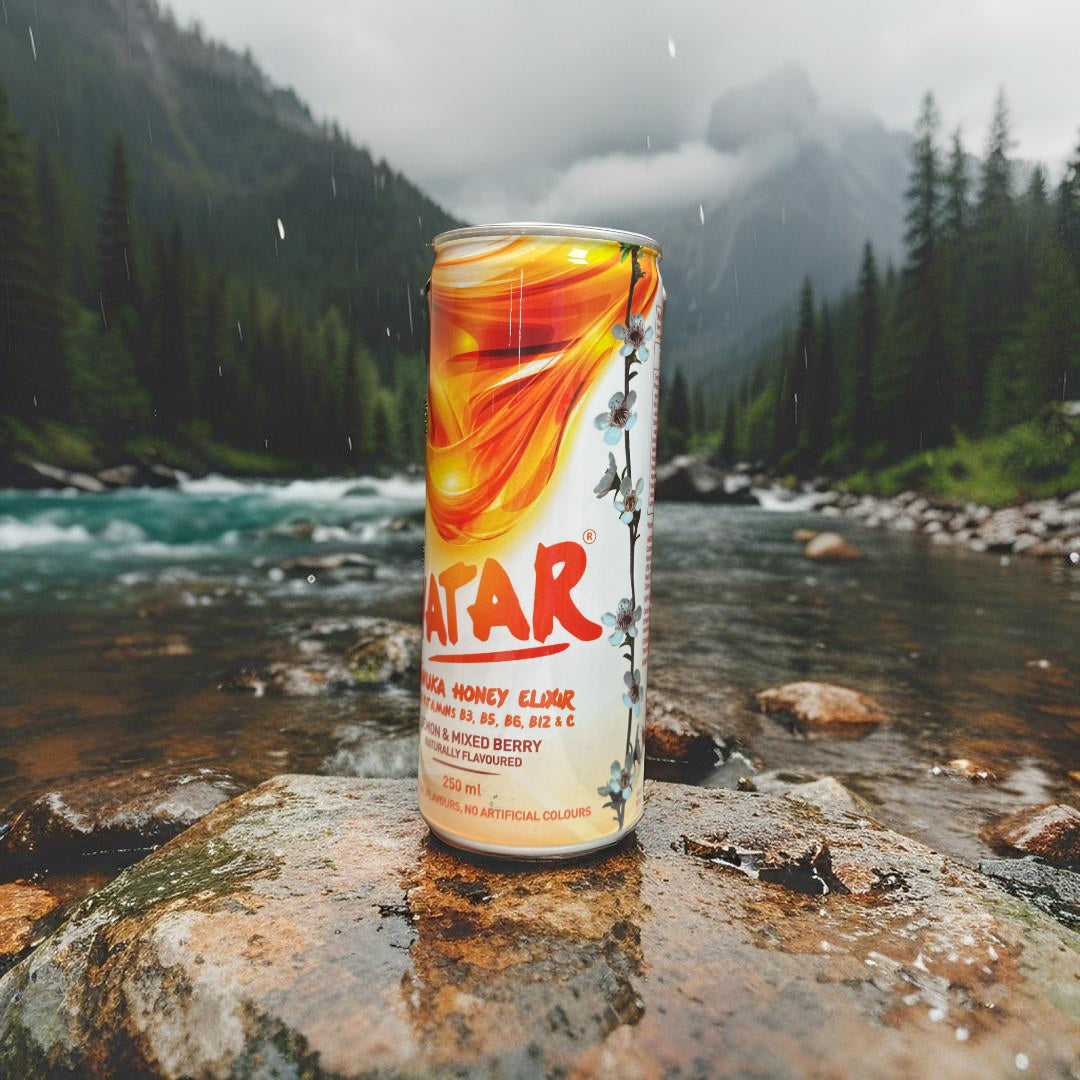
Avatar Elixir offers a useful example of how sweetness can sit within a broader flavour design. Made in New Zealand by Avatar Honey, it combines certified MGO500+ Manuka honey with lemon, elderflower, B vitamins, vitamin C, clean caffeine, and lightly carbonated water.
The Manuka honey is not presented in isolation. Lemon brings citrus brightness, elderflower adds a floral note, and light carbonation helps shape a fresher drinking experience. That combination gives adults a more specific basis for comparison than a vague “natural energy” claim.
If you are considering Avatar Elixir or any other honey-based energy drink, review the current can label for its complete ingredient list, caffeine content, serving size, and nutrition information. Product details on the package are the most relevant reference for the particular can and market you are buying.
A practical label checklist for the drinks fridge
Use this checklist when comparing an energy drink without artificial sweeteners:
- Turn the can around. Treat front-label language as an introduction, not the full answer.
- Scan for named artificial sweeteners. Look for sucralose, aspartame, acesulfame potassium, and saccharin.
- Identify other sweetener categories. Note sugar alcohols, stevia, monk fruit, honey, sugar, juice, and fruit concentrates.
- Read the ingredients in order. This can indicate which components make up more of the formula, subject to local labelling rules.
- Check sugars in the nutrition panel. Compare the figures using the same volume or your expected serving.
- Confirm the serving size. Determine whether the whole can is treated as one serving.
- Check caffeine per serving and per can. Do not rely only on phrases such as “natural energy” or “clean energy.”
- Consider flavour construction. Look for acidity, botanicals, carbonation, and ingredients that may influence mouthfeel or aftertaste.
- Match the drink to the occasion. A lightly carbonated citrus drink may suit work, travel, lunch, or mixing differently from a very sweet conventional energy drink.
Choose based on clarity, not shortcuts
An energy drink without artificial sweeteners is not defined by one universal flavour or formula. It might be sweetened with honey, fruit-derived ingredients, sugar, stevia, monk fruit, or a combination. Each approach creates different expectations around sweetness, body, aroma, and finish.
The most reliable buying method is to identify the sweeteners by name, check the nutrition panel, confirm the serving and caffeine information, and consider how the full ingredient combination is likely to taste. That process lets you choose according to your actual preferences, rather than assuming that “natural,” “low sugar,” and “sugar-free” all mean the same thing.
These follow-up points help you refine your sweetener preferences and assess ingredient-led energy drinks for different occasions.
What if I also want to avoid stevia and monk fruit?
Check for stevia and monk fruit by name, even when a drink is labelled as naturally sweetened. These are plant-derived, high-intensity sweeteners rather than artificial sweeteners such as sucralose or aspartame. Identifying them separately helps you choose a drink sweetened with ingredients such as honey, fruit, or sugar instead.
How should I compare honey and fruit-derived sweetness?
Compare the complete flavour design rather than treating one source as automatically better. Honey can add aroma, body, and a rounded character, while juice or fruit concentrate can contribute both sweetness and fruit flavour. Ingredient order, sugars per serving, acidity, carbonation, and expected aftertaste will give you a clearer idea of how the finished drink may taste.
Does sweetener choice indicate how much caffeine a drink contains?
No, sweetener type and caffeine content are separate parts of the formula. A drink without artificial sweeteners can still contain caffeine, so check the declared amount per serving and per can. This is especially important when comparing cans of different sizes or products that list more than one serving per container.
Who might prefer Avatar Elixir's honey, citrus, and floral profile?
Avatar Elixir may suit adults looking for an ingredient-led alternative to a conventional sweet energy drink. Its certified MGO500+ Manuka honey is paired with lemon, elderflower, and lightly carbonated water, creating a honeyed, citrus, and floral profile that can suit work, travel, lunch, social serving, or mixing. Check the current can label if you are avoiding a particular sweetener.