


Quick answer: An energy drink without aspartame is not automatically simple, unsweetened, or better for every person. The label tells you which sweetener system is used, how sweetness is balanced with acidity and flavour, what type of caffeine is included, and whether the formula relies on sugar, honey, botanicals, sugar alcohols, or other low-calorie sweeteners.
You pick up a can from the fridge, turn it around, and the ingredient list reads like a small chemistry lesson. Aspartame, sucralose, acesulfame potassium, steviol glycosides, erythritol, natural flavours, citric acid, caffeine, vitamins. If you are trying to choose an energy drink without aspartame, the first challenge is knowing what you are actually looking at.
This guide is a practical label-reading article for adults comparing energy drinks, wellness sodas, functional beverages, and more ingredient-led options. It covers where aspartame may appear, how it differs from other sweeteners, how sugar alcohols fit into the picture, and how cleaner energy drink formulas can use honey, citrus, botanicals, and carbonation to create a more balanced flavour.
The goal is not to scare you away from one ingredient or tell you that one sweetener is universally right or wrong. A better approach is to read the full formula, understand the role each ingredient plays, and choose the drink that suits your taste, caffeine preferences, and everyday routine.
What Aspartame Means on an Energy Drink Label
Aspartame is a high-intensity sweetener used to provide sweetness with little or no sugar contribution. In energy drinks, it is most commonly associated with diet, low-calorie, or zero-sugar style formulas, although not every zero-sugar drink uses it.
On a label, aspartame usually appears in the ingredient list by name. In some labelling systems, it may also appear with a sweetener code, such as E951. Some products may include a statement about phenylalanine, depending on local labelling rules and the market where the drink is sold.
The key point is simple: if you are looking for energy drinks without aspartame, do not rely only on the front of the can. Words like zero sugar, diet, light, low calorie, or no added sugar do not automatically tell you which sweetener has been used. The ingredient list is where the answer usually sits.
How to Identify Aspartame When Sweetener Names Look Similar
Aspartame is usually easy to identify once you know the names and label cues to check. The challenge is that energy drink labels often include several unfamiliar sweeteners, acidity regulators, flavour compounds, and vitamin names in the same small space.
When reading a can, look for these common aspartame cues:
- Aspartame, listed directly in the ingredients.
- Sweetener: aspartame, often used in clearer ingredient formatting.
- E951, used in some markets as a food additive code.
- Contains a source of phenylalanine, a label statement that may appear when aspartame is present.
It is also useful to know what aspartame is not. It is not the same as sucralose, stevia, monk fruit, erythritol, or acesulfame potassium. These ingredients may appear in energy drinks without aspartame, but they each behave differently in flavour, sweetness level, mouthfeel, and aftertaste.
Where Aspartame May Appear
Aspartame is most likely to appear in drinks designed to taste sweet while keeping sugar low. That can include diet soft drinks, low-calorie mixers, flavoured sparkling drinks, powdered drink mixes, and some energy drinks.
Energy drinks have become more varied, so there is no single sweetener pattern across the category. Some use aspartame. Some use sucralose and acesulfame potassium. Some use stevia or monk fruit. Others use sugar, fruit juice, honey, or a blend of sweetening ingredients to create a fuller flavour profile.
If you are avoiding aspartame specifically, the most reliable habit is to read the ingredient list every time, even if you recognise the brand. Different flavours within the same range can sometimes use different sweetener systems.
Aspartame-Free Does Not Mean Sweetener-Free
An aspartame-free energy drink may still contain other sweeteners. This is one of the most important distinctions for label reading. Removing one ingredient does not tell you how the rest of the formula is built.
Common sweetener systems in energy drinks without aspartame may include:
- Sucralose: A high-intensity sweetener often used in zero-sugar energy drinks because it delivers strong sweetness without adding sugar.
- Acesulfame potassium: Often called Ace-K, this is commonly blended with other sweeteners to round out sweetness.
- Steviol glycosides: Sweet compounds derived from the stevia plant, often used in more naturally positioned low-sugar drinks.
- Monk fruit extract: A plant-derived sweetener used in some reduced-sugar beverages.
- Sugar: Often listed as cane sugar, sugar, sucrose, or similar terms, depending on the product.
- Fruit juice or fruit juice concentrate: Used for sweetness, flavour, or both.
- Honey: Used in some premium or more ingredient-led drinks to bring sweetness, aroma, and body.
For a shopper, the practical question is not only does this contain aspartame? It is also what replaces it, and do I like how that choice affects flavour, sweetness, and the overall drink?
How Sugar Alcohols Differ From Aspartame
Sugar alcohols are a separate category of sweetening ingredients, and they are not the same as aspartame. They are often used in reduced-sugar foods and drinks because they can contribute sweetness and body, not just a strong sweet taste.
Common sugar alcohols include:
- Erythritol
- Xylitol
- Sorbitol
- Maltitol
Despite the name, sugar alcohols are not alcoholic drinks ingredients. They are a type of carbohydrate used for sweetness and texture. In beverages, erythritol is one of the more commonly seen options because it can help create a lighter sweetness profile and a more rounded mouthfeel than some high-intensity sweeteners used alone.
Sugar alcohols can also affect the way a drink finishes on the palate. Some people notice a cooling sensation, a slightly different mouthfeel, or a sweetness that fades differently from sugar or honey. Personal preference matters, especially if you are choosing a drink for regular work, study, travel, or afternoon energy.
Why the Full Formula Matters More Than One Ingredient
A good energy drink label should be read as a complete formula, not as a single-ingredient test. Aspartame is one part of the label conversation, but the rest of the can tells you just as much about how the drink is likely to taste and feel.
When comparing energy drinks without aspartame, check these parts of the label:
- Caffeine source and amount: Look for how caffeine is listed and whether the amount is clear per can or per serving.
- Serving size: A can may contain one serving or more than one serving, which changes how you interpret caffeine and sweetness.
- Sweetener system: Identify whether the drink uses sugar, honey, stevia, sucralose, monk fruit, sugar alcohols, or a blend.
- Flavour base: Citrus, berry, tropical, botanical, herbal, or cola-style flavours all need different levels of sweetness and acidity.
- Acids and carbonation: Ingredients like citric acid and sparkling water shape sharpness, freshness, and finish.
- Added vitamins: B vitamins and vitamin C are common in functional beverages, but they do not tell you whether the drink is well balanced.
- Colours and flavours: Check whether the drink uses natural flavours, artificial flavours, colours, or botanical extracts.
This wider view helps you compare drinks more fairly. A can can be aspartame-free and still taste overly sweet to you. Another can may use a small amount of real sweetener with citrus and carbonation to create a cleaner, fresher finish. The label gives you clues before you open it.
How Flavour Is Balanced Without Aspartame
Energy drinks without aspartame still need balance, because caffeine, acids, vitamins, and carbonation can all influence flavour. Sweetness is only one part of the drinking experience.
Caffeine can taste bitter. Citric acid can taste sharp. B vitamins can bring their own background notes. Carbonation lifts aroma and freshness, but it can also make acidity feel brighter. A good beverage formula brings these elements together so the drink tastes complete rather than thin, harsh, or overly sweet.
There are several ways brands may build flavour without aspartame:
- Citrus: Lemon, lime, grapefruit, and orange can make sweetness feel fresher and more refreshing.
- Botanicals: Elderflower, herbs, and floral notes can add aroma and complexity without relying only on sweetness.
- Honey: Honey can bring sweetness, body, and natural aromatic depth, depending on the style used.
- Fruit flavours: Berry, apple, tropical, and stone fruit notes can help soften acidity and caffeine bitterness.
- Light carbonation: A gentle sparkle can make a drink feel crisp without needing an aggressive sweetness hit.
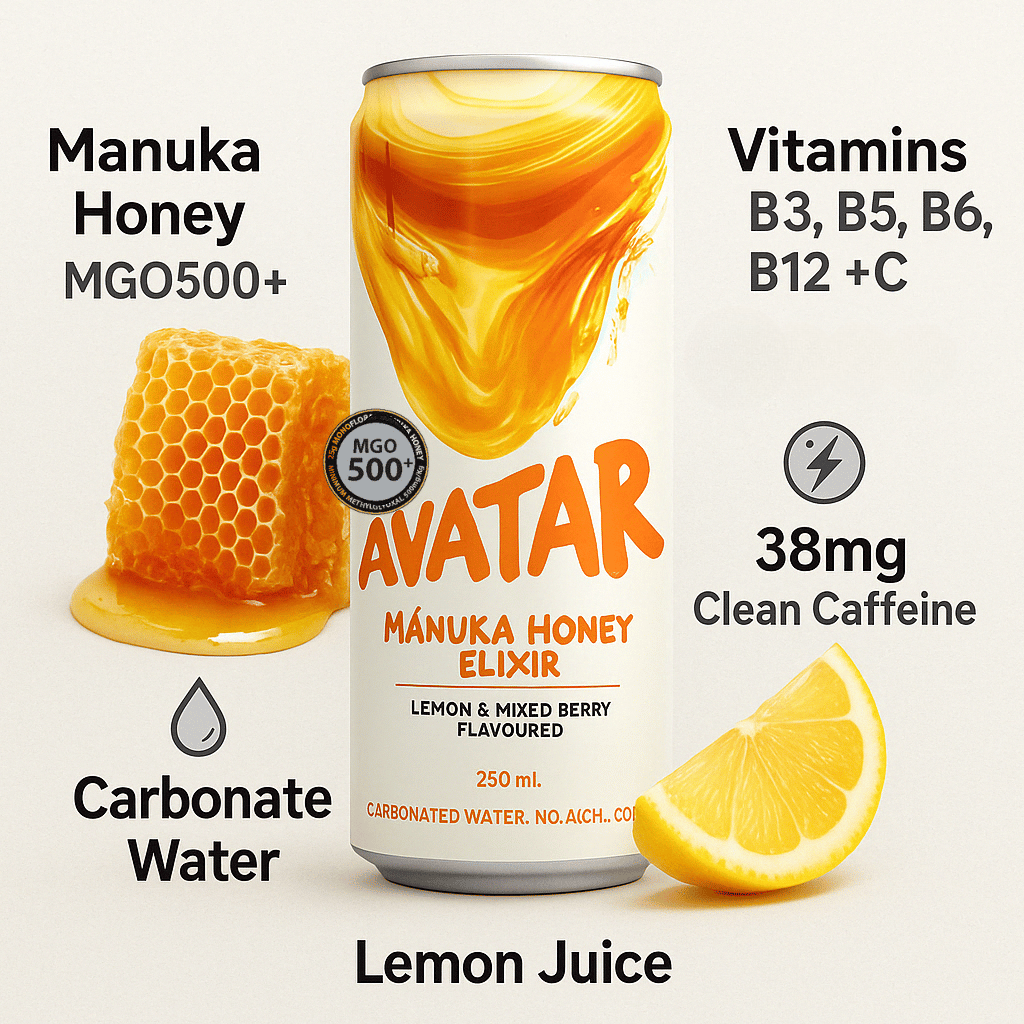
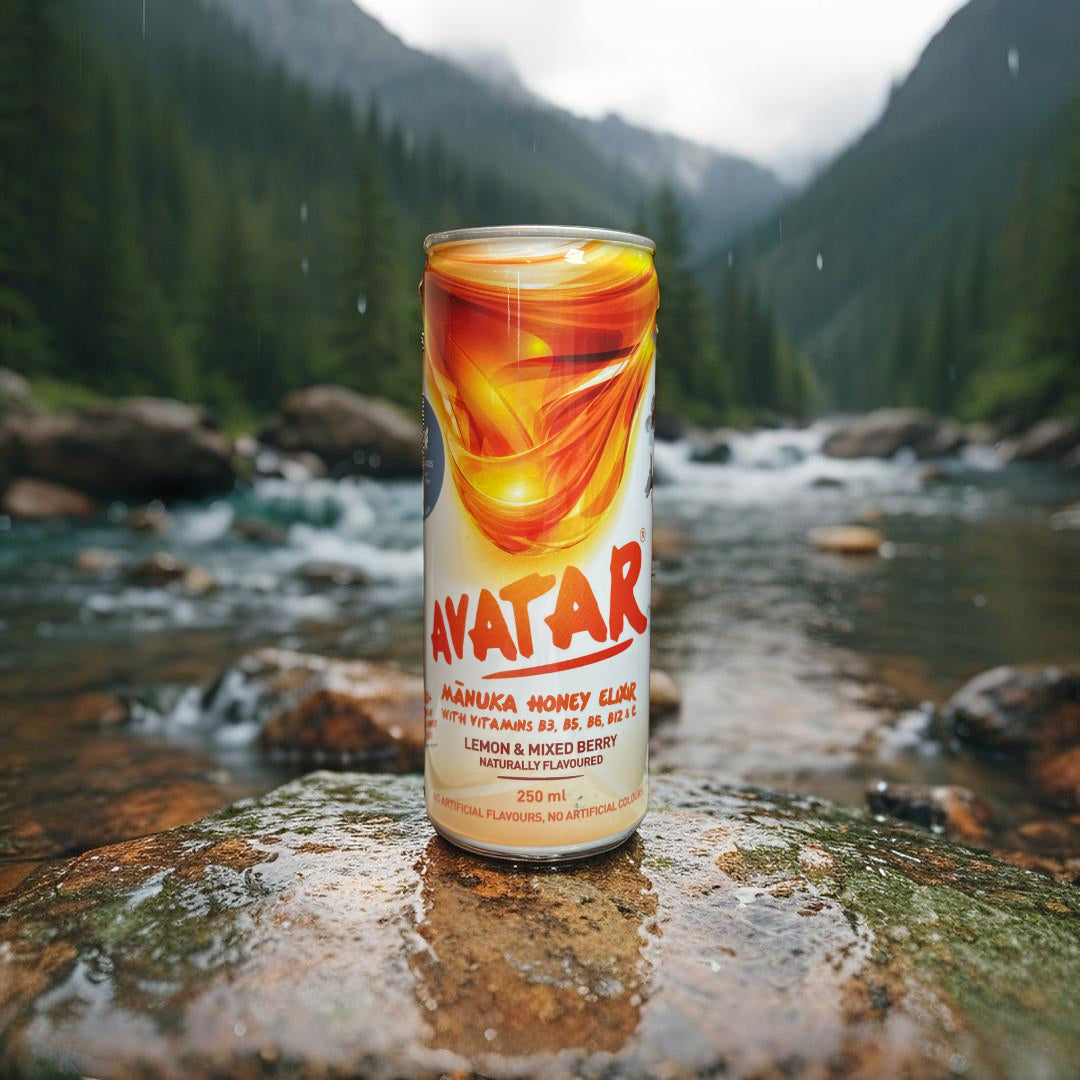
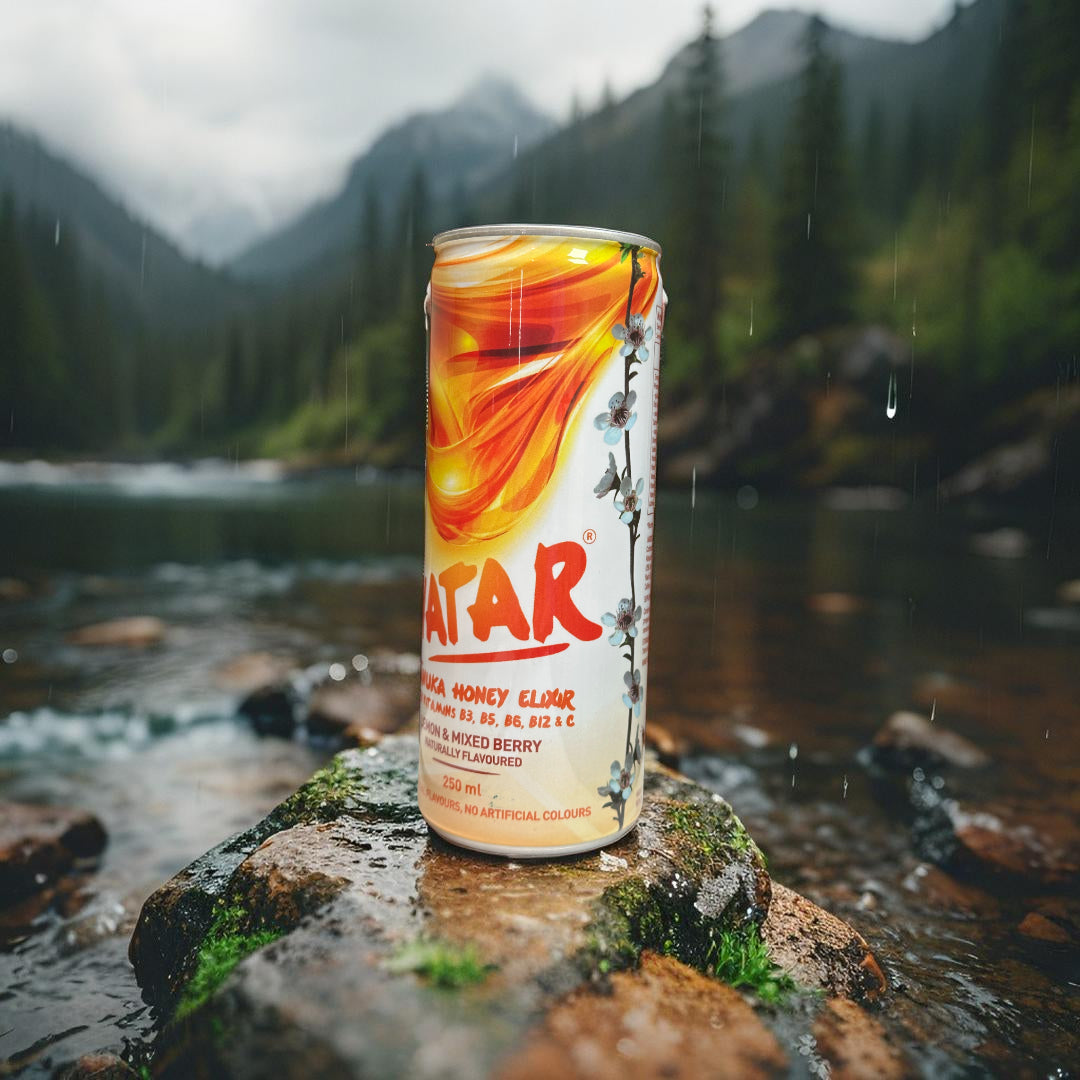
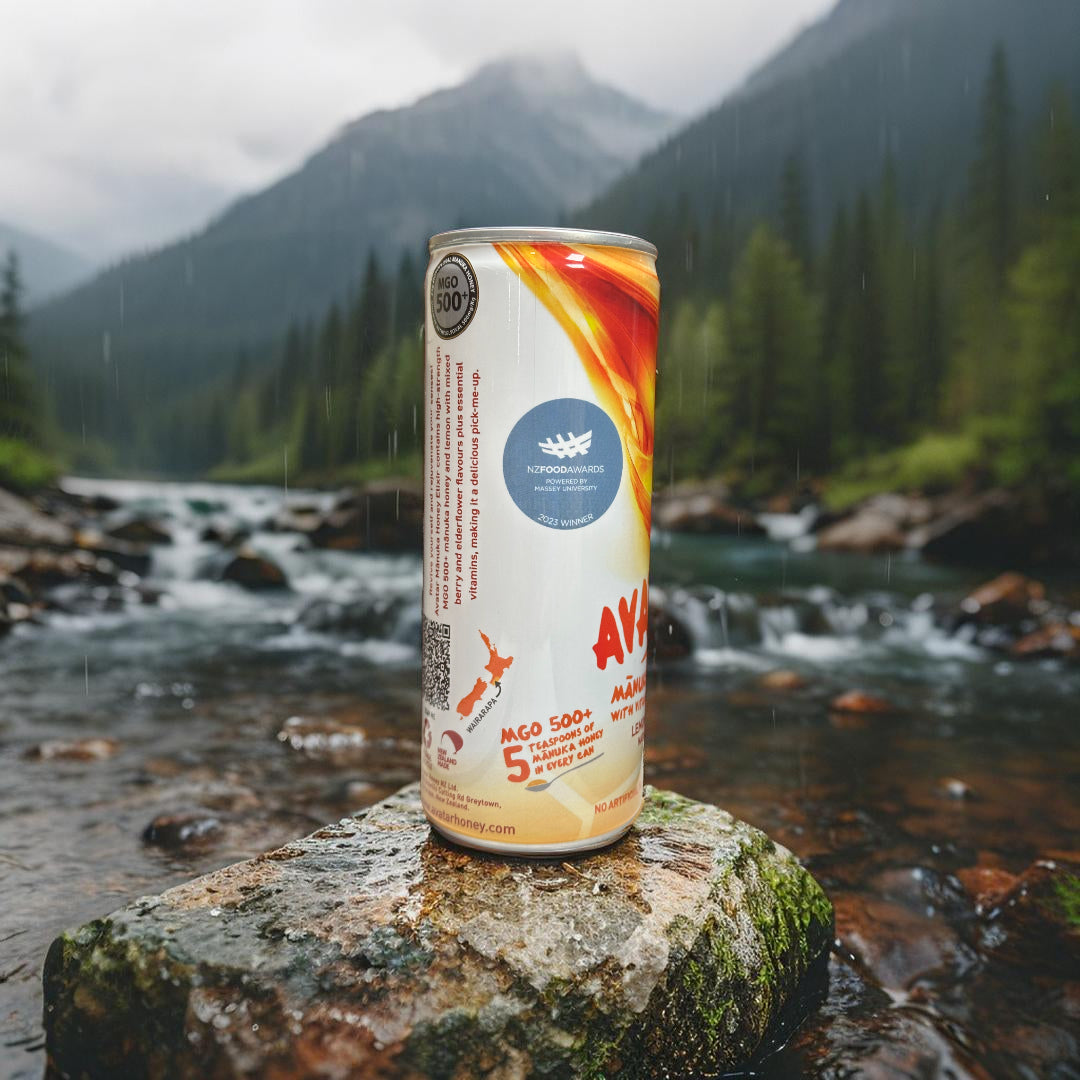
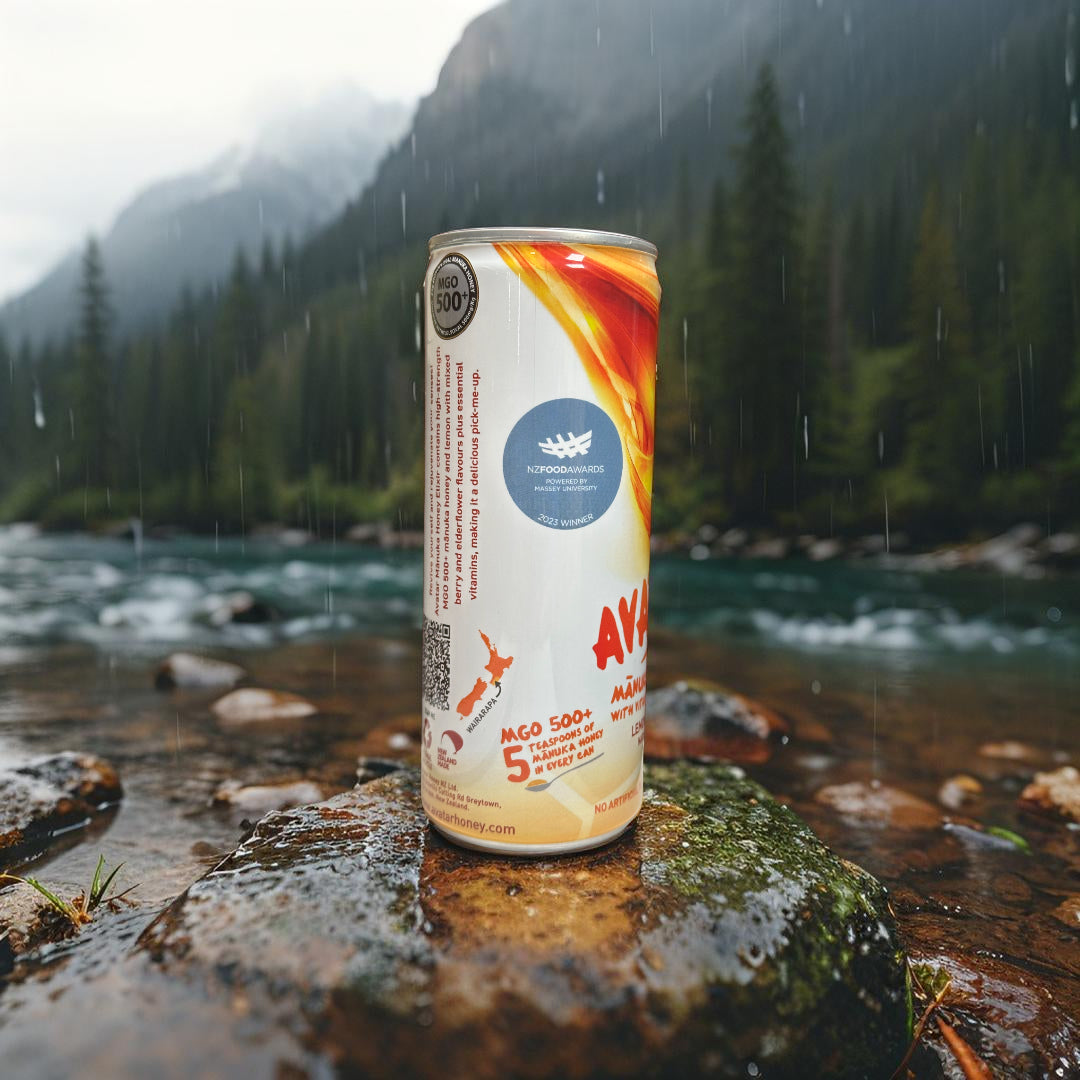
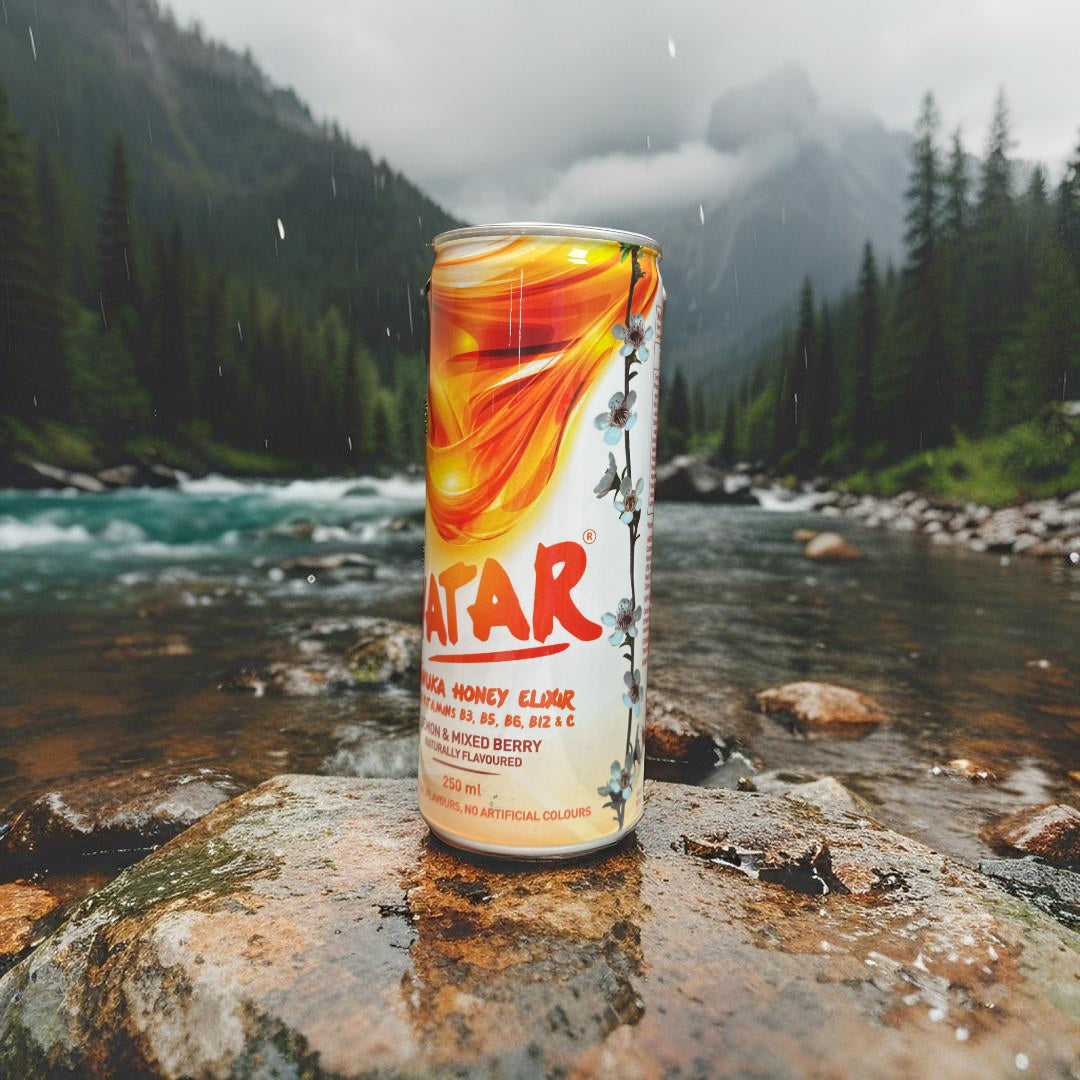
This is where a more ingredient-led drink can stand apart. Avatar Elixir, for example, is built around certified MGO500+ Manuka honey, lemon, elderflower, B vitamins, vitamin C, clean caffeine, and lightly carbonated water. Rather than leaning on a typical diet-style sweetener profile, it uses honey, citrus, and botanicals to create a premium New Zealand energy drink with a rounded, refreshing character.
What “Cleaner” Means When Comparing Energy Drink Labels
“Cleaner” is not a single regulated label promise, so it is best treated as a personal checklist. For some people, a cleaner energy drink means no aspartame. For others, it means fewer artificial flavours, a more recognisable sweetener, clear caffeine information, or a taste profile that feels less syrupy.
When comparing cleaner energy drink formulas, define what matters most to you. That might include:
- No aspartame listed in the ingredients.
- A sweetener you recognise, such as honey, cane sugar, stevia, or monk fruit.
- Clear caffeine labelling, so you know what you are choosing.
- Balanced flavour, especially if you prefer citrus, botanical, or lightly sparkling drinks.
- No artificial flavours, if that is one of your personal priorities.
- A drink occasion that makes sense, such as work, study, long drives, social sipping, or a premium mixer.
This approach keeps the decision practical. Instead of treating one ingredient as the whole story, you are looking at how the drink is put together and whether it fits the way you actually drink energy beverages.
A Practical Label-Reading Checklist for Aspartame-Free Energy Drinks
The easiest way to shop for energy drinks without aspartame is to follow the same label-reading order each time. This turns a crowded can into a simple comparison.
- Start with the ingredient list. Look specifically for aspartame, sweetener aspartame, E951, or a phenylalanine statement.
- Identify the sweetener system. Check whether the drink uses sucralose, Ace-K, stevia, monk fruit, sugar alcohols, sugar, honey, fruit juice, or a blend.
- Check the caffeine information. Look for the caffeine amount per can or per serving, and note whether the can contains more than one serving.
- Read the flavour cues. Citrus, botanicals, honey, berry, tropical fruit, and cola-style flavours all suggest different sweetness and acidity profiles.
- Look at the overall ingredient style. Decide whether the formula feels like a fit for your preferences, not just whether it avoids one ingredient.
- Consider the occasion. A drink for a late afternoon work session, a long drive, or a social mixer may call for different sweetness, caffeine, and flavour choices.
This checklist is especially useful when two cans make similar front-label claims. Both may be zero sugar. Both may be marketed as functional. Both may contain caffeine and vitamins. The ingredient list reveals how they are actually built.
Common Label Scenarios and What They Usually Mean
Most energy drink labels fall into a few familiar sweetener patterns. Recognising these patterns can help you compare cans faster without oversimplifying the decision.
Zero Sugar With Sucralose and Ace-K
This is a common low-calorie energy drink style. The drink may be aspartame-free, but it still uses high-intensity sweeteners. Some people like the strong sweetness and clean finish, while others notice an aftertaste. The label may feel more technical because these sweeteners are usually listed alongside acids, flavours, caffeine, and vitamins.
Reduced Sugar With Stevia or Monk Fruit
Some drinks use plant-derived sweeteners to reduce sugar while keeping sweetness high. These can be appealing if you are trying to move away from aspartame, but flavour still varies widely. Stevia and monk fruit can bring distinct finish notes, so citrus, botanicals, and fruit flavours are often used to balance the profile.
Low Sugar With Sugar Alcohols
A drink with erythritol or another sugar alcohol may aim for sweetness plus mouthfeel. These ingredients are different from aspartame and can change the texture and finish of the drink. If you see a sugar alcohol on the label, read the rest of the formula to see what it is paired with.
Sweetened With Sugar, Fruit Juice, or Honey
Some drinks use more traditional sweetening ingredients rather than high-intensity sweeteners. These formulas may have a more rounded flavour, especially when paired with citrus or botanicals. They are not automatically low sugar, so the nutrition panel still matters if sugar content is part of your decision.
Choosing an Energy Drink Without Aspartame
The best energy drink without aspartame is the one whose full formula matches your taste, caffeine preference, and ingredient priorities. The label gives you the tools to make that choice without relying on fear-based claims or front-can marketing alone.
Look for aspartame by name, then keep reading. Identify what sweetens the drink instead. Check how the flavour is balanced. Notice whether the formula uses citrus, honey, botanicals, sugar alcohols, or other sweeteners to create the final taste. Compare the caffeine information and serving size so you know what you are actually drinking.
If you prefer a more premium, ingredient-led option, drinks built with real flavour elements can feel very different from typical diet energy formulas. A Manuka honey drink with lemon, elderflower, clean caffeine, and light carbonation offers a different route to everyday energy, one that focuses on flavour structure as much as function.
In the end, an aspartame-free label is a starting point, not the whole decision. The smarter move is to read the can as a complete recipe. That is where you see how sweetness, caffeine, acidity, aroma, and carbonation work together, and whether the drink belongs in your fridge, work bag, study routine, or next social occasion.
These answers explain how to read energy drink sweetener labels with more confidence.
How do I know if an energy drink contains aspartame?
An energy drink contains aspartame when the ingredient list names aspartame or uses a recognised sweetener code such as E951. Some labels also include a statement such as "contains a source of phenylalanine" when aspartame is present. Front-of-can phrases like zero sugar, diet, light, or low calorie do not confirm the sweetener, so the ingredient list is the most useful place to check.
Does zero sugar mean an energy drink has aspartame?
Zero sugar does not automatically mean an energy drink contains aspartame. Many zero-sugar drinks use other sweeteners, including sucralose, acesulfame potassium, stevia, monk fruit, or a blend of sweeteners. If you are looking for energy drinks without aspartame, treat "zero sugar" as a starting clue rather than a final answer.
What sweeteners replace aspartame in energy drinks?
Energy drinks without aspartame commonly use sweetener systems such as sucralose, acesulfame potassium, stevia, monk fruit, sugar, fruit juice, honey, or sugar alcohols. Each option affects flavour differently, especially sweetness strength, aftertaste, mouthfeel, and how well it pairs with caffeine and acidity. The overall formula matters more than the presence or absence of one ingredient alone.
Are sugar alcohols the same thing as aspartame?
Sugar alcohols are not the same thing as aspartame. Ingredients such as erythritol, xylitol, maltitol, and sorbitol are a different category of sweetener and usually contribute more mouthfeel than high-intensity sweeteners. Aspartame delivers sweetness at very small amounts, while sugar alcohols are typically used in larger quantities to shape sweetness, texture, and flavour balance.
Why do some energy drinks use several sweeteners together?
Some energy drinks use several sweeteners together because blends create a more rounded sweetness than one sweetener on its own. A formula might combine a high-intensity sweetener with acidity, flavouring, carbonation, or a small amount of sugar to smooth out aftertaste and improve the drinking experience. This is why two aspartame-free drinks can still taste very different.
What makes a cleaner energy drink formula feel more balanced?
A cleaner-feeling energy drink formula usually balances sweetness with acidity, flavour, carbonation, and a clear caffeine source. Ingredients like honey, citrus, botanicals, and sparkling water create flavour structure instead of relying only on strong sweetness. Avatar Elixir takes this ingredient-led route with certified MGO500+ Manuka honey, lemon, elderflower, B vitamins, vitamin C, clean caffeine, and lightly carbonated water.
What should I compare after checking for aspartame?
After checking for aspartame, compare the full energy drink formula, including caffeine type, sweetness level, sugar source, flavour ingredients, acidity, carbonation, and overall taste. A drink that suits a workday, study session, long drive, or social mixer should fit your routine as well as your label preferences. The best choice is the one that feels clear, enjoyable, and practical for how you actually drink it.