



Quick answer: Plan a low caffeine day by delaying your first stimulating drink, getting morning light, eating steady meals, spacing hydration, choosing lower-caffeine beverages, pairing snacks with movement, and setting an earlier caffeine cutoff so your energy has a clear rhythm from morning to evening.
You wake up, reach for your usual drink, and pause. Instead of defaulting to multiple high-caffeine drinks, you want a calmer energy plan that still feels workable. This day plan helps you space caffeine, choose lower-stimulation drinks, pair food and hydration well, and keep your evening from feeling wired or depleted.
What you need for a low caffeine day
A low caffeine day works best when you decide the rhythm before your first drink. You do not need a strict reset or a complicated routine. You need a few simple anchors that guide your choices.
- A water bottle or large glass: Keep hydration visible and easy.
- A steady breakfast: Choose protein, fiber, or healthy fats rather than relying on caffeine alone.
- One lower-caffeine drink option: This could be green tea, a lightly caffeinated natural drink, a manuka honey drink with gentle ingredients, or another lower-stimulation beverage you enjoy.
- A simple snack: Choose something balanced, such as fruit with nuts, yogurt, oats, or toast with nut butter.
- A caffeine cutoff time: Pick a time earlier than usual, especially if afternoon caffeine affects your evening.
Step-by-step low caffeine day plan
-
Start the morning by choosing your caffeine limit
Before you make coffee, tea, or an energy drink, decide how much caffeine you want for the day. Keep the limit simple, such as one regular drink, two smaller lower-caffeine drinks, or one lower-stimulation drink before the afternoon.
This first choice gives your day structure. You are not removing your energy plan, you are changing where your support comes from.
-
Get natural light before your first caffeinated drink
Step outside, open a bright window, or take a short walk soon after waking. Morning light helps signal that the day has started and gives you a non-drink anchor before caffeine enters the routine.
Keep this easy. Five to ten minutes of light exposure is enough to make the habit feel practical on a normal morning.
-
Eat breakfast before you lean on stimulation
Choose a breakfast with some staying power before your first caffeinated drink. Good options include eggs with toast, Greek yogurt with fruit, oats with seeds, or a smoothie with protein and fiber.
The goal is to avoid making caffeine do the work of breakfast. A steady morning meal gives your body something to run on before you choose a drink.
-
Choose one lower-stimulation morning drink
Pick a drink that feels supportive without pushing you straight into a high-caffeine pattern. Green tea, matcha in a smaller serving, a half-caf coffee, or a natural drink with gentler ingredients can fit here.
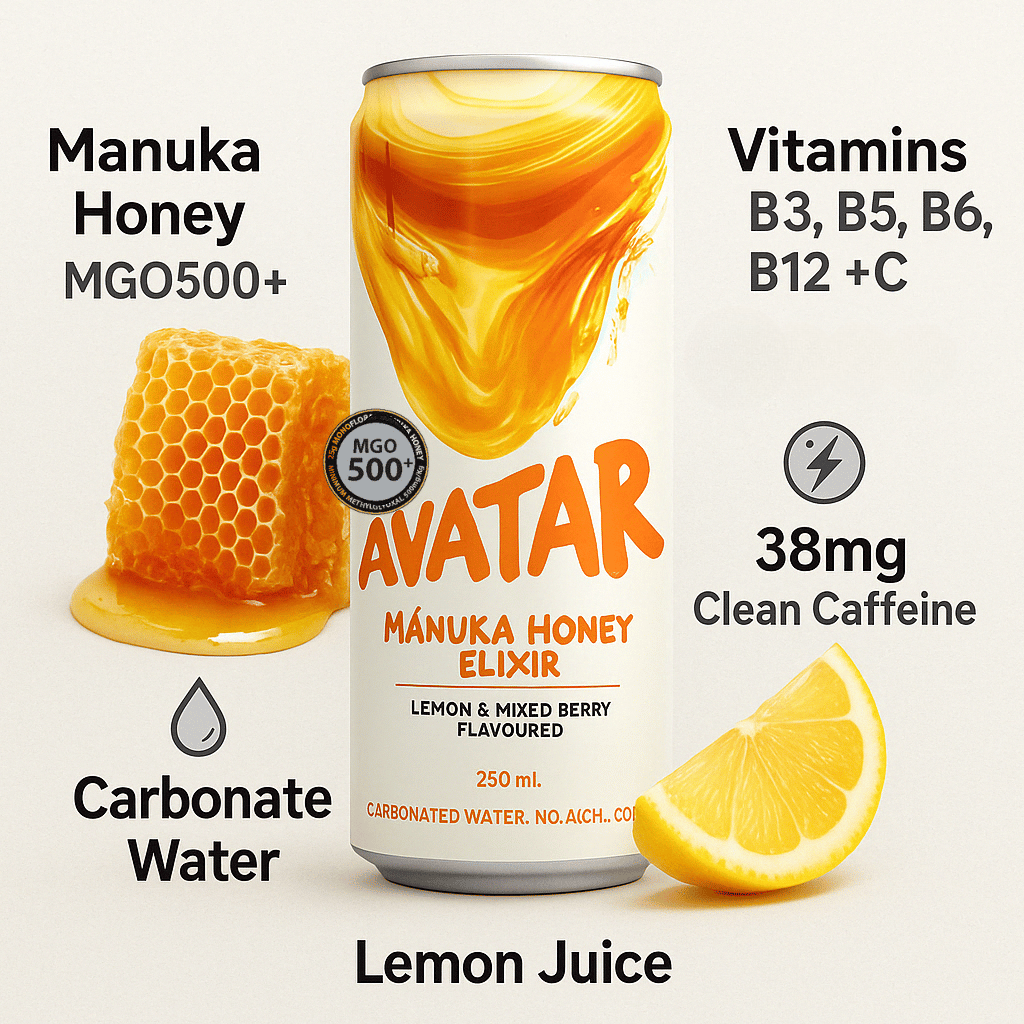
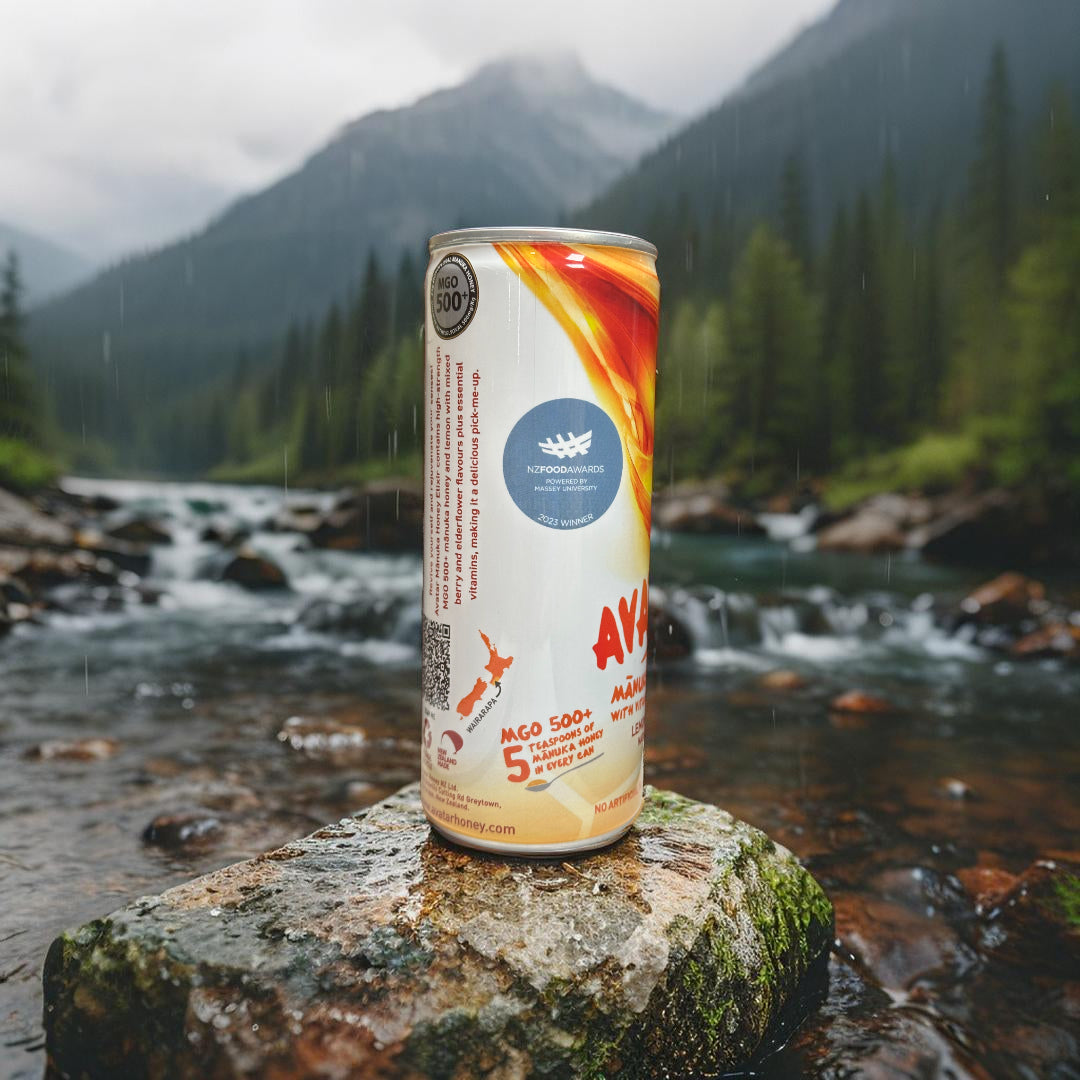
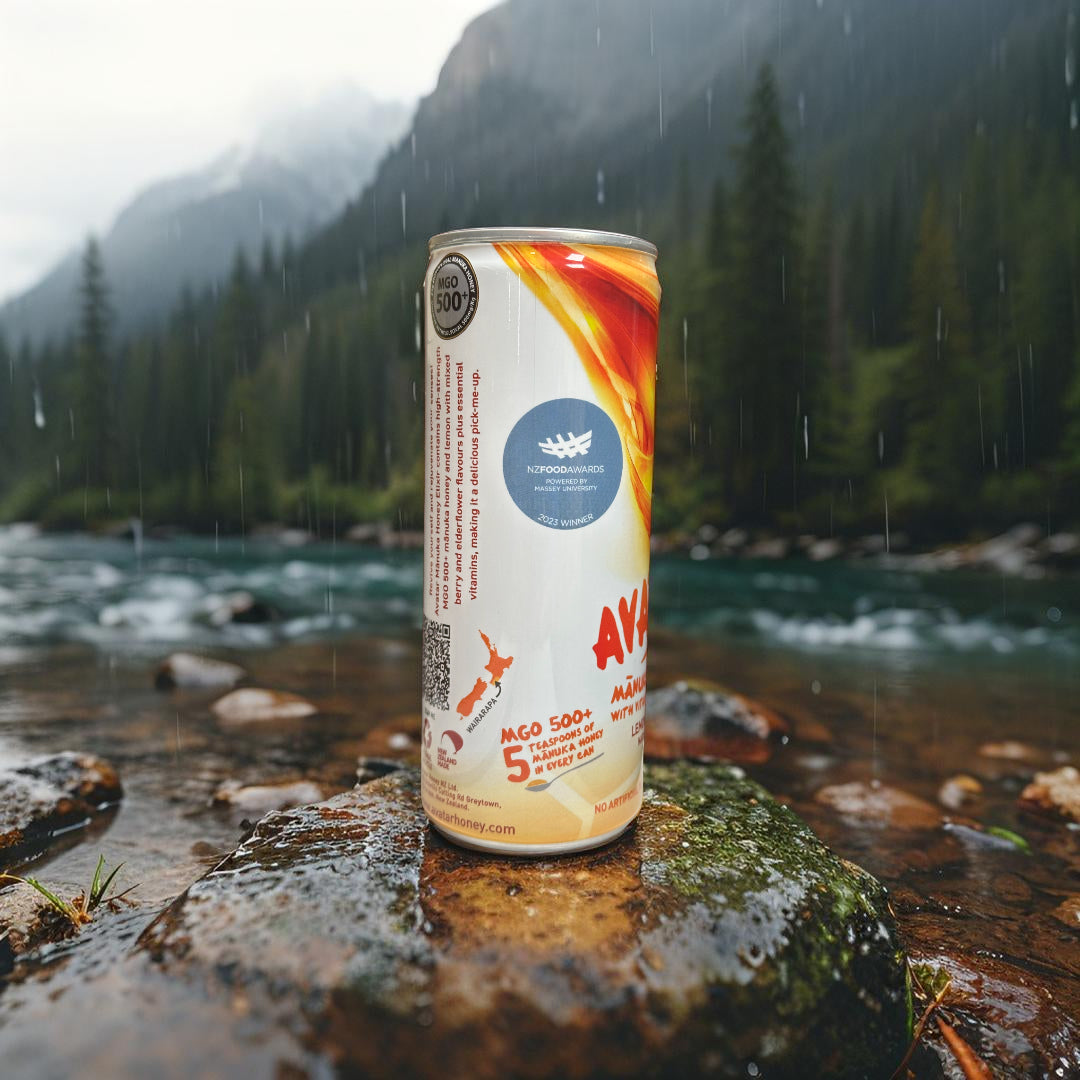
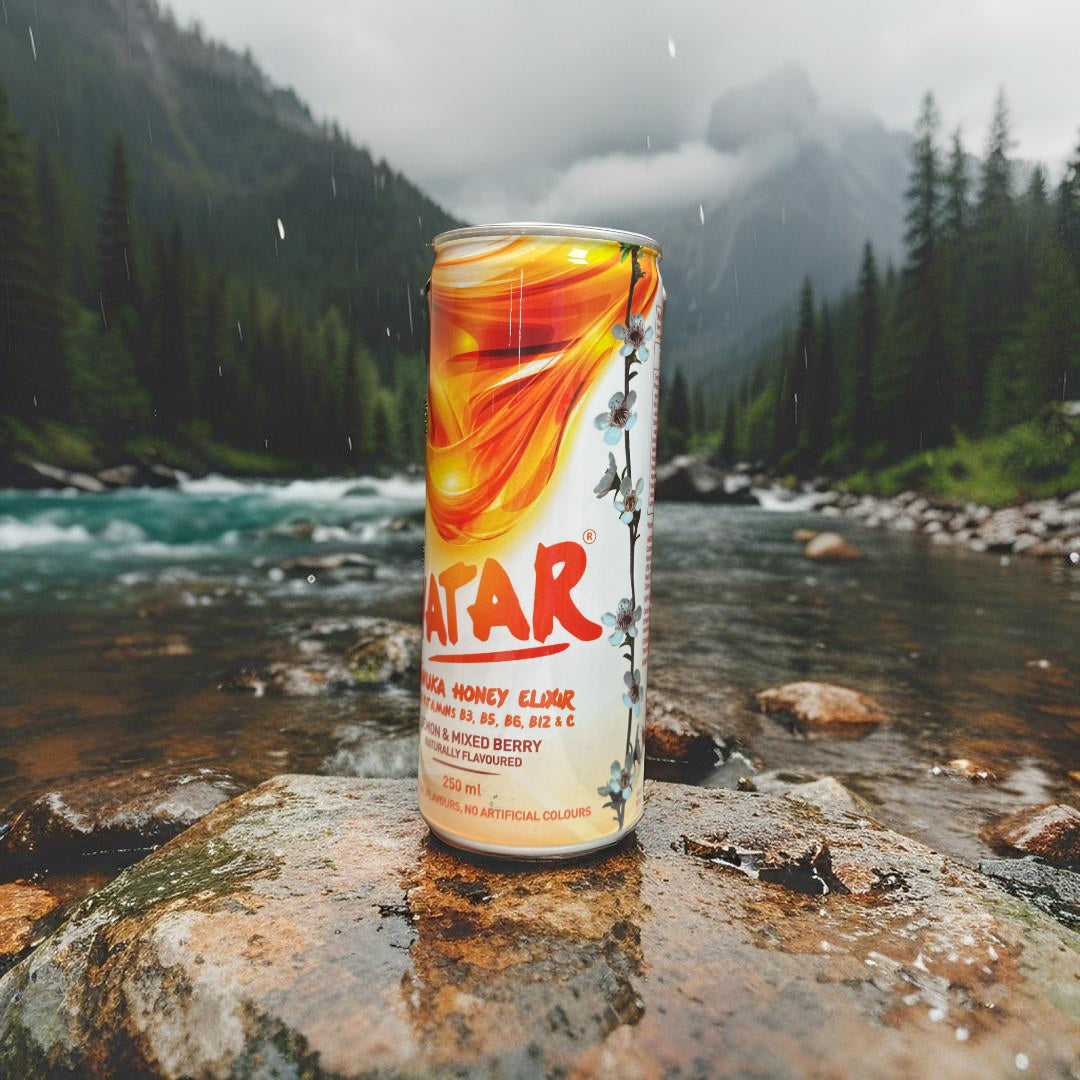
Avatar Elixir can be one example to consider within this kind of routine, especially if you want a natural drink option rather than another strong coffee. Treat it as one part of the plan, not the whole energy strategy.
-
Hydrate through late morning
Keep water nearby and drink steadily before lunch. If plain water feels unappealing, add citrus, cucumber, mint, or a splash of an unsweetened drink you already enjoy.
This step helps you avoid mistaking thirst or a dry mouth for a need for more caffeine. It also gives you something to reach for between drinks.
-
Use lunch as your midday energy reset
Build lunch around a balanced plate, such as protein, colorful plants, and a slow-digesting carbohydrate. Examples include a grain bowl, soup with beans, a salad with chicken or tofu, or leftovers with vegetables.
After lunch, take a short walk or do light movement for a few minutes. Keep it gentle. The aim is to support alertness without needing another strong stimulant.
-
Set your afternoon caffeine cutoff
Choose a clear cutoff time in the early afternoon. For many people, this means keeping caffeine to the morning or stopping after lunch, especially if later drinks affect winding down at night.
If you still want a drink ritual after the cutoff, switch to a non-caffeinated option such as herbal tea, sparkling water, warm lemon water, or a caffeine-free functional beverage.
-
Pair your afternoon snack with a calm drink
Choose a snack that includes both quick and steady energy, such as fruit with nuts, yogurt with granola, hummus with crackers, or toast with avocado.
Drink something lower-stimulation or caffeine-free with it. This keeps the afternoon from turning into a cycle of low energy followed by another high-caffeine choice.
-
Move into evening without restarting caffeine
Once evening begins, keep the drink routine calming. Choose herbal tea, warm water, or another caffeine-free option that feels different from your daytime beverages.
You are done when your caffeine is finished earlier than usual, your meals and snacks have carried part of the energy load, and your evening drink no longer needs to act like a stimulant.
A simple schedule to follow
This timing guide gives your low caffeine day a clear rhythm without turning it into a rigid plan.
- Wake-up: Pause before your usual drink and choose your caffeine limit for the day.
- Morning: Get light, eat breakfast, then choose one lower-stimulation beverage.
- Late morning: Drink water steadily and avoid using caffeine as your only focus tool.
- Midday: Eat a balanced lunch and add gentle movement.
- Afternoon: Set your caffeine cutoff and pair a snack with a calm drink.
- Evening: Keep beverages caffeine-free so the day has a clear finish.
Checklist for choosing a lower-stimulation drink
A lower-stimulation drink should support your routine without becoming the only source of energy. Use this quick checklist before you open or order one.
- Check the caffeine level: Choose a drink with less caffeine than your usual go-to.
- Look at the sugar profile: Pick a drink that fits your preference for lower sugar, no added sugar, or naturally sweetened options.
- Notice the ingredient style: Choose ingredients that feel familiar and easy to understand.
- Consider the timing: Keep caffeinated options earlier in the day.
- Pair it with food: Avoid using the drink as a meal replacement.
Common mistakes to avoid
- Skipping breakfast to “save” caffeine: Food is part of the energy plan, not an optional extra.
- Replacing strong coffee with several smaller caffeinated drinks: Lower caffeine works best when the total amount stays intentional.
- Waiting until you crash to hydrate: Drink water before you feel drained.
- Choosing an afternoon drink without a cutoff: A clear stop time makes the evening easier to protect.
- Expecting one beverage to do everything: Light, food, hydration, movement, and timing all matter.
Final takeaway
A low caffeine day does not have to feel like a day without an energy plan. Start with morning light, eat before you stimulate, choose one lower-caffeine beverage with intention, hydrate steadily, use food and movement at midday, and stop caffeine earlier than usual.
At this point, your day has a complete rhythm: wake with intention, support your morning, steady your midday, soften the afternoon, and let the evening wind down without restarting the caffeine cycle.
This FAQ covers practical choices for planning a lower-caffeine day with steady routines, simple swaps, and calm timing.
How do I plan a low caffeine day from morning to evening?
Plan a low caffeine day by setting your caffeine limit before your first drink, then building the day around light, food, hydration, movement, and an earlier cutoff. Start with morning light and breakfast, choose one lower-stimulation drink, hydrate through late morning, use lunch as a reset, and switch to caffeine-free drinks in the afternoon or evening.
What should I drink instead of multiple high-caffeine drinks?
Choose a lower-stimulation drink that gives you a satisfying ritual without turning the day into repeated caffeine boosts. Good options include green tea, a smaller matcha, half-caf coffee, herbal tea after your cutoff, sparkling water, or a natural drink with gentle ingredients. Avatar Elixir is one example to consider within a broader routine, not the entire energy plan.
When should I have my first caffeine on a low caffeine day?
Have your first caffeinated drink after you get morning light and eat something steady. This timing helps you avoid using caffeine as a substitute for breakfast or hydration. A practical morning rhythm is light first, food second, then one planned lower-caffeine drink if you still want it.
What foods help support energy when I reduce caffeine for a day?
Choose meals and snacks that combine protein, fiber, healthy fats, or slow-digesting carbohydrates. Examples include Greek yogurt with fruit, oats with seeds, eggs with toast, a grain bowl, soup with beans, or fruit with nuts. The goal is to give your body steady fuel so caffeine is not carrying the whole day.
How do I choose a lower-stimulation drink?
Choose a lower-stimulation drink by checking the caffeine level, sweetness, serving size, and how it fits your cutoff time. Look for a drink you genuinely enjoy, because the ritual matters when you are changing a habit. If you want a natural option, compare ingredients clearly and avoid treating any one drink as a full replacement for food, hydration, rest, or movement.
What should I do in the afternoon instead of more caffeine?
Use the afternoon as a calm reset by pairing a balanced snack with water, herbal tea, sparkling water, or another caffeine-free drink. Add a short walk, light stretching, or a few minutes away from your screen if your energy dips. Keep the action simple so it feels like a normal part of the day, not a full wellness project.
How early should I stop caffeine on a low caffeine day?
Set your caffeine cutoff earlier than usual, especially if afternoon caffeine affects how you wind down at night. Many people choose a morning-only approach or stop after lunch on a lower-caffeine day. After your cutoff, keep the drink ritual with non-caffeinated options such as herbal tea, warm lemon water, or sparkling water.