


Quick answer: A Nutrition Facts panel generally appears on conventional foods and beverages, while a Supplement Facts panel generally appears on dietary supplements. The panel tells you how the product is regulated and labeled, but it does not by itself prove that one energy product is safer, healthier, stronger, or better than another.
Picture two slim cans sitting beside each other in a convenience-store fridge. Both mention energy, both contain caffeine, and both look ready to drink. Turn them around, however, and one has a Nutrition Facts panel while the other has a Supplement Facts panel.
That difference is not simply a packaging choice. In the United States, a product’s category, intended use, ingredients, claims, serving presentation, and overall regulatory treatment can affect which panel appears. Understanding the distinction helps you compare energy drinks more carefully, without treating either panel as an automatic mark of quality.
Nutrition Facts vs Supplement Facts at a glance
| Label feature | Nutrition Facts | Supplement Facts |
|---|---|---|
| Typical product category | Conventional food or beverage | Dietary supplement |
| Serving information | Uses food-label serving conventions and shows servings per container | Shows a serving size and servings per container based on the supplement’s labeled use |
| Main declarations | Usually emphasizes calories, macronutrients, sodium, sugars, and required vitamins and minerals | Lists dietary ingredients, amounts per serving, and applicable Daily Value information |
| Ingredient list | Normally appears separately from the Nutrition Facts panel | Ingredients may appear in Supplement Facts or in a separate “other ingredients” list, depending on their role |
| Caffeine information | Caffeine or a caffeine-containing ingredient may appear in the ingredient list, but the total milligrams may not always be stated | Caffeine information may appear in the panel, although the level of detail can depend on formulation and labeling |
| Directions | May not include supplement-style directions for use | Commonly includes suggested use or directions elsewhere on the package |
| Claims you may see | Food, nutrient-content, or other permitted beverage claims | May include supplement-oriented claim language and required qualifying statements where applicable |
This comparison describes broad labeling patterns, not every possible package. Exact requirements depend on the product and the applicable US rules. For a purchasing decision, inspect the complete physical label rather than relying only on the panel heading.
Why similar energy products can use different panels
Package format alone does not decide whether an energy product is a beverage or a dietary supplement. A can, bottle, shot, powder, or concentrate could require different treatment depending on how the product is formulated, represented, and intended to be used.
A ready-to-drink product marketed and consumed like an ordinary beverage will commonly be treated as a conventional food. A product represented as a dietary supplement will generally carry supplement labeling and must be labeled as a dietary supplement.
Several connected details can matter:
- Product category: Whether the item is offered as a conventional beverage or a dietary supplement.
- Intended use: How the packaging presents the product and how consumers are expected to use it.
- Ingredients: What the formula contains and how each ingredient functions within the product.
- Claims: The promises and descriptions used on the package, website, and promotional materials.
- Serving presentation: Whether the item is presented like an ordinary drink or as a measured supplement serving.
No single visual clue necessarily settles the category. A small bottle is not automatically a supplement, and a full-size can is not automatically a conventional beverage. The full presentation matters.
What a Nutrition Facts panel communicates
A Nutrition Facts panel is designed to help you understand a food or beverage within the broader diet. It places familiar dietary information, such as calories, sugars, sodium, and selected nutrients, into a standardized format.
Serving size and servings per container
Start with the serving size, then check how many servings the package contains. A can that looks like a single drink may still display information in a way that requires careful reading. If a container holds more than one labeled serving, consuming the full container changes the total amount of calories, sugars, sodium, caffeine, and other ingredients you receive.
Do not compare the numbers from two products until you know whether both panels describe the same amount of liquid. A per-serving comparison can mislead when the serving sizes differ.
Calories, sugars, and declared nutrients
The Nutrition Facts panel makes it relatively easy to compare calories, total carbohydrate, total sugars, added sugars, sodium, and required nutrient declarations. These details can be useful when you are choosing between an energy beverage, soda, coffee drink, or sparkling functional beverage.
However, the panel does not provide a complete judgment about ingredient quality or flavour. Two drinks with similar calories can use very different sweetening systems, botanical ingredients, fruit components, or caffeine sources. Read the ingredient list alongside the panel.
What a Supplement Facts panel communicates
A Supplement Facts panel focuses on the dietary ingredients supplied by a dietary supplement. It typically identifies the serving size, servings per container, dietary ingredients, amounts per serving, and applicable Percent Daily Values.
Daily Values may not exist for every ingredient
Some listed dietary ingredients have an established Daily Value, while others do not. When no Daily Value has been established, the label commonly indicates that fact rather than converting the ingredient into a percentage.
A missing Daily Value does not automatically mean an ingredient is ineffective, unsafe, superior, or unusually powerful. It means the label is not providing an established Daily Value percentage for that ingredient.
The panel may not contain every component of the formula
Do not stop reading at the bottom of the Supplement Facts box. A supplement can also have an other ingredients list containing components used for flavour, texture, stability, colour, or manufacturing purposes.
The complete package may also include suggested-use directions, warnings, storage instructions, and required statements connected to particular claims. Those details are part of the label comparison, even though they sit outside the main panel.
Caffeine visibility requires extra attention
Neither panel heading guarantees that the total caffeine amount will be immediately obvious. Caffeine can come from added caffeine, coffee, tea, guarana, yerba mate, or other caffeine-containing ingredients. How that information appears can vary with the product and formula.
On a conventional beverage, caffeine or a caffeine-containing ingredient may appear in the ingredient list. The package may voluntarily state the total caffeine in milligrams, but you should not assume that every beverage will do so prominently.
On a dietary supplement, caffeine may be declared as a dietary ingredient, but you still need to inspect the serving size and the way blends are presented. If the exact caffeine total is unclear, avoid estimating it from marketing phrases such as “clean energy,” “natural lift,” or “focus blend.” Those phrases do not provide a measurable caffeine amount.
When comparing products, look for answers to three separate questions:
- How many milligrams of caffeine are stated per serving?
- How many servings are in the full can, bottle, sachet, or shot?
- Which ingredients contribute caffeine?
Your total daily caffeine intake can come from several sources, including coffee, tea, energy products, pre-workout products, and chocolate. The panel type does not replace the need to consider those sources together.
Claim language can signal how a product is presented
Front-of-package claims help shape a product’s regulatory presentation, but they should not be read as proof of a specific result. Words such as “energy,” “focus,” “performance,” “wellness,” and “natural” can appear in different contexts, with important differences in wording and qualification.
Dietary supplements may use certain structure and function claims when relevant requirements are met. These claims describe support for normal body structure or function rather than claiming to diagnose, treat, cure, or prevent disease. Applicable supplement claims may also appear with a familiar FDA disclaimer elsewhere on the package.
Conventional beverages can also make permitted claims, but the rules and context are not identical. A Nutrition Facts panel does not make every wellness phrase acceptable, just as a Supplement Facts panel does not turn promotional language into established evidence.
Read claims in their exact form. “Contains B vitamins” is different from promising a guaranteed level of focus or performance. Ingredient presence, nutrient quantity, intended benefit, and proven outcome are not interchangeable ideas.
How Avatar Elixir fits into a label comparison
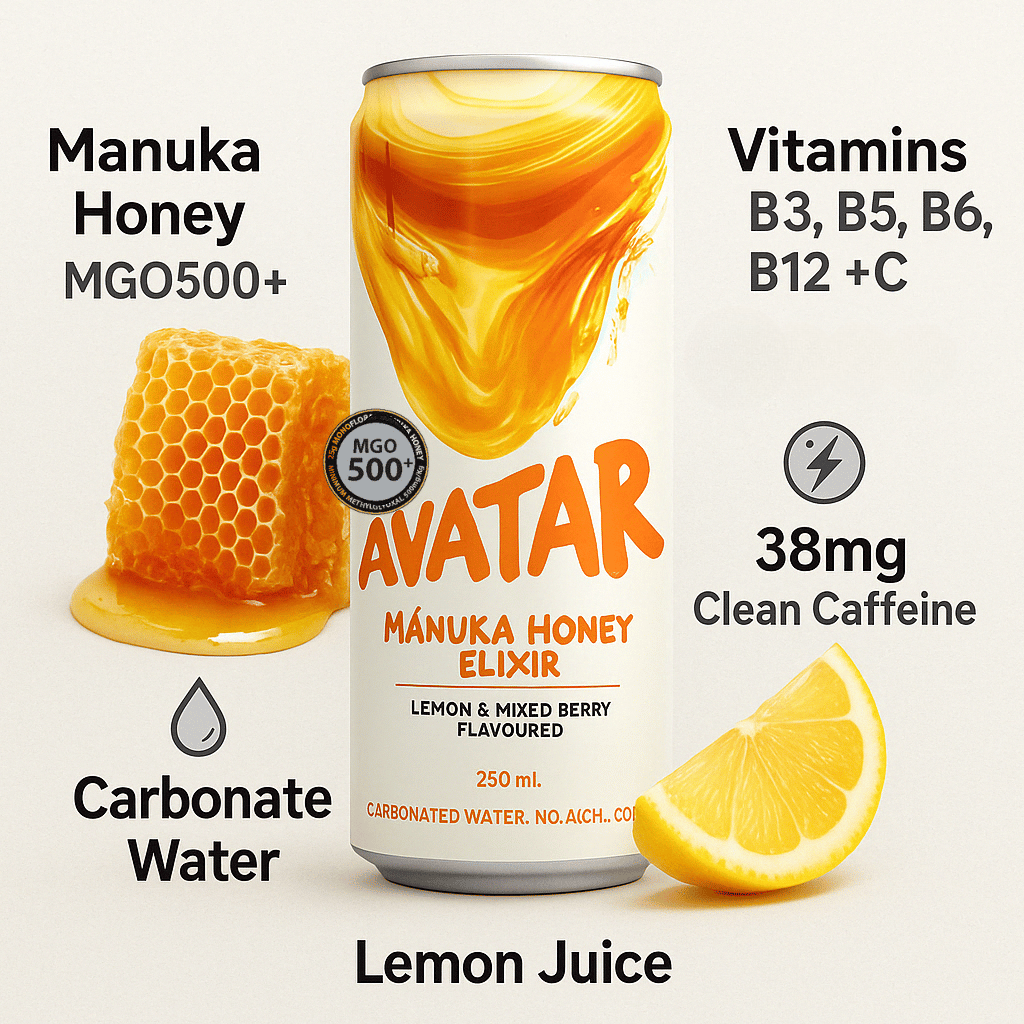
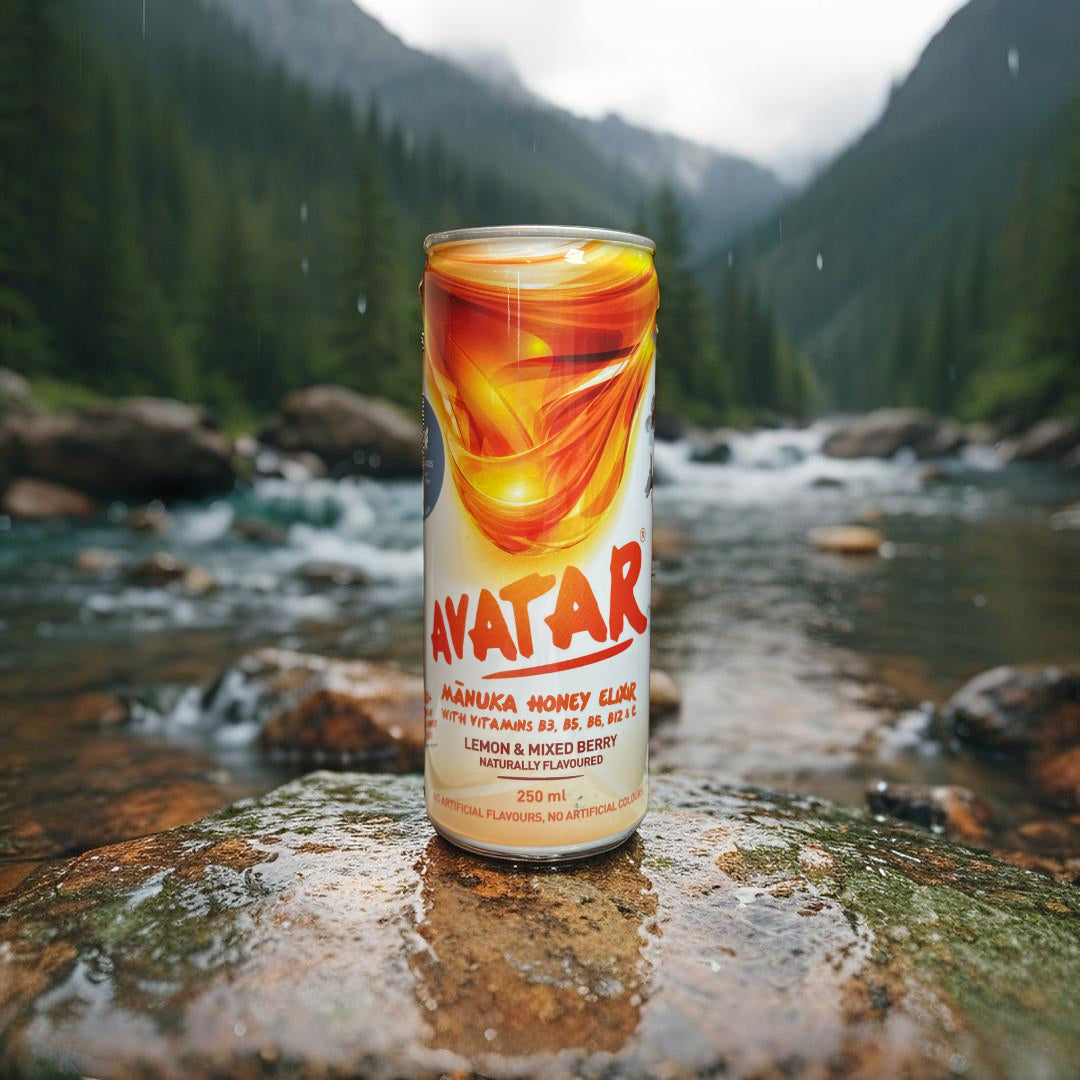
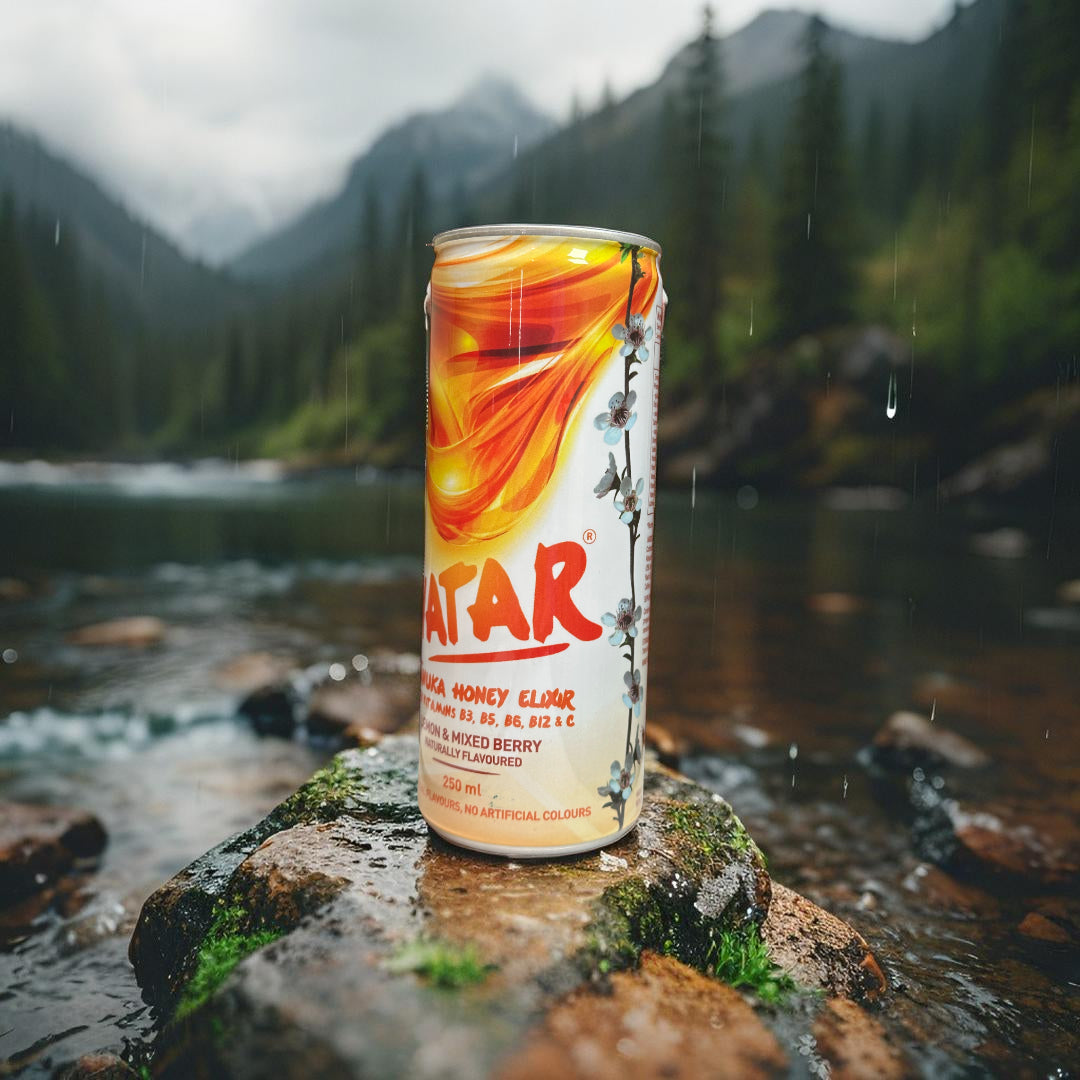
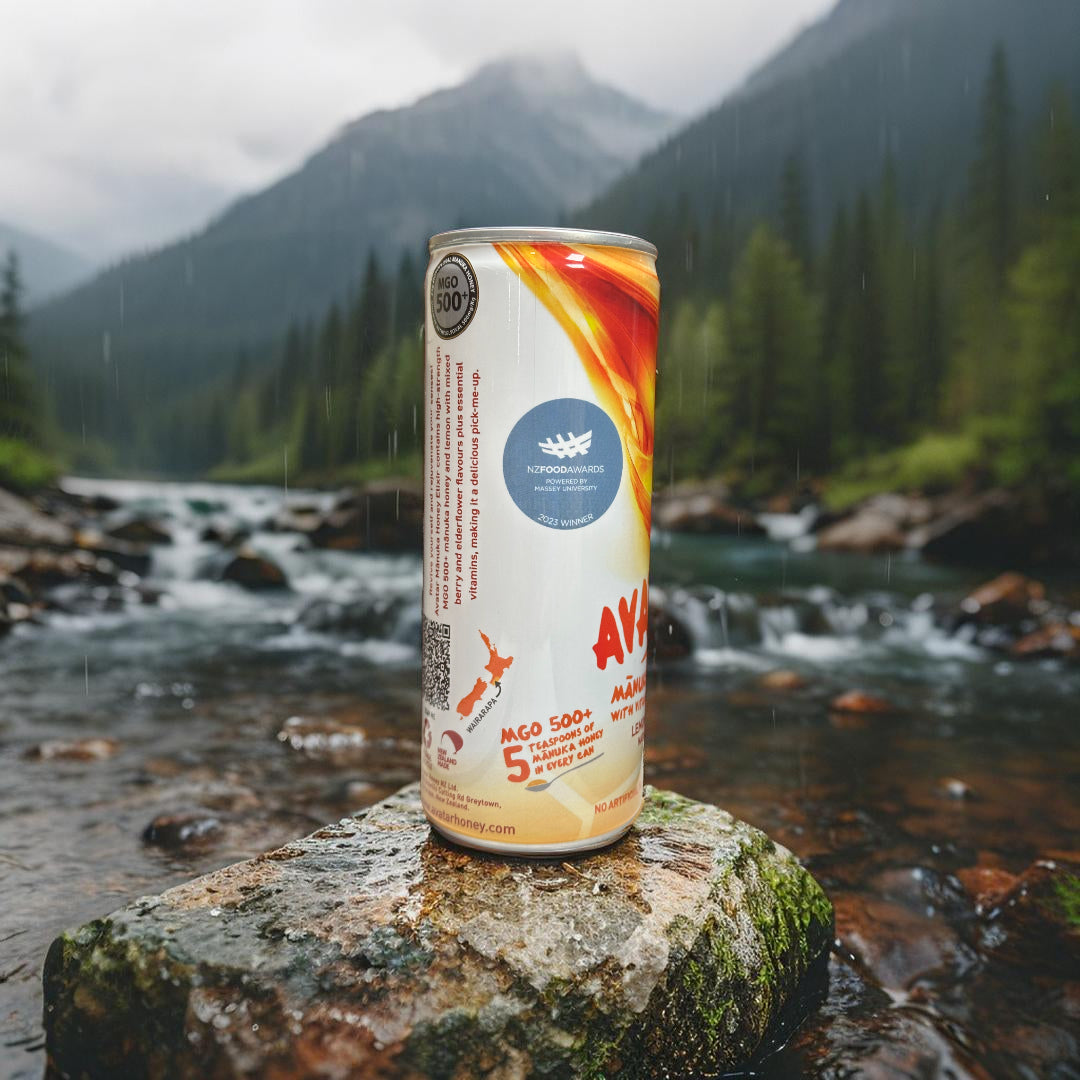
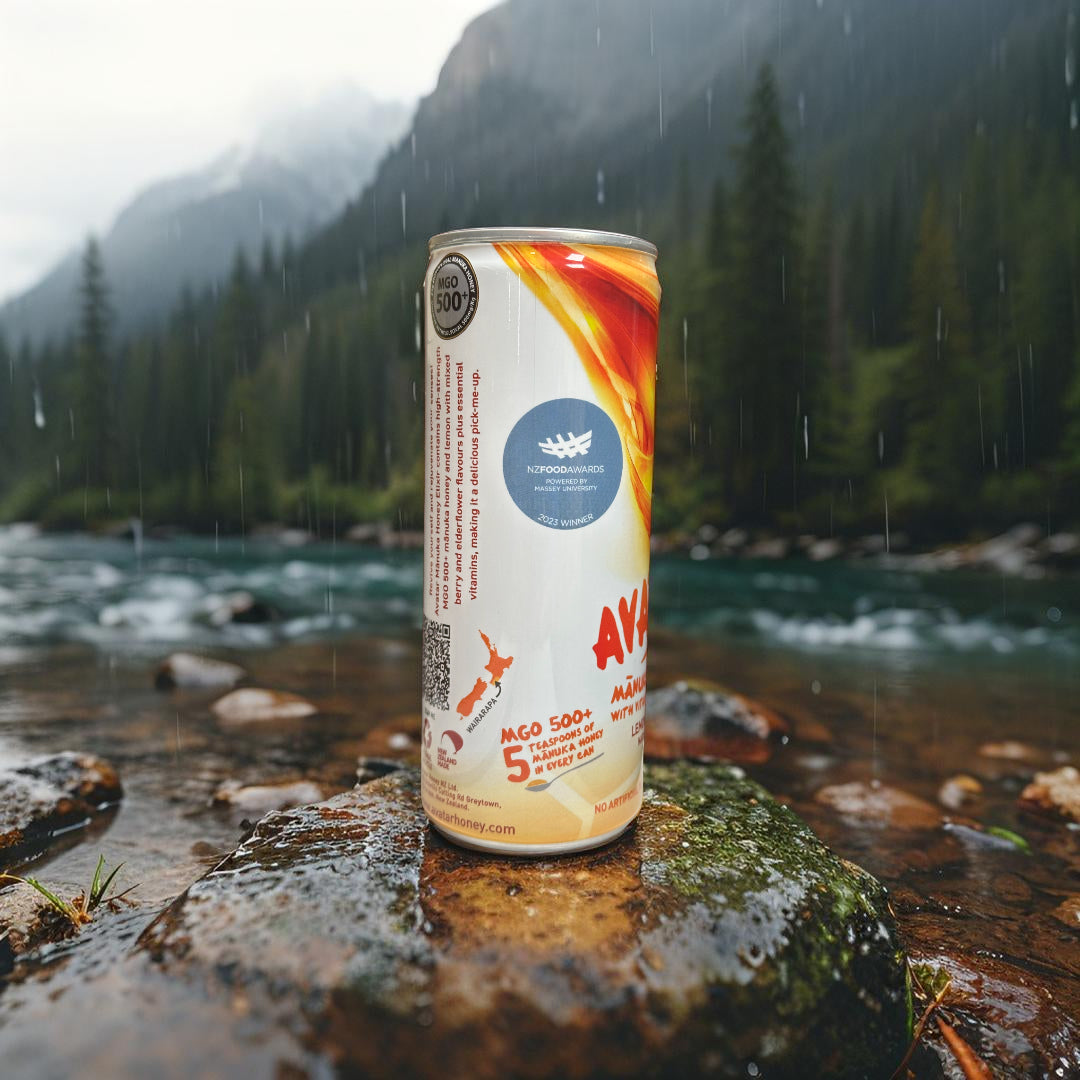
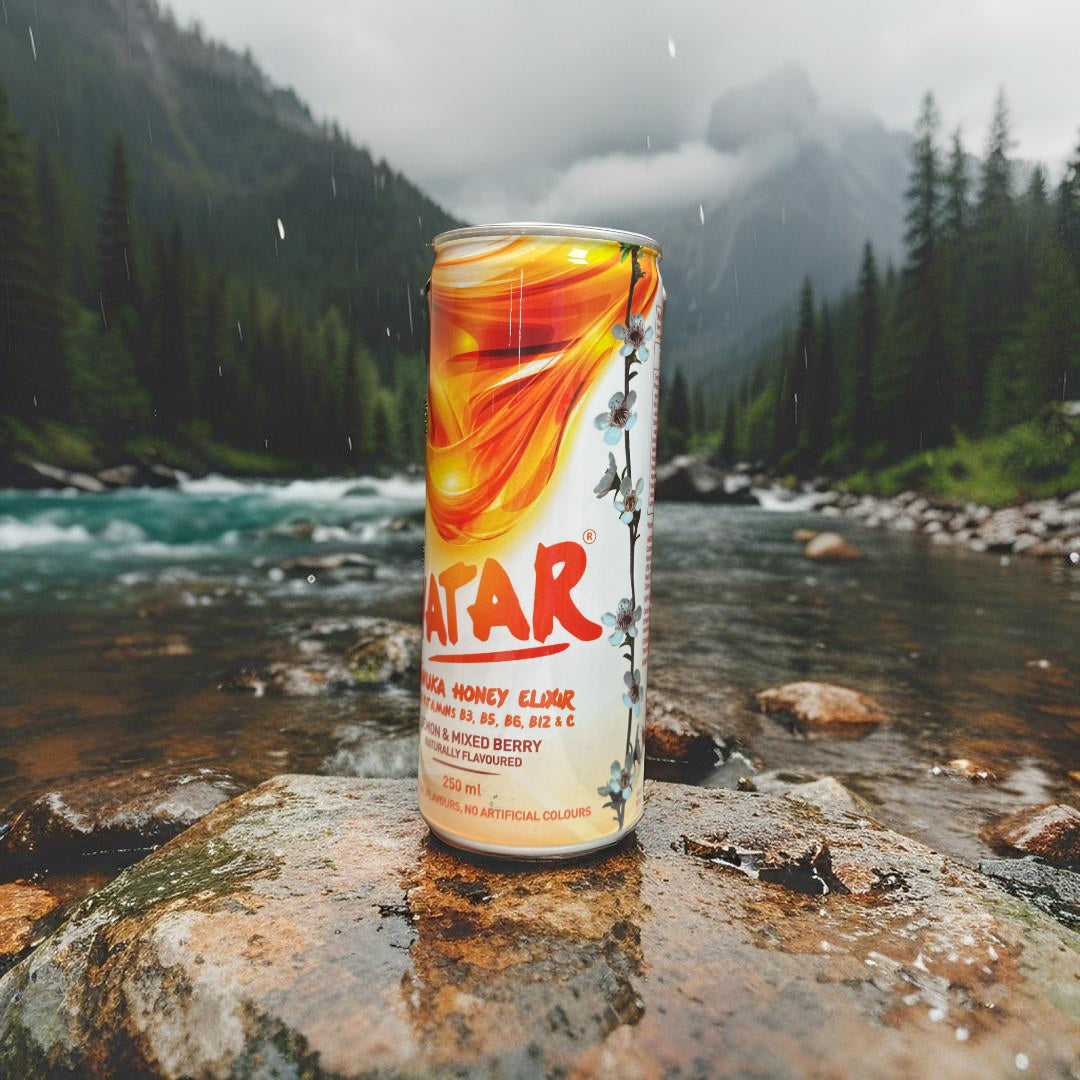
Avatar Elixir is the store’s food-and-beverage example of a premium New Zealand Manuka honey drink. Its recipe brings together certified MGO500+ Manuka honey, lemon, elderflower, B vitamins, vitamin C, clean caffeine, lightly carbonated water, and a fresh honey-citrus flavour profile.
When evaluating Avatar Elixir for purchase in the United States, use the physical package label for the exact current panel, serving size, nutrient values, caffeine declaration, ingredient order, and other required information. Package details can depend on the specific product version and market, so they should not be inferred from a general article or product description.
The same rule applies to any energy drink. Begin with the category and panel, but continue through the serving information, caffeine disclosure, ingredient list, claims, and directions. That gives you a more useful comparison than treating “beverage” or “supplement” as a quality score.
A five-point inspection checklist for energy labels
- Identify the panel. Note whether the package uses Nutrition Facts or Supplement Facts, then confirm how the product describes itself.
- Normalize the serving. Compare equal amounts and calculate the full-container totals when the package contains multiple servings.
- Find the caffeine. Look for a stated milligram amount, the number of servings, and all caffeine-containing ingredients.
- Read every ingredient area. Check the main ingredient list, Supplement Facts entries, and any separate other-ingredients list.
- Separate facts from claims. Distinguish measurable label information from broad words such as energy, focus, natural, clean, or wellness.
What the panel cannot tell you by itself
A Nutrition Facts or Supplement Facts heading communicates a regulatory category and labeling framework. It does not independently establish overall safety, product quality, manufacturing care, suitability for you, or the likelihood of a particular experience.
The panel also cannot tell you whether you will enjoy the flavour. For a drink containing honey, citrus, elderflower, botanicals, or carbonation, sensory qualities still matter. Nor does the panel replace attention to allergies, sensitivities, warnings, storage instructions, or personal reasons for limiting caffeine.
If you are pregnant, breastfeeding, sensitive to caffeine, taking medication, or managing a health condition, seek guidance from an appropriate healthcare professional. This article provides general US label-literacy information, not legal, medical, or regulatory advice.
Current FDA materials for further label reading
The US Food and Drug Administration maintains the primary consumer and industry information for these labeling systems. Useful FDA materials include How to Understand and Use the Nutrition Facts Label, the Food Labeling Guide, the Dietary Supplement Labeling Guide, and the FDA’s questions and answers about dietary supplements.
FDA materials can be updated, and individual products may involve facts not covered by a general explainer. For the most current requirements, consult the latest version on the FDA website. Businesses making labeling or classification decisions should obtain qualified regulatory advice for the specific product.
The practical bottom line
Nutrition Facts generally points to a conventional food or beverage, while Supplement Facts generally points to a dietary supplement. That distinction affects how serving information, nutrients, dietary ingredients, directions, and claims are presented.
For a sound comparison, do not rank products by panel type alone. Read the whole label, match the serving sizes, locate the caffeine amount, inspect every ingredient section, and treat marketing language separately from measurable facts. Those habits make two similar-looking energy products much easier to understand.
These follow-up points help you interpret caffeine language, market-specific packaging, and Manuka honey information on energy product labels.
Why might US and New Zealand packages show different details?
Package details can depend on the market and the specific product version being sold. When buying an imported or New Zealand-made drink in the United States, use the current physical US package for serving information, nutrient values, caffeine declarations, ingredients, and other required label details.
What should I do if the exact caffeine amount is not stated?
Do not estimate caffeine content from phrases such as "clean energy," "natural lift," or from the presence of coffee, tea, guarana, or another caffeine source. Check the entire package for a milligram declaration and serving count. If the total remains unclear, seek clarification from the manufacturer or choose a product with information that supports a confident comparison.
Does "clean energy" identify a beverage or dietary supplement?
No, "clean energy" does not establish a product's regulatory category or determine which facts panel it should carry. It is descriptive marketing language, so you still need to inspect the Nutrition Facts or Supplement Facts panel, product description, serving presentation, ingredients, and complete package.
Does MGO500+ certification replace checking the Nutrition Facts?
No, certified MGO500+ Manuka honey is an ingredient detail, not a substitute for reading the complete beverage label. For Avatar Elixir, check the physical package for its current serving size, nutrient values, caffeine declaration, ingredient order, and other market-specific information.