


Headline finding: “No artificial ingredients” generally communicates that a drink is formulated without ingredients the producer classifies as artificial, but it is not a complete verdict on nutrition, processing, caffeine, sugar or suitability. The ingredient list, Nutrition Facts panel and any caffeine information still need to be considered.
On a drink label, “no artificial ingredients” can be useful information. It speaks to a formulation choice and may help shoppers compare beverages that use different sweeteners, flavors, colors or other additives. Its scope, however, is narrower than it may first appear.
The claim does not automatically mean that a drink is low in sugar, minimally processed, caffeine-free, nutritionally balanced or appropriate for every person. It also should not be treated as a universal certification covering every aspect of how the beverage was produced.
Understanding the phrase therefore requires two forms of label literacy: knowing what the wording is intended to communicate and recognizing which questions only the complete current label can answer.
What “No Artificial Ingredients” Commonly Communicates
The central message is about ingredient type, not the overall nutritional profile of the drink. In ordinary beverage marketing, the wording suggests that the manufacturer has not used ingredients it classifies as artificial in that formulation.
This may be relevant to shoppers who prefer products built around recognisable sources such as honey, fruit, herbs, flowers or naturally sourced flavoring ingredients. It can also distinguish a beverage from one formulated with artificial flavors, artificial colors or artificial sweeteners.
The boundaries are not always obvious from the front of the package. “Artificial” is not simply another word for unfamiliar, processed or difficult to pronounce. Some ingredients have technical names because food labels use standard naming conventions. Conversely, an ingredient with a familiar name does not reveal its concentration, nutritional significance or degree of processing.
The wording also does not establish that every ingredient was added in a whole or unrefined form. A beverage may contain extracts, concentrates, vitamins, carbonated water or natural flavors while still carrying a no-artificial-ingredients claim, depending on its formulation and the basis used for the statement.
Takeaway: The claim describes an ingredient-positioning choice. It does not, by itself, classify the entire beverage as natural, minimally processed or nutritionally preferable.
How the Current US Labeling Context Affects the Claim
As of 2026, US beverage shoppers should not interpret “no artificial ingredients” as the name of a general Food and Drug Administration certification program. Conventional food and beverage labels are principally the manufacturer’s responsibility, and label statements must be truthful and not misleading.
The FDA has long addressed “natural” through policy rather than a comprehensive formal definition covering every possible production method or nutritional implication. Its general position focuses on whether artificial or synthetic substances that would not normally be expected in the food have been included or added. That approach does not resolve broader questions about agricultural methods, food processing or health value.
“No artificial ingredients” is not identical to “natural.” The wording is a specific negative claim about what the producer says is absent. It does not necessarily make a broader claim about the drink’s complete identity or manufacturing chain.
Some related terms operate within more specific labeling rules. For example, US regulations distinguish natural flavor from artificial flavor according to factors including the flavoring material’s source and function. That technical distinction is more limited than the everyday idea that “natural” means simple, unprocessed or nutritionally beneficial.
Context also matters when products are sold across different countries. Labeling terminology, required disclosures and formulation can vary by market. The current package in the shopper’s location is therefore more reliable than an old photograph, retailer summary or description written for another market.
Takeaway: In the US, “no artificial ingredients” should be read as a product claim subject to general truthfulness requirements, not as a standalone government certification of the whole beverage.
How Related Drink Claims Differ
Claims that sound similar often answer different questions. A side-by-side comparison helps prevent one phrase from being stretched into conclusions it cannot support.
| Claim or term | What it may communicate | What it does not answer by itself |
|---|---|---|
| No artificial ingredients | The producer represents that the formulation does not contain ingredients it classifies as artificial. | It does not establish sugar content, caffeine level, calorie content, processing method, serving size or suitability for every person. |
| No artificial sweeteners | No sweeteners classified as artificial are represented as being used. | It does not mean unsweetened, sugar-free or low in total or added sugars. The drink may use sugar, honey, juice or another sweetening source. |
| Natural flavor | The flavoring ingredient falls within the applicable definition based largely on its source and flavoring purpose. | It does not mean the entire beverage is natural, unprocessed, made only from whole ingredients or free from sugar and caffeine. |
| Clean label | A broad marketing idea often associated with simpler or more familiar ingredient choices. | It has no single universal FDA definition that settles exactly which ingredients, processes or nutritional characteristics qualify. |
A drink can truthfully make one of these statements without meeting the assumptions shoppers attach to another. A product with no artificial sweeteners, for example, may still contain substantial sweetness from other sources. A product using natural flavor may or may not make a broader no-artificial-ingredients statement.
“Clean label” requires particular caution because it is commonly used as an umbrella concept rather than a precisely bounded technical category. Different brands and shoppers may use it to mean short ingredient lists, familiar ingredients, selected sourcing standards or the absence of particular additives. The phrase alone does not reveal which interpretation applies.
Takeaway: Related label terms are not interchangeable. Each claim should be limited to the specific ingredient or category it actually addresses.
What the Claim Leaves Unanswered About a Drink
The most important limitation is that ingredient origin and nutritional composition are separate questions. A naturally sourced ingredient can still contribute sugar, caffeine, acidity or calories. The absence of artificial ingredients does not determine how much of any of those components is present.
Sugar and sweetness
“No artificial ingredients” does not mean “no added sugar” or “sugar-free.” A beverage may be sweetened with honey, fruit-derived ingredients, sugar or another source that is not represented as artificial. The Nutrition Facts panel provides the relevant figures for total sugars and added sugars where those declarations are required.
The type of sweetener may matter to shoppers interested in flavor or ingredient sourcing, but it does not replace the quantitative information on the panel. Honey, for instance, can bring aroma, body and a distinctive taste while still contributing sugars.
Caffeine
The claim does not indicate whether a beverage contains caffeine or how much it contains. Caffeine can be present in drinks marketed as natural, functional or clean-label products.
When caffeine is added as an ingredient in a conventional US beverage, it is generally identified in the ingredient list. A numerical caffeine amount is not universally required on the standard Nutrition Facts panel for every conventional beverage, although manufacturers may provide the amount elsewhere on the package.
People who are pregnant, sensitive to caffeine, taking medication or managing a health concern may need advice from a qualified health professional rather than relying on a front-label ingredient claim.
Processing and formulation
“No artificial ingredients” does not mean “unprocessed.” Most packaged drinks involve some combination of blending, filtration, carbonation, extraction, concentration, heat treatment or other production steps. The claim does not specify which methods were used.
It also does not indicate whether the drink is organic, non-GMO, preservative-free or made entirely from locally sourced ingredients. Those are separate characteristics and should only be inferred when the label makes an appropriate, supported statement about them.
Personal suitability
No single ingredient claim can determine whether a beverage fits every diet, occasion or individual preference. Serving size, allergens, dietary restrictions, caffeine sensitivity and total daily intake can all matter independently of whether artificial ingredients are present.
Takeaway: The claim leaves the drink’s sugar, caffeine, calories, processing and personal suitability unresolved. Those questions require separate label information.
What the Complete Label Contributes
A front-of-pack claim is best understood as one data point within a larger label. The ingredient list explains what the drink contains, while the Nutrition Facts panel provides quantities for selected nutritional components. Allergen statements, serving information and caffeine disclosures may add further context.
| Label area | Question it helps answer | Important limitation |
|---|---|---|
| Ingredient list | What ingredients are present and, generally, their order by weight. | It may not disclose the exact quantity of every ingredient or each component covered by an allowed collective term such as natural flavor. |
| Nutrition Facts | Serving size, calories, sugars and other required nutritional information. | It does not provide a complete account of sourcing, flavor quality or production methods. |
| Caffeine statement | Whether the producer voluntarily states the amount per serving or container. | The placement and level of detail can vary between products. |
| Front-label claims | Selected formulation attributes the brand wants to highlight. | Each statement has a limited scope and should not be expanded into unspoken claims. |
The current label matters because beverage recipes and packaging can change. Container size can also affect interpretation. A figure presented per serving is not necessarily the same as the amount in the entire can or bottle if the package contains more than one serving.
This fuller reading is not about treating every unfamiliar term as undesirable. It is about matching each question to the part of the label capable of answering it. Ingredient preferences belong with the ingredient list. Sugar and calorie questions belong with the Nutrition Facts panel. Caffeine questions require an explicit caffeine statement or other current product information.
Takeaway: The complete label separates ingredient-origin questions from nutritional and functional ones, reducing the risk of treating a narrow claim as a total product assessment.
Avatar Elixir as an Ingredient-Claim Example
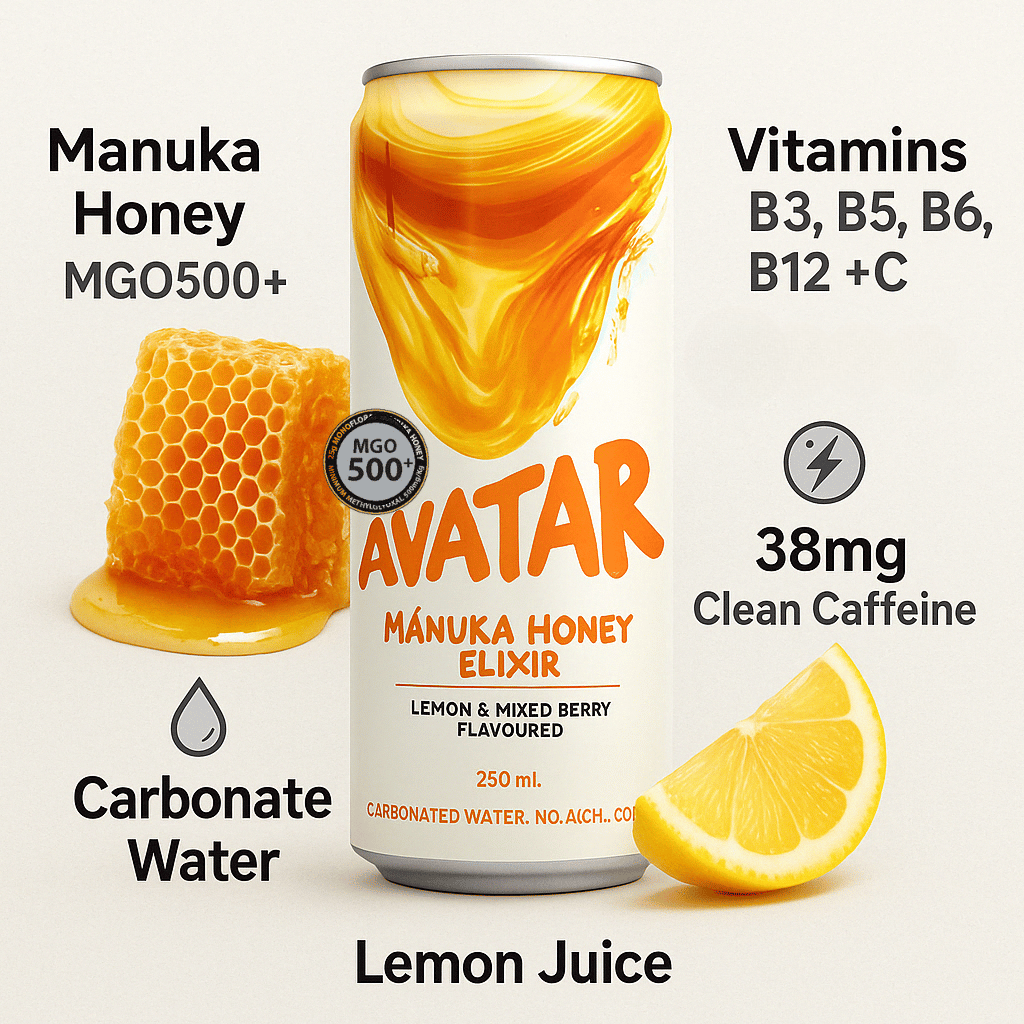
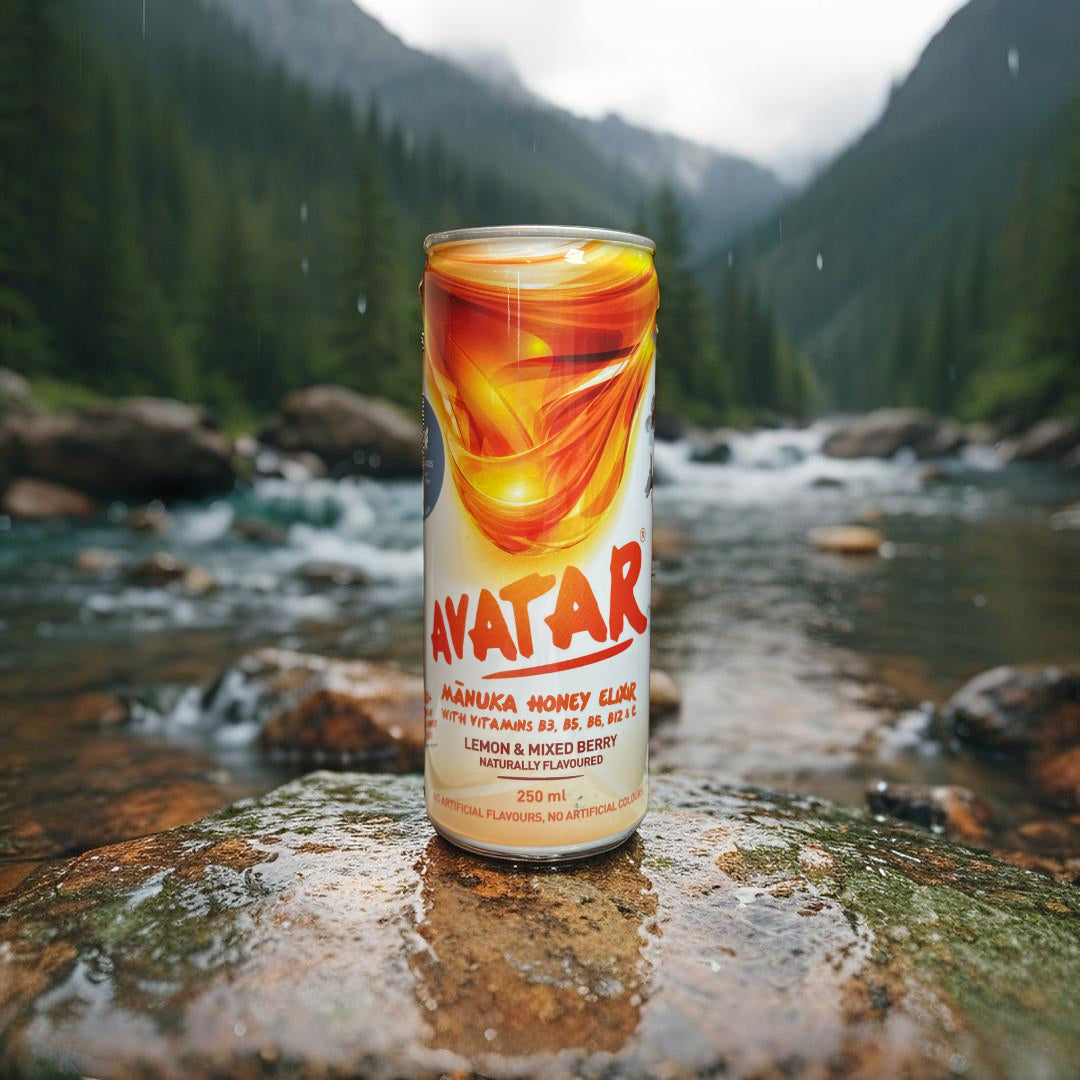
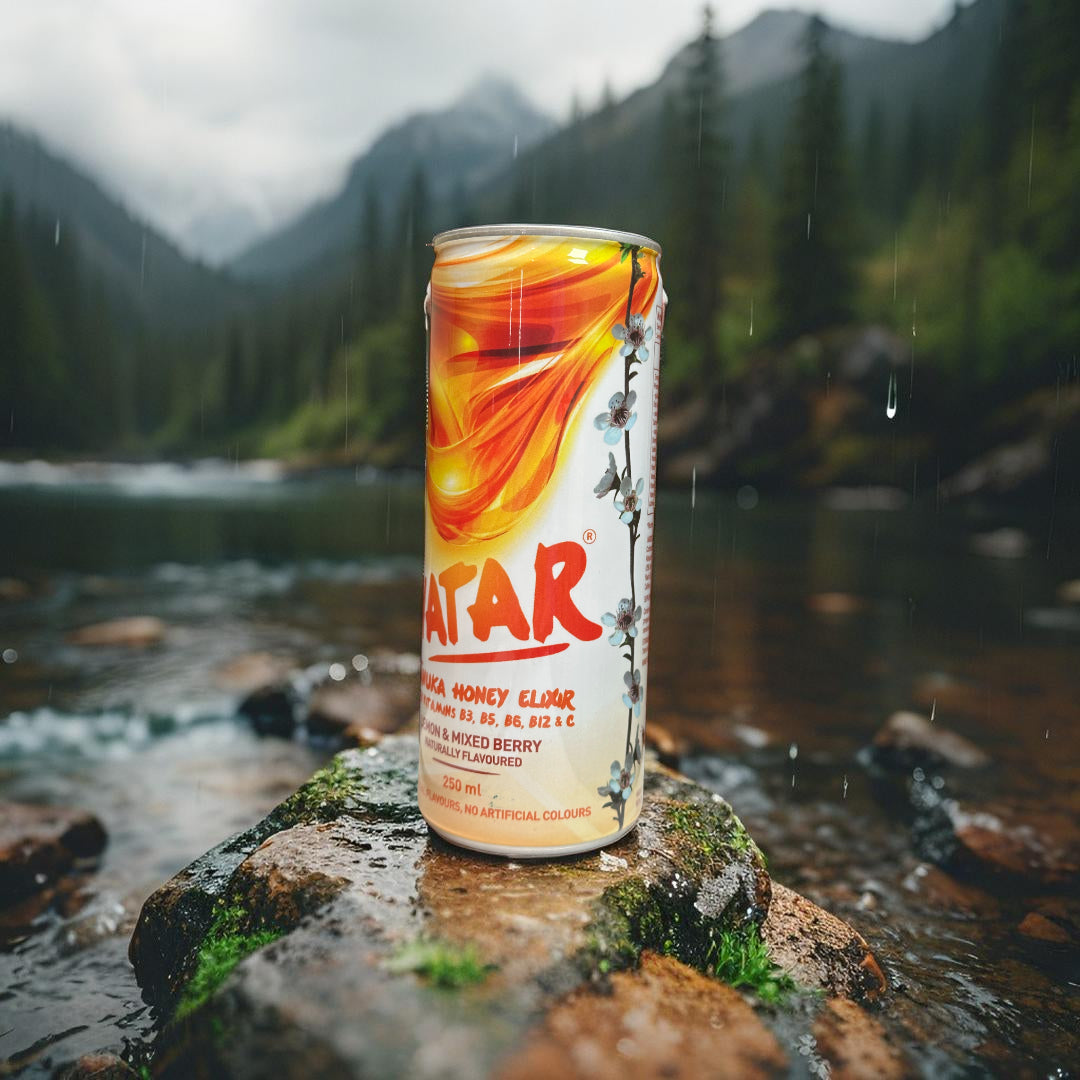
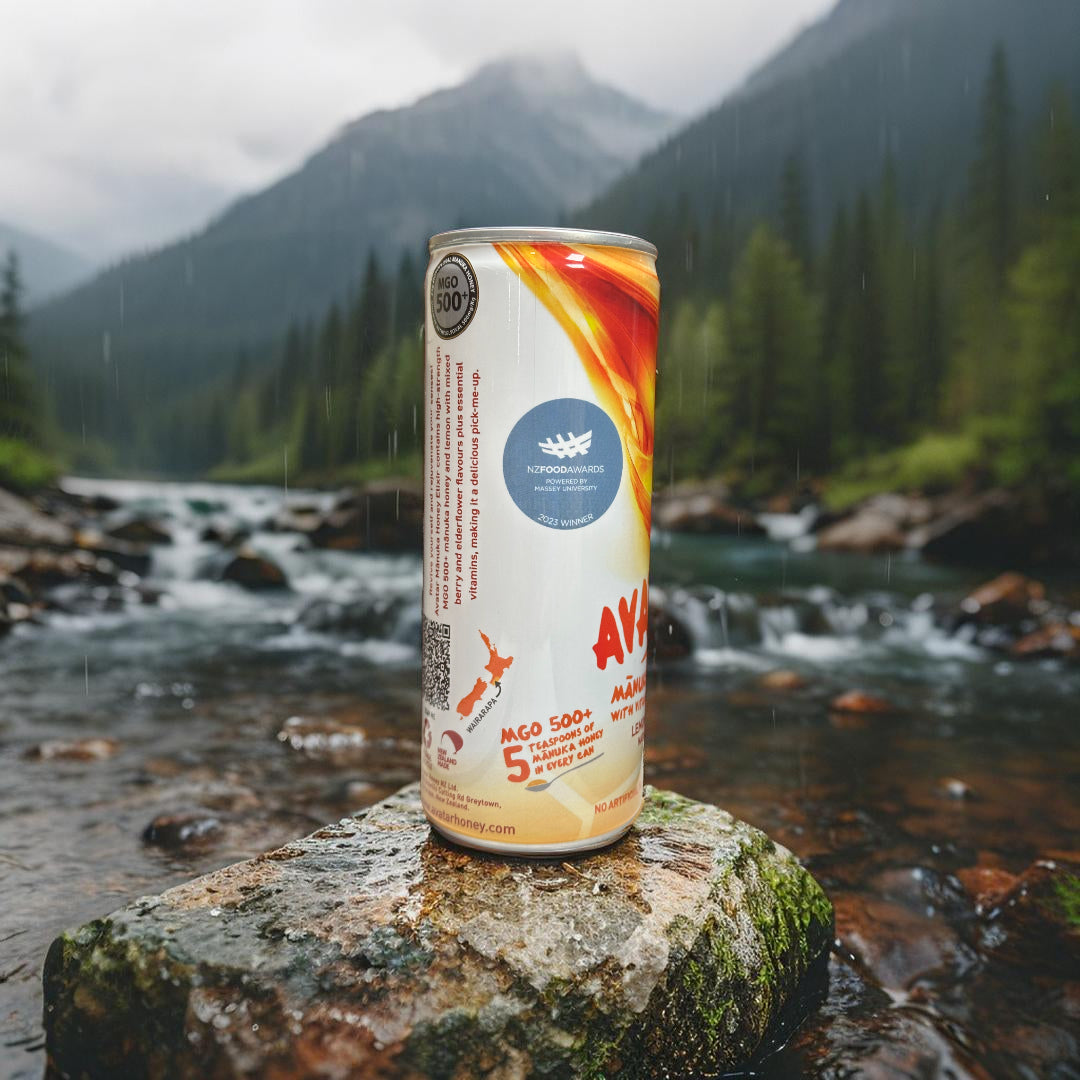
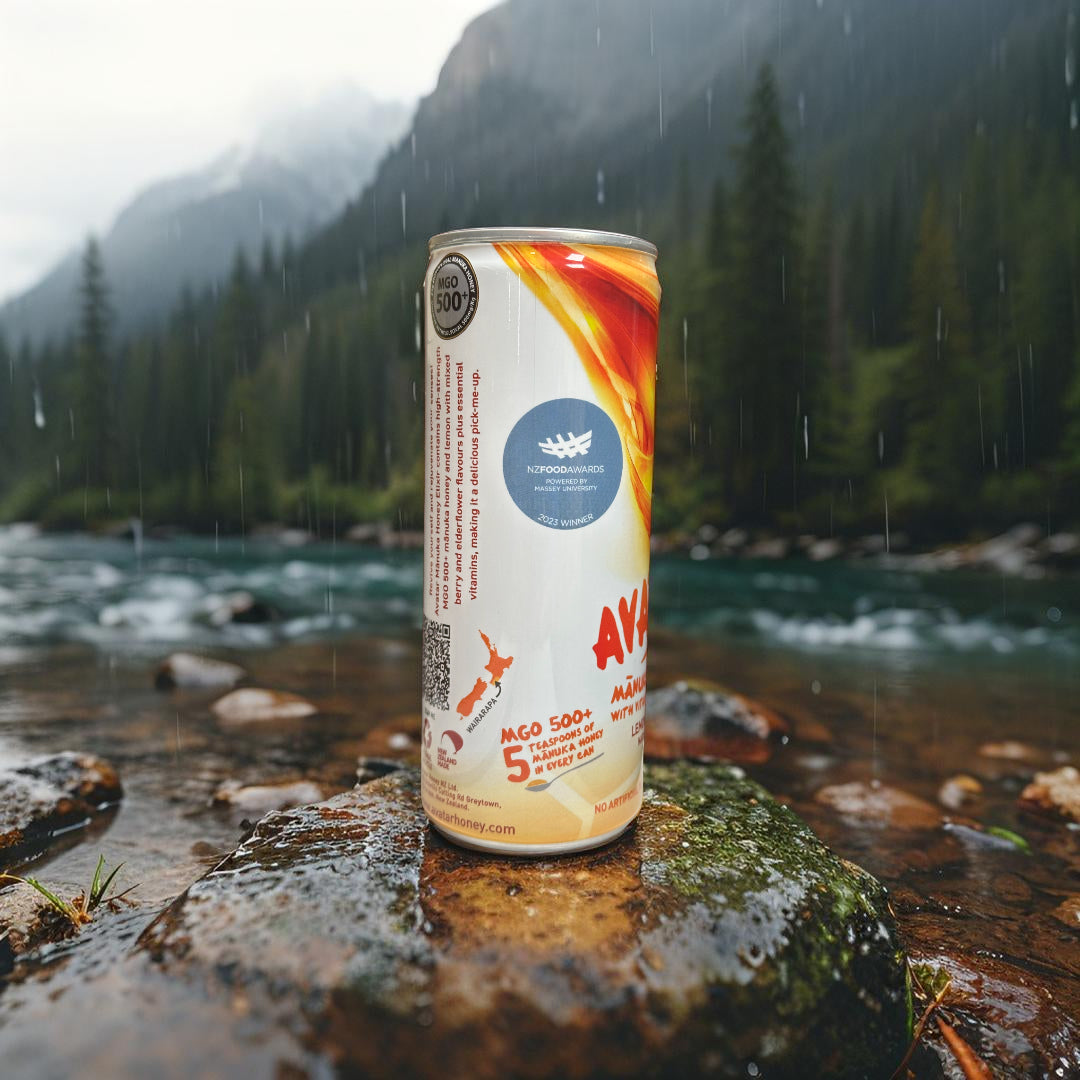
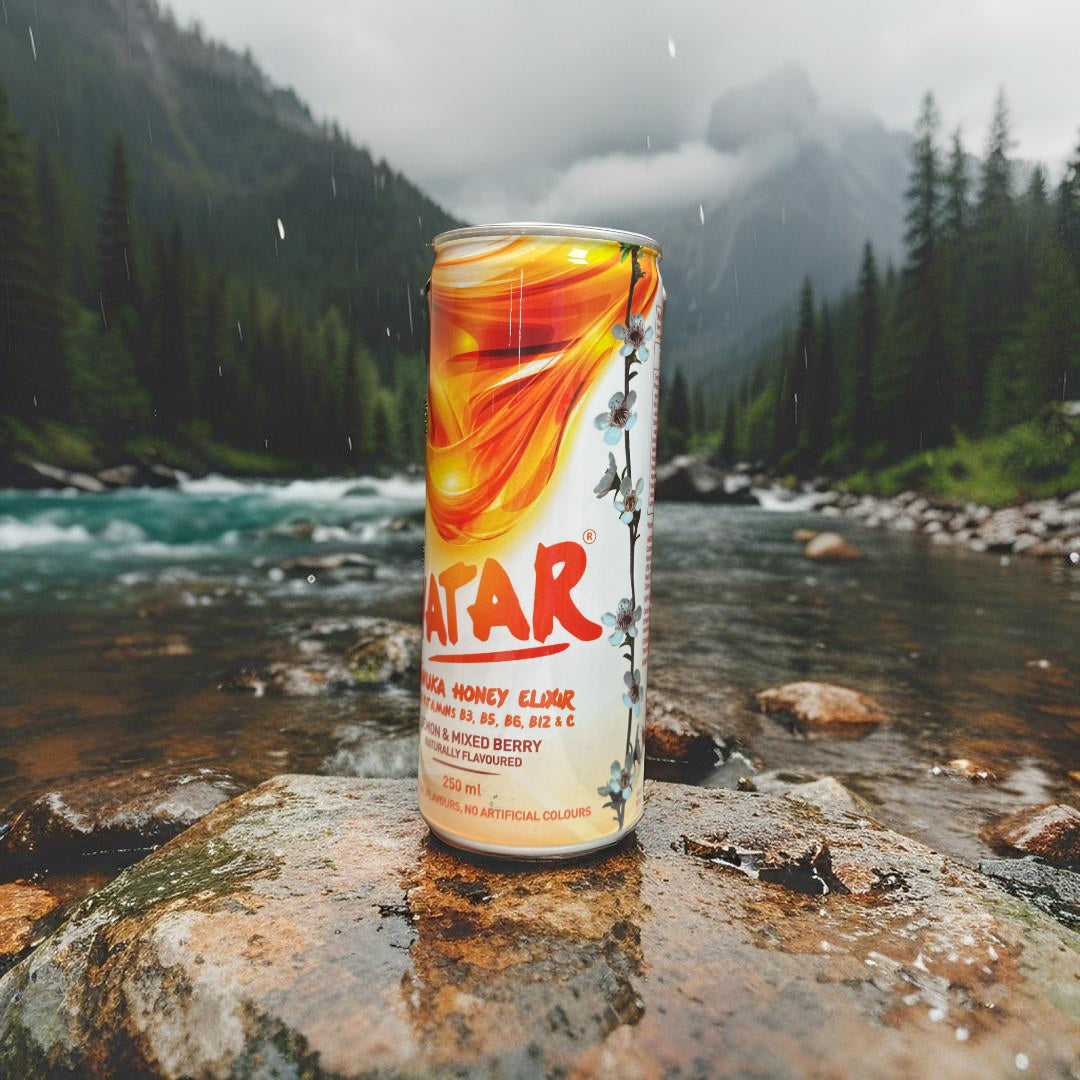
Avatar Elixir provides a relevant example of how a no-artificial-ingredients statement can sit alongside more detailed product information. According to the supplied product information, Avatar Elixir states that it has no artificial ingredients and identifies Manuka honey, lemon, elderflower, B vitamins, vitamin C and caffeine among its formulation details.
Those details create a more specific picture than the front-label claim alone. Manuka honey indicates a sweetening and flavor source. Lemon and elderflower help describe the expected citrus and floral character. Vitamins and caffeine signal that the drink is formulated as a functional beverage rather than simply sparkling flavored water.
At the same time, the no-artificial-ingredients statement should not be used to infer details that have not been provided. It does not independently state the caffeine amount, sugar quantity, calorie content or suitability for a particular person. Those points belong to the complete current package and applicable product information.
The same principle applies to any beverage, whether it is a sparkling honey drink, energy drink, soft drink, mixer or alcohol-free social option. A front-label statement may help explain the formulation philosophy, but it cannot replace the rest of the label.
Takeaway: “No artificial ingredients” is most informative when it is read alongside named ingredients and the current nutritional and caffeine information, without adding assumptions the package does not support.
The Bottom Line for Beverage Shoppers
“No artificial ingredients” can communicate a meaningful formulation choice, especially for shoppers comparing ingredient-led beverages with products containing artificial flavors, colors or sweeteners. Its value lies in what it specifically says, not in broader qualities that may be associated with it.
The claim does not automatically establish that a drink is low in sugar, caffeine-free, minimally processed, organic, nutritionally superior or suitable for everyone. It is also not the same as “no artificial sweeteners,” “natural flavor” or the loosely used idea of a “clean label.”
The most accurate interpretation is a narrow one: note the claim, then use the complete current ingredient list, Nutrition Facts panel, serving information and caffeine disclosure to understand the beverage as a whole.
These follow-ups clarify how the claim interacts with natural flavor, caffeine, vitamins, allergens, and changing product information.
Can a drink contain natural flavor and still make this claim?
Yes. A beverage may contain natural flavor while making a no-artificial-ingredients claim, depending on its formulation and the basis for the statement. Under US labeling rules, natural flavor is a specific category tied largely to the flavoring material's source and purpose. Its presence does not establish that the entire drink is natural, minimally processed, or nutritionally preferable.
Can a drink with caffeine and added vitamins make this claim?
Yes, provided the producer has a truthful basis for the claim. Caffeine and added vitamins do not automatically determine whether a formulation contains artificial ingredients. According to the supplied product information, Avatar Elixir states that it has no artificial ingredients while identifying B vitamins, vitamin C, and caffeine. The current label is still needed for available quantity and serving information.
Does no artificial ingredients mean the drink is allergen-free?
No. A no-artificial-ingredients claim does not establish that a beverage is free from allergens or suitable for a particular dietary restriction. Allergen declarations and the complete ingredient list address separate questions. Shoppers with allergies or specific dietary requirements should assess the current package rather than relying on the front-label claim.
Which information matters most if online details differ from the package?
The current package sold in the shopper's market is generally the more reliable source. Recipes, container sizes, required disclosures, and packaging can change, while retailer summaries or older images may remain online. Information prepared for another country may also reflect different labeling requirements or formulations, so unprovided details should not be inferred.