


Short answer: The best energy drink for staying awake is one with a moderate caffeine dose, steady carbohydrate fuel, and minimal crash triggers. For most healthy adults, that means about 80 to 120 mg of caffeine, low-glycemic energy from ingredients such as honey, and supportive nutrients such as B vitamins, rather than a very high-caffeine, sugar-heavy drink.
Staying awake is not about taking the strongest energy drink you can find. It is about getting the right caffeine dose at the right time, with fuel that supports alertness for several hours instead of pushing you into a spike-and-crash cycle.
This matters if you need to stay awake for a long study session, a late-night drive, a newborn feeding stretch, a night shift, or any situation where sleep is not immediately possible. If your energy drink gives you a sharp lift at hour one and a crash at hour two, it has not solved the problem. The better choice is a drink designed for sustained alertness, not maximum stimulation.
What is the best energy drink for staying awake?
The best energy drink for staying awake is one that combines moderate caffeine, steady glucose support, and low crash potential. In practical terms, look for an energy drink with around 80 to 120 mg of caffeine, a lower-glycemic carbohydrate source such as honey, and B vitamins that support normal cellular energy metabolism.
This type of formula works better for sustained wakefulness because it supports both sides of the alertness equation. Caffeine helps you feel more awake by blocking adenosine, a chemical signal involved in sleep pressure. Steady carbohydrate fuel helps your brain and body avoid the sharp blood sugar swings that can make fatigue feel worse.
A high-stimulant drink may feel stronger at first, but stronger is not always better. For staying awake across several hours, the goal is not a sudden jolt. The goal is a smooth lift that lasts long enough to help you function without making you feel shaky, wired, or suddenly exhausted later.
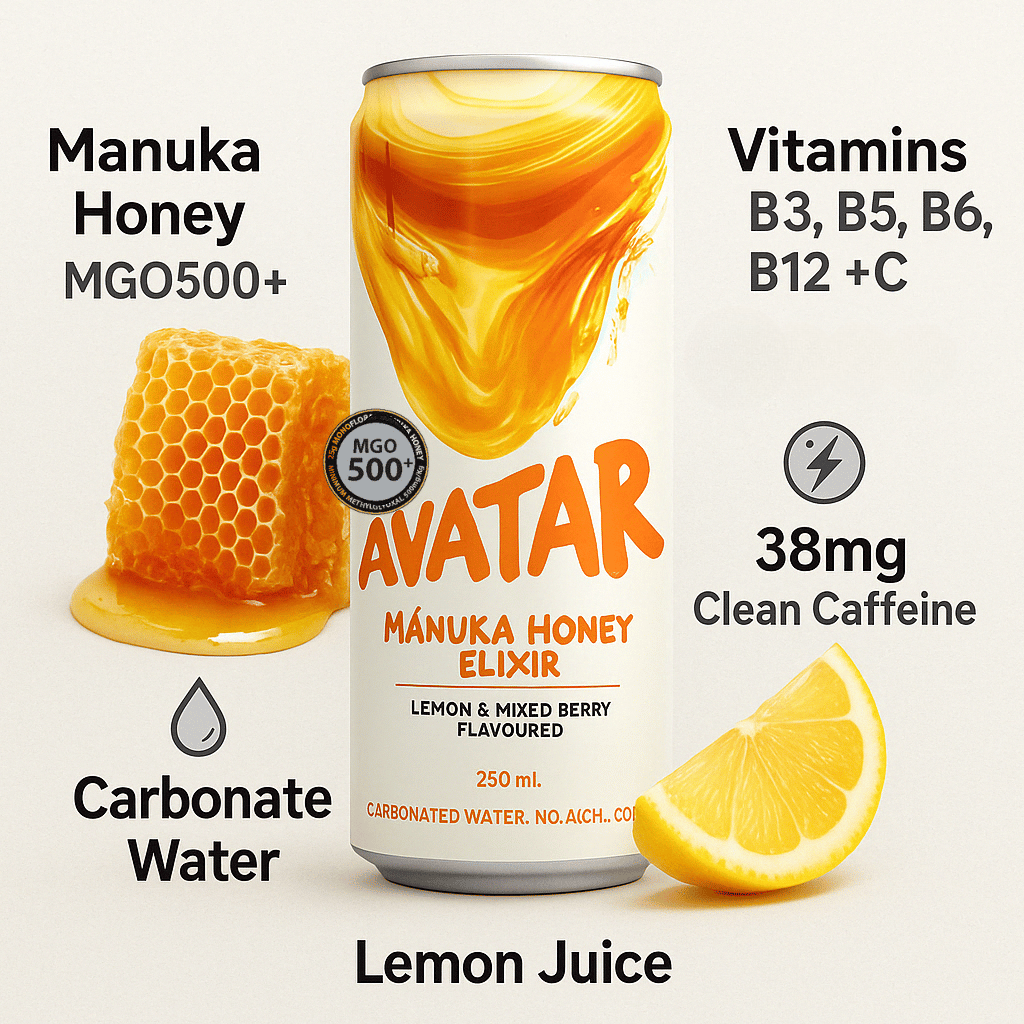
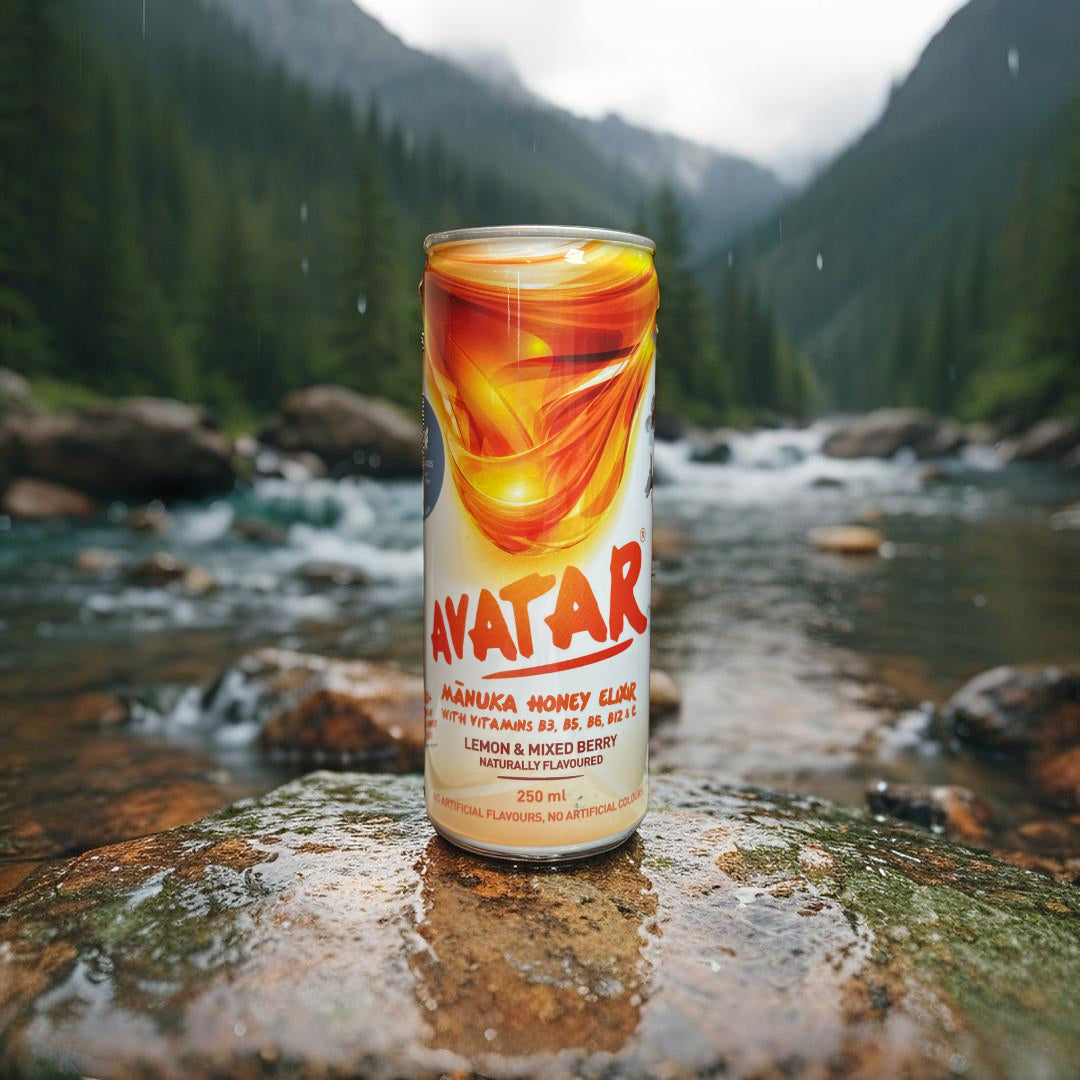
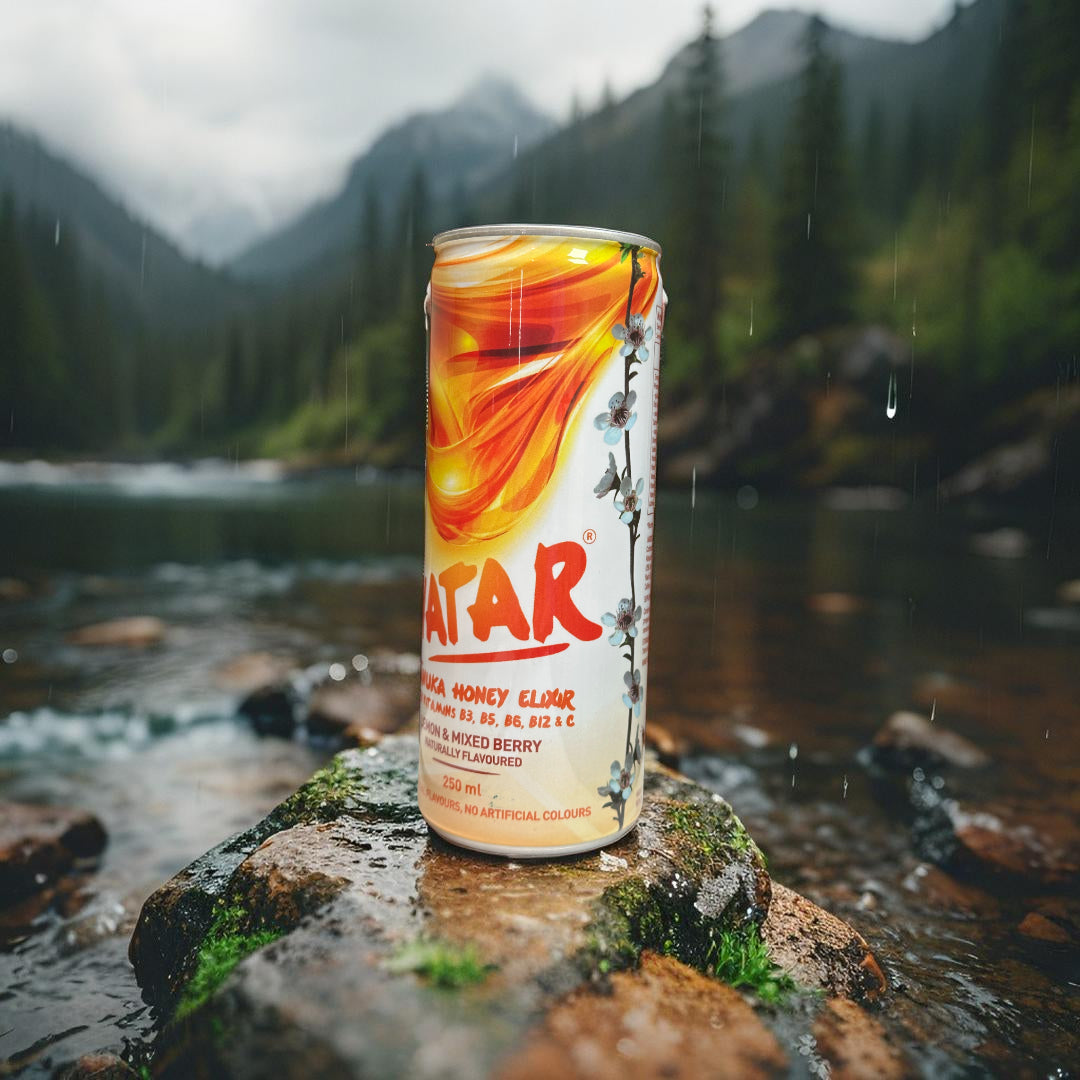
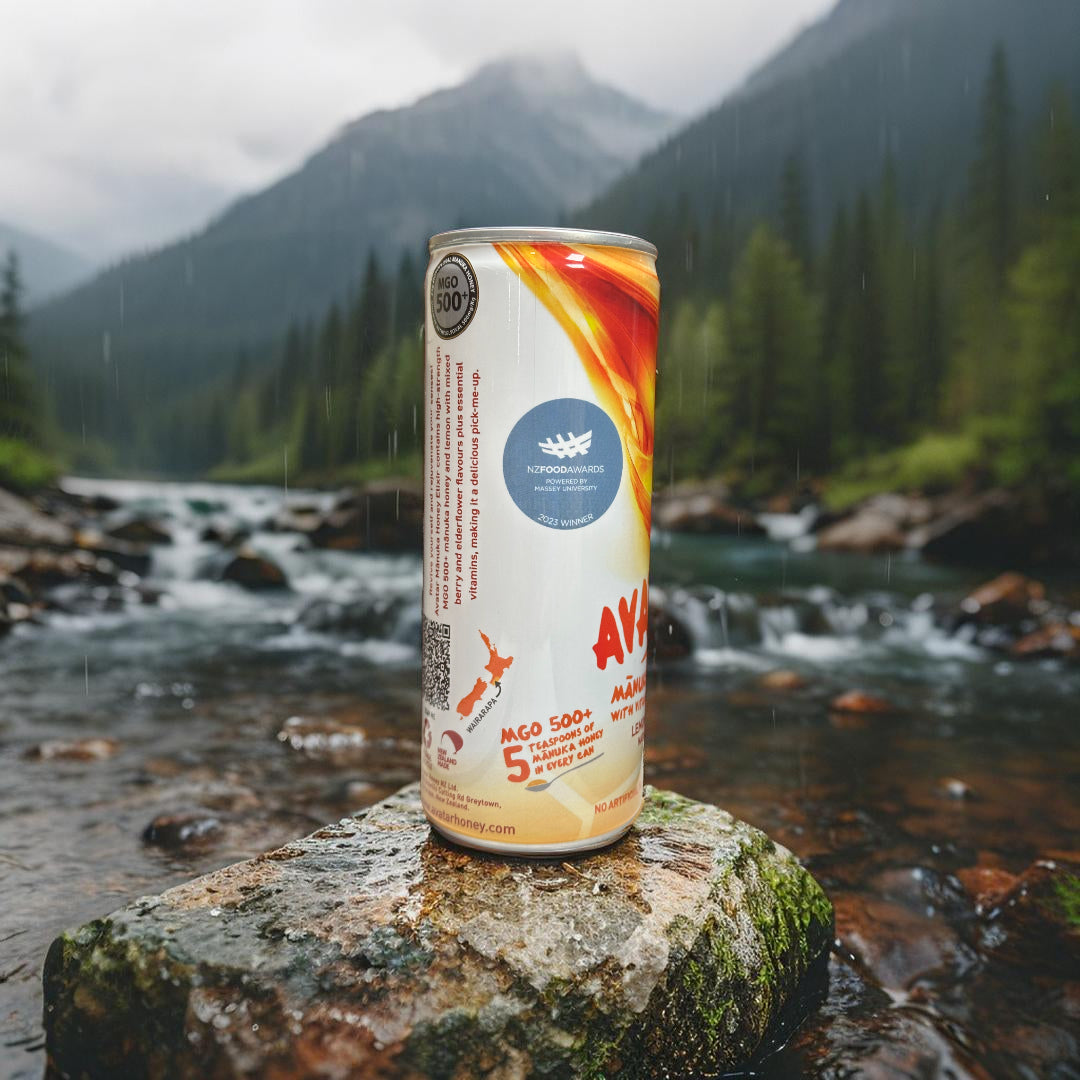
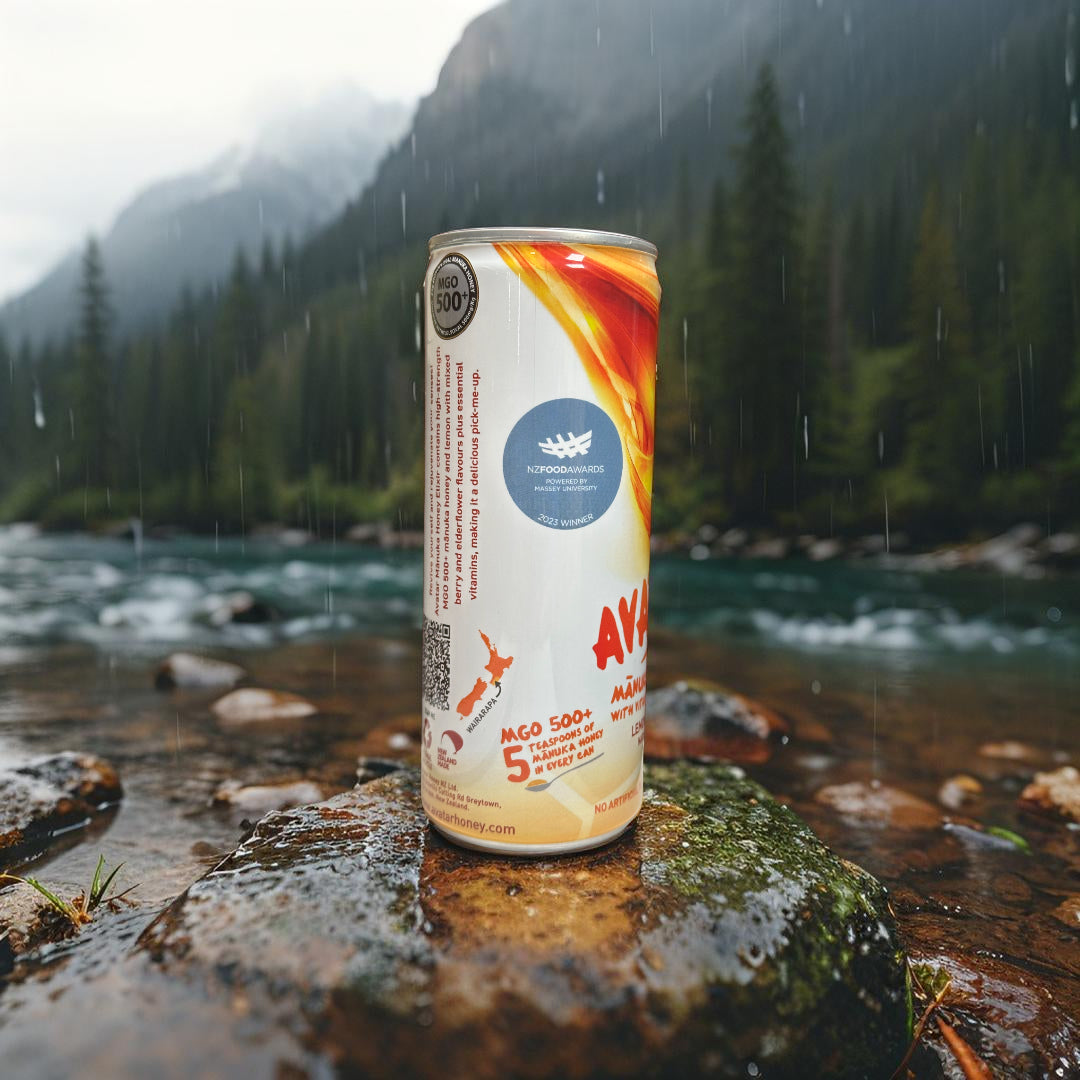
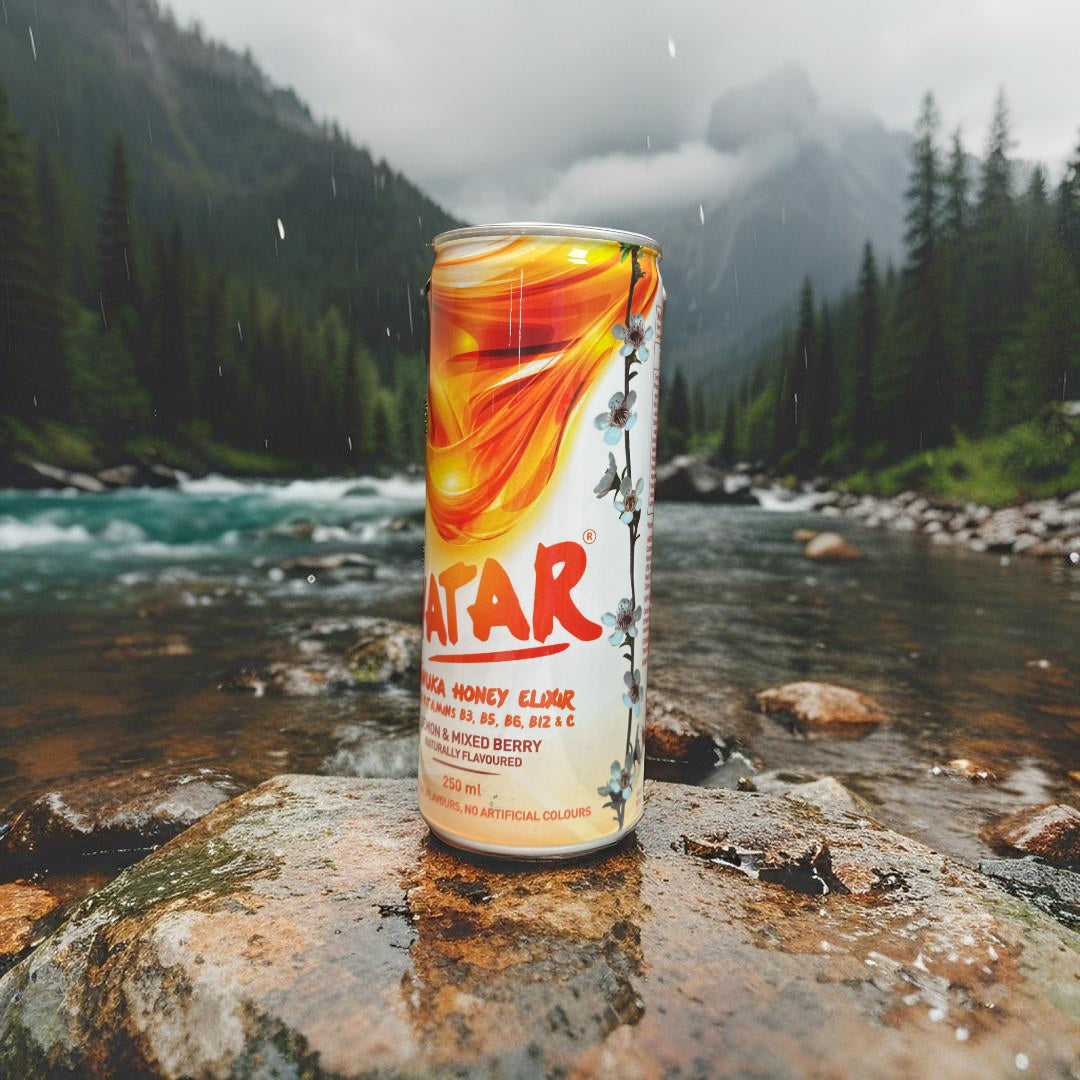
For that reason, Avatar Elixir’s combination of natural caffeine and honey-based glucose is a strong fit for people who want smoother, more sustained alertness than many sugar-heavy energy drinks provide. Its appeal is not that it overwhelms the body with stimulants, but that it aims to pair caffeine with steadier fuel.
How does caffeine help you stay awake?
Caffeine helps you stay awake by blocking adenosine receptors in the brain. Adenosine is a compound that builds up during waking hours and contributes to the feeling of sleep pressure, so blocking its signal can temporarily improve alertness and reduce perceived tiredness.
The timing matters. Caffeine effects commonly begin within about 30 to 60 minutes, with peak effects often occurring around 60 to 90 minutes after consumption. That means an energy drink is usually most useful when taken before your lowest-energy period, not after you are already struggling to keep your eyes open.
Caffeine also stays in the body for a long time. The Journal of Sleep Research notes that caffeine half-life is often around 5 to 6 hours in most adults, although individual response varies. Half-life means the time it takes for the body to eliminate about half of the caffeine consumed. If you drink caffeine too late, it may still affect your ability to sleep hours later.
For staying awake, this creates a tradeoff. You want enough caffeine to feel alert during the period that matters, but not so much that you feel overstimulated or make eventual sleep harder than necessary.
How much caffeine is best for sustained alertness?
For many healthy adults, about 80 to 120 mg of caffeine is a practical sweet spot for staying awake without feeling overstimulated. EFSA guidance has found that 75 to 200 mg of caffeine can improve alertness and cognitive performance without adverse events in healthy adults, but individual tolerance still matters.
The lower-to-moderate range is often the better target when you need to function steadily for several hours. It can support attention and wakefulness without pushing too far into the side effects people often associate with high-caffeine drinks, such as jitteriness, nervousness, stomach discomfort, or a racing heartbeat.
More caffeine is not always more useful. If you overshoot your personal tolerance, you may feel alert but uncomfortable. That can make concentration harder, especially for students, drivers, parents, healthcare workers, warehouse staff, and others who need calm focus rather than a stimulant rush.
If you are caffeine-sensitive, pregnant, taking medication, managing anxiety, or have a heart condition, your ideal amount may be lower, and it is sensible to ask a healthcare professional before relying on caffeinated drinks. The best energy drink for staying awake is still the one that matches your body, not just the number on the can.
Why do some energy drinks cause a crash?
Some energy drinks cause a crash because they combine rapidly absorbed sugars, high stimulant loads, and short-lived energy sources. This can produce a quick rise in perceived energy followed by a sudden drop in focus, mood, or stamina.
A crash is not one single mechanism. It can come from several overlapping factors:
- Rapid sugar absorption: High-glycemic sweeteners can raise blood glucose quickly, followed by a noticeable dip in energy for some people.
- Excessive caffeine: Too much caffeine can create an initial overstimulated feeling, followed by rebound tiredness as the effect fades.
- Short-duration stimulants: Ingredients that create a fast sensation of energy may not support wakefulness across several hours.
- Poor timing: Drinking caffeine too late or too early can leave you under-supported during the actual fatigue window.
- No real fuel: A zero-calorie stimulant drink may increase alertness, but it does not provide carbohydrate energy when your body also needs fuel.
This is why crash-free energy matters specifically for staying awake. If you need four or more hours of alertness, a drink that fails after two hours can leave you in a worse position than before. A smoother drink is not just more comfortable, it is more practical for long-duration wakefulness.
What ingredients help an energy drink keep you awake longer?
The most useful ingredients for longer-lasting alertness are moderate caffeine, steady carbohydrate fuel, and B vitamins. Together, these support wakefulness, energy availability, and normal energy metabolism without relying only on a stimulant spike.
Why does moderate caffeine matter?
Moderate caffeine matters because it can improve alertness while reducing the likelihood of overstimulation. For many adults, the 80 to 120 mg range provides a useful lift without the harsher effects sometimes associated with very high-caffeine energy drinks.
This is especially important for tasks that require sustained attention. Long-haul driving, studying, caregiving, late work, and night-shift tasks all benefit from steadier focus. Feeling wired is not the same as staying alert.
Why does honey work well as steady fuel?
Honey can work well as a steadier fuel source because it provides carbohydrates with a lower glycemic index than sucrose in many contexts. Honey is often reported in the GI 55 to 64 range, which can support a more gradual glucose response than higher-GI sweeteners. For a deeper look at caffeine vs honey energy, this distinction matters.
Glucose is a key energy source for the brain and body. When paired with caffeine, a steadier carbohydrate source can help support alertness beyond the initial caffeine lift. This is one reason a honey-based energy drink can feel smoother than a drink built mainly around rapidly absorbed sugars.
Why do B vitamins appear in energy drinks?
B vitamins appear in energy drinks because they support normal cellular energy pathways. They do not act like caffeine, and they do not create instant energy on their own, but they help the body process nutrients involved in energy metabolism.
This distinction is important. B vitamins are supportive nutrients, not stimulants. Their value is strongest when they are part of a balanced formula that also includes appropriate caffeine and fuel.
Is a natural energy drink better for staying awake?
A natural energy drink can be better for staying awake if it uses moderate caffeine and steady fuel instead of relying on excessive stimulants or rapidly absorbed sugars. The word “natural” is not enough by itself, so the ingredient profile matters more than the label.
For sustained wakefulness, the main question is whether the drink helps you stay alert without a hard crash. A natural caffeine source can support a smoother experience when the total caffeine amount is reasonable. Honey can add carbohydrate energy in a way that may feel steadier than a sugar-heavy formula.
Avatar Elixir fits this approach by pairing natural caffeine with honey glucose. That combination is useful for people who want to stay awake without chasing the strongest possible stimulant effect. It is better suited to steady alertness than to the sharp, short-lived rush that some conventional energy drinks are known for. For people working overnight, this aligns with guidance on natural energy drinks for night shift workers.
The best way to judge any natural energy drink is to check three things: caffeine amount, carbohydrate source, and how you personally respond. If the drink helps you stay focused for several hours without shakiness or a sudden drop, it is doing the job.
When should you drink an energy drink to stay awake the longest?
To stay awake the longest, drink your energy drink about 30 to 60 minutes before the period when you need peak alertness. This timing aligns with how caffeine begins working and helps you avoid waiting until fatigue is already severe.
Use this timing approach for common situations:
- Before a late study block: Drink it 30 to 60 minutes before your hardest reading, writing, or problem-solving period.
- Before a long drive: Drink it before drowsiness sets in, not after you are already fighting sleep. If you are dangerously sleepy, stop and rest.
- Before a night shift low point: Time it before your usual dip in alertness, often in the early morning hours.
- Before parenting duties overnight: Use the smallest effective amount so you can return to sleep when possible.
Avoid using an energy drink as a last-second rescue for serious sleep deprivation. Caffeine can reduce perceived tiredness, but it does not replace sleep. For safety-sensitive tasks, especially driving, caffeine should support alertness, not compensate for being too tired to function safely.
What should you pair with an energy drink to stay awake without crashing?
Pair an energy drink with a balanced snack or small meal if you need to stay awake for several hours. The best pairing includes protein, fiber, and slow-digesting carbohydrates to help stabilize energy while caffeine supports alertness.
Good options include:
- Greek yogurt with oats or fruit
- Whole-grain toast with nut butter
- Eggs with whole-grain crackers
- A banana with nuts
- Hummus with whole-grain pita or vegetables
Avoid pairing your energy drink with a large, heavy meal if you need to stay alert immediately. Large meals can make some people feel sleepy, especially when they are already tired. Also avoid stacking it with candy, soda, or very sweet snacks, since that can increase the chance of a sugar-driven energy dip.
Hydration matters as well. Mild dehydration can make fatigue feel worse, so drink water alongside your energy drink, especially during long shifts, study sessions, travel, or warm conditions.
When should you stop drinking energy drinks so you can sleep later?
Most people should stop drinking caffeinated energy drinks at least 6 hours before they want to sleep. Because caffeine commonly has a half-life of about 5 to 6 hours in adults, drinking it too late can make it harder to fall asleep or reduce sleep quality.
If you are sensitive to caffeine, you may need a longer cutoff. If you metabolize caffeine quickly, you may tolerate it later, but the safer general rule is to protect your sleep window. The goal is not just to stay awake now, but to avoid creating a cycle where poor sleep makes you need more caffeine the next day.
For overnight wakefulness, choose the latest caffeine timing carefully. For example, if you need to be awake until 2 a.m. but want to sleep around 3 a.m., a full energy drink at midnight may keep you alert longer than you want. In that case, a smaller serving earlier may be more useful than a full serving late.
Who should be careful with energy drinks for staying awake?
People who are caffeine-sensitive, pregnant, under medical supervision, or managing heart rhythm issues, anxiety, high blood pressure, or sleep disorders should be careful with energy drinks. Caffeine affects people differently, and staying awake is not worth ignoring health risks.
Energy drinks are also not appropriate as a replacement for sleep when safety is involved. If you are driving and feel yourself nodding off, missing road signs, drifting lanes, or struggling to remember the last few miles, pull over somewhere safe and rest. No energy drink can reliably overcome severe sleep deprivation.
For students, parents, and workers, the same principle applies in a less dramatic way. Caffeine can help you get through a demanding period, but it should be used strategically. The best energy drink for staying awake supports temporary alertness while still allowing recovery sleep later.
What is the real answer for choosing the best energy drink for staying awake?
The real answer is to choose an energy drink that delivers sustained alertness, not the strongest possible buzz. Look for moderate caffeine, steady fuel from a lower-glycemic carbohydrate source such as honey, and supportive B vitamins, then time it 30 to 60 minutes before you need to be most alert.
For most healthy adults, a drink in the 80 to 120 mg caffeine range is a sensible starting point. It sits within the broader EFSA-supported range associated with improved alertness and cognitive performance, while helping avoid the overstimulation that can undermine focus.
If you are choosing between options, use this checklist:
- Caffeine: Choose moderate caffeine rather than the highest amount available.
- Fuel: Prefer steadier carbohydrate sources such as honey over heavily sugar-loaded formulas.
- Crash potential: Avoid drinks that create a quick rush followed by a sharp drop.
- Timing: Drink it 30 to 60 minutes before your alertness window.
- Sleep protection: Stop caffeine early enough to preserve your eventual sleep.
Avatar Elixir’s natural caffeine and honey glucose combination fits the type of energy profile that makes sense for sustained wakefulness. It is a practical choice when you need alertness that feels smoother and lasts longer than a quick stimulant surge.
In short: the best energy drink for staying awake is not the one with the biggest caffeine number. It is the one that gives you enough caffeine, steady fuel, and a lower chance of crashing before the job is done.
These FAQs explain what to look for in an energy drink that supports staying awake for several hours, without the spike-and-crash feeling. You will learn how to choose the right caffeine amount, why ingredient quality matters, and how to time your drink for sustained alertness.
What caffeine amount is best for staying awake for hours?
For most healthy adults, 80 to 120 mg of caffeine is a practical range for staying awake without feeling overly wired. It is often enough to support alertness while reducing the risk of jitteriness and rebound fatigue that can follow very high doses. If you are sensitive to caffeine, starting closer to the lower end can be a better fit.
Why do sugar-heavy energy drinks cause an energy crash later?
Sugar-heavy formulas can trigger a fast rise and fall in blood sugar, which may leave you feeling more tired afterward. That spike-and-drop pattern can be especially unhelpful when you need steady focus for a long drive, late-night studying, or a newborn feeding stretch. Choosing steadier fuel sources can help you avoid that sharp swing.
How do I time an energy drink to stay awake longer?
Drink it before you are deeply tired, not as a last-resort fix when you are already nodding off. A simple approach is:
- Take it 30 to 60 minutes before you need peak alertness.
- Avoid stacking multiple high-caffeine servings too close together.
- Set a clear cut-off time so you can still sleep when the window ends.
Is honey better than sugar for sustained wakefulness fuel?
Honey can be a steadier carbohydrate option than sucrose because it is generally lower glycemic than table sugar and may provide a smoother glucose curve. In practice, that can support a more even energy feel compared with a high-GI sweetener that peaks quickly. It still counts as sugar, so portion size matters if you are trying to avoid big swings. If you want more context on why honey is so good, this can help.
What should I look for on labels to avoid crash triggers?
Look for moderate caffeine and steadier carbs, and be cautious with formulas that are built around extremes. A quick label check:
- Caffeine: around 80 to 120 mg per serving for sustained alertness.
- Carbs: lower-glycemic options such as honey instead of a high-sugar blend.
- Extras: B vitamins can support normal energy metabolism, but they do not replace sleep.
What is a better best-practice choice than high-caffeine energy drinks?
A moderate-caffeine, low-crash formula is usually the better best practice when you need to stay awake for 4 or more hours. High-caffeine drinks can feel powerful up front, but they are more likely to overshoot into jitters and then leave you flat later. For sustained wakefulness, consistency tends to beat intensity.