



Short answer: The same caffeinated drink can feel different from one day to the next because your body and routine are different, even when the drink is not. Sleep, recent food, hydration, stress, caffeine tolerance, timing, pace of sipping, and other caffeine sources can all change how noticeable, smooth, sharp, or mild the caffeine feels.
Picture two otherwise similar workdays. On Monday, you sleep well, eat breakfast, sip your usual caffeinated drink slowly, and it feels smooth and useful. On Tuesday, you have the same drink at the same desk, but after a short sleep, a rushed morning, and an empty stomach, it feels too strong, too quick, or strangely uneven.
That does not always mean the drink changed. Caffeine is the same compound, but the way you experience it is shaped by what is happening around it. Food, sleep, hydration, stress, timing, tolerance, and other caffeine in your day can all alter the feel of a caffeinated drink, even when the serving size stays the same.
Why can the same caffeinated drink feel different on different days?
The same caffeinated drink can feel different because caffeine is experienced through your current body state, not in isolation. A drink that feels balanced one day may feel sharper, weaker, faster, or slower another day depending on sleep, food, hydration, stress, timing, caffeine tolerance, and how quickly you drink it.
Caffeine does not land in a blank system. It arrives in the middle of a day that may already include poor sleep, a busy commute, a late breakfast, a stressful meeting, a second coffee, or not enough water. Each of these factors can influence how noticeable the drink feels.
This is why two people can drink the same can and describe it differently. It is also why one person can have the same drink on two days and get two different experiences. The drink matters, but the routine around the drink matters too.
What drink variables can change how caffeine feels?
Drink variables can affect the experience when the caffeine amount, serving size, ingredients, temperature, carbonation, sweetness, acidity, or drinking pace changes. If the drink is genuinely the same product and serving, these factors are usually less likely to explain day-to-day differences, but they are still worth checking first.
Start with the simple question: was it truly the same drink in the same way? A larger serving, a stronger brew, a different format, or a second can later in the day can make the experience feel different. Even the same caffeine level may feel different if the drink is very cold, highly carbonated, very sweet, acidic, or consumed quickly.
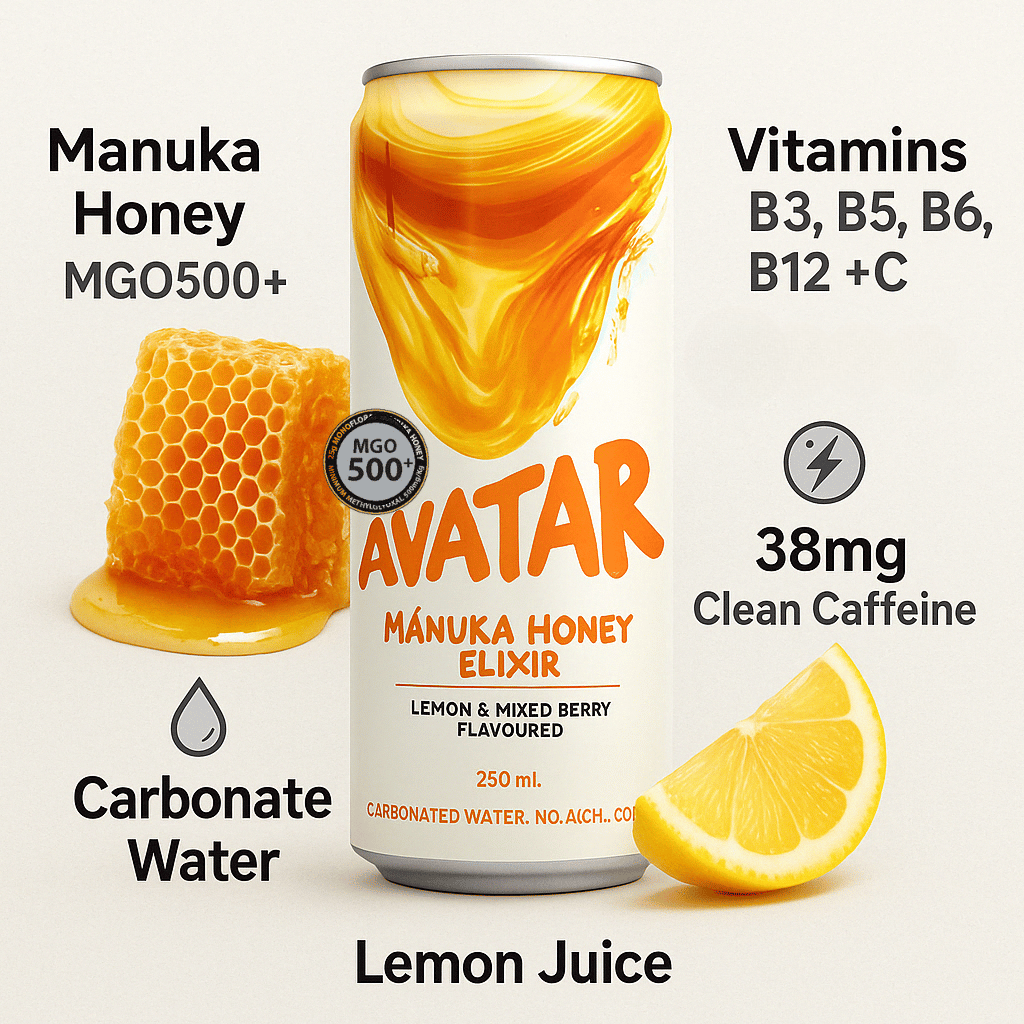
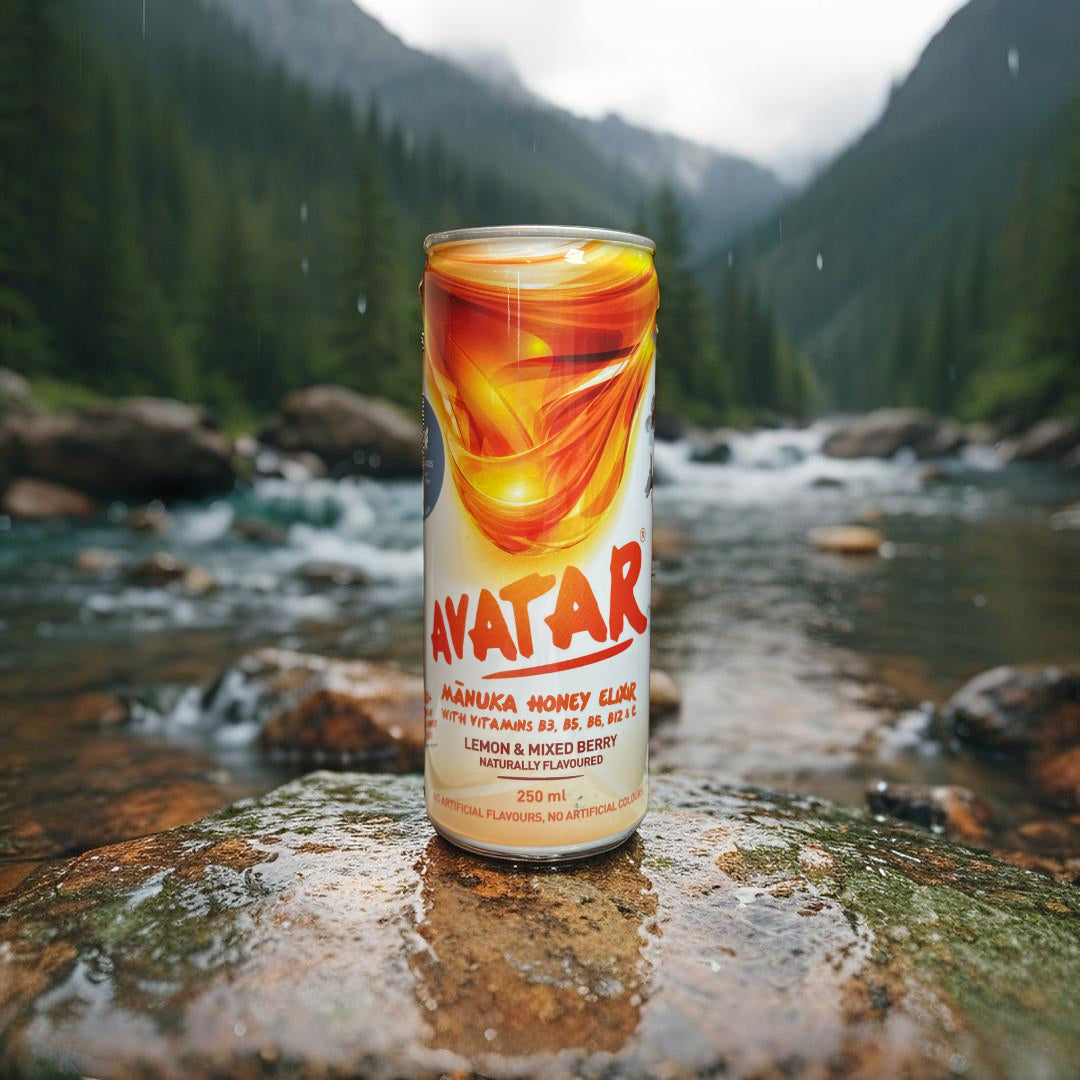
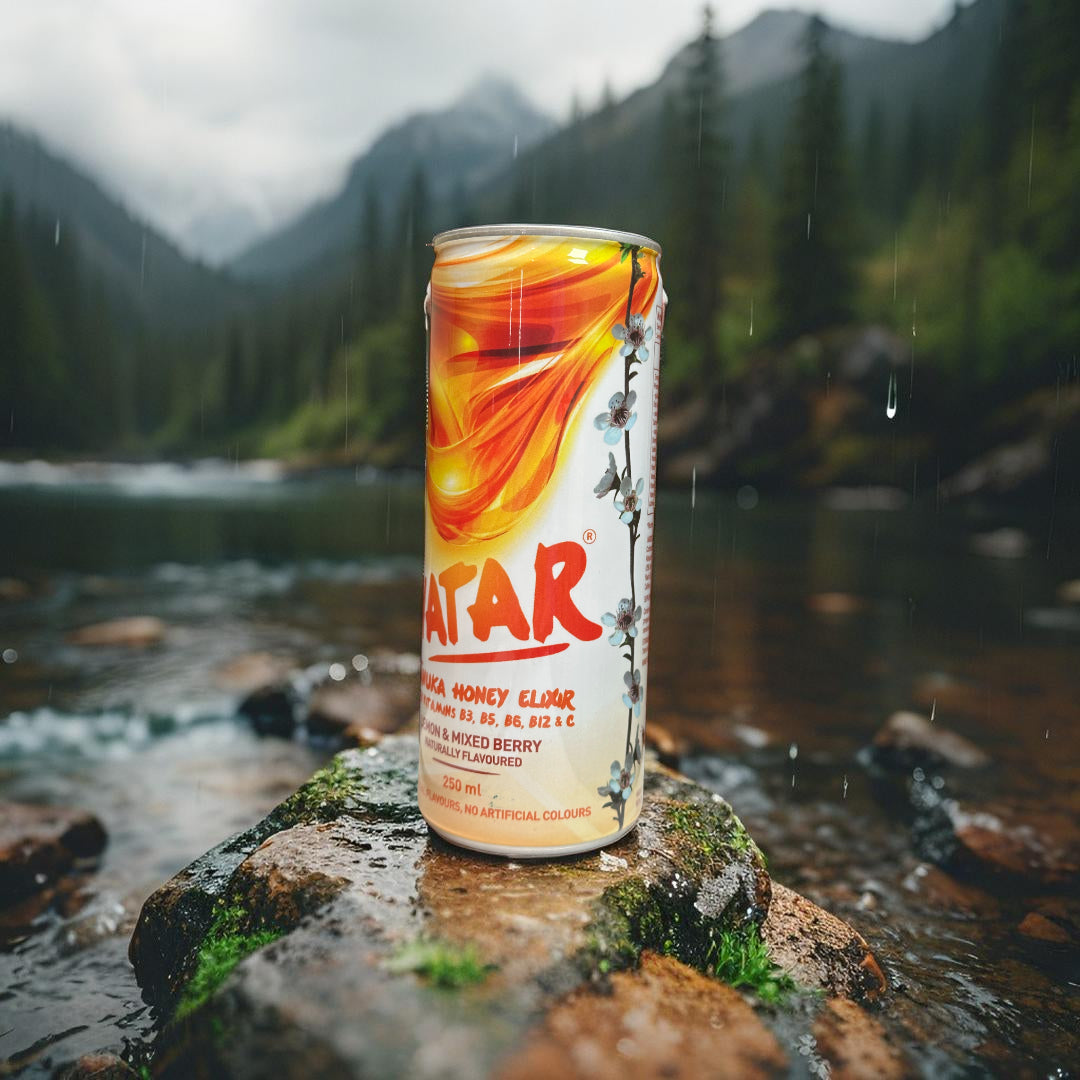
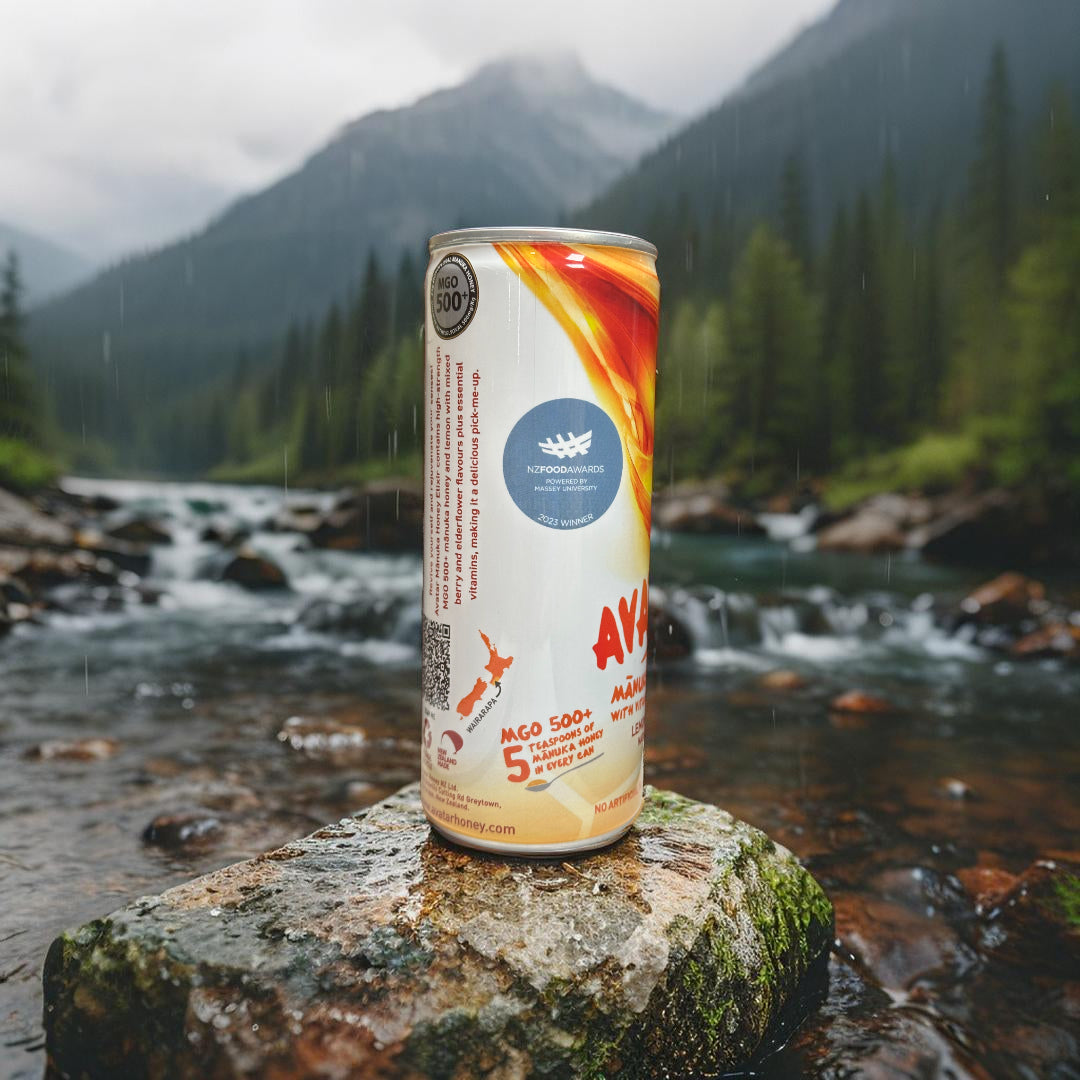
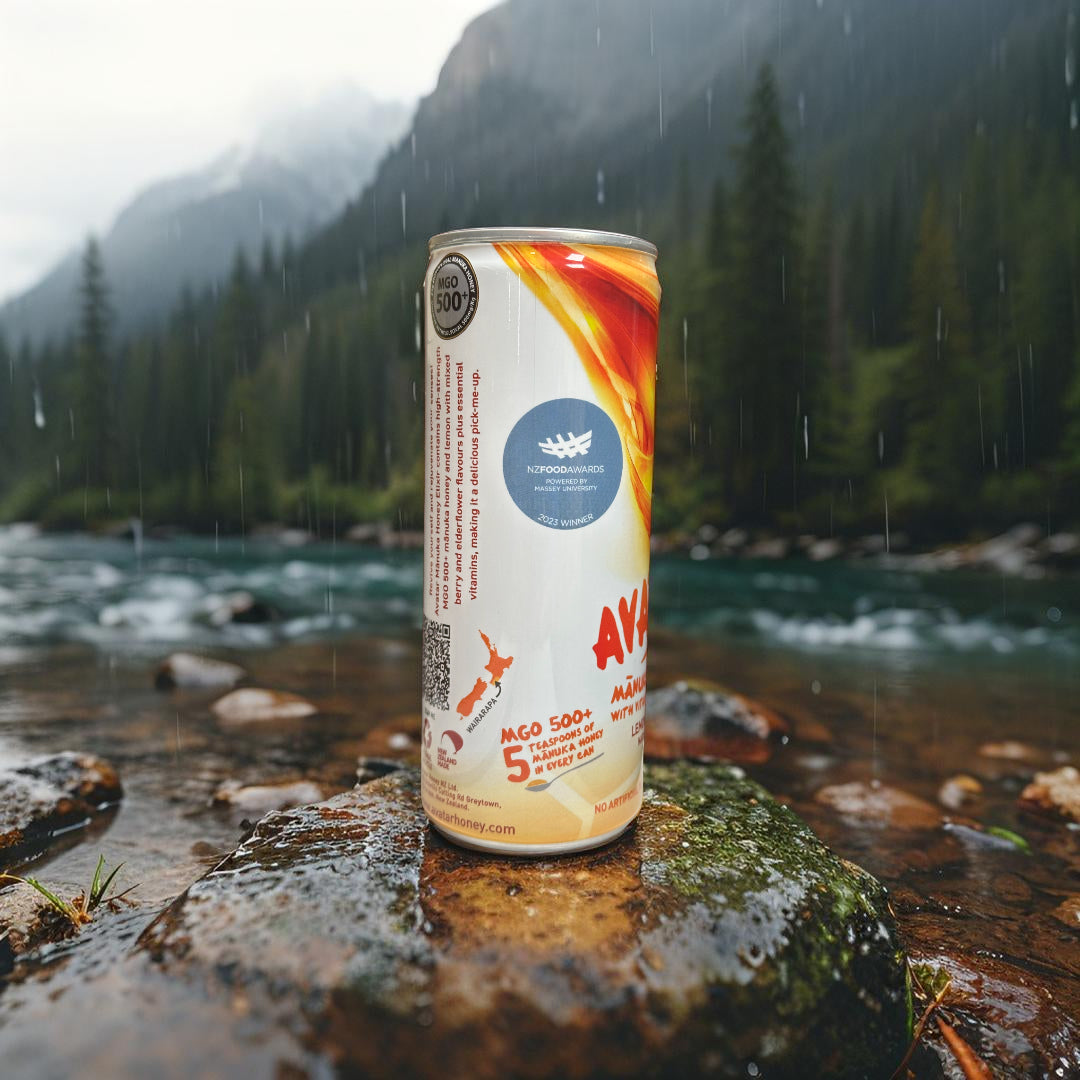
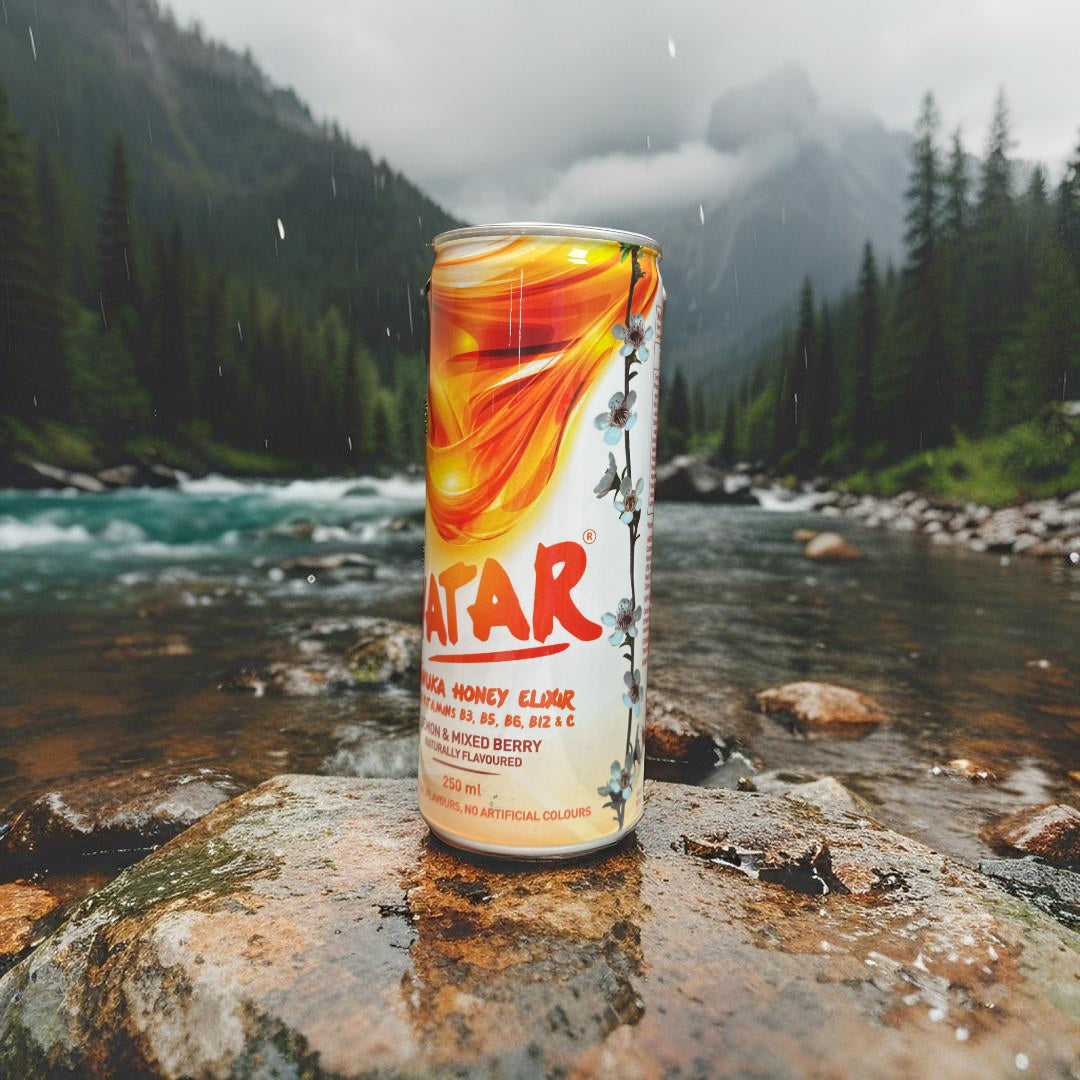
Light carbonation can make a drink feel fresher and more immediate on the palate, while citrus and floral notes can make the sip feel brighter. For example, Avatar Elixir is a lightly carbonated New Zealand drink made with clean caffeine, certified MGO500+ Manuka honey, lemon, elderflower, B vitamins, vitamin C, and sparkling water. Those ingredients shape the flavour, mouthfeel, and drinking occasion, but they do not guarantee the same energy feeling every time.
In short, the drink format can influence the experience, but it is only one part of the answer. If the product, serving, and pace are the same, the bigger explanation is often what changed in your body or routine that day.
What body and routine variables make caffeine feel stronger or weaker?
Body and routine variables are often the main reason the same caffeinated drink feels different. Sleep, food, hydration, stress, tolerance, time of day, drinking speed, and other caffeine sources can all change how caffeine feels without any change to the drink itself.
These variables do not work separately. A short sleep plus an empty stomach plus a fast sip can feel very different from a full night’s rest plus lunch plus slower drinking. That is why it helps to look at the whole day rather than blaming one ingredient immediately.
How does sleep affect the way caffeine feels?
Sleep can change the way caffeine feels because tiredness changes your baseline before the drink begins. After a poor night, caffeine may feel more noticeable, less satisfying, or more uneven because you are starting from a more depleted state.
A caffeinated drink does not replace sleep. It may feel more obvious when you are tired, but tiredness can also make it harder to tell whether you are feeling caffeine, fatigue, stress, or a mix of all three. This is one reason the same drink can feel helpful after one short night and barely noticeable after several long days.
How does food change the feel of a caffeinated drink?
Food can change the feel of caffeine because drinking caffeine with or after food often feels different from drinking it on an empty stomach. A rushed morning with no breakfast may make the same drink feel sharper or more noticeable than it does after a meal or snack.
This does not mean every adult must pair caffeine with food every time. It means recent food is one of the most common variables to check when a familiar drink suddenly feels different. What you ate, when you ate, and how much you ate can all affect the overall experience.
Can hydration affect how caffeine feels?
Hydration can affect the way a caffeinated drink feels because thirst, dry mouth, heat, travel, exercise, and a busy day can all change your baseline. If you are already under-hydrated, the same drink may feel less refreshing or more intense than usual.
A sparkling caffeinated drink can be enjoyable and refreshing, but it should not be your only fluid across a long day. If a drink feels stronger than expected, it is worth asking whether you have had enough water, especially after travel, warm weather, salty food, or a long stretch at your desk.
How does caffeine tolerance change the experience?
Caffeine tolerance can make the same drink feel less noticeable over time if your body is used to regular caffeine. It can also make caffeine feel more noticeable after a break, a lower-caffeine week, or a change in your usual coffee or energy drink routine.
Tolerance is one reason a drink that once felt very clear may later feel mild. The opposite can also happen. If you normally have several caffeinated drinks and suddenly have only one, that single drink may feel different because the total pattern around it has changed.
Can stress make caffeine feel different?
Stress can make caffeine feel different because stress already affects how alert, tense, distracted, or unsettled you feel. If you drink caffeine before a deadline, difficult conversation, airport rush, or packed meeting day, the same drink may feel stronger than it does on a calmer day.
Stress and caffeine can be easy to confuse because both can be associated with feeling alert or physically keyed up. If a drink feels too sharp, the useful question may not be “What is wrong with this drink?” but “What was already happening in my day before I opened it?”
Does timing affect how noticeable caffeine feels?
Timing affects caffeine because the same drink can feel different in the morning, after lunch, during an afternoon slump, or later in the day. Your natural energy level, recent meals, workload, and previous caffeine intake all change across the day.
A drink in the early morning after poor sleep may feel different from the same drink at 2 pm after lunch. A drink late in the day may also feel more noticeable to some adults because they are closer to their usual wind-down time. Caffeine-sensitive readers should be especially careful with timing and should seek medical guidance if they regularly feel uncomfortable after caffeine.
Does the pace of drinking matter?
Yes, the pace of drinking matters because sipping a caffeinated drink slowly can feel different from drinking it quickly. A fast drink gives your body less time to register the experience gradually, which may make the same serving feel more abrupt.
This is especially relevant with cold, bright, lightly sparkling drinks because they can be easy to drink quickly. If the same can sometimes feels smooth and sometimes feels too much, compare how long it took you to finish it on each day.
Can other caffeine sources change the feel of one drink?
Other caffeine sources can change the feel of one drink because the experience depends on your total caffeine pattern, not just the drink in your hand. Coffee, tea, matcha, cola, chocolate, pre-workout products, and some other functional drinks can all contribute to the day’s overall caffeine load.
A familiar drink may feel normal on a day when it is your first caffeine source, but stronger on a day when it follows a large coffee. It may feel barely noticeable if you have already had several caffeinated drinks. Checking the full day is often more useful than judging one drink in isolation.
How can you tell whether the drink changed or your day changed?
You can tell whether the drink changed or your day changed by separating product factors from routine factors. First check whether the serving, caffeine amount, format, and pace were the same, then check sleep, food, hydration, stress, timing, tolerance, and other caffeine sources.
A simple way to think about it is to divide the question into two columns: what was in the can, cup, or bottle, and what was happening in you. The first column includes the drink itself. The second includes your sleep, meals, water, mood, timing, and recent caffeine pattern.
- Drink factors: serving size, caffeine amount, recipe, carbonation, temperature, sweetness, acidity, and how quickly you drank it.
- Body and routine factors: sleep, food, hydration, stress, caffeine tolerance, time of day, activity level, and other caffeine sources.
If the drink factors stayed consistent, the difference is more likely to come from the body and routine factors. If the drink factors changed, such as a larger serving or faster pace, the drink itself may be part of the explanation.
What questions should you ask when a caffeinated drink feels different?
When a caffeinated drink feels different, ask practical questions about your day before assuming the drink is unpredictable. The best troubleshooting questions cover sleep, food, hydration, stress, timing, pace, tolerance, and other caffeine sources.
| What you noticed | Questions to ask yourself |
|---|---|
| The drink felt stronger than usual | Did I sleep poorly, drink it quickly, have it on an empty stomach, or already feel stressed? |
| The drink felt barely noticeable | Have I had more caffeine than usual lately, or am I very tired and expecting caffeine to do too much? |
| The drink felt sharp or unsettled | Was I hungry, under-hydrated, rushing, anxious, or drinking it close to another caffeine source? |
| The drink felt smooth one day and uneven the next | Was the timing different, was my meal pattern different, or did I finish it faster than usual? |
| The drink felt fine at work but not while travelling | Was I dehydrated, sleep-deprived, crossing time zones, eating differently, or already overstimulated by the day? |
This kind of check is not about overthinking every sip. It is about noticing patterns. If a familiar caffeinated drink only feels uncomfortable in certain situations, the situation may be the key variable.
Can ingredient quality make caffeine feel the same every time?
No ingredient quality can guarantee that caffeine will feel the same every time, because the drink is only one part of the experience. Better ingredient choices can improve flavour, drinking enjoyment, and label clarity, but they cannot remove the influence of sleep, food, hydration, stress, timing, tolerance, and other caffeine sources.
This distinction matters when comparing ordinary energy drinks, coffee, soft drinks, and more natural caffeinated drinks. A premium drink can be made with thoughtful ingredients and still feel different depending on the day. Clean caffeine means the caffeine source and formulation are approached in a more ingredient-led way, not that the drink can override your body’s context.
Avatar Elixir is an example of a premium New Zealand Manuka honey drink designed around flavour and ingredients: certified MGO500+ Manuka honey, lemon, elderflower, B vitamins, vitamin C, clean caffeine, and lightly carbonated water. It can suit work, study, travel, social occasions, or a more considered afternoon drink, but the way it feels will still depend on your routine.
When should caffeine-sensitive adults be more cautious?
Caffeine-sensitive adults should be more cautious whenever caffeine regularly feels uncomfortable, too strong, disruptive, or unpredictable. Anyone with persistent symptoms, health concerns, pregnancy-related questions, medication concerns, or unusual reactions should seek appropriate medical guidance from a qualified health professional.
Some adults naturally notice caffeine more than others. Sensitivity can also change with sleep, stress, age, routine, and overall caffeine use. If you often feel jittery, unsettled, light-headed, unwell, or unable to sleep after caffeine, it is sensible to reduce uncertainty and get personal advice rather than trying to troubleshoot everything alone.
Food and beverage products should be chosen as part of a normal adult routine, not treated as a medical solution. If caffeine does not suit you, or if you are unsure whether it suits you, professional guidance is the right next step.
What is the simplest way to make sense of day-to-day caffeine differences?
The simplest way to make sense of day-to-day caffeine differences is to look at both the drink and the day. If the same caffeinated drink feels different, check whether the serving changed, then review sleep, food, hydration, stress, timing, pace, tolerance, and other caffeine sources.
A useful rule is: same drink does not always mean same conditions. Your body may be more rested or more tired, fed or hungry, calm or stressed, hydrated or dry, caffeine-adapted or caffeine-sensitive. Those differences can change the experience before the first sip even lands.
For a more consistent routine, keep the obvious variables steady where possible. Choose a drink size you understand, notice your timing, avoid stacking caffeine without thinking, sip at a comfortable pace, and pay attention to how food, water, and sleep shape the experience. A well-made drink can be part of a better daily rhythm, but no drink can guarantee the exact same feeling every day.
After noticing a different caffeine feel, the next useful step is to compare the drink choice with the routine around it.
Should I change drinks if caffeine feels inconsistent?
Not necessarily. First check whether your sleep, food, hydration, timing, pace, stress, or other caffeine sources changed. If those patterns are steady and one drink format still does not suit you, choosing a different caffeine level, serving size, or non-caffeinated option may be more comfortable.
Can Avatar Elixir still feel different on different days?
Yes. Avatar Elixir is made with clean caffeine, certified MGO500+ Manuka honey, lemon, elderflower, B vitamins, vitamin C, and lightly carbonated water, but those ingredient choices do not guarantee the same caffeine experience every time. How it feels can still depend on sleep, food, hydration, stress, timing, tolerance, and other caffeine sources.
What should I check before caffeine on a busy workday?
Before caffeine on a busy workday, check whether you have eaten recently, had water, slept enough to function, already had coffee or tea, and can sip rather than rush. If you are already stressed or caffeine-sensitive, choosing a smaller amount or a non-caffeinated drink may be the better call.
When should I ask a health professional about caffeine?
You should ask a qualified health professional if caffeine regularly feels uncomfortable, unusually strong, disruptive, or unpredictable. It is also sensible to seek guidance if you have persistent symptoms, medication concerns, pregnancy-related questions, or any reaction that feels unusual for you.