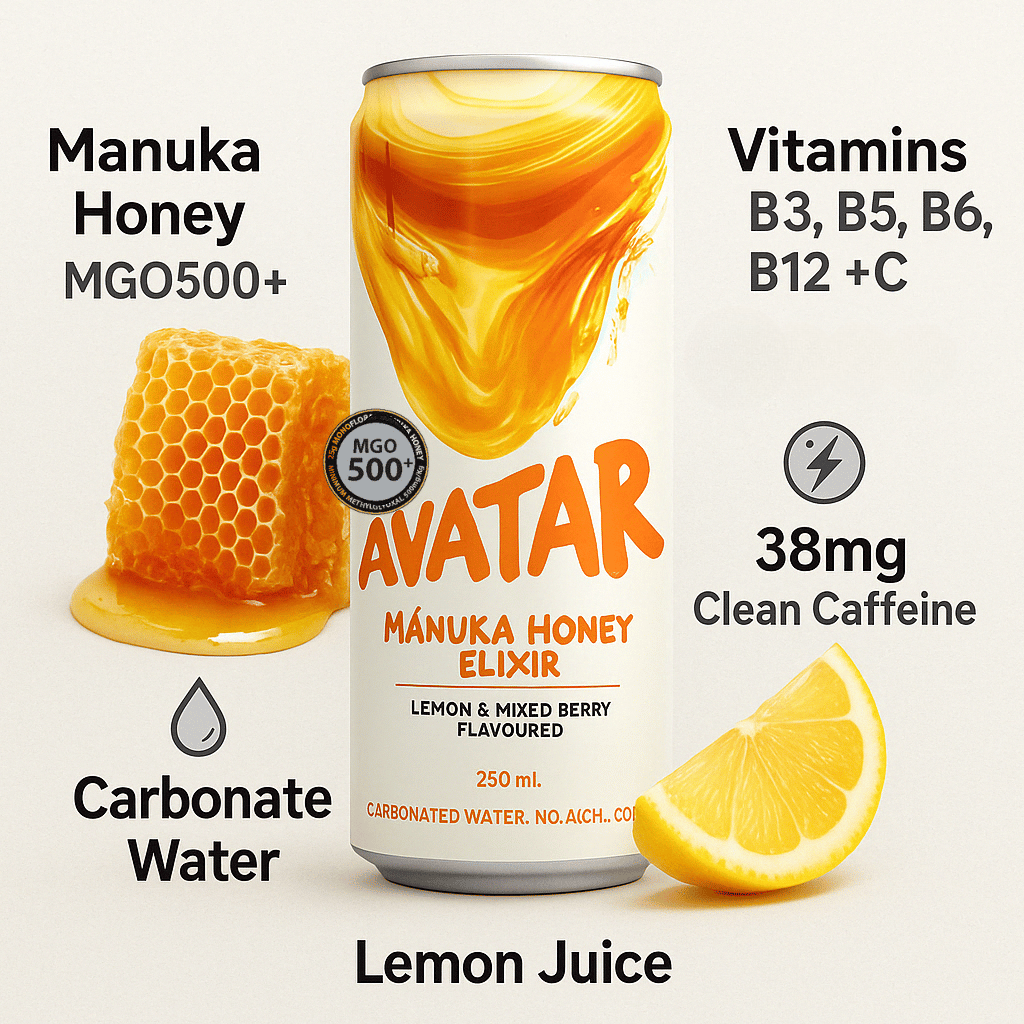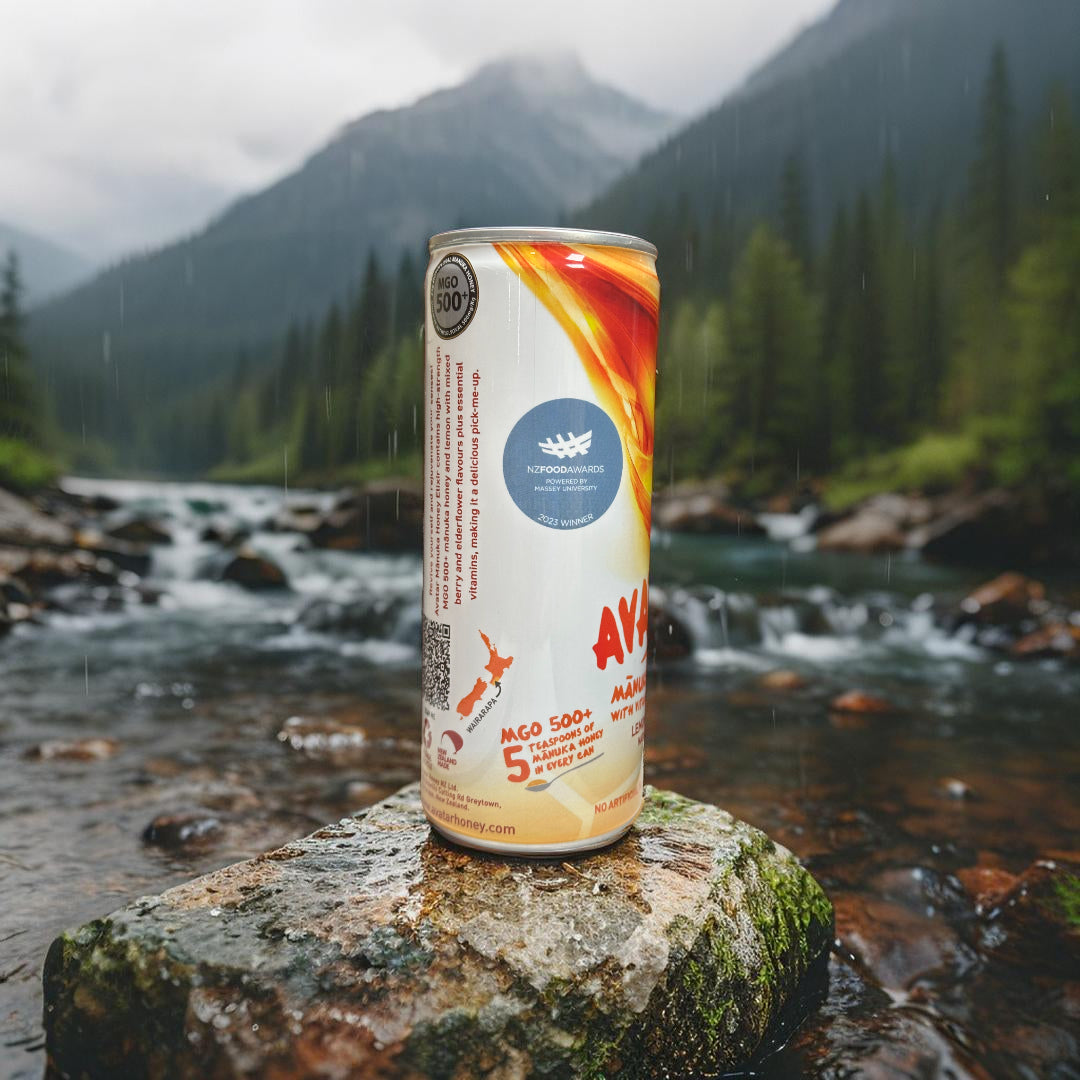



Short answer: Yes, sealed canned energy drinks are generally allowed in checked luggage on US flights. The carry-on liquid limit usually does not apply to checked bags, but TSA screening, airline baggage policies, destination rules, customs requirements, and international biosecurity restrictions may still affect what you can pack.
If you want to travel with ordinary energy drinks or a premium canned beverage such as Avatar Elixir, use intact, unopened cans and pack them for leaks, crushing, punctures, temperature changes, and rough baggage handling. No packing method can guarantee that every can will arrive undamaged.
Do TSA carry-on liquid limits apply to canned drinks in checked luggage?
No. The familiar TSA carry-on liquid restrictions apply to liquids taken through the security checkpoint in cabin baggage, not generally to non-alcoholic drinks packed in checked luggage.
A standard canned energy drink is usually too large to pass through the checkpoint as a carry-on liquid. The usual carry-on rule limits liquids, gels, and aerosols to containers of 3.4 fluid ounces or less, with the containers placed in a single quart-sized bag. Exceptions can apply to certain medically necessary liquids and other special categories, but an ordinary energy drink would not normally qualify simply because it contains caffeine.
Drinks purchased after airport security can generally be carried onto a domestic flight, subject to airline and destination requirements. That is different from packing a can in your carry-on before entering the security screening area.
Checked baggage does not normally have the same small-container liquid limit. However, checked bags remain subject to screening, and an airline can impose its own restrictions on baggage weight, prohibited goods, packaging, or routes. Rules can also change, so verify current TSA and airline guidance before departure.
Can carbonated energy drink cans leak or burst during a flight?
Yes, a carbonated can can leak or rupture in checked baggage, although cabin pressure is not the only concern. Pre-existing damage, crushing, punctures, freezing conditions, excessive heat, and rough handling can all contribute to failure.
Unopened cans are manufactured to contain a pressurised carbonated drink, but travel adds conditions that cannot be controlled completely. A can may be damaged before it enters your suitcase, especially if it has a deep dent, a weakened seam, corrosion, a bulging end, or a small puncture.
Common baggage risks include:
- Crushing: Heavy items or tightly compressed luggage can deform the can.
- Punctures: Shoe heels, plug prongs, toiletry tools, and hard case edges may press into the aluminium.
- Rough handling: Bags can be dropped, stacked, turned, or transferred between aircraft.
- Temperature changes: Very cold conditions may freeze or partially freeze the drink, while high heat can increase internal pressure.
- Existing damage: A small crease or damaged seam may become a leak during transit.
For that reason, do not rely on the suitcase shell alone. Even a hard-sided case needs internal leak containment and cushioning.
How should you pack canned energy drinks in checked baggage?
The most conservative method is to inspect every unopened can, contain each one individually, cushion it on all sides, and place it near the centre of the suitcase away from hard or sharp objects.
- Check the cans carefully.
Pack only sealed cans that are clean and in good condition. Leave behind any can with a deep dent, damaged seam, swelling, corrosion, stickiness, or signs of leakage. Do not pack a can that has been opened and resealed.
- Contain each can separately.
Place every can in its own sealable, leak-resistant plastic bag. Remove excess air before closing it. Individual containment is preferable to placing several loose cans in one large bag because one damaged can is less likely to soak the others or the rest of your luggage.
- Add absorbent material.
Wrap each bagged can in a small towel, washable clothing item, or another absorbent layer. This can help manage a minor leak, although it will not contain every possible rupture.
- Cushion the cans against impact.
Surround the wrapped cans with soft clothing. Keep them away from the suitcase walls, corners, wheels, frame, and telescoping handle channels, where impacts and pressure can be concentrated.
- Separate them from hard objects.
Do not place cans beside shoes with hard heels, metal drink bottles, chargers, tools, toiletry containers with sharp corners, or exposed electrical plug pins.
- Avoid overpacking the suitcase.
A tightly compressed bag can place continuous pressure on the cans. Leave enough room for cushioning without forcing the case closed.
- Check the baggage weight.
Canned drinks add weight quickly. Weigh the completed suitcase and compare it with the allowance for your specific airline, fare, and route.
What packing checklist should you use before checking your bag?
Use this checklist to reduce avoidable damage and rule confusion before placing canned energy drinks in checked luggage:
- Confirm that the cans are unopened and undamaged.
- Check current TSA guidance for checked baggage.
- Read the operating airline’s baggage restrictions.
- Check baggage weight and size limits.
- Place each can in an individual sealed bag.
- Add an absorbent wrapping around each bagged can.
- Cushion the cans with soft clothing on every side.
- Keep cans away from hard edges, sharp items, and suitcase walls.
- Avoid packing the suitcase so tightly that the cans are compressed.
- Check destination customs and food import rules.
- For international travel, verify transit-country and biosecurity requirements as well.
If you are packing several cans, consider whether you need to carry the full quantity. More cans increase baggage weight, take up additional cushioning space, and may attract questions about whether the goods are for personal or commercial use.
Are Manuka honey energy drinks treated differently on international trips?
They may be. A commercially sealed Manuka honey beverage is still a packaged drink, but some destinations regulate honey, bee products, food, plant ingredients, and agricultural goods through customs or biosecurity rules.
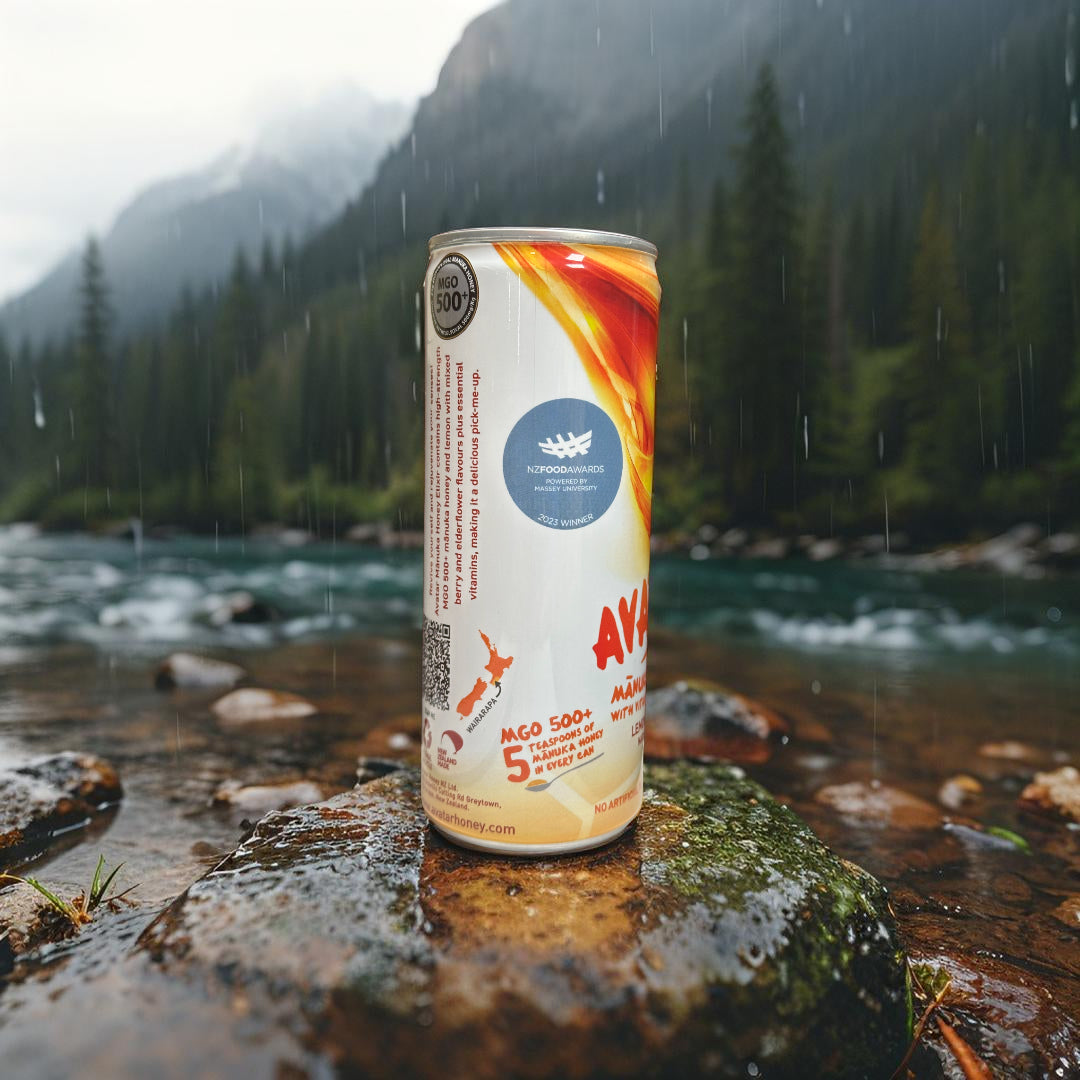
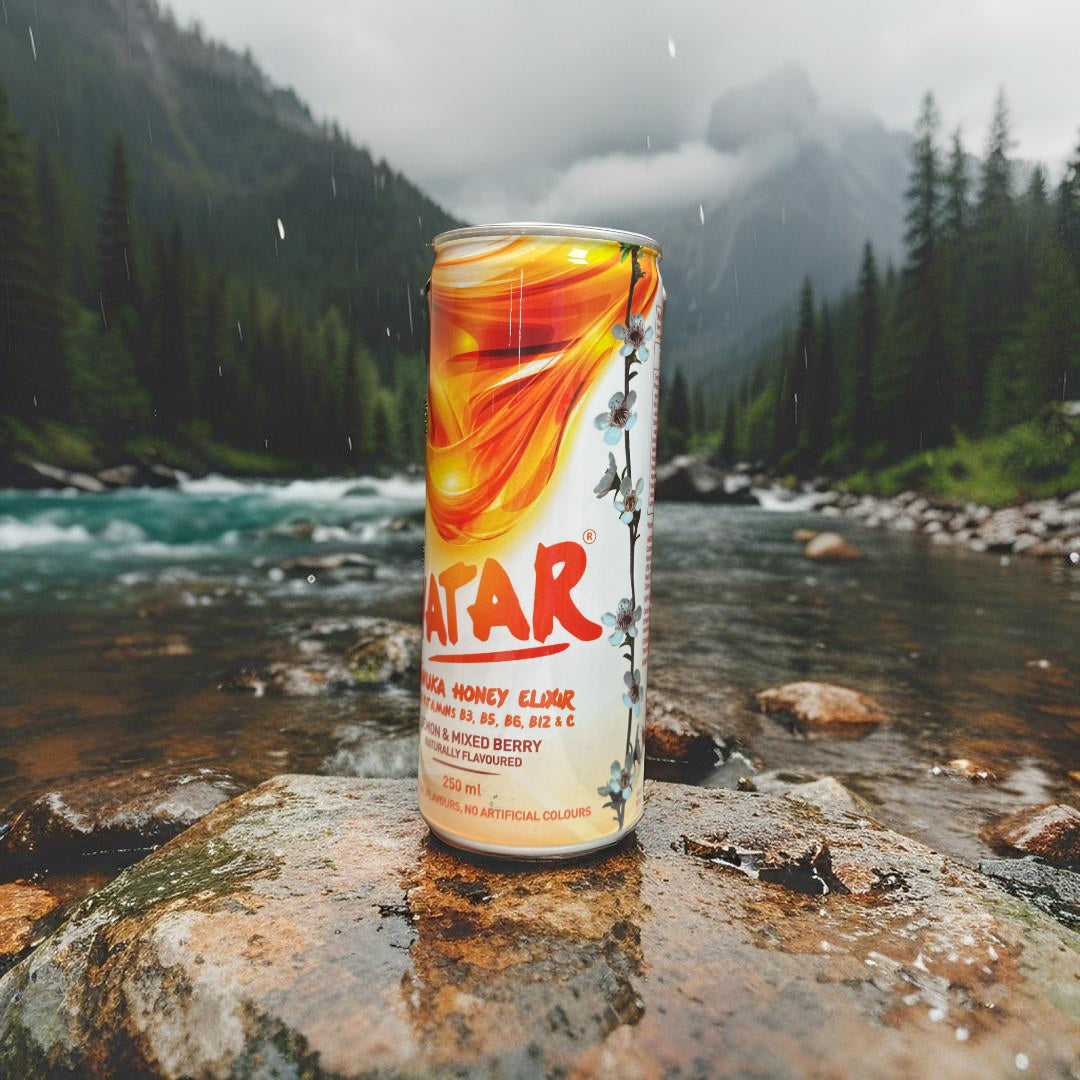
This is especially relevant when carrying a New Zealand Manuka honey drink such as Avatar Elixir as a travel beverage or gift. Its sealed commercial packaging may make the product easier for officials to identify, but sealed packaging does not automatically make it admissible in every country.
Before an international trip, verify:
- Whether the destination permits beverages containing honey or bee products.
- Whether the product must be declared on an arrival form.
- Whether quantity or value limits apply to food and gifts.
- Whether a transit country has separate rules for checked baggage.
- Whether the airline restricts liquids or food products on that route.
- Whether returning to the United States requires a customs or agricultural declaration.
When a declaration form asks about food, honey, animal products, or agricultural items, answer accurately. Declaring an item allows border officials to assess it. It does not necessarily mean the item will be confiscated. Failing to declare a regulated product can create a more serious problem than presenting it for inspection.
Keep the cans in their original packaging so the ingredients, manufacturer information, and product type remain visible. Do not transfer the drink into an unlabelled bottle for international travel.
What should you check immediately before departure?
Check the current rules for every organisation and country involved in your itinerary. TSA guidance addresses US aviation security, but it does not replace airline policies, customs rules, destination import laws, or international biosecurity requirements.
Your final check should cover:
- TSA: Confirm the current treatment of non-alcoholic canned drinks in checked baggage.
- Airline: Review checked-bag restrictions, weight limits, and conditions of carriage.
- Destination: Check food, beverage, caffeine, honey, and agricultural import requirements.
- Transit points: Determine whether collecting and rechecking baggage subjects it to local rules.
- Customs and biosecurity: Confirm declaration requirements, especially for Manuka honey beverages.
Final takeaway: Sealed canned energy drinks can generally go in checked luggage on US flights, and the carry-on liquid limit does not normally govern checked bags. Pack only intact cans, contain them individually, add cushioning, and keep them away from hard edges. Because pressure is only one possible cause of damage, also plan for punctures, crushing, temperature changes, and rough handling. Always verify the latest TSA, airline, destination, customs, and biosecurity rules before you leave.
These practical follow-ups cover multipack packaging, temperature risks, and declaration requirements for Manuka honey beverages.
Is the original cardboard multipack enough protection?
No. An original cardboard multipack can help keep cans together, but it should not replace individual leak containment and cushioning. Inspect each unopened can, place each one in its own sealed leak-resistant bag, wrap it in absorbent material, and cushion the group away from suitcase walls, wheels, handle channels, hard objects, and sharp edges.
Should energy drink cans be frozen before packing?
No. Do not intentionally freeze canned energy drinks before placing them in checked luggage. Freezing or partial freezing can contribute to can failure, while excessive heat can increase internal pressure. Keep the cans away from extreme temperatures before check-in when reasonably possible, and never pack a can that is swollen, leaking, deeply dented, or otherwise damaged.
Do I need to declare one sealed Manuka honey drink?
Possibly. Even one commercially sealed Manuka honey beverage may need to be declared, depending on the destination's customs and biosecurity rules. If an arrival form asks about food, honey, bee products, or agricultural goods, answer accurately. Check the requirements for your destination and any transit country before departure, because sealed commercial packaging does not automatically make the drink admissible.