


Quick answer: Energy drinks without sugar alcohols are cans that do not use sweeteners such as erythritol, xylitol, maltitol, or sorbitol to create sweetness with less sugar. If a drink looks low sugar, check the ingredients list as well as the nutrition panel, because sugar alcohols often appear by name rather than as “sugar” on the label.
You are standing in front of the drinks fridge, comparing two slim cans. One says low sugar. Another says naturally sweetened. A third has almost no sugar on the nutrition panel, but the ingredients list includes words like erythritol, xylitol, or maltitol.
That is where energy drink labels can become confusing. A can may look simple from the front, then feel much more technical when you turn it around. Sugar alcohols are one of the main reasons for that confusion, especially in low sugar energy drinks that want sweetness without relying only on ordinary sugar.
This guide explains what sugar alcohols usually mean on an energy drink label, why some brands use them, how they can shape flavour and texture, and how to spot energy drinks without sugar alcohols if you prefer a cleaner, more familiar ingredient list.
What are sugar alcohols in energy drinks?
Sugar alcohols are sweet-tasting ingredients used in some low sugar foods and drinks to add sweetness, body, or a softer mouthfeel. Despite the name, they are not the same as drinking alcohol. They are also not the same thing as ordinary sugar.
On labels, sugar alcohols may also be called polyols. In drinks, they are often used because they can help a beverage taste sweeter while keeping the listed sugar content lower than a drink sweetened only with cane sugar, fruit juice, or honey.
The most common sugar alcohol names you may see include:
- Erythritol, often used in low sugar or zero sugar drinks for a clean, bright sweetness.
- Xylitol, a sweetener with a sugar-like taste that appears more often in gums, mints, and some drink formats.
- Maltitol, commonly used in lower sugar confectionery and sometimes in sweetened beverage products.
- Sorbitol, used in a range of reduced sugar foods and drinks to add sweetness and moisture.
You do not need to treat these names like a chemistry lesson. For everyday label reading, the useful point is simple: if you see one of these words in the ingredients list, the drink is using a sugar alcohol as part of its sweetening system.
Why low sugar energy drinks use sugar alcohols
Brands use sugar alcohols because they can help create sweetness without making sugar the main sweetener. In a category where many people are comparing sugar levels, calories, flavour, caffeine source, and ingredient style, sugar alcohols can help a drink fit into a “low sugar” positioning.
Energy drinks have a difficult job. They need to taste refreshing, hold flavour over carbonation, balance acidity, and still feel satisfying cold from the can. If a brand removes most of the sugar, something else often needs to support the flavour profile.
Sugar alcohols may be used to help with:
- Sweetness: They can make a drink taste sweeter without using the same amount of sugar.
- Mouthfeel: They may add some body, helping a drink feel less thin or watery.
- Flavour balance: They can soften sharp acids, citrus notes, or botanical ingredients.
- Label positioning: They allow a brand to present a lower sugar nutrition panel while still offering a sweet taste.
This does not automatically make sugar alcohols good or bad. It simply means they are one tool drink makers use. The question for you as a buyer is whether that tool matches the flavour, texture, and ingredient style you want in your can.
How to spot sugar alcohols on an energy drink label
The ingredients list is the best place to check for sugar alcohols. The front of the can may say low sugar, no added sugar, naturally flavoured, or zero sugar, but the back label tells you how that sweetness is being built.
Look for ingredient names that end in “ol”
Many sugar alcohol names end in “ol”, which can make them easier to notice once you know the pattern. Erythritol, xylitol, maltitol, and sorbitol are the names most worth recognising.
Not every ingredient ending in similar letters is necessarily a sugar alcohol, so avoid guessing from one word alone. If you are unsure, look for the full ingredient name and compare it with the common list above.
Check the nutrition panel and the ingredients list together
A low sugar number on the nutrition panel tells you how much sugar is declared in the product. It does not always tell you which sweeteners are creating the taste.
For example, a drink might show very little sugar but include erythritol in the ingredients list. Another drink might show a modest amount of sugar and use honey, fruit juice, or cane sugar instead. A third might combine several sweeteners to create a particular taste and finish.
Watch for blended sweetener systems
Some cans use more than one sweetener. A low sugar energy drink might combine a sugar alcohol with an artificial sweetener, a plant-derived high-intensity sweetener, or a small amount of sugar.
This is why the phrase energy drinks without sugar alcohols does not always mean “unsweetened.” It usually means the drink uses a different sweetening approach, such as honey, sugar, fruit-derived sweetness, or another sweetener system.
How sugar alcohols can affect taste, texture, and aftertaste
Sugar alcohols can influence how an energy drink tastes, how it feels in the mouth, and how the sweetness finishes after each sip. This is one of the main reasons some people actively look for drinks without them.
In a chilled, carbonated can, sweetness is not just about sugar level. It is about the first sip, the mid-palate, the finish, the acidity, and whether the flavour feels rounded or slightly thin.
Sweetness can feel clean but different from sugar
Erythritol, xylitol, maltitol, and sorbitol do not taste exactly like cane sugar, honey, or fruit juice. Some people find them crisp and clean. Others notice a sweetness that feels separate from the rest of the drink.
This is especially noticeable in citrus drinks, berry flavours, and botanical drinks, where sweetness has to sit neatly beside acidity and aroma. If the sweetener stands apart, the drink may feel less integrated.
Mouthfeel may be lighter or more rounded
Sugar contributes more than sweetness. It can add body, softness, and a rounded texture. When sugar is reduced, brands often need other ingredients to stop the drink from tasting too sharp or watery.
Sugar alcohols can help add some of that body back. In some drinks, this works well. In others, the texture may feel slightly different from a traditionally sweetened beverage, especially if the carbonation is strong or the flavour is delicate.
Aftertaste depends on the full formula
Aftertaste is not caused by one ingredient alone. It comes from the full formula, including sweeteners, acids, flavourings, botanicals, caffeine, carbonation, and minerals.
That said, sugar alcohols can contribute to a distinct finish. Some drinkers describe it as cool, lingering, or different from sugar. The best way to judge is to taste the drink cold, because temperature and carbonation can change how sweetness comes through.
Energy drinks without sugar alcohols are not all the same
An energy drink without sugar alcohols simply means it does not use polyols such as erythritol, xylitol, maltitol, or sorbitol. It does not automatically tell you whether the drink is natural, premium, low sugar, high sugar, or ingredient-led.
Once sugar alcohols are off the label, brands still need to decide how the drink will be sweetened. That choice affects flavour, texture, positioning, and the overall drinking experience.
Common alternatives include:
- Honey: Adds sweetness with a distinctive natural flavour and rounded character.
- Cane sugar: Offers familiar sweetness and body, often with a straightforward finish.
- Fruit juice or concentrates: Adds fruit-derived sweetness and flavour, depending on the formula.
- Artificial sweeteners: Provide strong sweetness in small amounts, often used in zero sugar drinks.
- Unsweetened or lightly sweetened formats: Rely more on acidity, botanicals, and carbonation for refreshment.
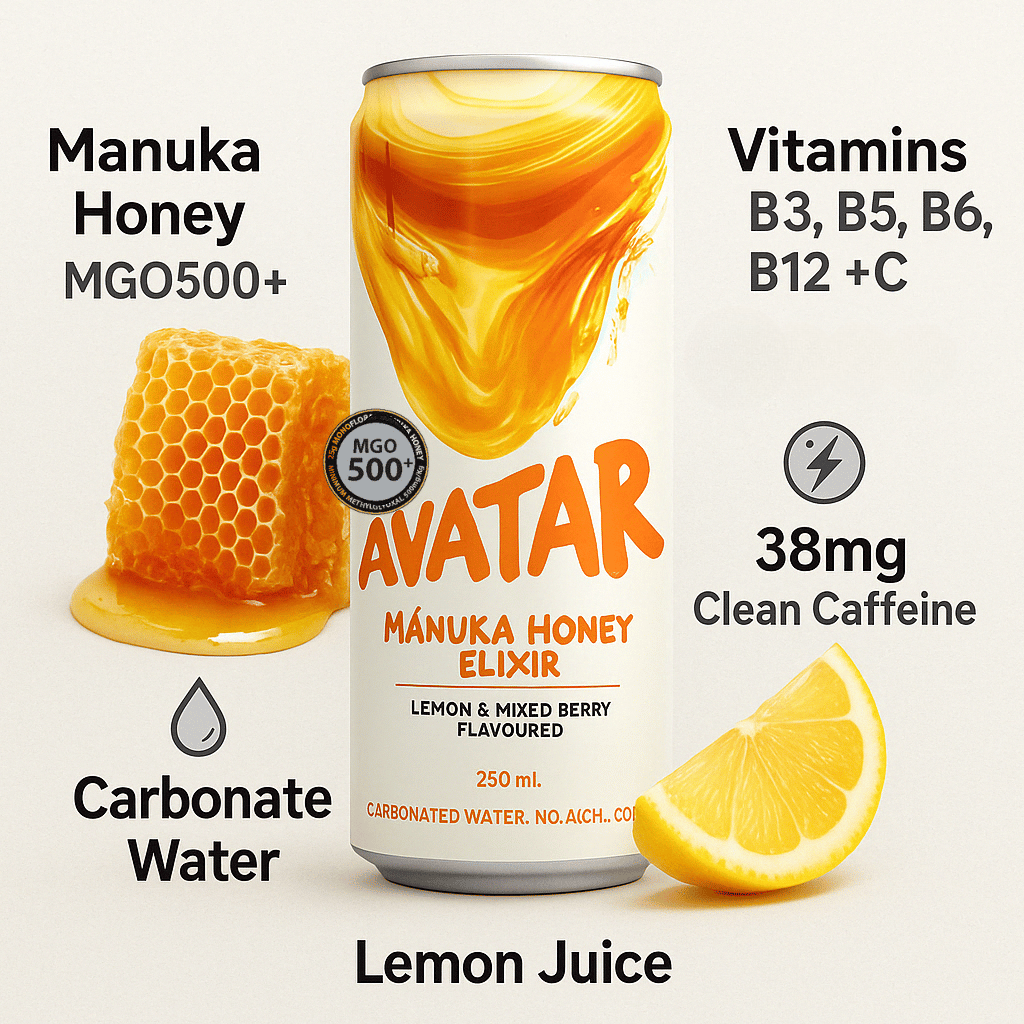
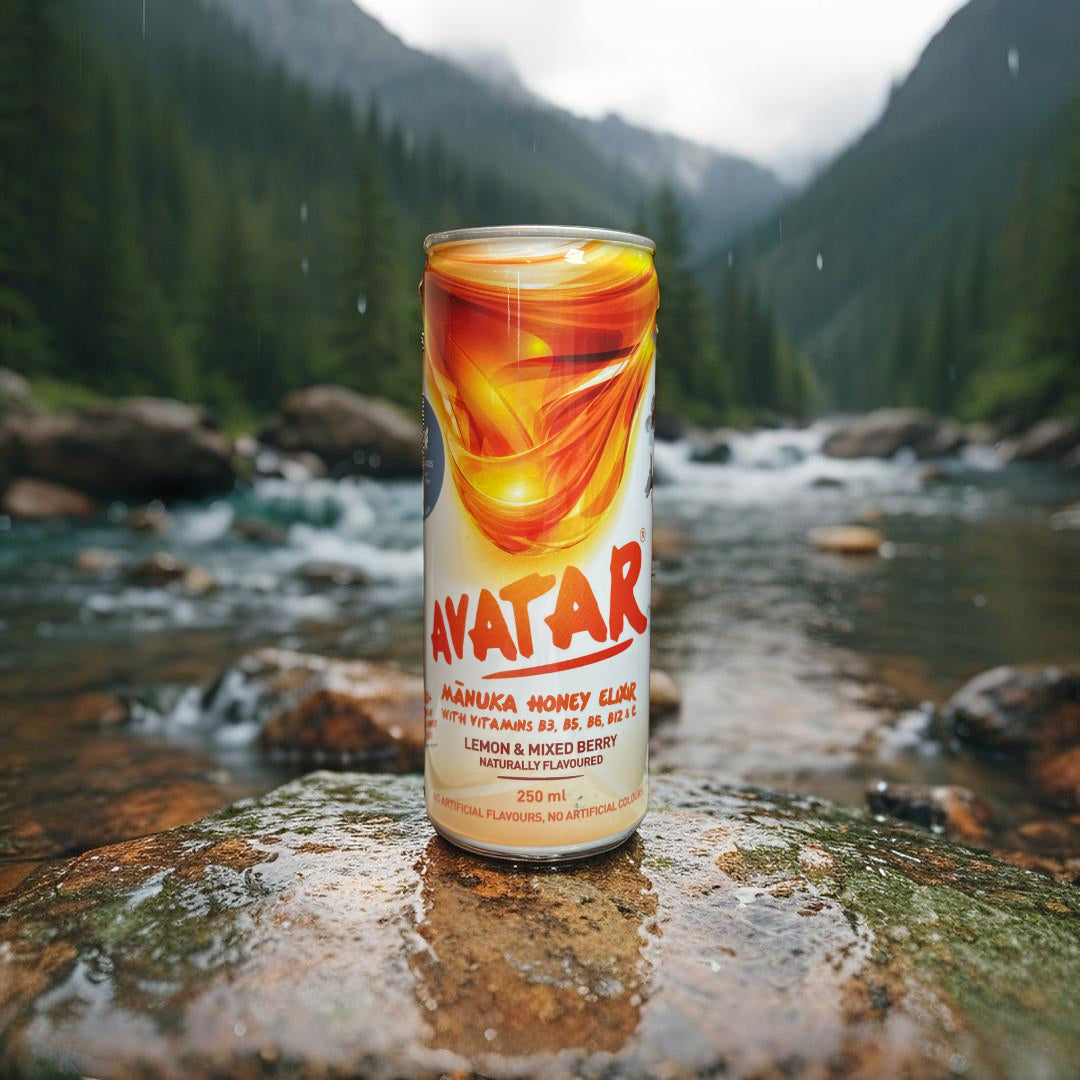
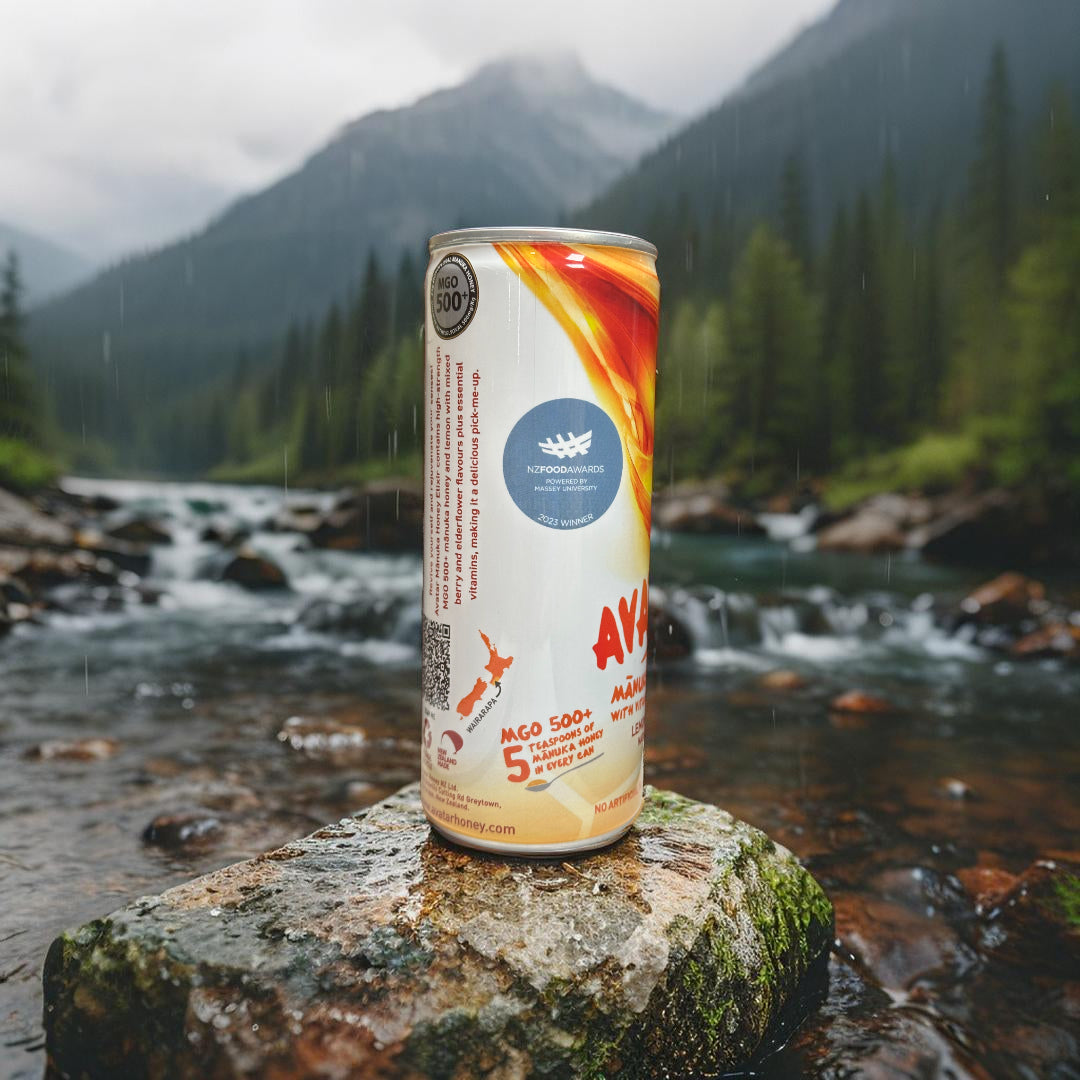
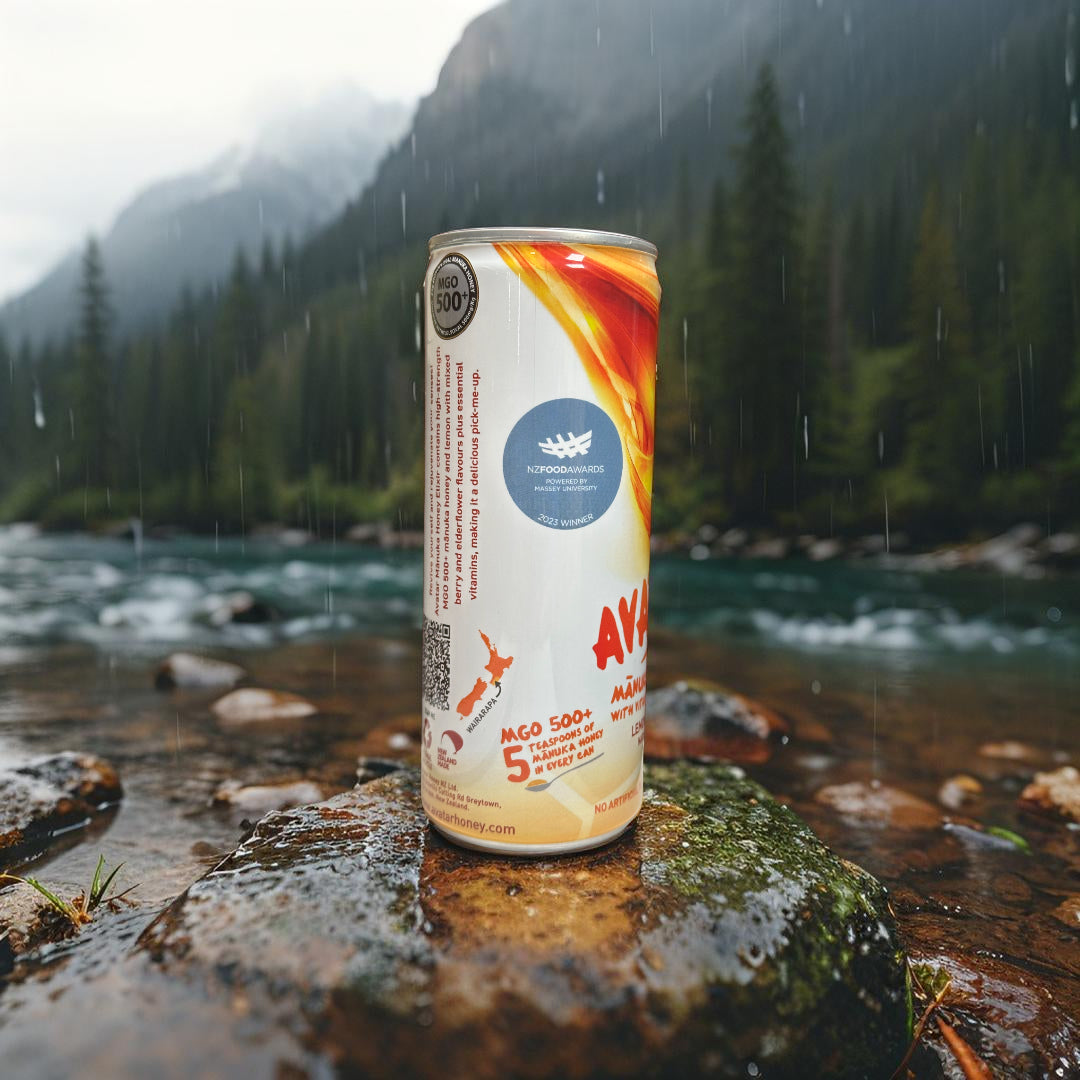
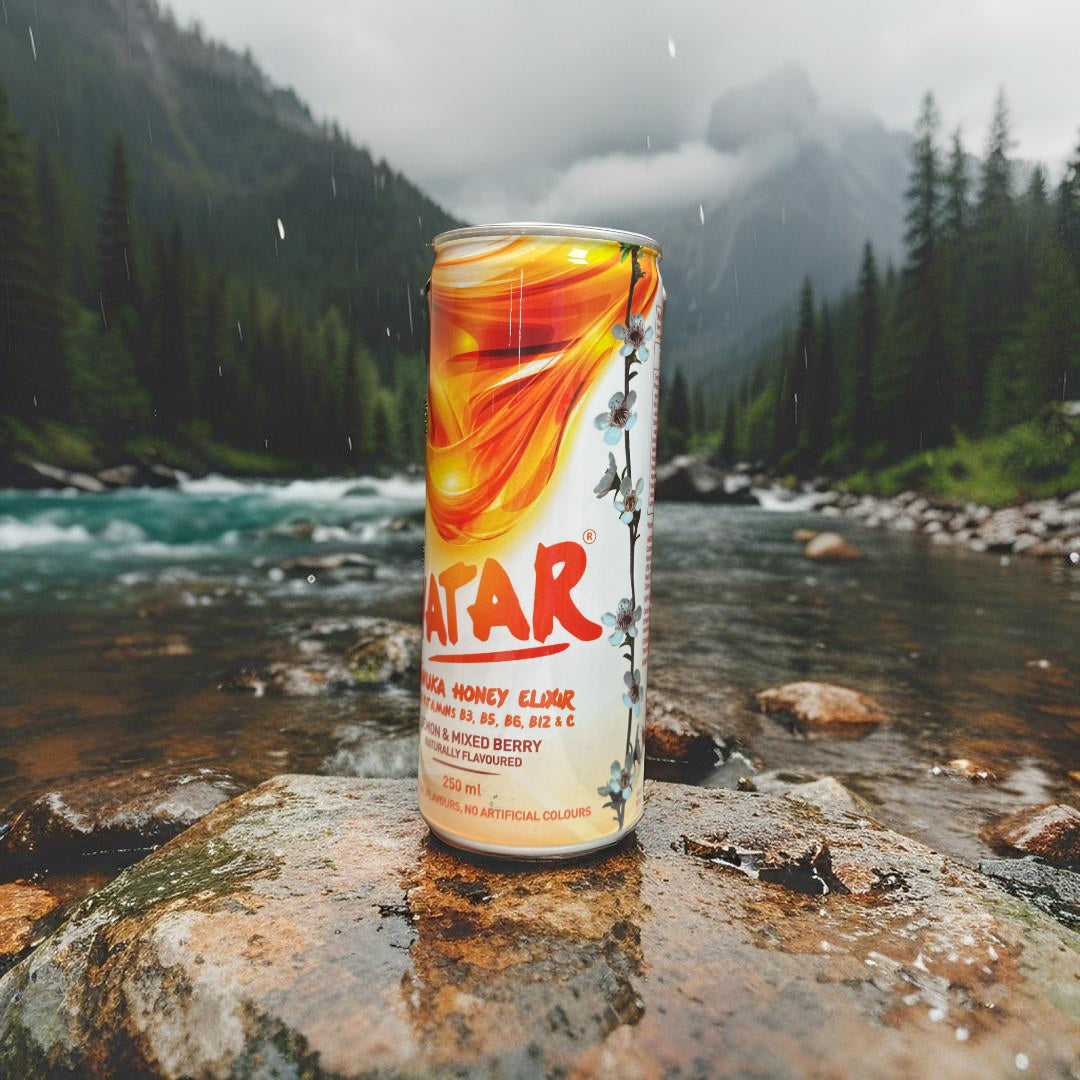
Avatar Elixir is an example of a different sweetening approach because it is built around certified MGO500+ New Zealand Manuka honey, lemon, elderflower, B vitamins, vitamin C, clean caffeine, and lightly carbonated water. That honey-led style is not the same as using a sugar alcohol to replace sweetness. It creates a more ingredient-forward flavour profile, where sweetness, citrus, florals, and gentle fizz are designed to work together.
Simple comparison: sugar alcohols, artificial sweeteners, honey, and sugar
Different sweeteners create different drinking experiences, even when the front of the can uses similar language. A low sugar claim, a natural cue, or a zero sugar badge does not always explain what the drink will taste like.
| Sweetening approach | Common label names | Why brands use it | Typical taste and texture role |
|---|---|---|---|
| Sugar alcohols | Erythritol, xylitol, maltitol, sorbitol | To support low sugar sweetness and add some body | Can taste clean, cool, or slightly different from sugar, depending on the formula |
| Artificial sweeteners | Sucralose, acesulfame potassium, aspartame | To create strong sweetness with very small amounts | Can deliver high sweetness with a finish that varies by blend and flavour |
| Honey | Honey, Manuka honey, New Zealand honey | To add natural sweetness, flavour character, and a more ingredient-led profile | Usually more rounded and aromatic, with floral, caramel, or botanical notes depending on the honey |
| Sugar | Cane sugar, sugar, raw sugar | To provide familiar sweetness, body, and balance | Often smooth and familiar, with more body than many reduced sugar systems |
This table is not a ranking. It is a way to understand what the label is telling you. The best choice depends on whether you prefer a very low sugar profile, a familiar sweetness, a honey-based drink, or a more traditional soft drink texture.
Label-reading checklist for energy drinks without sugar alcohols
A good label check takes less than a minute once you know what to look for. Use the front of the can as a starting point, then confirm the details on the back.
- Start with the ingredients list. Look for erythritol, xylitol, maltitol, sorbitol, or the word polyols.
- Do not rely only on “low sugar.” Low sugar tells you about sugar content, not the complete sweetener system.
- Check for multiple sweeteners. Some drinks combine sugar alcohols with artificial sweeteners or small amounts of sugar.
- Notice the order of ingredients. Ingredients are generally listed in descending order by weight, so early sweeteners may play a larger role in the formula.
- Compare sweetness source with flavour style. Citrus, berry, tropical, and botanical drinks can all handle sweeteners differently.
- Think about the finish you enjoy. If you prefer a rounded, honeyed, or more familiar finish, a sugar alcohol-free drink may suit your taste better.
- Look beyond sweeteners. Caffeine source, flavourings, carbonation, vitamins, and acids also shape the overall drinking experience.
This checklist is especially useful when two cans look similar from the front. A sleek design and a low sugar claim can hide very different ingredient choices.
What “no sugar alcohols” usually means in a premium energy drink
In a premium energy drink, “no sugar alcohols” usually signals a preference for a different kind of sweetness and mouthfeel. It may appeal to people who want fewer unfamiliar sweetener names on the label or who prefer the taste of more recognisable ingredients.
For a honey-based beverage, the sweetening story is more about origin and flavour. Manuka honey, for example, brings its own character to the can. It is not just a way to make a drink sweet. It can add depth, aroma, and a soft golden note that sits naturally beside lemon, elderflower, and light carbonation.
For a sugar-based drink, the story may be familiarity and body. For an unsweetened drink, the focus may be crispness and restraint. For a zero sugar drink, the focus may be sweetness without sugar. Each approach has a different trade-off.
If you are choosing an energy drink for work, study, travel, or a long afternoon, the right can is not only about caffeine. It is also about whether the drink feels enjoyable enough to sip, whether the flavour is balanced, and whether the label matches how you like to buy food and beverages.
Common label phrases that need a second look
Some label phrases sound clear but still need context. They can be useful, but they do not replace reading the ingredients list.
- “Low sugar” means the drink contains a lower amount of sugar, but it may still use sugar alcohols or other sweeteners.
- “Zero sugar” means sugar is not contributing to the nutrition panel in the usual way, but sweetness may come from other ingredients.
- “Naturally flavoured” refers to flavouring, not necessarily the sweetener.
- “No added sugar” may still allow sweetness from fruit, dairy, or other ingredients, depending on the product type and label rules.
- “Clean energy” is a broad phrase, so the ingredients list matters more than the front-of-can wording.
For a calm, practical choice, treat these phrases as signposts rather than final answers. The strongest information is usually in the ingredient list, nutrition panel, and the overall formula.
How to choose the right can for your taste
The best sugar alcohol-free energy drink is the one that matches your preferred sweetness, flavour finish, and ingredient comfort level. Start with what you want the drink to feel like, not only what you want it to avoid.
If you like a crisp, very light drink, look for gentle sweetness, citrus, botanicals, and lighter carbonation. If you prefer more body, consider drinks that use honey, fruit, or sugar in a deliberate way. If you dislike unfamiliar sweetener names, choose labels with ingredients you can recognise quickly.
For a more premium drinking moment, honey-based energy drinks offer a useful middle path. They can feel more crafted than a standard soft drink and more ingredient-led than many heavily sweetened functional beverages. Avatar Elixir fits this style by pairing New Zealand Manuka honey with lemon, elderflower, clean caffeine, vitamins, and a lightly sparkling finish.
The key is not to assume that every low sugar drink will taste the same. Sweetener choice affects the whole can, from the first citrus lift to the final note after you swallow.
Final takeaway: turn the can around
Energy drinks without sugar alcohols are easiest to find when you know the names to check. Look for erythritol, xylitol, maltitol, sorbitol, and polyols in the ingredients list, then compare that with the nutrition panel and front-of-can claims.
Sugar alcohols are common in some low sugar drinks because they help with sweetness, body, and label positioning. They can also influence mouthfeel and aftertaste, which is why some drinkers prefer alternatives such as honey, sugar, fruit-based sweetness, or lightly sweetened formulas.
A good drink label should make your choice easier, not more confusing. When you understand what the sweetener names mean, you can choose a can that suits your taste, your routine, and the kind of energy drink experience you actually enjoy.
These answers explain how sugar alcohols show up in energy drinks and what they usually mean for sweetness, flavour, and label reading.
What are sugar alcohols in low sugar energy drinks?
Sugar alcohols are sweet-tasting ingredients used in some low sugar energy drinks to create sweetness with less listed sugar. Common names include erythritol, xylitol, maltitol, and sorbitol. They are not the same as drinking alcohol, and they are not ordinary table sugar. For shoppers, the practical point is simple: if one of these names appears in the ingredients list, the drink uses a sugar alcohol as part of its sweetening system.
How do I know if an energy drink has sugar alcohols?
The best way to spot sugar alcohols is to read the ingredients list, not only the front of the can. Look for names such as erythritol, xylitol, maltitol, and sorbitol, especially in drinks labelled low sugar, no sugar, or zero sugar. The nutrition panel tells you how much sugar is listed, but the ingredients list tells you how the drink is actually sweetened.
Are sugar alcohols the same as artificial sweeteners?
Sugar alcohols are not the same category as artificial sweeteners, although both are used to make drinks taste sweet with less sugar. Sugar alcohols include ingredients such as erythritol and xylitol, while artificial sweeteners include names such as sucralose and aspartame. On an energy drink label, both should appear by name in the ingredients list, which makes label reading the clearest way to compare them.
Why do some zero sugar energy drinks taste cool or thin?
Some zero sugar energy drinks taste cool, sharp, or thin because removing sugar changes sweetness, body, and mouthfeel. Sugar gives a drink more than sweetness. It also adds roundness and weight on the palate. When brands use sugar alcohols or other sweeteners instead, the result can feel lighter, cleaner, cooler, or more technical depending on the formula, flavour, acidity, and carbonation.
What should I choose if I want a more familiar sweetener label?
If you want a more familiar sweetener label, choose drinks where the sweetening source is clearly named and easy to recognise. That could mean honey, fruit juice, cane sugar, or another straightforward ingredient, depending on your taste and sugar preference. A low sugar number is useful, but it should be read alongside the ingredient list so you understand what creates the sweetness.
Does honey make an energy drink different from sugar alcohol sweeteners?
Honey creates a different sweetening approach because it brings natural sweetness, flavour, aroma, and texture rather than acting as a low sugar substitute. A honey-based drink such as Avatar Elixir uses certified MGO500+ Manuka honey with lemon and elderflower, rather than building sweetness around erythritol, xylitol, maltitol, or sorbitol. This style suits shoppers who prefer a more ingredient-led drink, although it will not read the same as a zero sugar can.
What should I check before buying a low sugar energy drink?
Before buying a low sugar energy drink, check the sugar number, the ingredients list, the caffeine source, and the overall flavour style. Look for sugar alcohol names if you are trying to avoid them. Also check whether the drink uses artificial sweeteners, honey, fruit-based sweetness, or ordinary sugar. The best choice is the one that fits your preferred taste, label comfort, and everyday drinking occasion.