


Quick answer: Natural energy drinks without artificial colors usually make their quality visible through the ingredient list, not through a bright liquid colour. When you read the label, look for named colours such as Red 40, Yellow 5, Blue 1, or terms like “artificial colour,” then compare them with drinks that rely on honey, citrus, botanicals, fruit extracts, or natural colour sources for a more ingredient-led experience.
You know the shelf moment. A can catches your eye because the liquid or packaging looks vivid, sharp, and exciting. It suggests citrus, berry, tropical fruit, or something icy and electric. Then you turn the can around, read the label, and start asking better questions.
For adults comparing conventional energy drinks with more natural, ingredient-led beverages, artificial colours are one of the easiest label details to spot once you know what to look for. They do not tell the whole story of a drink, but they often reveal how the drink is designed to create visual appeal. Some beverages use colour to make a flavour feel more intense before you even take a sip.
This guide explains how artificial colours usually appear on beverage labels, why brands use them, and how natural drink makers can build a premium drinking experience through real ingredients such as honey, citrus, botanicals, and carbonation. The goal is not to make colour sound frightening. It is to help you read the can with more confidence.
Why artificial colours appear in energy drinks
Artificial colours are commonly used to create a consistent, eye-catching look that matches a drink’s flavour promise. In energy drinks, soft drinks, and some functional beverages, colour often works like a shortcut. A bright yellow drink suggests lemon or tropical fruit. A deep red drink suggests berry, cherry, or punch. A blue drink suggests something cold, sharp, or artificially fruity.
Brands use colour because shoppers make quick decisions. On a busy fridge shelf, a vivid drink can stand out faster than a subtle one. Colour can also help a drink look the same from batch to batch, even if its flavour ingredients do not naturally create much visual impact.
That does not automatically make a drink good or bad. It simply shows that the brand is using colour as part of the product experience. If you are looking for natural energy drinks without artificial colors, the label helps you see whether the visual appeal comes from added colourants or from the character of the ingredients themselves.
How artificial colours are usually named on beverage labels
Artificial colours usually appear in the ingredients list under specific names, colour numbers, or broad colour statements. The exact wording can vary depending on the market, but the naming patterns are often easy to recognise once you have seen them a few times.
Common label patterns to look for
On energy drink labels, artificial colours may appear as:
- Colour names with numbers, such as Red 40, Yellow 5, Yellow 6, Blue 1, or Green 3.
- Regional naming styles, such as Allura Red, Tartrazine, Sunset Yellow, Brilliant Blue, or similar names.
- General ingredient wording, such as artificial colour, artificial colors, added colour, or colour.
- Blended colour systems, where more than one colour is used to create a specific shade.
If the drink is marketed as natural, clean, wellness-focused, or ingredient-led, it is worth checking whether the colour story matches the positioning. A label can say a lot about whether the drink’s visual identity comes from the recipe or from added visual cues.
Natural colour terms can also appear on labels
Some drinks use natural colour sources instead of artificial colours. These may include ingredients such as fruit juice concentrates, vegetable extracts, turmeric, beta-carotene, beetroot, spirulina, or botanical extracts. These ingredients can still be used partly for appearance, but they are sourced differently and may fit better with a more natural beverage philosophy.
The important point is clarity. If a label clearly explains what is in the drink, you can make a more informed choice. Natural does not always mean simple, and artificial does not always mean hidden, but transparent naming makes comparison much easier.
Colour cues and flavour cues are not the same thing
Colour can suggest flavour, but it does not prove where the flavour comes from. A yellow energy drink may taste like lemon without containing much lemon. A pink drink may imply berry without relying on berries. A blue drink may taste familiar even though there is no naturally blue fruit involved.
This is where label reading becomes useful. The front of the can communicates quickly. The ingredients list explains more slowly. If you care about natural drink choices, you want those two stories to feel consistent.
A practical way to read the label is to separate three ideas:
- Colour: What makes the drink look the way it does?
- Flavour: What creates the taste, such as citrus, botanicals, fruit, sweeteners, or flavourings?
- Function: What provides energy or refreshment, such as caffeine, B vitamins, carbonation, or other functional ingredients?
When these elements are easy to identify, the drink usually feels more transparent. When the colour is bold but the ingredient story is vague, the label may raise more questions.
Why some natural energy drinks look more subtle
Natural energy drinks without artificial colours often look softer, lighter, or less uniform than conventional brightly coloured drinks. That can be a sign that the brand is relying less on visual intensity and more on flavour, aroma, mouthfeel, and ingredient character.
A drink made with honey, citrus, botanicals, or tea extracts may have a natural hue that is pale gold, cloudy, lightly amber, or almost clear. These colours may not shout from the shelf, but they can signal a different kind of product. The experience is built around what you taste and smell, not just what you see.
Subtle colour does not mean weak flavour. Lemon can bring brightness without turning a drink neon yellow. Elderflower can bring floral lift without making the liquid look dramatic. Honey can add depth, roundness, and a soft golden impression without needing an artificial colour to announce itself.
How honey shapes visual appeal in a premium drink
Honey contributes to a beverage in ways that go beyond sweetness. In a premium drink, honey can influence aroma, texture, finish, and visual warmth. Depending on the recipe and how the drink is made, honey may support a gentle golden tone or a softer appearance that feels more natural than a highly coloured drink.
Manuka honey is especially ingredient-led because it carries its own identity. It is not just a generic sweetener in the way shoppers often think of sugar. It has a New Zealand origin story, a distinctive flavour profile, and a connection to the land, the bees, and the beekeepers behind it.
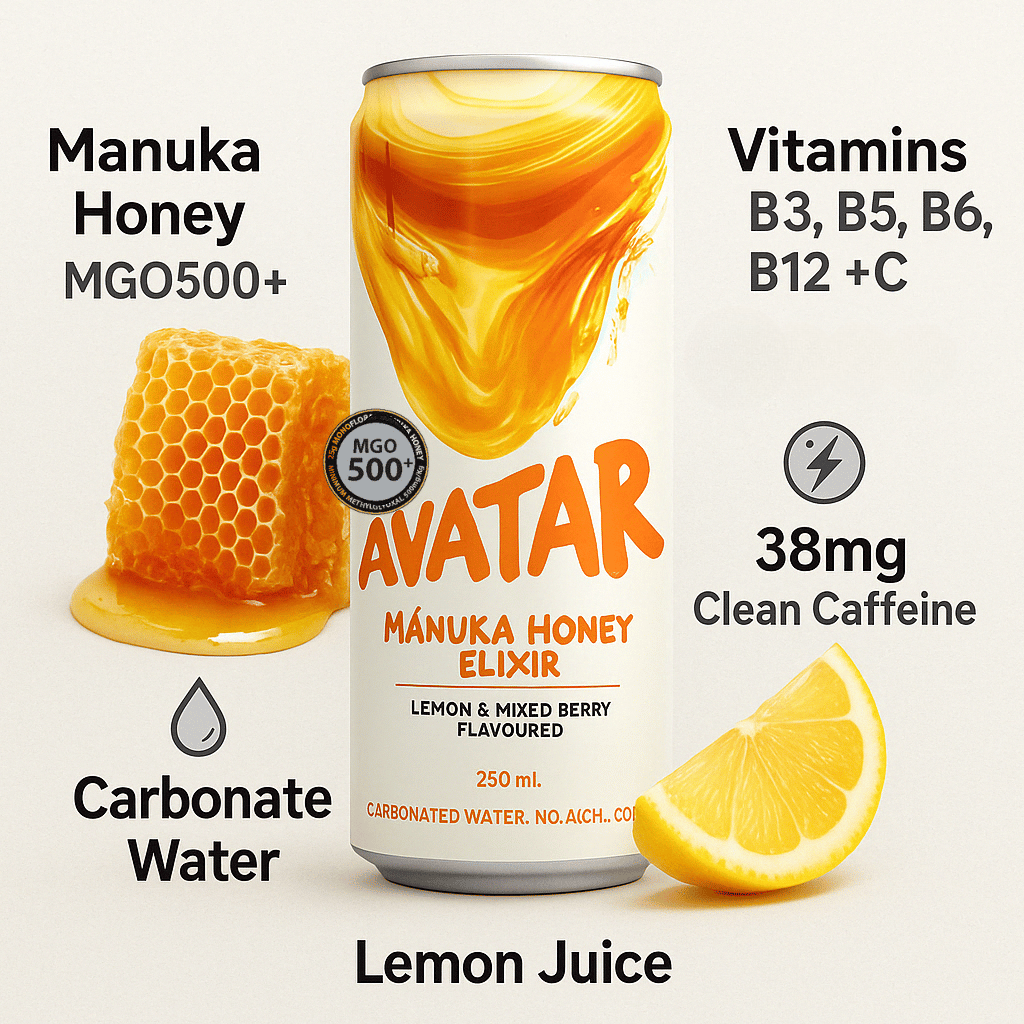
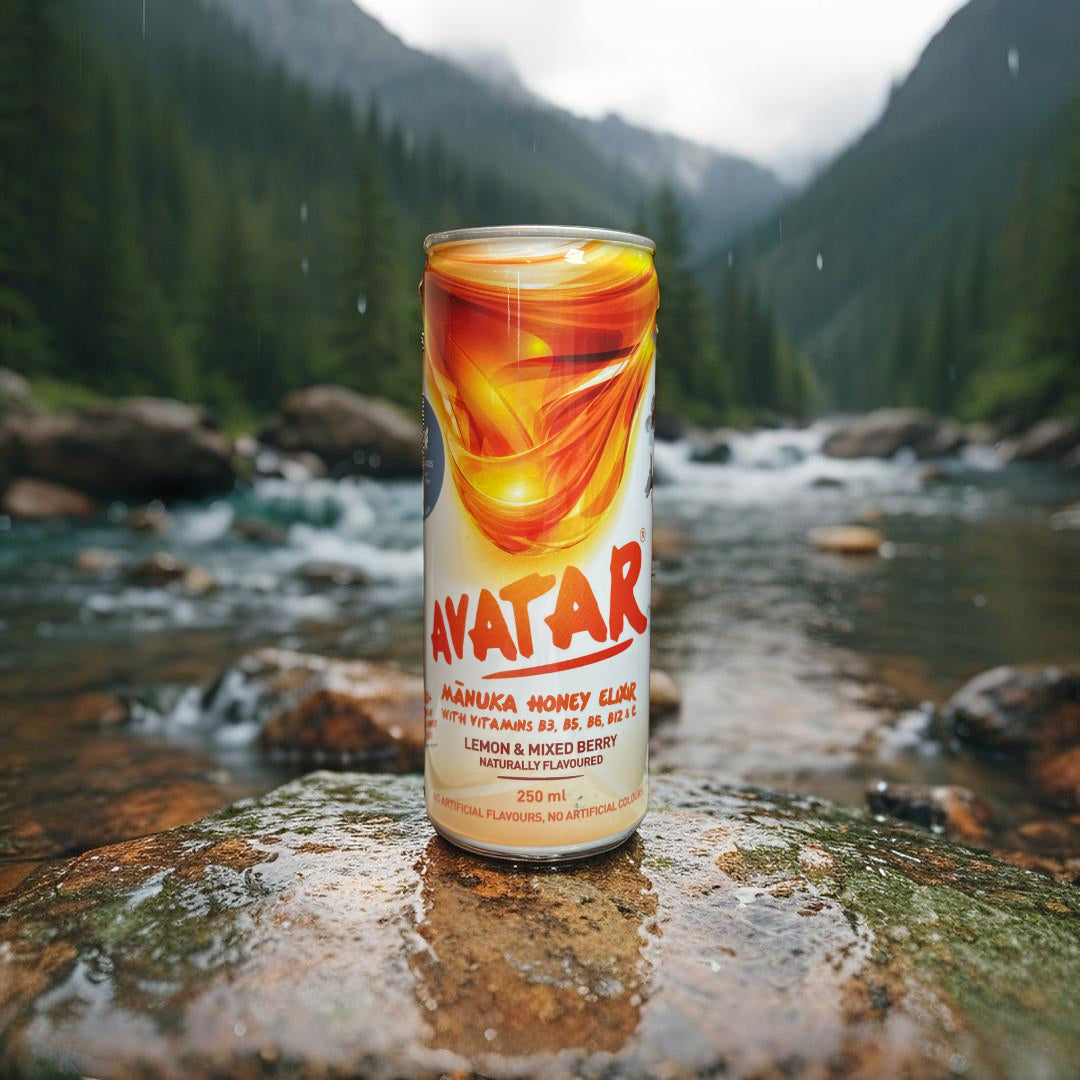
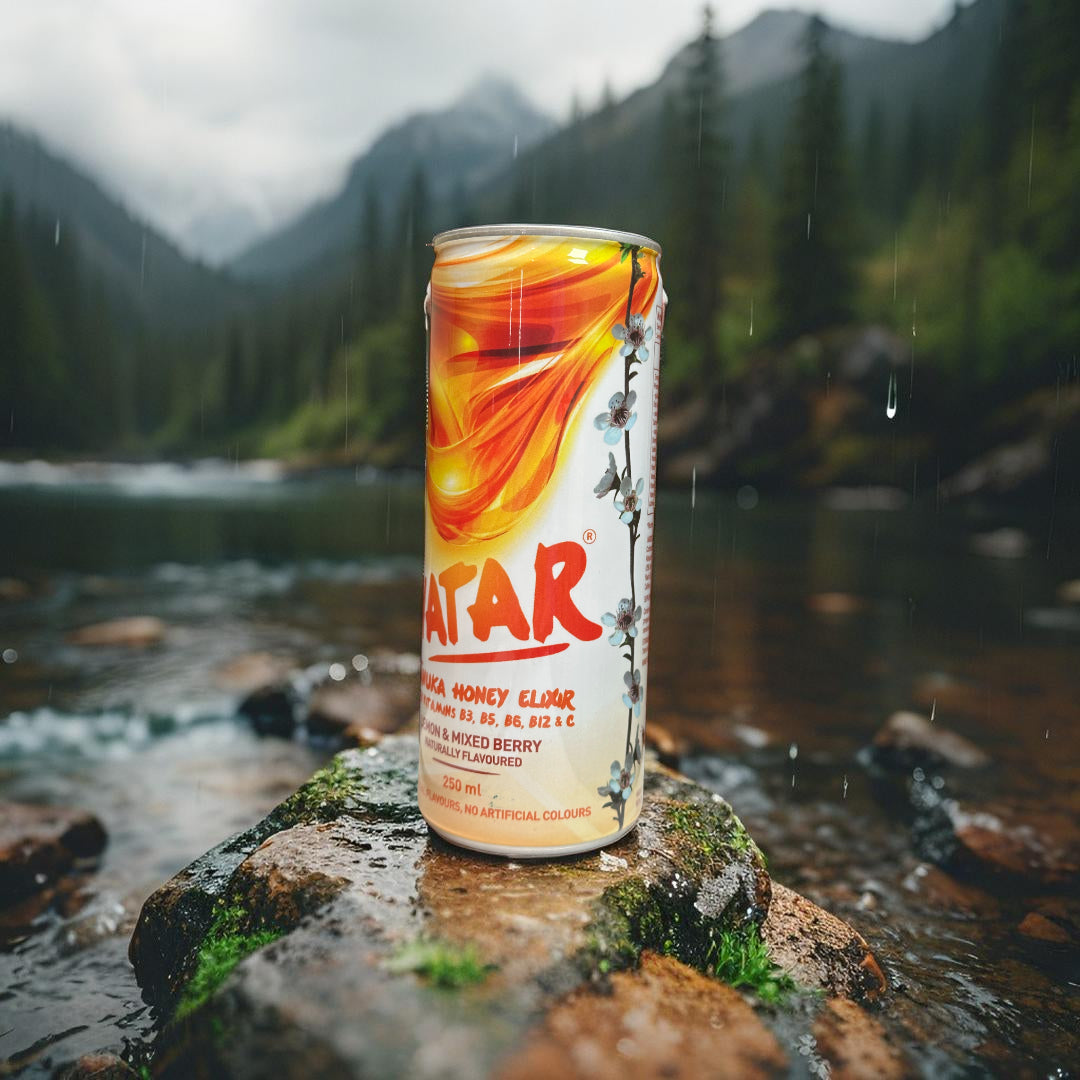
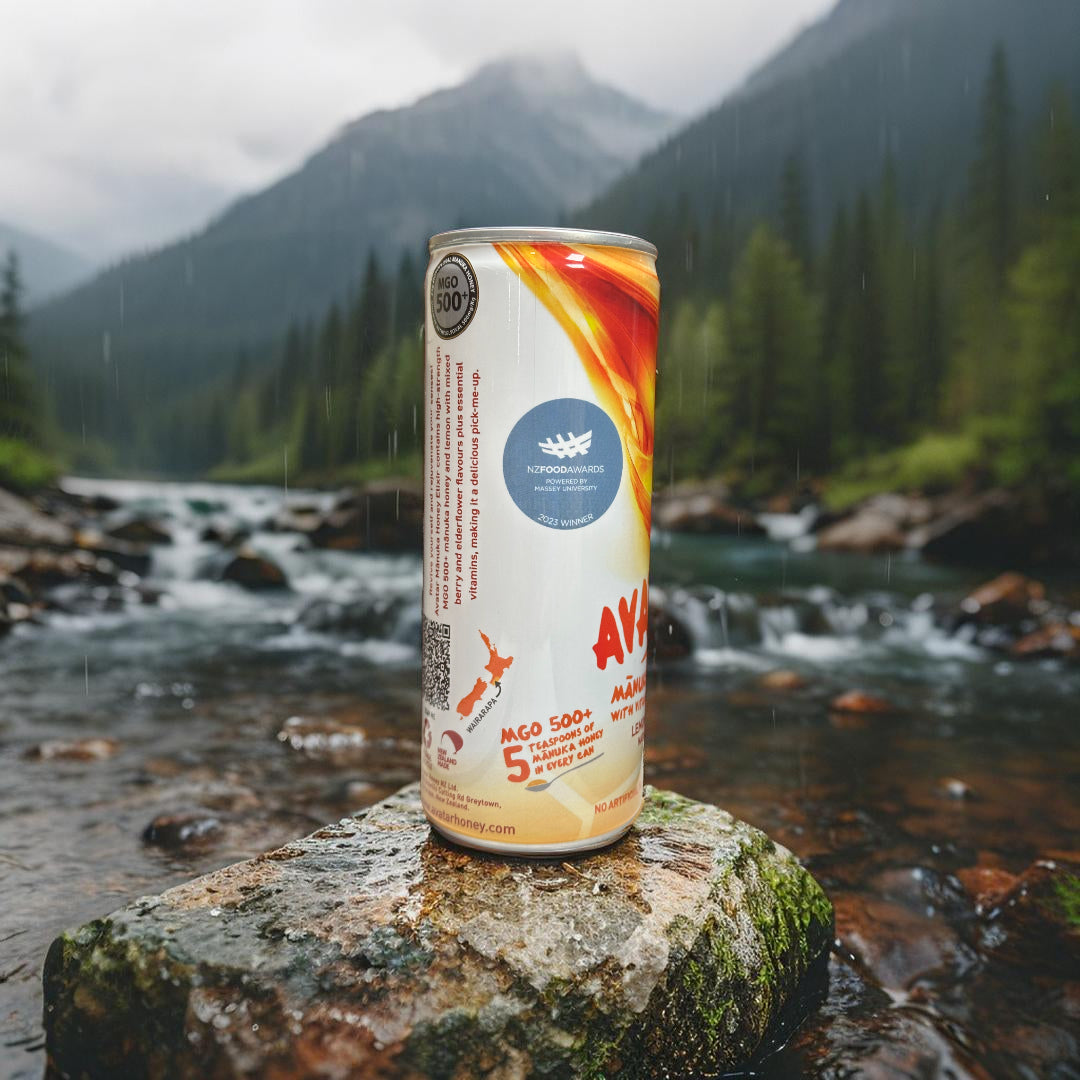
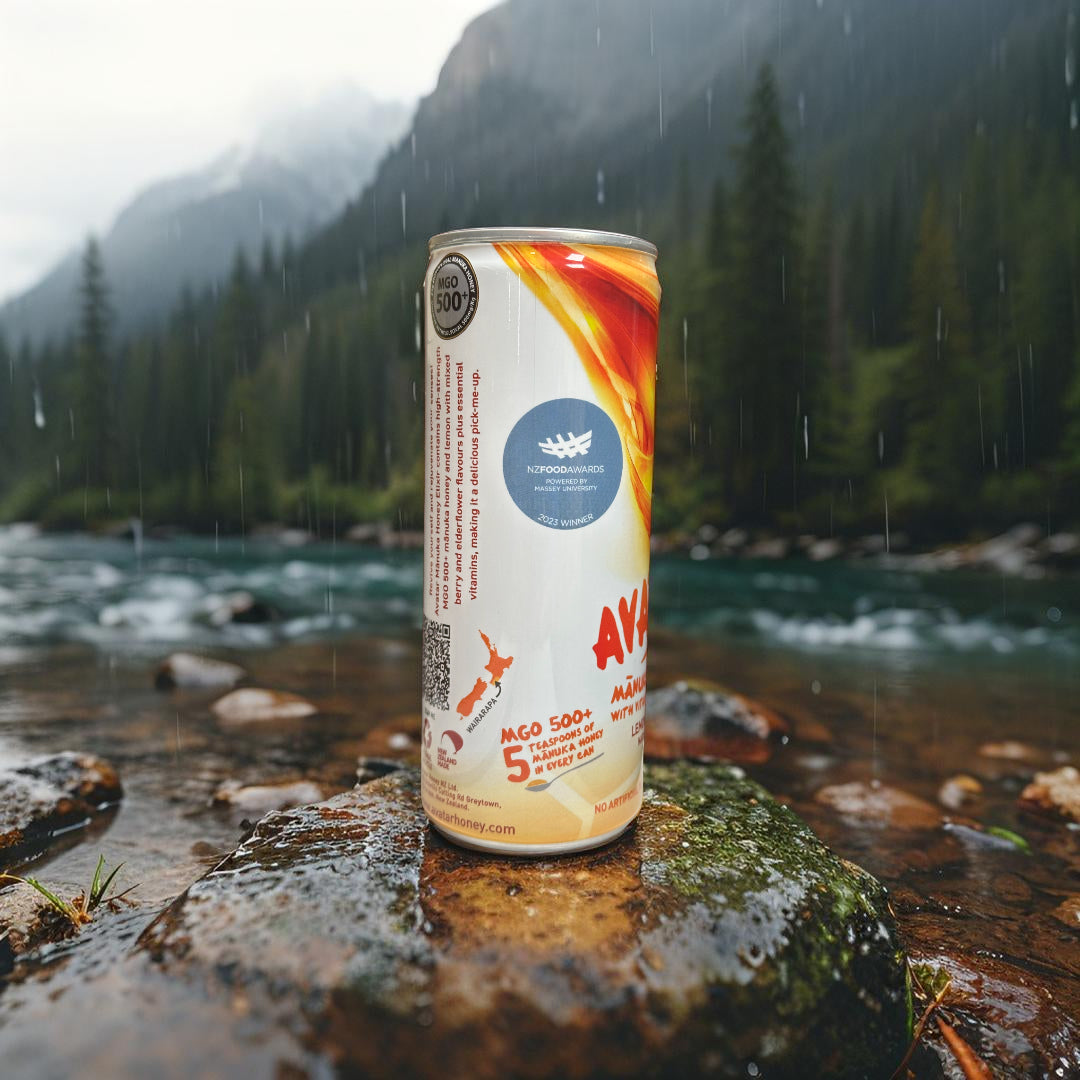
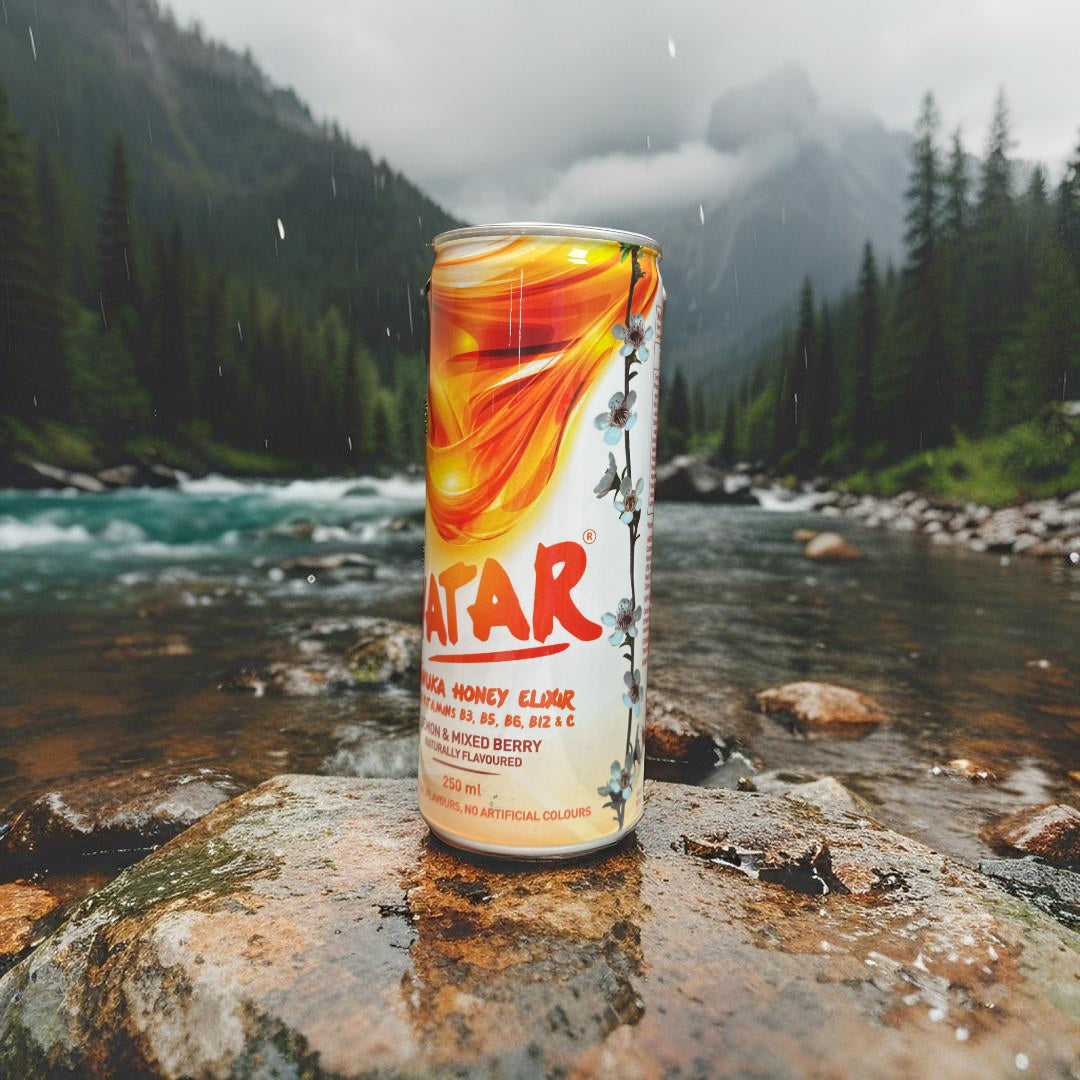
In a drink like Avatar Elixir, the role of certified MGO500+ Manuka honey is part of the product’s character. The drink also includes lemon, elderflower, B vitamins, vitamin C, clean caffeine, and lightly carbonated water. Its appeal is not built around artificial visual impact. It is built around how the ingredients come together in the can.
That distinction matters when you are comparing beverage labels. A premium natural energy drink can still feel polished, modern, and enjoyable without needing a bright artificial colour to do the work.
How citrus, botanicals, and carbonation create a natural drink experience
Citrus, botanicals, and carbonation can make a drink feel lively without relying on artificial colour. These ingredients affect the sensory experience in direct, recognisable ways.
Citrus brings brightness
Lemon and other citrus ingredients can create freshness, acidity, and lift. They help a drink feel clean on the palate, especially when balanced with honey or a gentle sweetness. Citrus also gives the brain a familiar flavour cue without requiring a dramatic colour.
Botanicals add aroma and shape
Botanicals such as elderflower can add floral, fragrant notes that make a drink feel more grown-up and layered. They are often used in premium mixers and modern soft drinks because they create interest without heavy sweetness. The result can feel lighter and more refined than a standard candy-like energy drink profile.
Carbonation changes the finish
Light carbonation brings movement and refreshment. It can make citrus feel brighter, honey feel cleaner, and botanicals feel more lifted. For adults who want energy without a heavy or syrupy feel, carbonation can be just as important as flavour.
These elements show how natural drinks can communicate quality through the drinking experience. The colour may be quieter, but the flavour can still feel complete.
What “no artificial colours” does and does not mean
“No artificial colours” means the drink does not use artificial colour additives to create or adjust its appearance. It does not automatically tell you everything about the drink’s sweetness, caffeine level, flavouring, or overall formulation.
This is why it is useful to read the full label rather than relying on one claim. A drink without artificial colours may still contain artificial flavours. Another drink may avoid artificial colours and also use a more ingredient-led flavour base. The difference is in the full ingredients list, not a single front-of-can phrase.
When comparing natural energy drinks, look for how the main elements fit together:
- Colour source: Does the label mention artificial colours, natural colour sources, or no added colour?
- Flavour base: Are recognisable ingredients such as lemon, honey, tea, fruit, or botanicals present?
- Caffeine source and amount: Is the caffeine clearly stated and positioned for adult use?
- Sweetness style: Does the drink use sugar, honey, fruit juice, sweeteners, or a blend?
- Overall clarity: Can you understand the drink without decoding a long list of vague terms?
A natural-looking drink is not automatically better, and a bright drink is not automatically worse. The best approach is to ask whether the label matches what you want from the beverage.
How to read an energy drink label for artificial colours
A simple label check can help you spot artificial colours in less than a minute. This is especially useful when two drinks look similar from the front but take very different approaches behind the scenes.
- Start with the ingredients list. Look for colour names, colour numbers, or phrases such as artificial colour.
- Compare the colour to the flavour. If the drink is very bright, ask what ingredient creates that colour.
- Check for real ingredient cues. Look for lemon, honey, botanicals, fruit extracts, tea, or other recognisable sources of flavour and character.
- Read beyond the front claim. “Natural,” “clean,” or “functional” can mean different things across brands.
- Consider the whole drink occasion. A workday drink, study drink, mixer, travel can, or social option may need a different balance of taste, caffeine, sweetness, and refreshment.
This process helps you move past packaging and into the actual formulation. It also makes it easier to choose drinks that feel aligned with your routine, not just your impulse in front of the fridge.
Why bright colour can feel exciting but not always premium
Bright colour is powerful because it creates instant expectation. It can make a drink feel fun, energetic, and bold before the can is opened. That is one reason conventional energy drinks have often leaned into strong visual identities.
Premium drinks often work differently. They may rely on restraint, ingredient clarity, and a more grown-up flavour structure. Instead of trying to look louder, they aim to taste more considered.
This is especially relevant for adults who want an energy drink that fits work, study, travel, gifting, or a social setting. A drink does not need to look fluorescent to feel refreshing. It can feel distinctive through balance, aroma, carbonation, and a clean finish.
That is where honey, citrus, and botanicals can do more than decorate the recipe. They can create a sense of craft and care that artificial colour alone cannot provide.
Natural energy drinks without artificial colours still need balance
A natural energy drink should still taste good, feel refreshing, and make sense for the occasion. Removing artificial colours is only one part of building a better beverage. The recipe still needs balance between sweetness, acidity, carbonation, caffeine, and flavour.
For example, honey can bring roundness, but it needs brightness to avoid feeling heavy. Lemon can bring lift, but it needs softness to avoid becoming sharp. Elderflower can bring fragrance, but it works best when it supports the drink rather than overpowering it.
This balance is why ingredient-led drinks can feel more premium. The drink maker has to build appeal from flavour and structure, not just from a vivid appearance. When done well, the result is a beverage that feels considered from the first aroma to the final sip.
Where Avatar Elixir fits in this label conversation
Avatar Elixir is a New Zealand Manuka honey drink designed around ingredient character rather than artificial visual intensity. It brings together certified MGO500+ Manuka honey, lemon, elderflower, B vitamins, vitamin C, clean caffeine, and lightly carbonated water.
The point is not that every natural drink must use honey, or that every bright drink should be avoided. The point is that a beverage can communicate quality through its recipe. Manuka honey brings depth. Lemon brings brightness. Elderflower brings a gentle botanical lift. Carbonation brings freshness.
For adults choosing a drink for work, study, long days, travel, or a more premium social option, that ingredient-led approach can feel more aligned with how they want to drink. The label becomes part of the experience because it explains what the can is built around.
Final label takeaway
Artificial colours are not difficult to spot once you understand the naming patterns. Look for colour numbers, named synthetic colours, or broad artificial colour statements in the ingredients list. Then compare those details with the drink’s front-of-can promises.
Natural energy drinks without artificial colours usually ask you to notice different signals. Instead of a vivid liquid doing all the talking, the label may point to honey, citrus, botanicals, fruit, tea, or other recognisable ingredients. The drink’s appeal comes from flavour, aroma, balance, and refreshment.
The most useful habit is simple: turn the can around. If the label clearly explains how the drink gets its colour, flavour, and energy, you are in a better position to choose something that fits your taste, your routine, and your preference for a more natural, ingredient-led beverage.
These answers explain how to read beverage labels when comparing artificial colors with more natural, ingredient-led energy drinks.
How do I spot artificial colors on an energy drink label?
Artificial colors usually appear in the ingredients list as named colors, numbers, or broad color statements. Look for terms such as Red 40, Yellow 5, Blue 1, artificial color, or regional names such as Tartrazine, Allura Red, Sunset Yellow, or Brilliant Blue. If the label is clear and specific, it is easier to compare the drink with more ingredient-led options.
Are natural energy drinks always clear or pale in color?
Natural energy drinks are not always clear or pale, but they usually rely on ingredient character rather than artificial visual impact. Honey, citrus, fruit extracts, botanicals, tea, turmeric, beetroot, or other natural sources give a drink its own natural shade. A softer color does not mean a weaker drinking experience, especially when the flavor is built from real ingredients.
Why do energy drinks use bright colors if flavor is separate?
Energy drinks use bright colors because color creates a fast flavor expectation before the first sip. Yellow suggests citrus or tropical fruit, red suggests berry or punch, and blue suggests something icy or sharply sweet. The color does not prove where the flavor comes from, so the ingredients list is the best place to check whether the drink is built around real flavor sources.
What is the difference between natural colors and artificial colors?
Natural colors come from sources such as fruit, vegetables, botanicals, or plant extracts, while artificial colors are manufactured color additives listed by names, numbers, or color statements. Both are used to shape how a drink looks, but they communicate different product philosophies. For shoppers seeking a more natural energy drink, the key is whether the color story matches the ingredient story.
Does a bright drink mean it has stronger flavor?
A bright drink does not automatically have stronger flavor, because color and flavor are separate cues. A vivid liquid creates an expectation of intensity, but the taste depends on acids, sweeteners, flavors, carbonation, and other ingredients. A more subtle-looking drink still delivers a premium experience when its flavor is shaped by ingredients such as honey, lemon, botanicals, and gentle bubbles.
How do honey, citrus, and botanicals shape a natural energy drink?
Honey, citrus, and botanicals shape a natural energy drink through aroma, texture, sweetness, acidity, and finish. Manuka honey brings rounded sweetness and depth, lemon adds freshness and lift, and elderflower adds a delicate floral note. In a lightly carbonated drink such as Avatar Elixir, these ingredients help create a premium drinking experience where flavor character matters more than bright visual cues.
What should I choose if I want a more ingredient-led energy drink?
Choose a more ingredient-led energy drink by reading the ingredients list before relying on the front of the can. Look for recognizable flavor builders such as honey, citrus, botanicals, fruit extracts, vitamins, clean caffeine, and carbonated water, then check whether artificial colors are part of the recipe. A good choice should feel balanced, enjoyable, and suited to your routine, whether for work, study, travel, or social occasions.