



Short answer: Singers who want light caffeine before rehearsal should choose a cool or room-temperature drink that is refreshing, lightly flavoured, not too sweet, not overly acidic, and easy to pair with water. A gentle profile such as honey, lemon, elderflower, light carbonation, and clean caffeine can work well when sipped slowly before warming up.
You are on your way to rehearsal, call time is getting close, and you want a small lift without arriving with coffee breath, a coated mouthfeel, or a drink that feels sharp on the first sip. For singers, speakers, and performers, the right pre-rehearsal drink is less about chasing maximum energy and more about choosing something that feels clean, comfortable, and balanced.
A light caffeinated drink before rehearsal should support the moment without getting in the way. That usually means moderate caffeine, gentle flavour, enough freshness to feel bright, and a sweetness level that does not leave your mouth feeling sticky. Water still matters, but if you want something more interesting than plain water, the best choice is usually a drink that feels refreshing rather than heavy.
What should singers sip before rehearsal when they want light caffeine?
Singers who want light caffeine before rehearsal should sip a refreshing, lightly caffeinated drink with a gentle flavour profile, low stickiness, and a clean finish, while also drinking water alongside it. The ideal drink should feel comfortable in the mouth, avoid heavy sweetness, and not rely on harsh acidity or strong coffee flavour.
For most rehearsal situations, this means looking for a drink with five qualities:
- Light or moderate caffeine: Enough for a lift, not so much that it feels intense.
- Gentle flavour: Citrus, floral notes, mild honey, or light botanicals are usually easier before singing than very strong flavours.
- Clean finish: The drink should not leave a syrupy coating or lingering bitterness.
- Comfortable temperature: Cool or room-temperature drinks often feel more rehearsal-friendly than very icy or very hot drinks.
- Water pairing: A caffeinated drink should sit alongside water, not replace it.
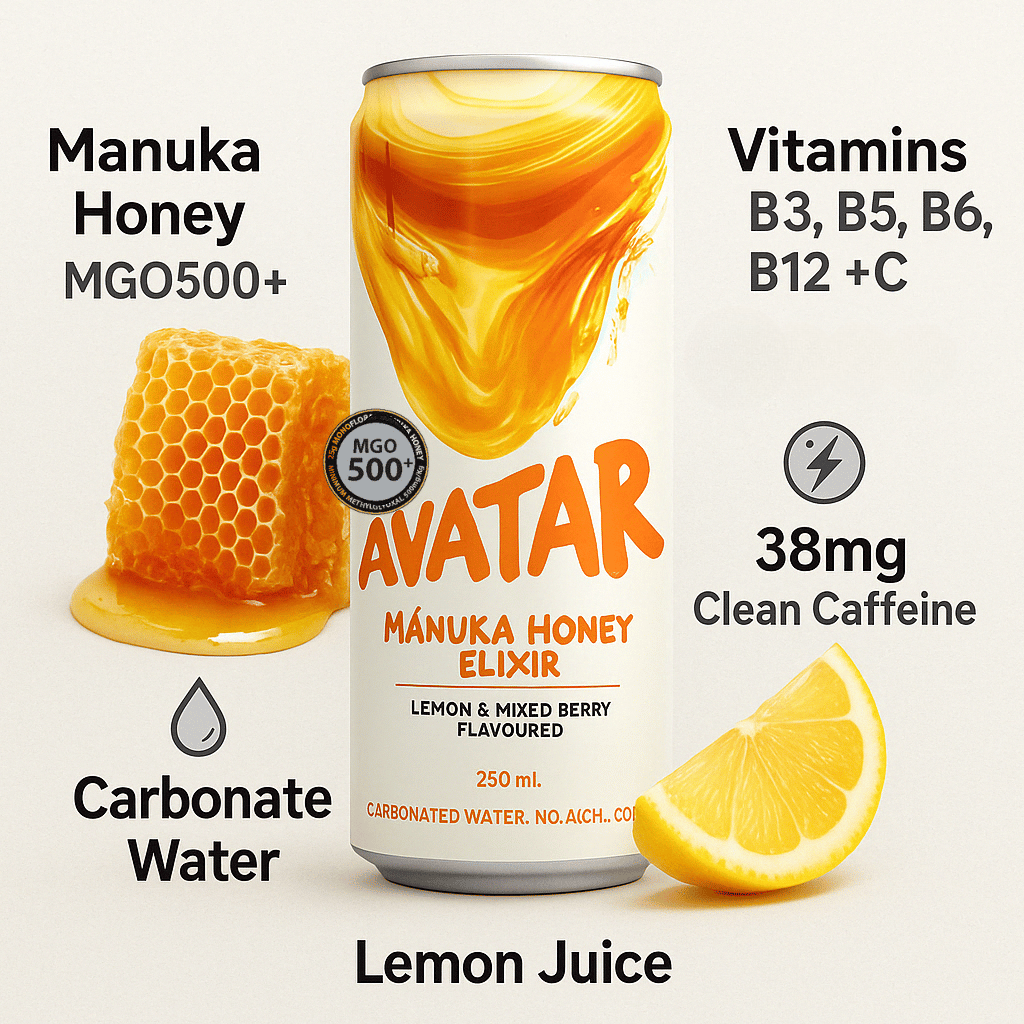
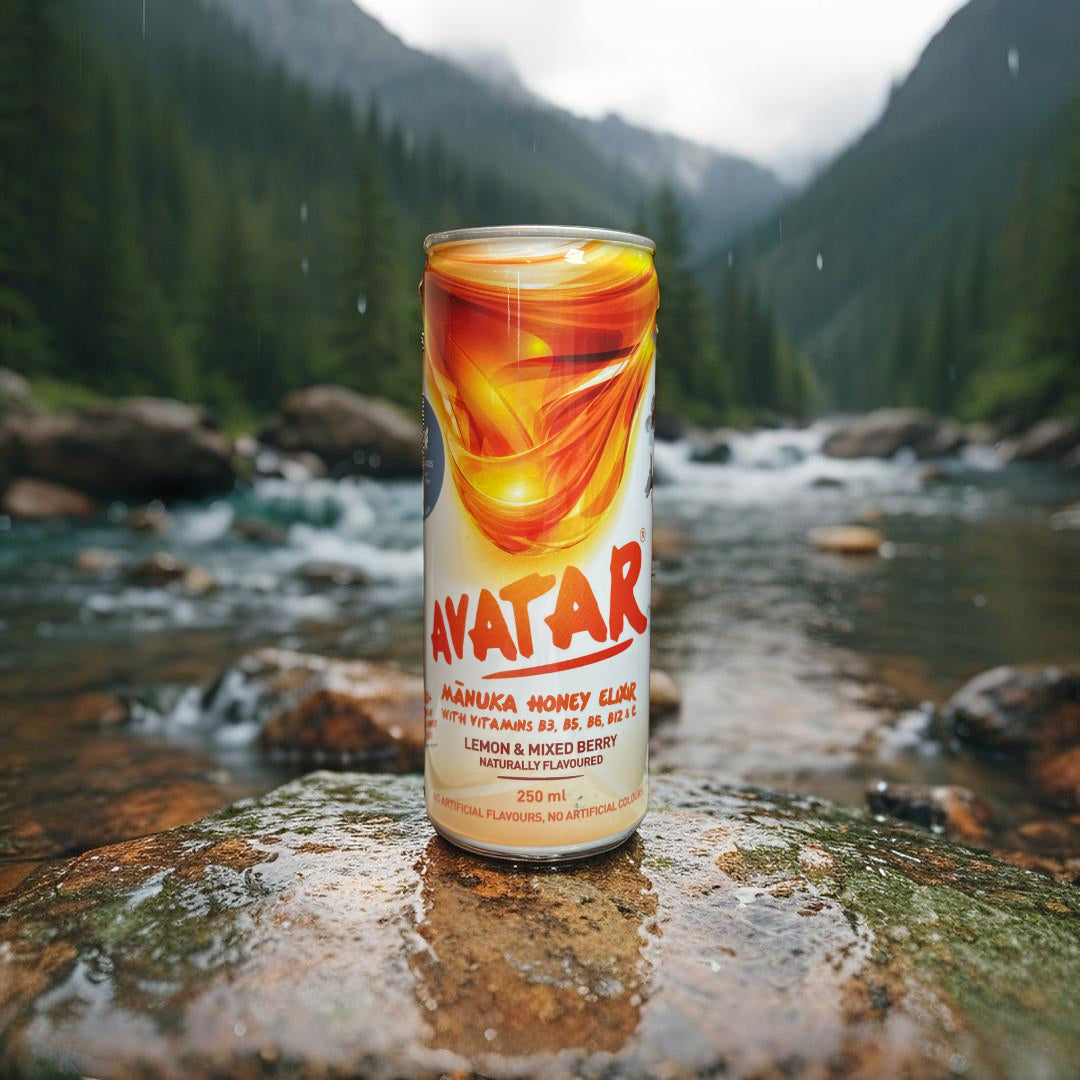
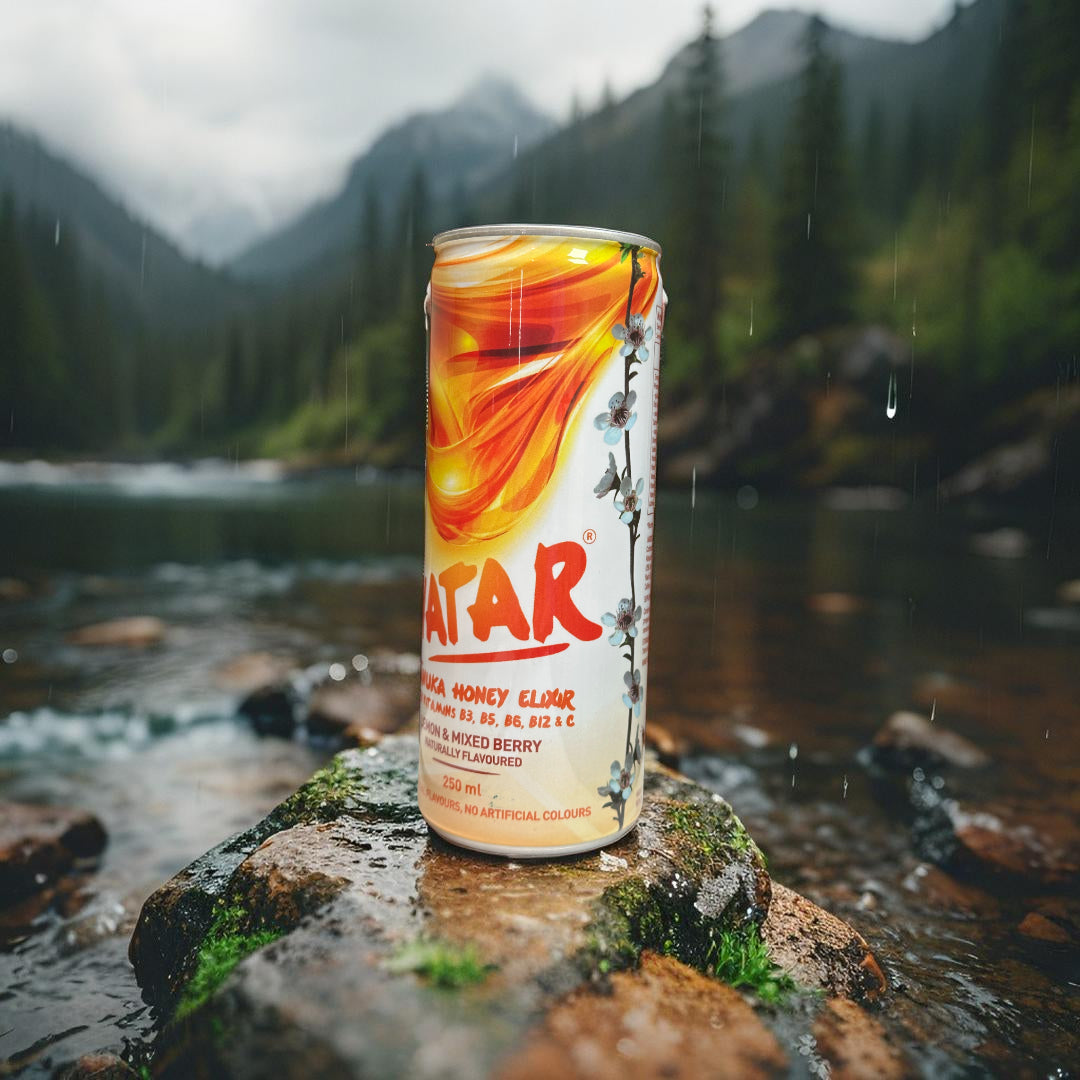
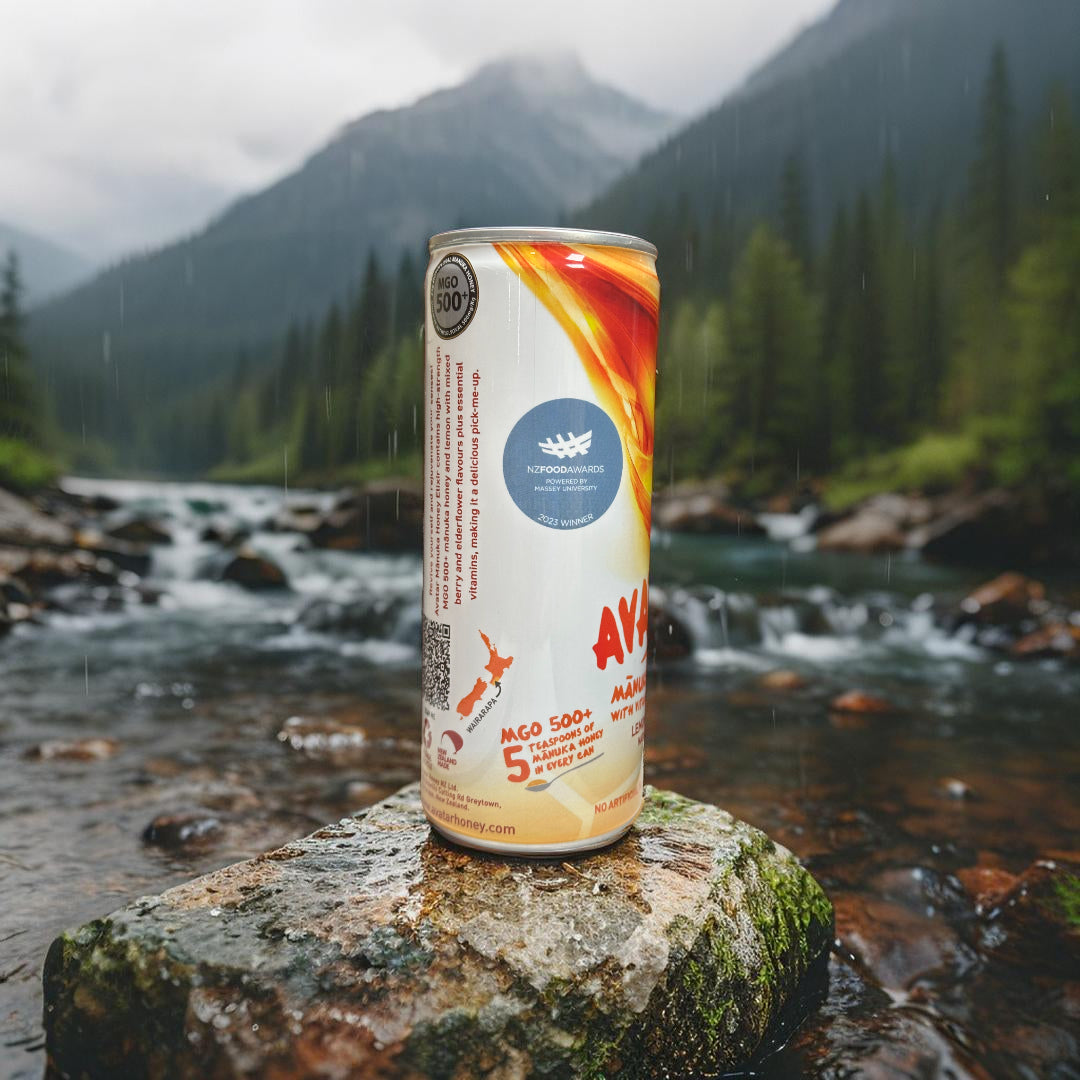
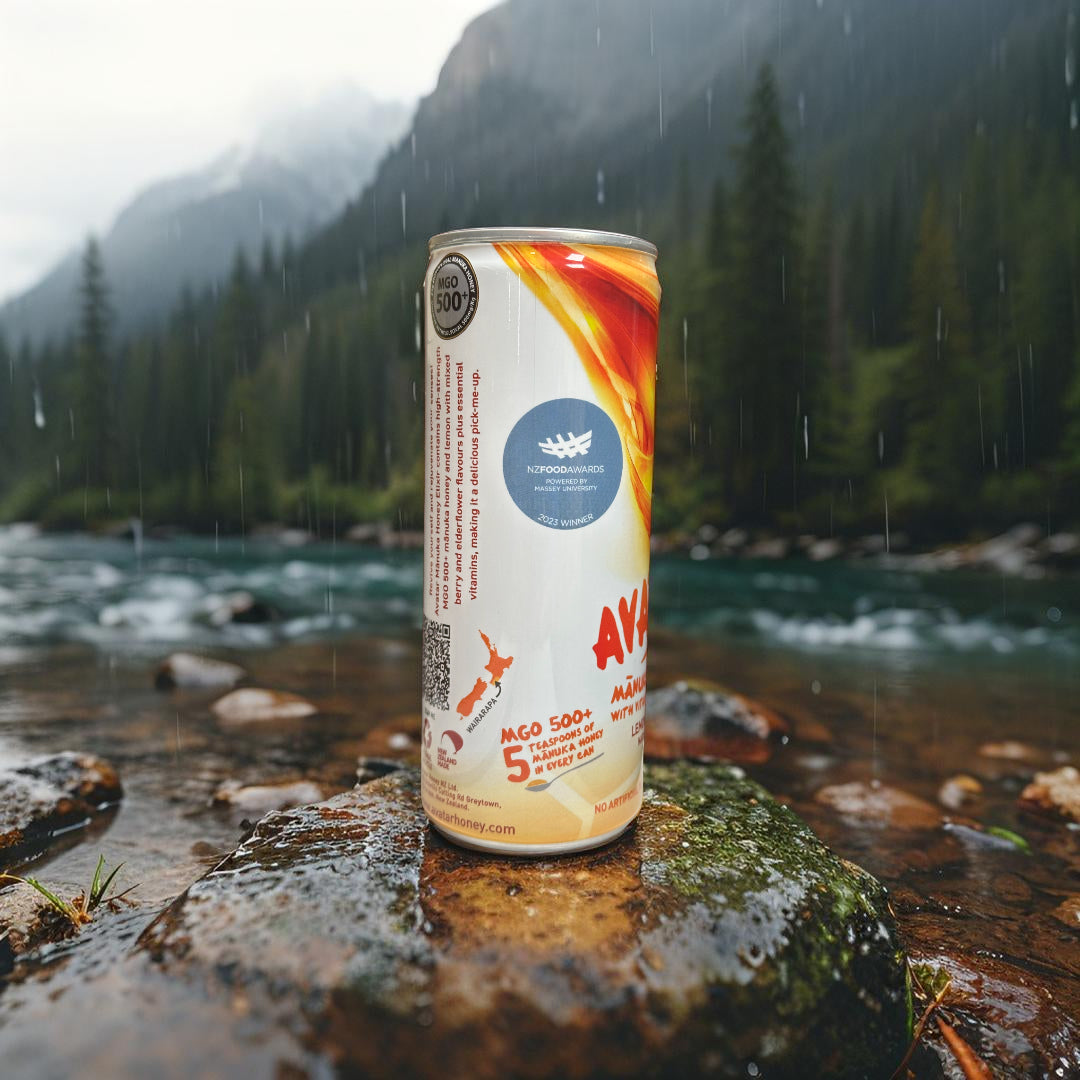
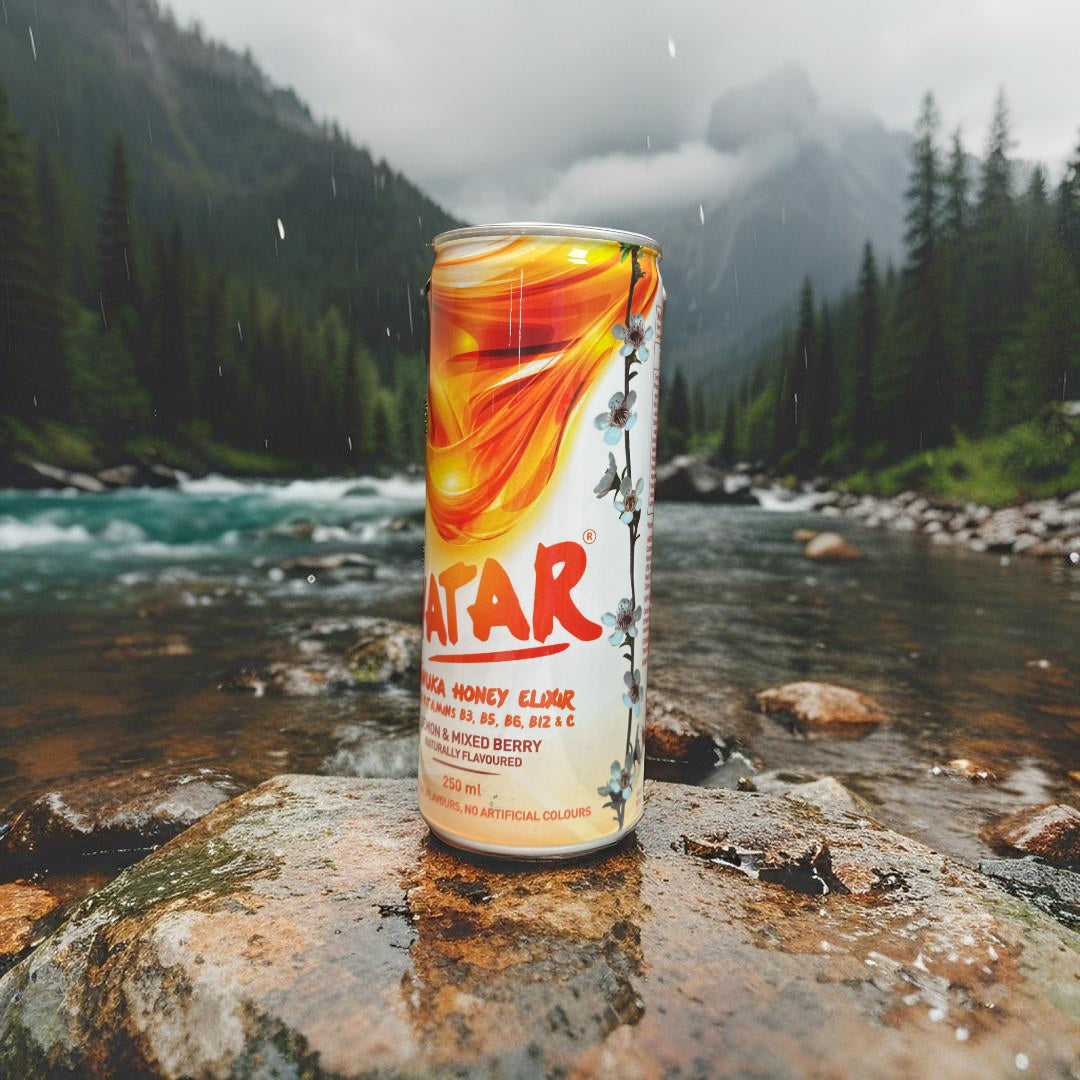
A drink such as Avatar Elixir is one example of this style because it combines Manuka honey, lemon, elderflower, clean caffeine, B vitamins, vitamin C, and lightly carbonated water. The point is not that every singer needs the same drink, but that this kind of ingredient-led profile gives you a useful framework: light lift, fresh flavour, and a more grown-up finish than a syrupy soft drink or typical high-caffeine energy drink.
Why might coffee feel wrong before singing?
Coffee can feel wrong before singing because it has a strong aroma, lingering bitterness, and a mouthfeel that some performers find too heavy or drying before using their voice. It also leaves a very recognisable coffee-forward flavour, which may not be ideal before close rehearsals, ensemble work, teaching, auditions, or spoken performance.
This does not mean coffee is bad or that singers must avoid it. Many performers enjoy coffee and know how it fits their routine. The issue is practical: before rehearsal, coffee can feel like a lot. A flat white, long black, or strong cold brew may be more flavour and caffeine than you want when you are about to warm up, breathe deeply, and focus on articulation.
If coffee makes you feel jittery, gives you noticeable breath, or leaves your mouth feeling coated, a lighter caffeinated drink may be a better fit for that specific pre-rehearsal window. The aim is a clearer sip that gives some lift without dominating the mouth.
What flavour profile is gentlest before rehearsal?
A gentle pre-rehearsal flavour profile is usually lightly sweet, softly citrusy, and clean-finishing, with no heavy syrup, harsh sourness, or aggressive bitterness. Honey, lemon, elderflower, mild botanicals, and lightly sparkling water can create a fresh taste that feels bright without being overly sharp.
For singers, flavour matters because rehearsal is a sensory activity. You are not just drinking for energy. You are also noticing how your mouth feels, how the flavour lingers, and whether the drink makes you want more water. A balanced flavour should feel like a pleasant reset, not like something you need to rinse away immediately.
What makes honey a useful flavour before singing?
Honey can be useful as a flavour before singing because it brings rounded sweetness without needing a candy-like taste. In a drink, honey can soften citrus and floral notes, helping the sip feel smoother and less sharp.
Manuka honey, in particular, has a distinctive depth that can feel more complex than plain sugar sweetness. In Avatar Elixir, certified MGO500+ Manuka honey is paired with lemon and elderflower, which gives the drink a layered flavour: softly sweet, lightly floral, and fresh through the finish. It should still be treated as a beverage choice, not a vocal treatment or performance guarantee.
Why are lemon and elderflower common in refreshing drinks?
Lemon and elderflower work well in refreshing drinks because lemon adds brightness while elderflower adds a soft floral lift. Together, they can create freshness without needing the drink to taste aggressively sour or overly sweet.
The key is balance. Too much citrus can feel sharp before rehearsal, especially if you are sipping quickly. Too much floral sweetness can feel perfumed or sticky. A good pre-rehearsal drink should land in the middle, with enough flavour to feel enjoyable and enough restraint to stay comfortable.
Should singers avoid sticky or syrupy drinks before rehearsal?
Singers may prefer to avoid sticky or syrupy drinks before rehearsal because heavy sweetness can leave a coated mouthfeel and make the drink feel less refreshing. A lighter drink with a clean finish is often more comfortable when you are about to sing, speak, or rehearse for an extended period.
Sticky does not only mean sugary. Some drinks feel heavy because of thick syrups, intense sweeteners, creamy textures, or strong flavour concentrates. Even when a drink tastes good, it may not be the best pre-rehearsal choice if it leaves a film, aftertaste, or strong flavour trail.
Before rehearsal, it helps to ask one simple question: Will I want water after this because I am naturally balancing my sip, or because I need to wash the drink away? If the answer is the second one, the drink may be too heavy for that moment.
Look for cues such as:
- A lighter sweetness rather than a dessert-like sweetness.
- A short, clean finish rather than a lingering syrup taste.
- Freshness from citrus or carbonation rather than heavy flavouring.
- Ingredients you can understand at a glance.
Is carbonation a good idea before singing?
Light carbonation can be suitable before singing if it feels comfortable for you and is sipped slowly, but strong fizz may not suit every performer. A lightly carbonated drink can feel refreshing and palate-cleansing, while very aggressive carbonation can feel distracting before rehearsal.
Carbonation is personal. Some singers like the clean, lifted feeling of a gentle sparkle. Others prefer still drinks before vocal work. The safest practical approach is to test your preference during a low-pressure rehearsal, not right before a major performance or audition.
If you choose a sparkling drink, avoid gulping it. Sip it steadily, give yourself time, and pair it with plain water. Light carbonation is usually more rehearsal-friendly than a very fizzy drink that feels sharp, gassy, or hard to settle.
What temperature is best for a pre-rehearsal caffeinated drink?
A cool or room-temperature drink is often the most practical choice before rehearsal because it feels refreshing without being extreme. Very icy drinks can feel too cold for some performers, while very hot drinks may be inconvenient when you are moving between travel, warmups, and rehearsal rooms.
There is no single perfect temperature for every singer. The best temperature is the one that feels comfortable, easy to sip, and unlikely to distract you. If you are walking into a studio, theatre, school hall, church, rehearsal room, or backstage space, a chilled but not freezing drink is often a sensible middle ground.
For bottled or canned drinks, you might take the drink from the fridge and let it sit for a few minutes before sipping. This keeps the freshness without making each sip feel icy. If the room is warm, a chilled drink may feel especially welcome, but it should still be something you can drink slowly rather than rush.
How much caffeine makes sense before rehearsal?
Light caffeine before rehearsal usually means choosing a drink that gives a modest lift rather than a strong stimulant hit. Singers should consider their usual caffeine tolerance, rehearsal length, time of day, and whether caffeine ever makes them feel shaky or distracted.
The right amount varies from person to person. A performer who drinks coffee daily may want something different from someone who rarely has caffeine. An evening choir rehearsal may call for a lighter choice than a morning studio session. A long rehearsal after work may make a small caffeinated drink feel useful, while a late-night rehearsal may not be the best time for caffeine at all.
Instead of thinking only about caffeine content, think about the whole drink experience:
- Does it feel steady or intense?
- Does the flavour stay clean after a few sips?
- Will it sit well with your usual warmup routine?
- Can you comfortably drink water alongside it?
A clean caffeine drink can be a useful option for performers who want a lighter, clearer alternative to coffee or traditional energy drinks. The best choice is still the one that suits your body, your schedule, and the demands of that rehearsal.
Should singers drink water with a caffeinated drink?
Yes, singers should generally pair a caffeinated drink with water before rehearsal because water remains the simplest, most useful baseline drink for vocal work. A lightly caffeinated beverage can add flavour and a lift, but it should not replace plain water in your rehearsal routine.
A practical approach is to treat your caffeinated drink as the enjoyable sip and water as the steady companion. Keep both nearby if you can. Sip the caffeinated drink slowly before rehearsal, then use water throughout warmups, notes, breaks, and run-throughs.
This is especially helpful if your rehearsal is long, the room is warm, you are travelling, or you will be speaking as well as singing. Water keeps the routine simple. The flavoured drink adds brightness, but water does the everyday work of keeping you comfortable.
When should singers sip a light caffeinated drink before rehearsal?
Singers should sip a light caffeinated drink before rehearsal with enough time to enjoy it slowly, usually before warmups or during the travel window rather than right as singing begins. The goal is to avoid rushing the drink and to give yourself time to notice how it feels.
A simple timing plan looks like this:
- Before leaving or on arrival: Start with a few sips if you want a lift before the session.
- Before warmups: Keep the drink light and slow, rather than finishing it quickly.
- During rehearsal: Switch mostly to water, especially when you are actively singing.
- After rehearsal: Choose whatever feels comfortable for recovery, travel, or winding down, while considering the time of day if the drink contains caffeine.
Rushing any drink before singing can feel uncomfortable. Slow sipping is usually the better choice, particularly with carbonation or caffeine. It also helps you decide whether that drink genuinely belongs in your routine.
How can singers choose a refreshing drink instead of a harsh one?
Singers can choose a refreshing drink instead of a harsh one by looking for balanced sweetness, soft acidity, light carbonation, moderate caffeine, and flavours that finish cleanly. A refreshing drink should feel crisp and comfortable, not sour, syrupy, bitter, or overpowering.
Use this quick pre-rehearsal checklist:
- Flavour: Choose soft citrus, honey, floral, or botanical notes over heavy candy or strong coffee flavours.
- Sweetness: Look for light sweetness rather than a sticky or syrupy texture.
- Acidity: Pick brightness rather than sharpness. Lemon can be lovely when balanced well.
- Carbonation: Choose light sparkle if fizz suits you, or go still if carbonation distracts you.
- Caffeine: Keep it light enough for rehearsal, especially later in the day.
- Water: Always have plain water nearby.
Avatar Elixir fits this kind of brief for people who like a lightly sparkling drink with Manuka honey, lemon, elderflower, and clean caffeine. It is not a vocal product or a shortcut to a better rehearsal. It is simply an example of a premium New Zealand honey-based drink that can suit performers looking for a cleaner, less coffee-forward sip.
What is the simplest pre-rehearsal drink routine for light caffeine?
The simplest pre-rehearsal routine is to drink water as your base, then sip a light caffeinated drink with gentle flavour before warmups if you want extra lift. Choose a drink that feels fresh, not sticky, and keep the experience calm rather than intense.
For many singers, speakers, and performers, the best routine is uncomplicated:
- Have water with you before and during rehearsal.
- If you want caffeine, choose a lighter option rather than a strong coffee or high-caffeine energy drink.
- Look for a clean finish, soft sweetness, and balanced flavour.
- Sip slowly, especially if the drink is carbonated.
- Notice how the drink feels in your mouth and adjust next time if needed.
In short: before rehearsal, the best light caffeinated drink is one that gives you a gentle lift while staying out of the way. If it tastes fresh, feels comfortable, pairs easily with water, and does not leave you with coffee breath or syrupy sweetness, it is probably much closer to what a singer needs.
These answers cover practical pre-rehearsal drink choices for singers, speakers, and performers who want light caffeine without a heavy or harsh sip.
What should singers drink before rehearsal for light caffeine?
Singers who want light caffeine before rehearsal should choose a refreshing drink with moderate caffeine, gentle flavour, a clean finish, and water alongside it. A good pre-rehearsal sip should not feel syrupy, sharply acidic, or heavily coffee-forward. Light citrus, soft honey, floral notes, and mild carbonation are practical flavour cues for a drink that feels bright without taking over the mouth.
Is coffee the best caffeine choice before singing?
Coffee is not always the best caffeine choice before singing because its strong aroma, bitterness, and lingering mouthfeel can feel distracting before rehearsal. This does not make coffee wrong for every singer, but it is not the only option. Performers who dislike coffee breath, heaviness, or a coated feeling can look for lighter caffeinated drinks with a cleaner finish.
What flavour profile feels gentlest before vocal rehearsal?
A gentle flavour profile before vocal rehearsal is lightly sweet, softly citrusy, and clean-finishing. Honey, lemon, elderflower, mild botanicals, and lightly sparkling water create a softer drinking experience than sharp sour drinks or heavily sweetened energy drinks. The best flavour should feel refreshing enough to enjoy slowly, without leaving a sticky or bitter aftertaste.
Should singers avoid syrupy energy drinks before rehearsal?
Singers should avoid syrupy energy drinks before rehearsal if they leave the mouth feeling sticky, coated, or overly sweet. A heavy sweetness level can make a drink feel less comfortable when warming up, speaking, or singing for long periods. A lighter drink with balanced sweetness and a cleaner finish is usually a better fit for performers who want refreshment rather than intensity.
Is carbonation okay before singing or speaking?
Light carbonation can be okay before singing or speaking when it feels comfortable and is sipped slowly. Very fizzy drinks can feel distracting for some performers, especially right before warm-ups or close vocal work. If you like sparkling drinks, choose a lightly carbonated option and pair it with still water so the sip stays refreshing rather than harsh.
How should performers pair a caffeinated drink with water?
Performers should treat a caffeinated drink as an addition to water, not a replacement for water. Keep water nearby during rehearsal, and sip the caffeinated drink slowly before or around warm-up time rather than relying on it as the only drink. This approach keeps the flavour experience light and helps avoid overdoing sweetness, acidity, caffeine, or carbonation.
Is Avatar Elixir suitable before rehearsal for light caffeine?
Avatar Elixir is a suitable example of a light pre-rehearsal caffeinated drink for performers who want a cleaner alternative to coffee or syrupy energy drinks. It combines certified MGO500+ Manuka honey, lemon, elderflower, B vitamins, vitamin C, clean caffeine, and lightly carbonated water. Its honey, citrus, and floral profile fits the idea of a refreshing sip with a grown-up finish.