


Short answer: Look for a clearly named sweetener, a disclosed caffeine amount per serving, understandable flavour ingredients, sensible vitamin claims, and a complete ingredient list. If you want an energy drink without artificial sweeteners, check specifically for sweeteners such as aspartame, sucralose, acesulfame potassium, and saccharin. Also check for sugar alcohols, which are a separate category and may appear in products marketed as low sugar or sugar free.
You are standing in front of two cans that both look like healthier energy drinks. One highlights natural flavours and vitamins on the front. The other talks about clean energy and low sugar. Turn the cans around, however, and one may rely on artificial sweeteners or sugar alcohols while the other uses honey, fruit juice, cane sugar, or another recognisable source of sweetness.
The best choice is not determined by a single word such as natural, clean, or zero. It comes from reading the ingredient list and nutrition panel together. That lets you compare how the drink is sweetened, where its caffeine comes from, how much caffeine it contains, what creates the flavour, and whether its vitamin claims are meaningful to your decision.
How can you tell whether an energy drink contains artificial sweeteners?
Read the full ingredient list and look for the specific names of high-intensity sweeteners. A front-of-can claim such as “no sugar” does not mean the drink is unsweetened, and a low-calorie drink may use one or more alternative sweeteners to create sweetness without much sugar.
Artificial sweeteners commonly found on beverage labels include:
- Aspartame
- Sucralose
- Acesulfame potassium, sometimes shortened to Ace-K
- Saccharin
If your goal is specifically to avoid artificial sweeteners, scan the ingredient list for these names rather than relying only on front-label phrases. Ingredients are generally listed in descending order by weight, although labelling requirements and terminology can vary by market.
Also distinguish between “no artificial sweeteners” and “no added sugar.” They are not interchangeable. A drink can contain no artificial sweeteners but still include added sugars from honey, cane sugar, syrups, or fruit concentrates. Conversely, a sugar-free drink may use alternative sweeteners.
What should you know about aspartame and sucralose?
Aspartame and sucralose are high-intensity sweeteners used to provide sweetness with little or no sugar. Their presence does not automatically tell you whether a drink is right or wrong for you, but it does matter if you are deliberately seeking an energy drink without artificial sweeteners.
What does aspartame look like on a label?
Aspartame is usually listed by name in the ingredients. Because it is much sweeter than ordinary sugar, only a relatively small amount is needed in a beverage. It is often paired with another sweetener to shape the overall taste.
People who need to avoid phenylalanine should pay particular attention to the required label information on products containing aspartame. For general shopping, the practical point is simpler: if aspartame appears in the ingredient list, the drink does not meet a strict “without artificial sweeteners” preference.
What does sucralose look like on a label?
Sucralose is also normally listed by name. It is widely used in zero-sugar and reduced-sugar drinks because it can produce strong sweetness without contributing the same amount of sugar as conventional sweeteners.
Taste is another consideration. Some people enjoy the flavour profile of sucralose, while others notice a lingering sweet finish. That is a sensory preference rather than a universal measure of drink quality.
Are sugar alcohols the same as artificial sweeteners?
No. Sugar alcohols are a separate group of sweetening ingredients, although shoppers often encounter them in the same low-sugar and sugar-free products. If you want a drink with a straightforward sweetener profile, it is worth checking for both categories.
Names you may see include:
- Erythritol
- Xylitol
- Sorbitol
- Maltitol
Sugar alcohols can add sweetness with less sugar than conventional sweeteners. Some people also find that larger amounts of certain sugar alcohols do not suit their digestion. That does not make every product containing them undesirable, but it is a useful reason to read beyond a simple “sugar free” claim.
Do not assume that every unfamiliar sweetener is a sugar alcohol. Stevia and monk fruit, for example, are high-intensity sweeteners derived from plant sources, but they are not sugar alcohols. If you are comfortable with plant-derived alternative sweeteners but want to avoid artificial ones, identify each ingredient rather than treating all sugar substitutes as one category.
Is honey a better sweetener to look for?
Honey can be a good fit when you want recognisable sweetness and a more rounded flavour, but it is still a source of sugar. Its main label-reading advantage is transparency: the ingredient is easy to identify, and it can contribute flavour as well as sweetness.
A honey-sweetened drink may taste different from one built around artificial sweeteners. Honey can bring floral, warm, or gently caramel-like notes, depending on the honey and the rest of the recipe. In a carbonated drink, citrus or botanical ingredients can balance that sweetness and create a fresher finish.
Check where honey appears in the ingredient list and review the nutrition panel for the total sugars per serving. A premium honey name does not remove the need to compare serving size and sugar content.
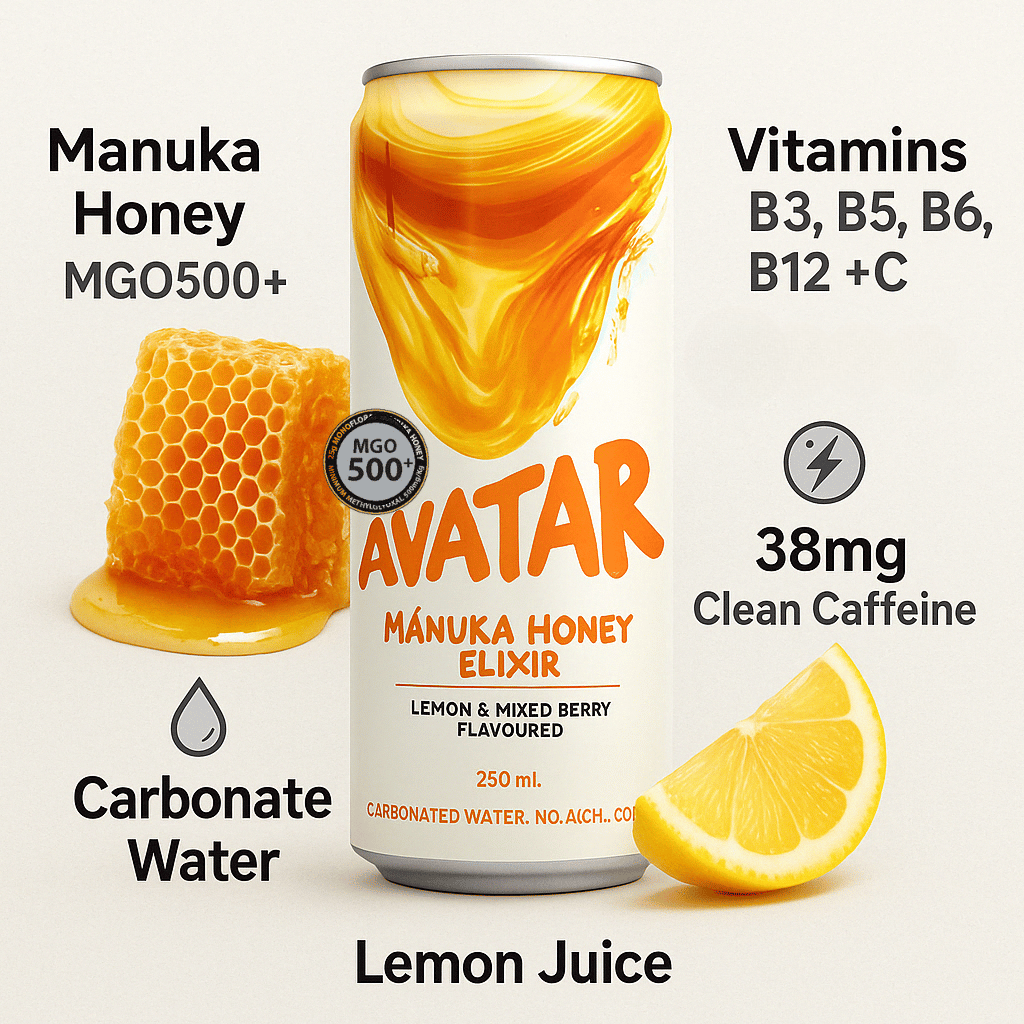
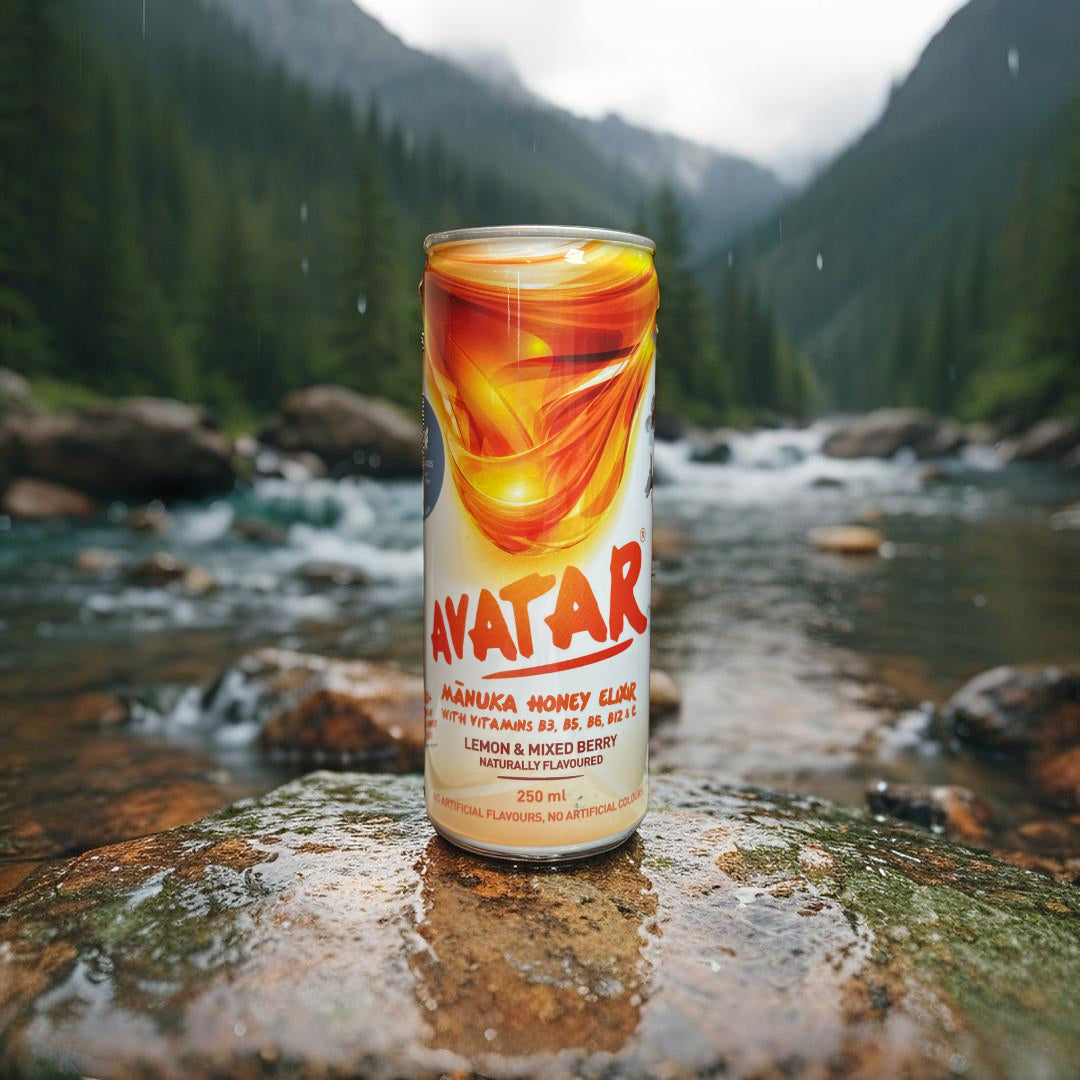
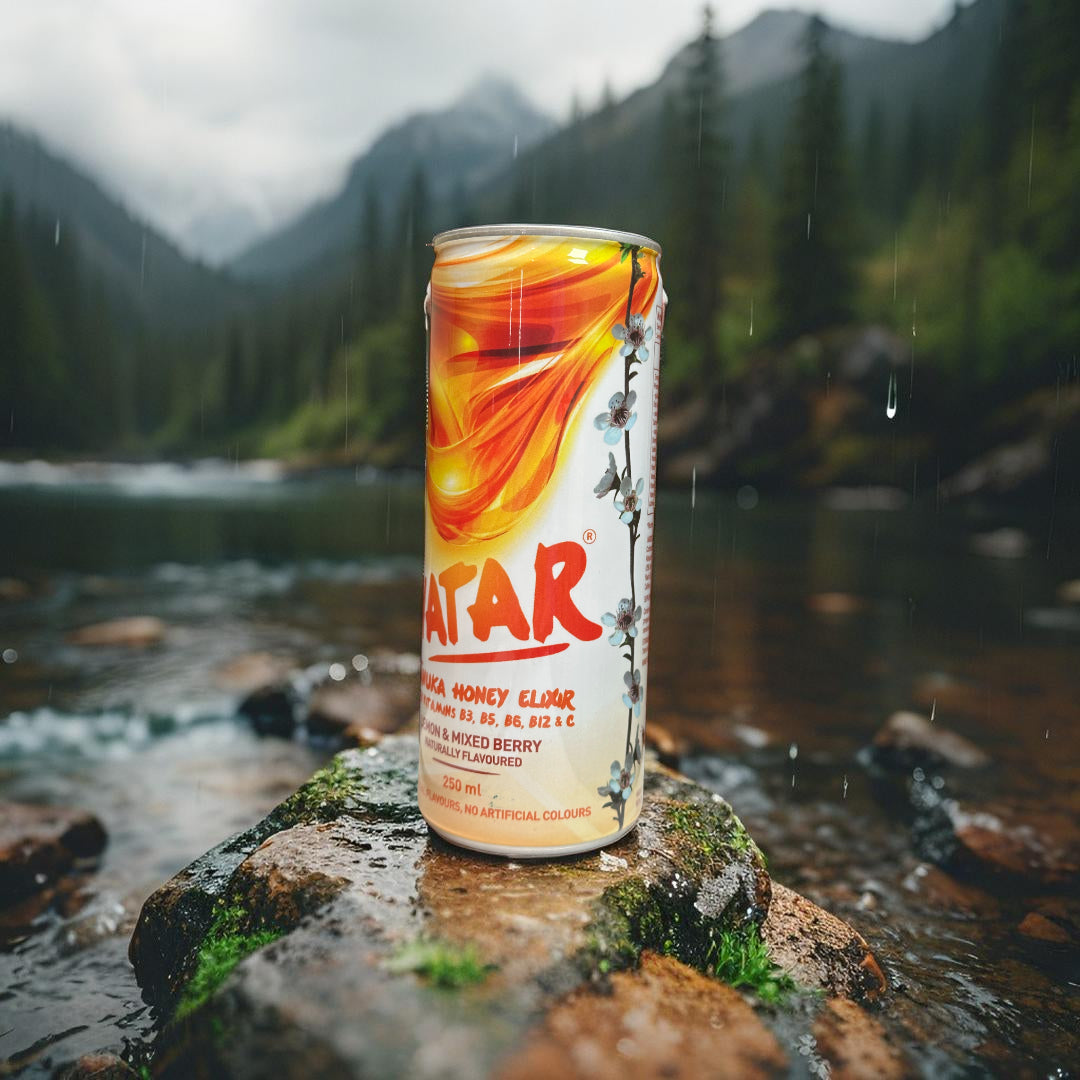
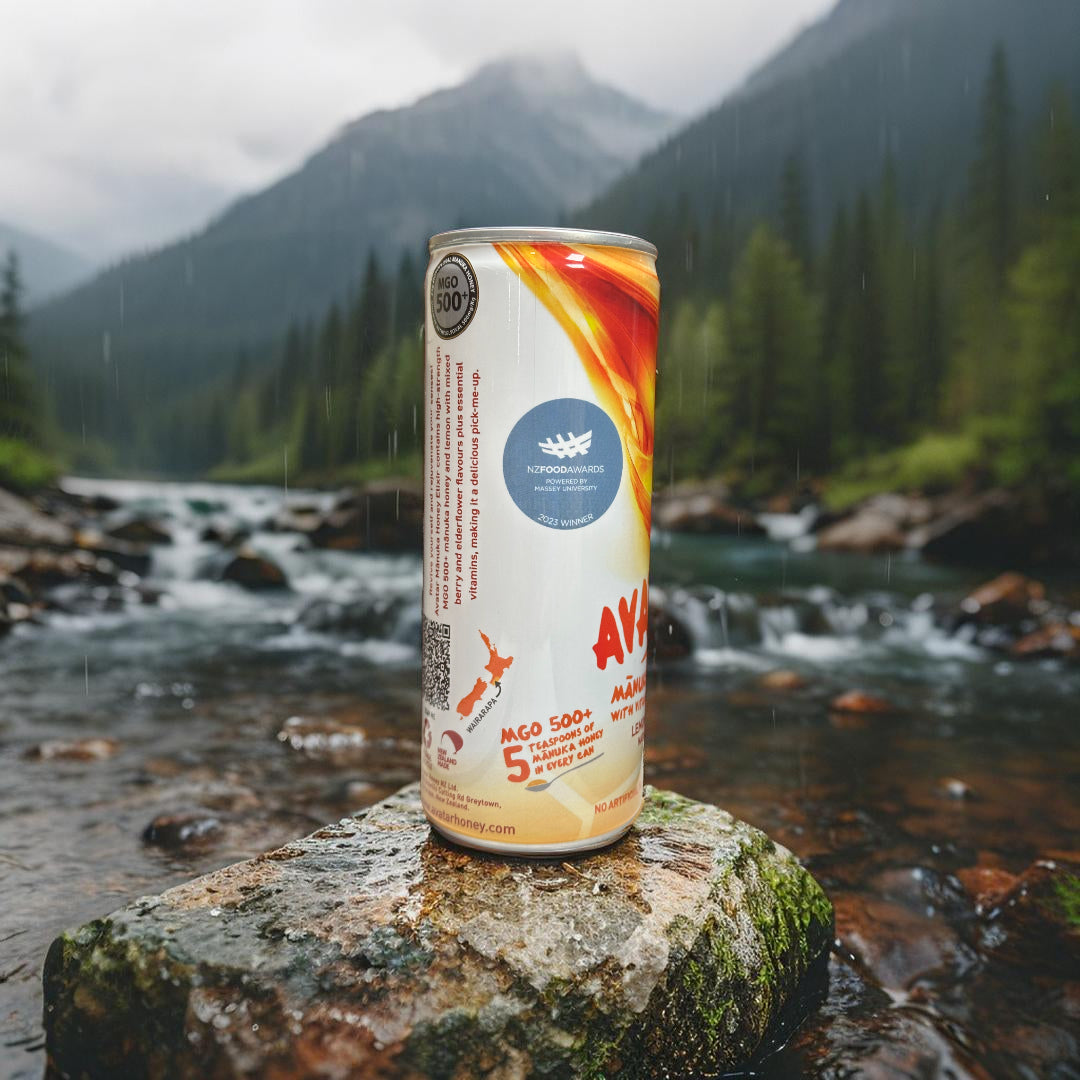
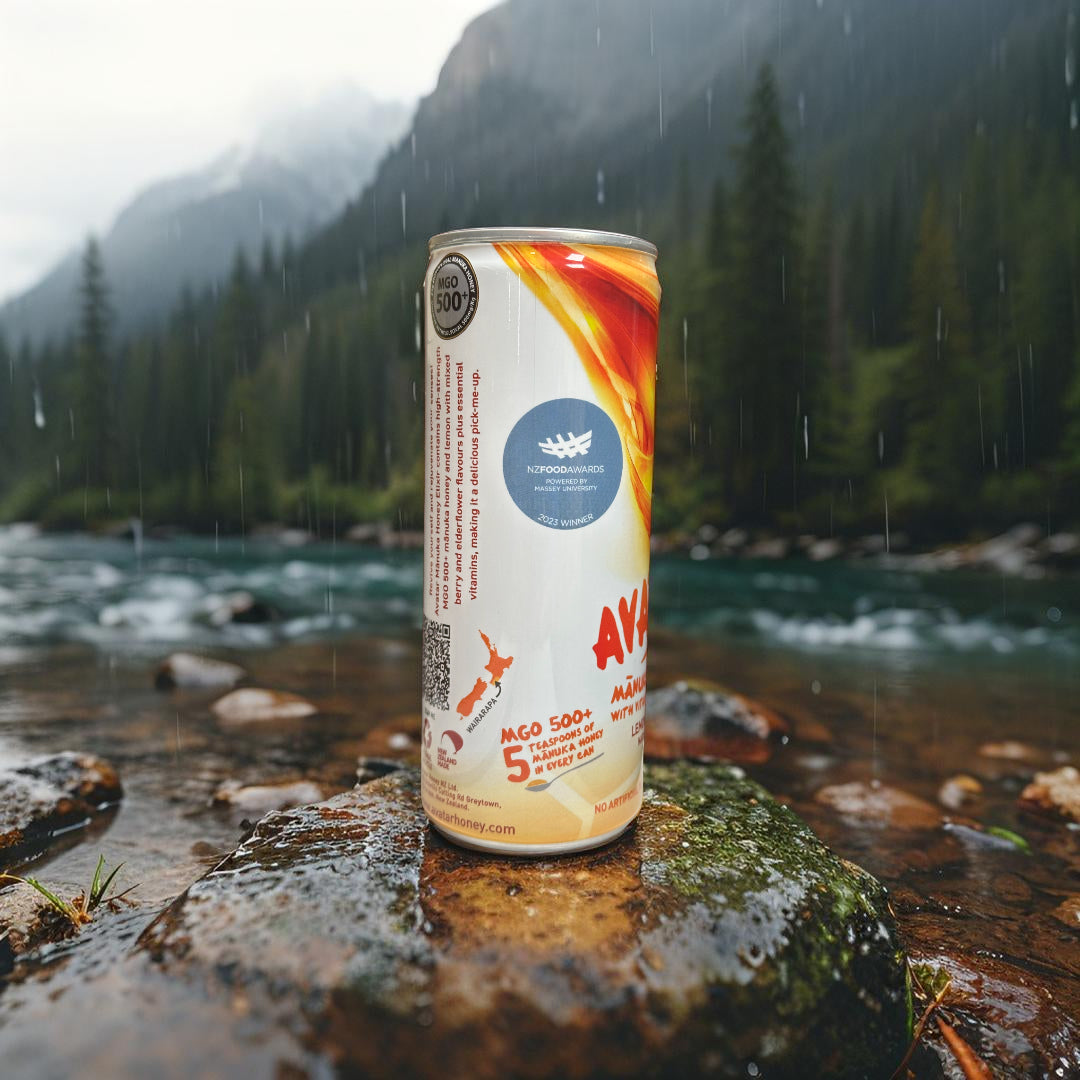
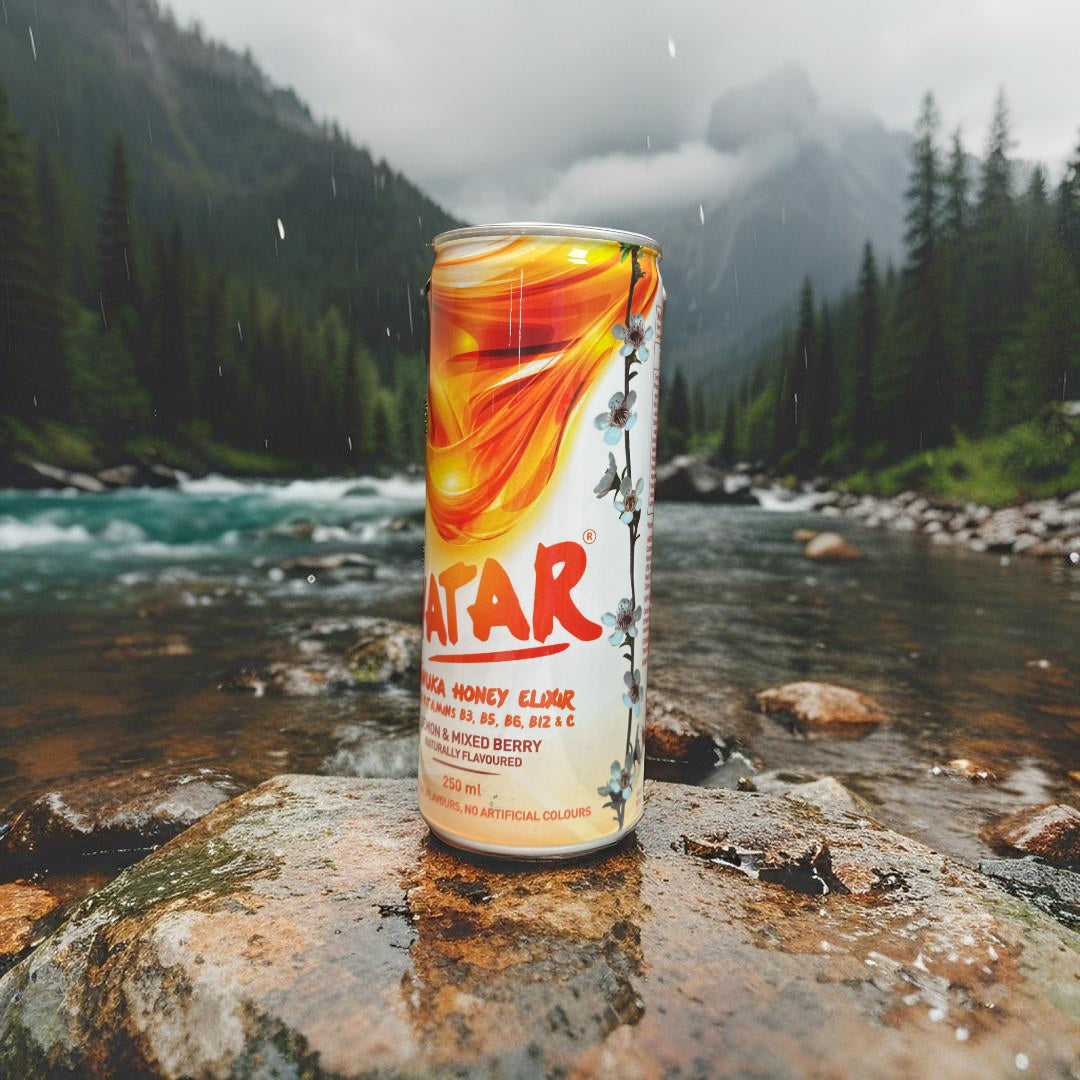
Avatar Elixir: Award Winning Clean Energy Powered By Manuka Honey is an example of a drink built around certified MGO500+ Manuka honey, lemon, elderflower, B vitamins, vitamin C, clean caffeine, and lightly carbonated water. Its ingredient-led profile is relevant for adults comparing honey drinks with conventionally sweetened or artificially sweetened energy drinks.
How should you compare caffeine sources and amounts?
Start with the caffeine amount per can or serving, then check the source. The number tells you more about your expected intake than broad phrases such as “natural energy,” “clean caffeine,” or “plant-powered.”
Caffeine may be listed directly as caffeine or connected with ingredients such as coffee, tea, green tea, guarana, or yerba mate. A plant source does not make caffeine a different substance once consumed, although the complete drink may have a different flavour and ingredient profile.
Use this checklist when comparing labels:
- Find the caffeine amount. Check whether it is stated per serving or per entire can.
- Check the serving count. A container may hold more than one labelled serving.
- Identify the source. Decide whether clear sourcing matters to your buying preference.
- Consider your full day. Coffee, tea, chocolate, pre-workout products, and other energy drinks can all add to total caffeine intake.
- Choose for the occasion. A drink for an early work session may not be the same choice you would make late in the day.
The phrase “clean caffeine” does not have one universal definition on beverage labels. Treat it as a product description, then use the stated caffeine amount and ingredient list to make the practical comparison.
What should you look for in flavour ingredients?
Look for flavour ingredients that are clearly named and make sense with the drink’s stated taste. Lemon, citrus juice, fruit extracts, elderflower, tea, herbs, and botanical ingredients can help you understand why a drink tastes bright, floral, bitter, or sweet.
Terms such as “natural flavour” and “artificial flavour” describe how flavouring ingredients are categorised, not the overall nutritional quality of the beverage. A natural flavour claim does not automatically mean the whole drink is minimally processed, low in sugar, or free from alternative sweeteners.
For a more transparent comparison, ask:
- Are recognisable flavour ingredients named?
- Does the ingredient list match the flavour promised on the front?
- Are colours or flavourings included that you personally prefer to avoid?
- Is sweetness likely to dominate, or are citrus and botanical notes present for balance?
Flavour matters because an ingredient list can look appealing while the finished drink is still sweeter than you enjoy. Honey, lemon, and elderflower, for example, suggest a different sensory profile from a drink based mainly on intense sweetness and generic fruit flavour.
Does carbonation style matter when choosing a natural energy drink?
Yes, carbonation affects the drinking experience, although the label may not state a precise carbonation level. Light carbonation tends to feel softer and can allow honey, citrus, and floral flavours to remain noticeable, while stronger carbonation can create a sharper, more soda-like impression.
Look for descriptions such as lightly sparkling, lightly carbonated, sparkling water, or carbonated water. These terms offer useful clues, but they are not a standardised scale. The ingredient list may confirm the presence of carbonated water without telling you exactly how lively the drink will feel.
If you are moving away from ordinary energy drinks or diet soft drinks, a lightly carbonated option may provide familiar refreshment without copying the intense sweetness and aggressive fizz associated with some conventional products.
How much weight should you give to B vitamins and vitamin C?
Treat vitamins as one part of the label, not proof that the entire drink is healthier. B vitamins and vitamin C may be included in functional beverages, but their presence does not cancel out caffeine, sugar, serving size, or other ingredients.
Check which vitamins are actually present and how the amount is expressed on the nutrition panel. Avoid assuming that a longer vitamin list guarantees more energy, better focus, or a stronger wellness effect. An energy drink remains a food and beverage product, not a substitute for a varied diet or a medical treatment.
A useful comparison order is:
- Sweetener type
- Total sugars and serving size
- Caffeine amount per can
- Flavour and botanical ingredients
- Carbonation style
- Added vitamins
This order keeps the main structure of the drink in focus before you consider optional functional additions.
What does a transparent energy drink label look like?
A transparent label makes it easy to identify the sweetener, caffeine amount, serving size, flavour ingredients, and added vitamins without forcing you to rely on front-of-can marketing language.
Before buying, use this quick label check:
- Sweetener: Is it honey, sugar, fruit concentrate, stevia, monk fruit, a sugar alcohol, or an artificial sweetener?
- Sugar: How much total sugar is listed per serving and per can?
- Caffeine: Is the amount clearly disclosed for the quantity you will drink?
- Flavour: Are lemon, fruit, tea, flowers, herbs, or other flavour sources named?
- Carbonation: Is the drink still, sparkling, or described as lightly carbonated?
- Vitamins: Which vitamins are included, and are you evaluating them without overlooking the rest of the label?
- Clarity: Can you understand what creates the drink’s sweetness, flavour, and energy profile?
A natural energy drink without artificial sweeteners does not need to be sugar free, packed with vitamins, or built around unfamiliar functional ingredients. It should simply align with your priorities and explain itself clearly. For most adults, the most useful decision comes from comparing the ingredient list, nutrition panel, caffeine disclosure, and serving size together.
What is the final takeaway when choosing between two cans?
Choose the can whose label gives you the clearest picture of what you are drinking. Confirm that it contains no artificial sweeteners, identify any sugar alcohols or plant-derived alternatives, check the sugar and caffeine per can, and look for flavour ingredients that suit your taste.
Honey, citrus, elderflower, and light carbonation can offer a more ingredient-led alternative to the intense sweetness of some standard energy drinks and diet soft drinks. The strongest label is not necessarily the one with the most claims. It is the one that lets you make an informed choice without treating an everyday beverage like a supplement panel.
These follow-up points help you compare serving sizes, handle unclear caffeine labels, and choose a honey-based drink for social occasions.
How do you compare energy drinks sold in different can sizes?
Compare the sugar and caffeine in the amount you will actually drink. If you plan to finish the whole can, calculate or check the totals for the entire container rather than comparing per-serving figures alone. This prevents a larger can with multiple servings from appearing lower in sugar or caffeine than it really is for your occasion.
What should you do if the caffeine amount is hard to find?
Choose a drink with clearer caffeine disclosure if you cannot confidently identify the amount per serving or per can. Check the ingredient list, nutrition panel, serving count, and any additional statements on the packaging. Terms such as "clean caffeine" or "natural energy" do not replace a clearly stated caffeine amount.
Can a honey-based energy drink be used in a mocktail?
Yes, a honey-based energy drink can work as a mocktail mixer when its sweetness, flavour, and carbonation complement the other ingredients. Avatar Elixir combines certified MGO500+ Manuka honey, lemon, elderflower, and light carbonation, giving it a honeyed, citrus and floral profile. Remember that using it as a mixer does not remove its caffeine, so include it when considering your total intake.