


Quick read:
- Decaffeinated coffee and tea can still contain caffeine. Decaf is a reduced-caffeine choice, not a guarantee of none.
- For caffeine-free drinks, check the complete ingredient list, including botanical sources, and ask the manufacturer when details are unclear.
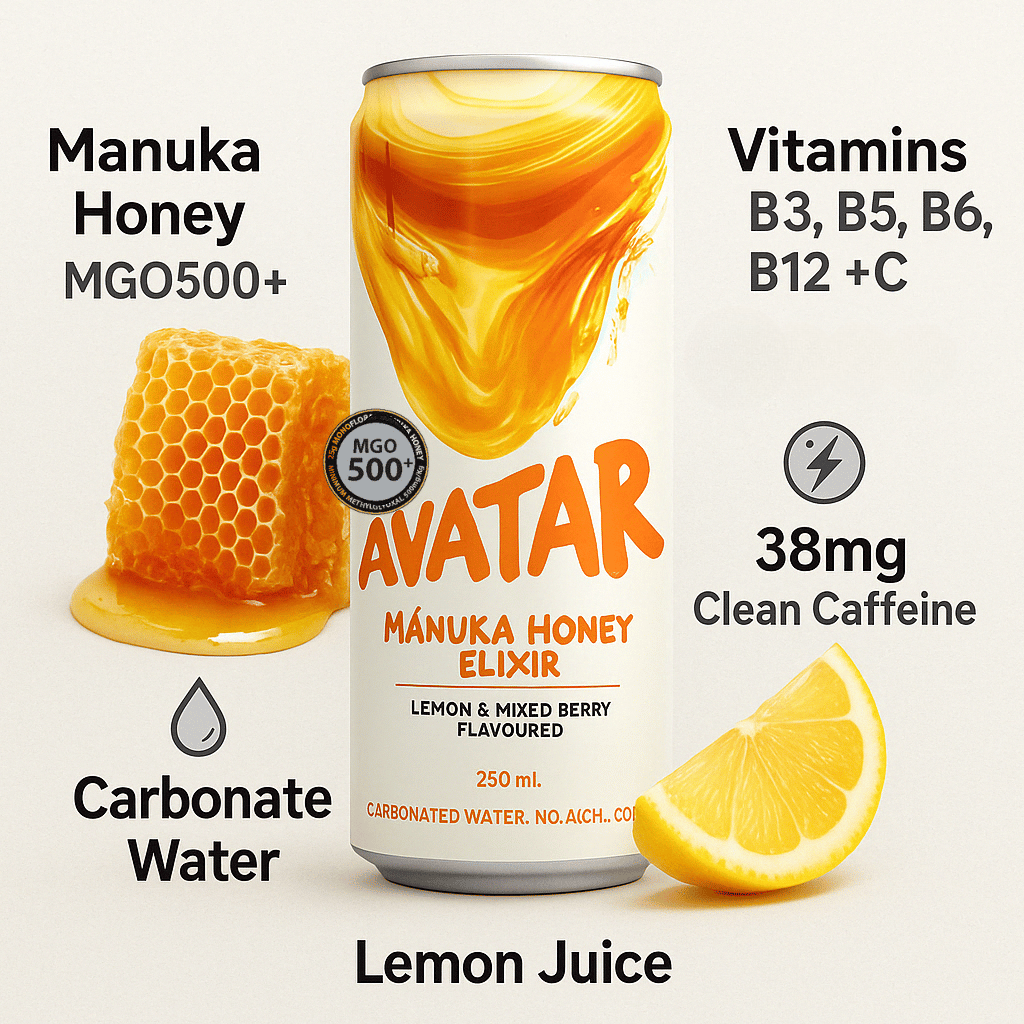
- Avatar Elixir is a caffeinated Mānuka honey beverage. Its honey, citrus and floral flavours do not make it a caffeine-free alternative.
You reach for a drink with lemon, honey or herbs on the label. It sounds like a different proposition from coffee, but does it actually meet your caffeine requirements? That depends on the whole formulation, not the flavour pictured on the front.
The useful starting point is deciding what you want the drink to do: replace a more caffeinated option, provide something without caffeine, or meet a restriction discussed with a healthcare professional. Those are different shopping tasks. A good label should help you tell them apart.
Decaf means caffeine has been removed, not necessarily eliminated
Decaffeinated describes a product made from an originally caffeinated ingredient after most of its caffeine has been removed. It does not mean that every trace is gone.
The US Food and Drug Administration’s consumer guidance, Spilling the Beans: How Much Caffeine is Too Much?, states that decaf coffee and tea still contain caffeine. It gives a typical range of 2–15 mg in an 8-fluid-ounce cup of decaf coffee.
That range is useful context, but it is not a maximum for every decaf coffee, and it is not an estimate for decaf tea. A different serving size or product can change the comparison.
If you enjoy the ritual and flavour of coffee or tea while wanting less caffeine, decaf can be a relevant option. If your requirement is to avoid caffeine, the word “decaf” alone does not establish that a drink fits.
There is no need to turn this into a universal percentage rule. Coffee, tea and other beverages should not all be treated as though one numerical US standard defines both “decaffeinated” and “caffeine-free”. The practical distinction is removal versus absence.
Caffeine-free requires a look at the whole drink
Caffeine-free describes a drink without caffeine, rather than one whose original caffeine content has been reduced. The FDA’s educational material distinguishes naturally caffeine-free drinks, including some herbal teas, from decaffeinated products.
The word “some” matters. An herbal blend can contain other ingredients, and a botanical drink can include a caffeine source alongside flowers, fruit or herbs. A lemon-and-herb flavour description tells you what to expect in the glass, not necessarily everything contributing caffeine.
When reading ingredients, recognise these caffeine-containing sources identified in FDA educational material:
- Coffee
- Green or black tea
- Yerba mate
- Guarana
- Kola nut
- Cocoa
These are general label-checking examples, not a list of ingredients in Avatar Elixir. Their presence also does not tell you the finished drink’s caffeine quantity. It tells you there is a question worth answering.
Similarly, “no added caffeine” is a narrower statement than “caffeine-free”. A drink may contain caffeine from an ingredient even when no caffeine has been added separately.
Match the label check to your reason for choosing
Your requirement determines which information matters most. Use this distinction before comparing flavours, pack sizes or prices.
| Your situation | What to check | Useful next step |
|---|---|---|
| You want less caffeine than your usual drink. | Compare total caffeine for the amount you would actually drink, not just the words “decaf”, “natural” or “light”. | Consider decaf or a drink with a clearly disclosed lower quantity than your usual choice. |
| You prefer a drink without caffeine. | Look for caffeine-free information and check the complete ingredient list for caffeine sources. | Choose a clearly identified caffeine-free option. Ask the manufacturer if the formulation is ambiguous. |
| You need individualized guidance about caffeine. | Gather the drink’s ingredients and caffeine information rather than assuming a small amount is suitable. | Discuss your requirements with a qualified healthcare professional before treating decaf or a caffeinated beverage as a fit. |
The FDA recommends professional guidance where factors such as certain health conditions, medications, pregnancy or breastfeeding are relevant. A label can describe the drink; it cannot determine your individual requirements.
An ingredient list and a caffeine figure answer different questions
The ingredient list helps identify caffeine sources. A caffeine quantity helps you compare amounts. You may need both.
According to FDA consumer guidance, separately added caffeine must appear in the ingredient list. When caffeine occurs naturally within an ingredient, that ingredient may be listed without a separate entry for “caffeine”. Caffeine quantities are often disclosed voluntarily.
Consequently, neither the absence of the word “caffeine” nor a missing milligram figure proves that a drink contains none.
When a quantity is provided, check whether it applies to a serving or the whole container. Ask whether it includes caffeine from all sources, including botanical ingredients. A prominent number is useful only when its basis is clear.
Natural wording is not a substitute for that information. The FDA explains that the body handles naturally occurring and added caffeine similarly. “Clean caffeine”, a smooth taste or a smaller can does not establish an amount or predict your response.
Where Avatar Elixir fits, and where it does not
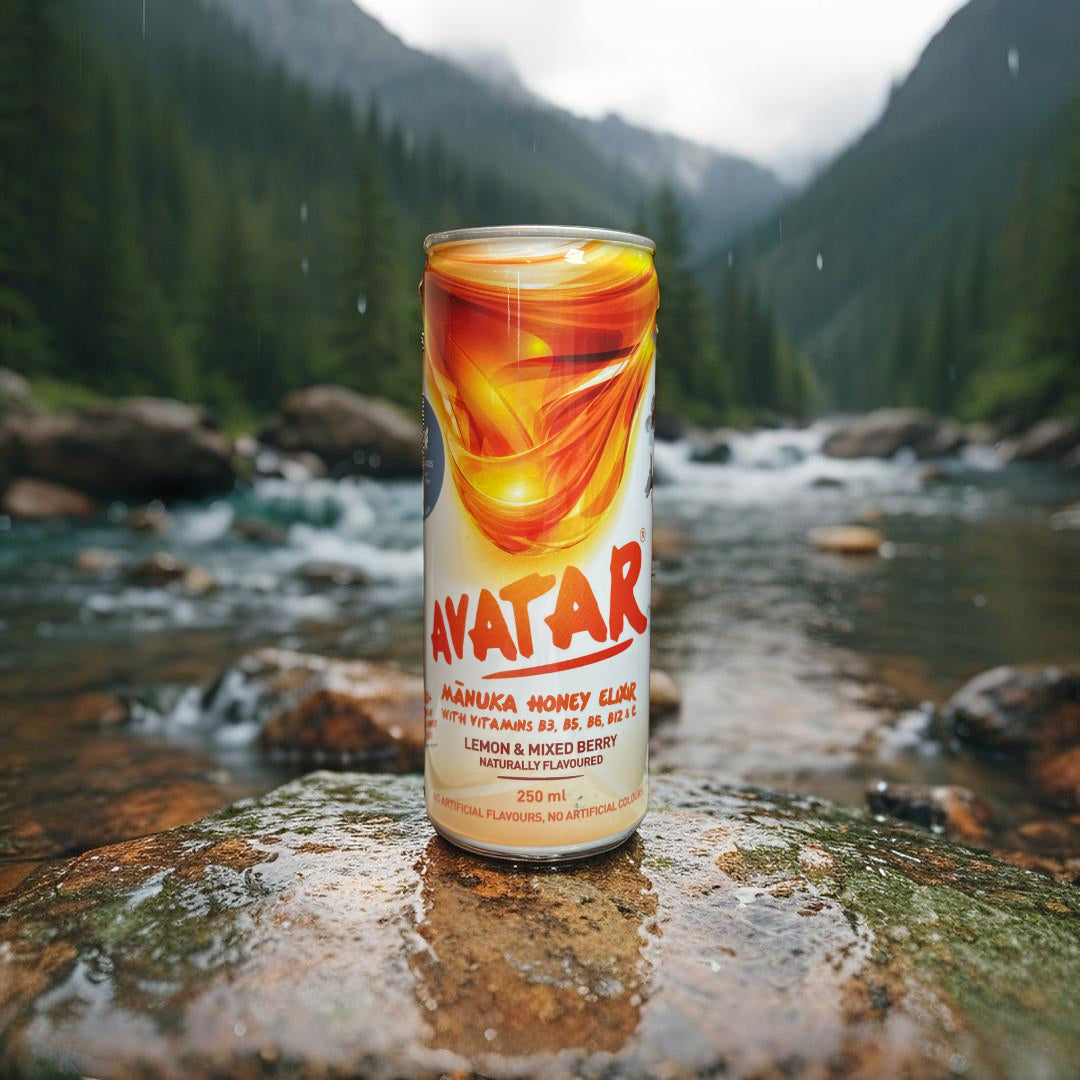
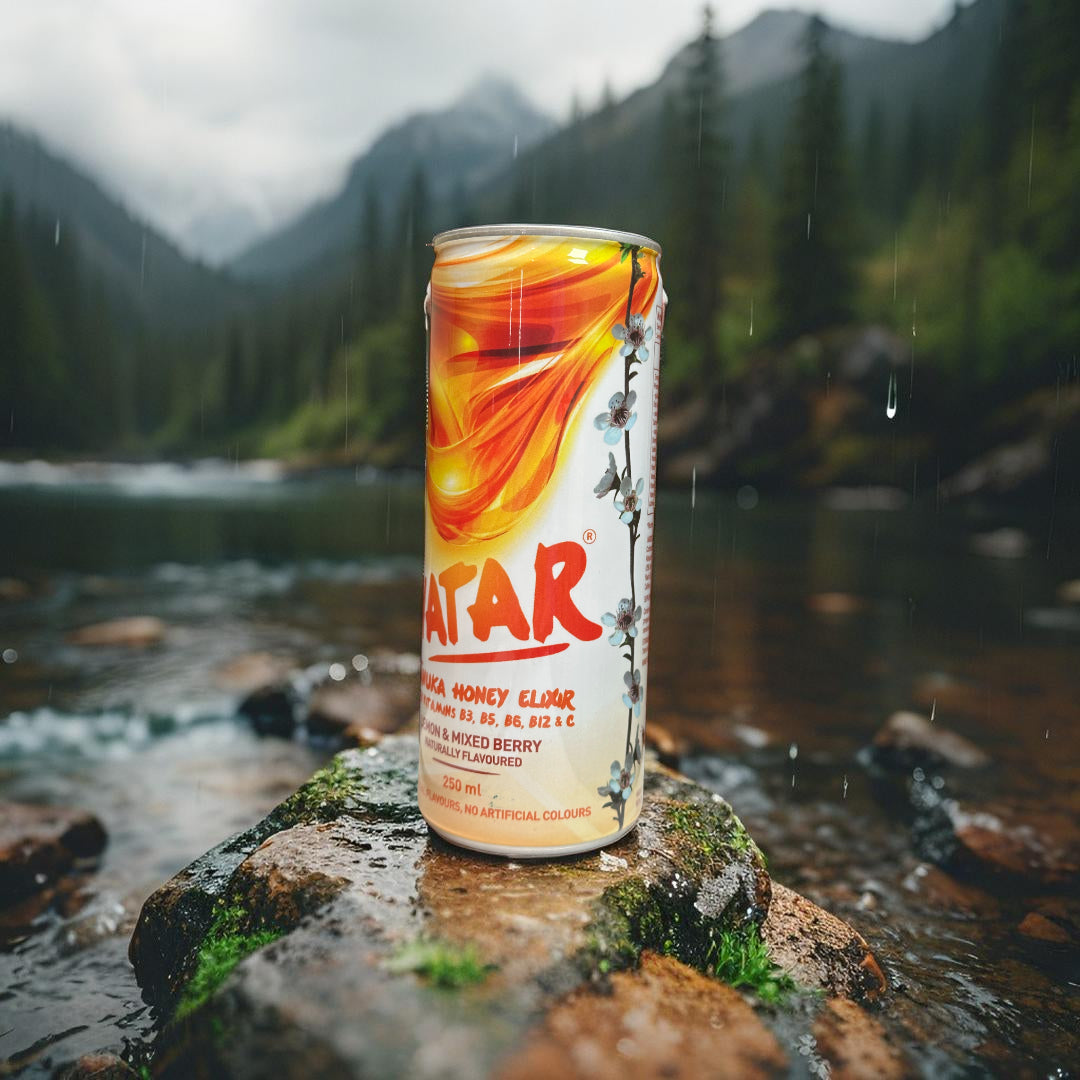
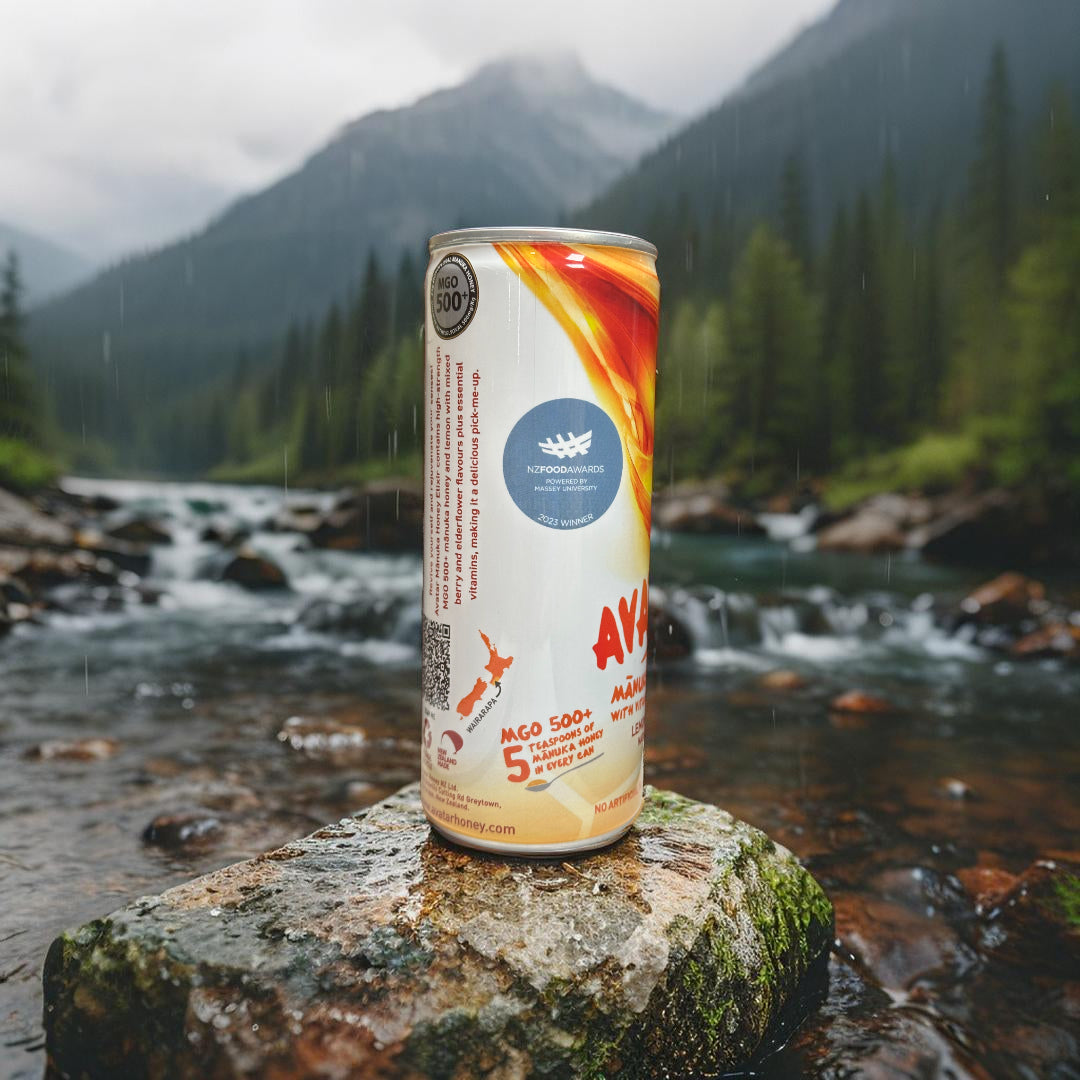
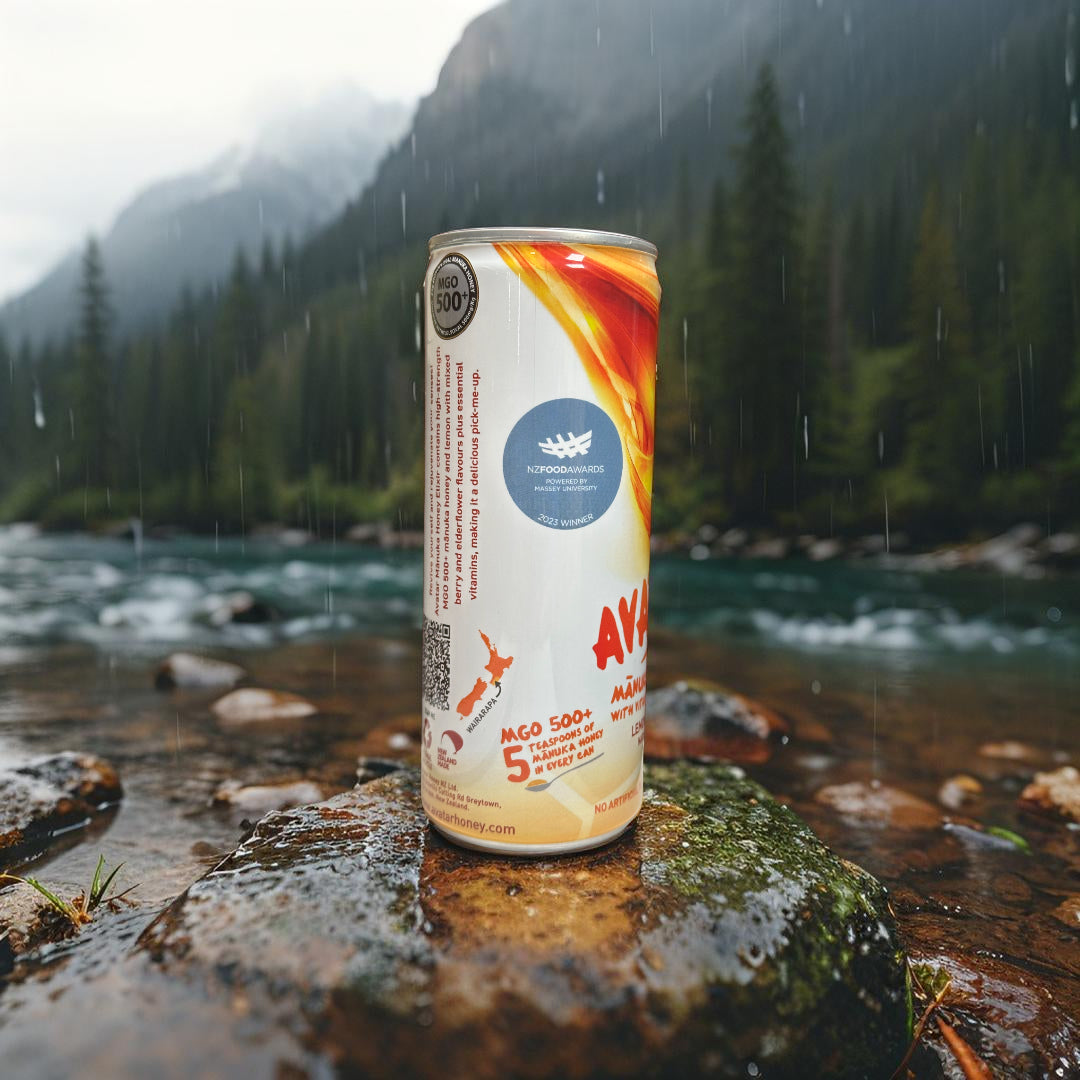
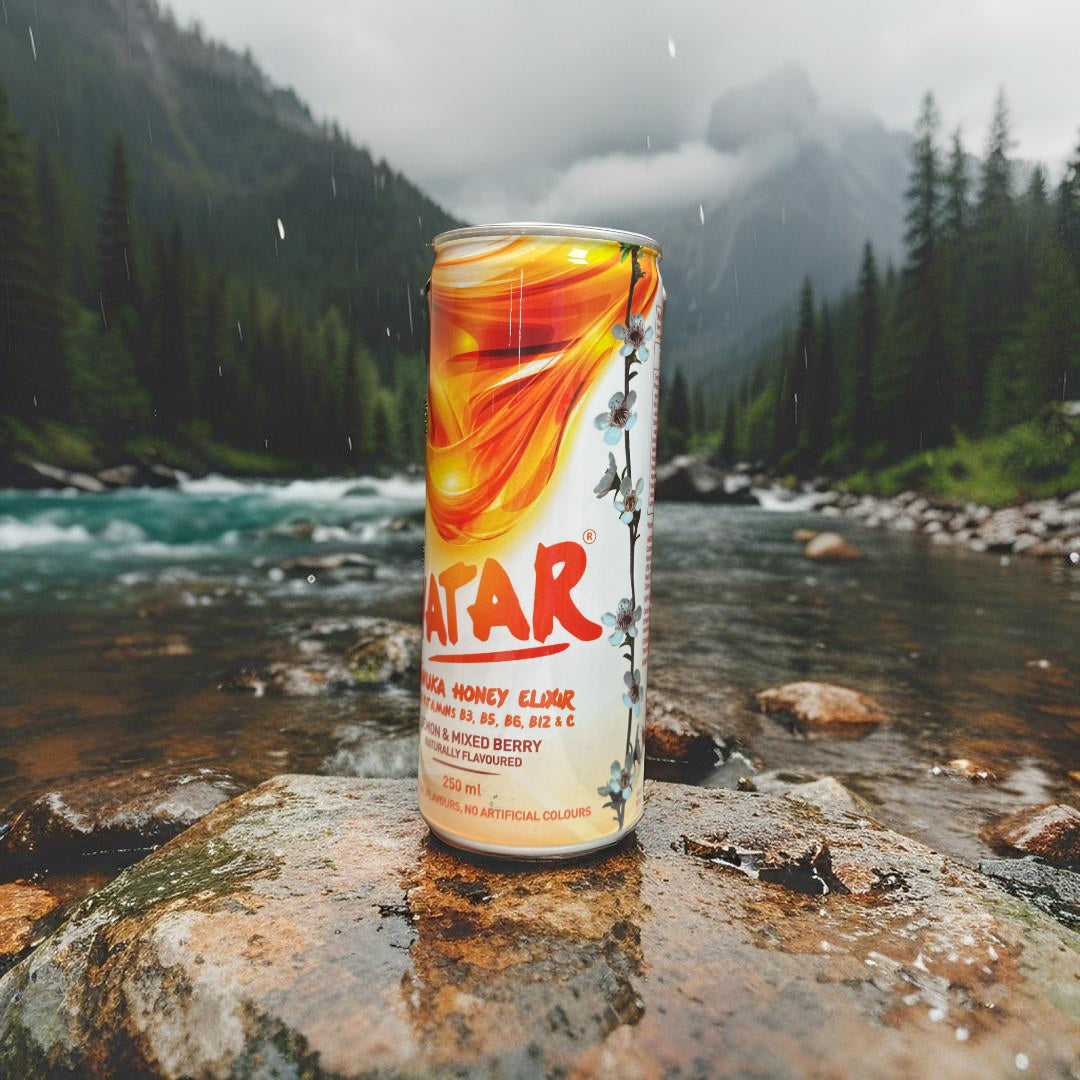
Our Avatar Elixir is a caffeinated honey beverage, not a decaf or caffeine-free substitute. Its ingredient-led appeal comes from certified MGO500+ Mānuka honey, lemon, elderflower and lightly carbonated water, alongside its other ingredients, including caffeine.
Honey sweetness, bright citrus and floral flavour can make a drink appealing for reasons quite separate from caffeine. They do not cancel out the caffeine or establish that it suits someone avoiding it.
Our homepage lists 38 mg of caffeine per 250 ml can for the described formulation. It also announces a forthcoming v2, so that published figure should not be treated as a confirmed specification for the new version. Check the information for the formulation and package you are considering, or ask us to confirm it.
If you are comparing caffeinated drinks, a confirmed quantity gives you something concrete to work with. If you want a drink without caffeine, Avatar Elixir does not meet that requirement. You can appreciate the honey and botanical flavour profile while choosing a different drink category.
The questions worth asking before you buy
Whether you are standing at a fridge or shopping online, these questions keep the choice straightforward:
- Is this decaffeinated or caffeine-free? Do not treat the terms as interchangeable.
- What is the total caffeine per serving and per whole container? Make sure the figure matches the amount being compared.
- Does that total include botanical and other ingredient sources? Look beyond separately added caffeine.
- Does the information match this formulation and package? Check especially carefully when a product has been updated.
- If caffeine avoidance matters, can the manufacturer clearly confirm whether this drink fits? An unclear answer is not confirmation of absence.
The best choice is the one that matches your actual requirement. Decaf can serve a preference for less caffeine; a clearly identified caffeine-free drink serves a different purpose. If Avatar Elixir is not the right fit, plain water, unflavoured sparkling water or a confirmed caffeine-free herbal drink may be the more appropriate choice. There is no need to compromise your requirements to stay with a particular flavour or brand.
A few practical checks can help when ordering decaf, mixing drinks or comparing product information.
How can I compare decaf drinks ordered at a cafe?
Ask whether the cafe has caffeine information for the specific drink and serving size you plan to order. The FDA's typical range for decaf coffee is not a measurement of every cafe's drink. If the amount is unknown, you cannot make a precise caffeine comparison or assume the drink meets a caffeine-avoidance requirement.
Does adding a caffeine-free mixer make an Avatar mocktail caffeine-free?
No. A caffeine-free mixer does not remove the caffeine in Avatar Elixir. Honey, citrus and elderflower flavours can suit a mixed drink, but the finished mocktail still contains caffeine from the Elixir. For a caffeine-free mocktail, choose a confirmed caffeine-free base and check the other ingredients too.
What if an Avatar product page and my package differ?
Ask us to confirm the information for your specific package rather than choosing whichever figure seems preferable. Share the product name, label details and the page showing different information. Our homepage's 38 mg per 250 ml can statement describes the published formulation; it is not a confirmed specification for the forthcoming v2.
What drink details should I bring to a healthcare professional?
Bring the ingredient list, any disclosed caffeine quantity, the serving size and the amount you would normally drink. Note anything the manufacturer has not confirmed. This gives a qualified healthcare professional concrete information for discussing your individual requirements, rather than relying on descriptions such as decaf, natural or clean caffeine.