


Short answer: Caffeine can be present in chocolate and cocoa, some snack bars, chewing gum, workout products, supplements, and certain medicines. Check ingredient lists for caffeine and sources such as guarana, yerba maté, and tea extracts. Amounts and formulations vary, and not every tea extract contains caffeine.
A coffee with chocolate, followed by a caffeinated snack bar, can bring together several caffeine sources without another drink entering the picture. If you already keep track of your coffees and energy drinks, the useful next step is to look beyond the cup or can.
“Hidden caffeine” does not necessarily mean an ingredient has been concealed. It may simply be somewhere you would not think to check, or listed under a plant ingredient rather than the word caffeine.
Which foods and snacks can contain caffeine?
Chocolate and cocoa naturally contain caffeine, while some energy bars, protein bars, chewing gums, and ice creams contain added caffeine. The amount depends on the product and how much you eat, so a category name alone cannot tell you its caffeine content.
The US National Institutes of Health identifies cacao, the source of chocolate, as a naturally caffeine-containing ingredient. That makes chocolate, cocoa drinks, and cocoa-containing snacks worth noticing even when caffeine has not been added separately. It does not mean every chocolate product supplies the same amount.
The US Food and Drug Administration also identifies bars, gum, and ice cream as foods that may contain added caffeine. The distinction is some products, not the whole category. A protein bar is not automatically caffeinated, and an “energy” description is a reason to check rather than proof of caffeine.
- Chocolate and cocoa products: look for cocoa, cacao, or chocolate ingredients, plus any caffeine information available.
- Snack and protein bars: check the wrapper for a caffeine declaration and read the ingredients.
- Gum and other caffeinated foods: check whether any stated amount applies to one piece, one serving, or the whole pack.
If chocolate chips supply naturally occurring caffeine, the ingredient list may name chocolate chips without listing caffeine separately. The absence of the word “caffeine” is not enough to establish that a food is caffeine-free.
Which ingredient names should you look for?
Look for caffeine, caffeine anhydrous, guarana, yerba maté, kola or cola nut, and coffee or tea ingredients. These names can flag a possible caffeine source, but a plant name or extract weight does not establish the finished product’s caffeine amount.
Caffeine anhydrous is a dry form of caffeine used in some workout products and supplements. It belongs in the same caffeine check as a drink, even though it may arrive as a powder or capsule.
NIH guidance identifies guarana, yerba maté, and kola nut as caffeine-containing botanical ingredients. A supplement label may name the botanical without clearly declaring how much caffeine it contributes.
Tea extracts need a closer look. Green tea extracts can differ substantially, and decaffeinated extracts exist. “Green tea extract” therefore prompts a question rather than settling it. Neither the extract’s name nor its total weight tells you the caffeine content. Look for a specific caffeine statement or ask the manufacturer about that formulation.
The same practical rule applies to appealing front-label words such as “botanical” or “natural”: read them as descriptions, not caffeine measurements.
Where should you check workout products and supplements?
Check the ingredient list, supplement information panel, caffeine declaration, and serving size on workout powders, gels, capsules, and bars. Some contain caffeine directly or through botanical ingredients; others do not.
NIH exercise-supplement guidance identifies caffeine in products including energy gels and caffeine-only pills. Counting only your pre-workout drink could therefore overlook another format you use alongside it.
On US-labelled supplements, the relevant panel is called Supplement Facts. Packaging terminology varies between markets, but the questions remain practical:
- Is caffeine listed directly, or is there a possible botanical source?
- Is a caffeine amount stated, rather than just the weight of a blend or extract?
- Does that amount apply to a scoop, capsule, serving, or entire container?
- How much of the product did you actually consume?
If the amount is unclear, ask the manufacturer. An undeclared amount is unknown, not zero, and the weight of a botanical blend is not a substitute for its caffeine content.
Can medicines contribute caffeine too?
Yes. Certain medicines, including some headache medicines, contain caffeine as an active ingredient. Check the exact package and accompanying leaflet, and take medicine-related questions to a pharmacist.
For US over-the-counter medicines, the FDA explains that the Drug Facts panel lists active ingredients and their amounts per dosage unit. On other packaging, look for the active-ingredient information or ask a pharmacist to help you find it.
Do not rely on a familiar brand name alone. Similar names can cover different formulations, and ingredients can change. This does not mean all pain medicines contain caffeine.
If you are unsure how a medicine fits with your usual drinks, snacks, or supplements, a pharmacist can check the specific combination. Do not stop, switch, or change how you take a medicine to adjust caffeine intake without professional advice.
Does natural caffeine count towards the same total?
Yes. Natural caffeine still contributes to your caffeine intake. The FDA explains that the body does not handle naturally occurring caffeine differently from added caffeine, so its origin does not make it an exception.
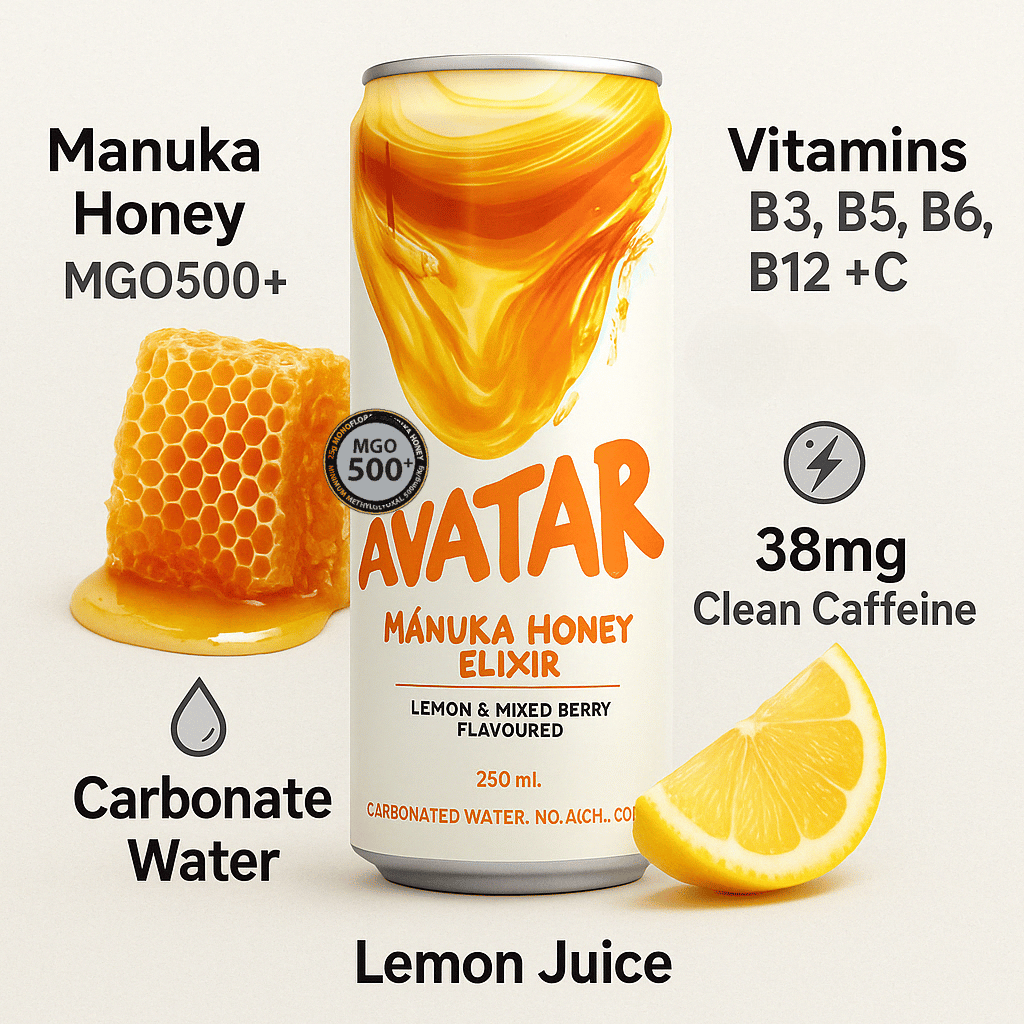
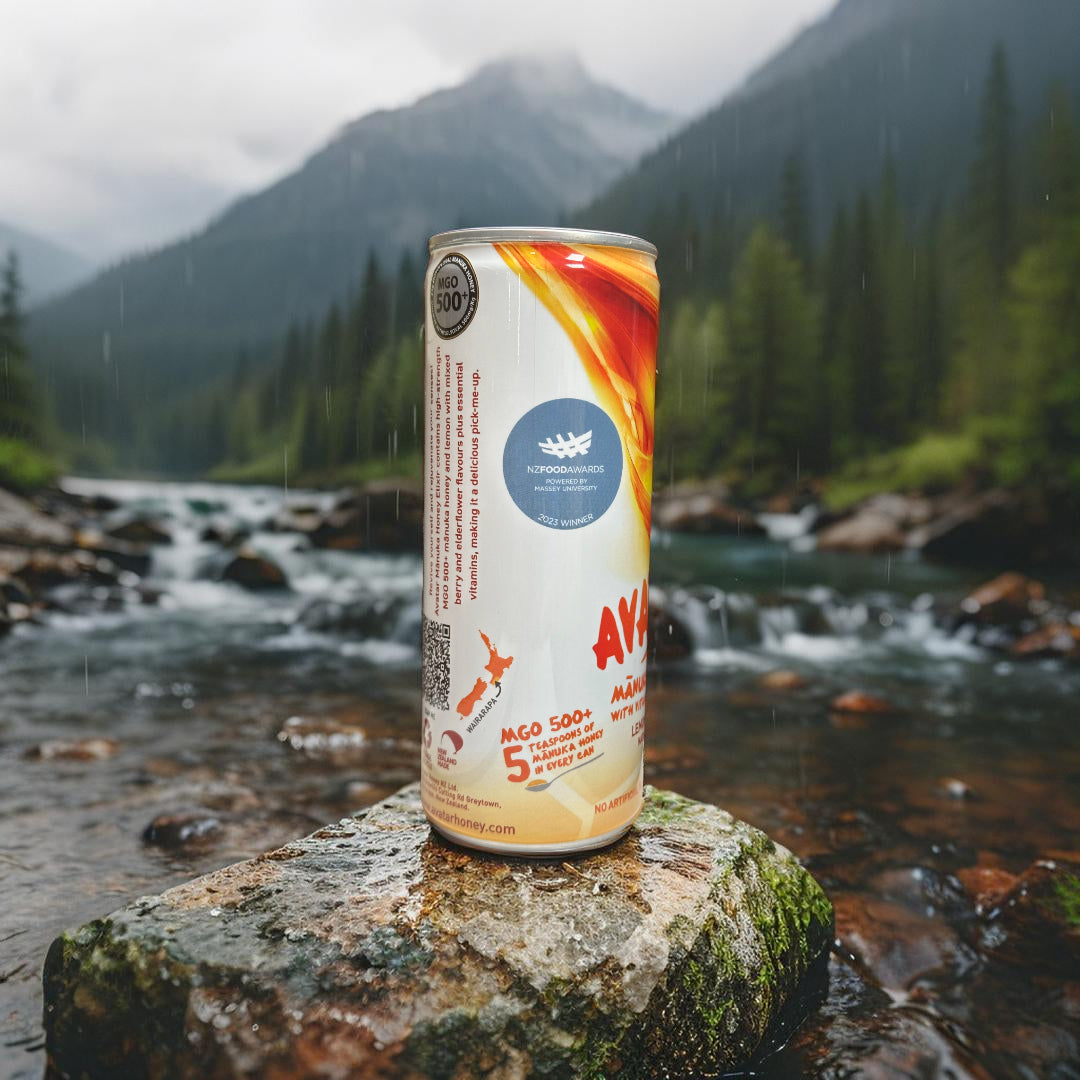
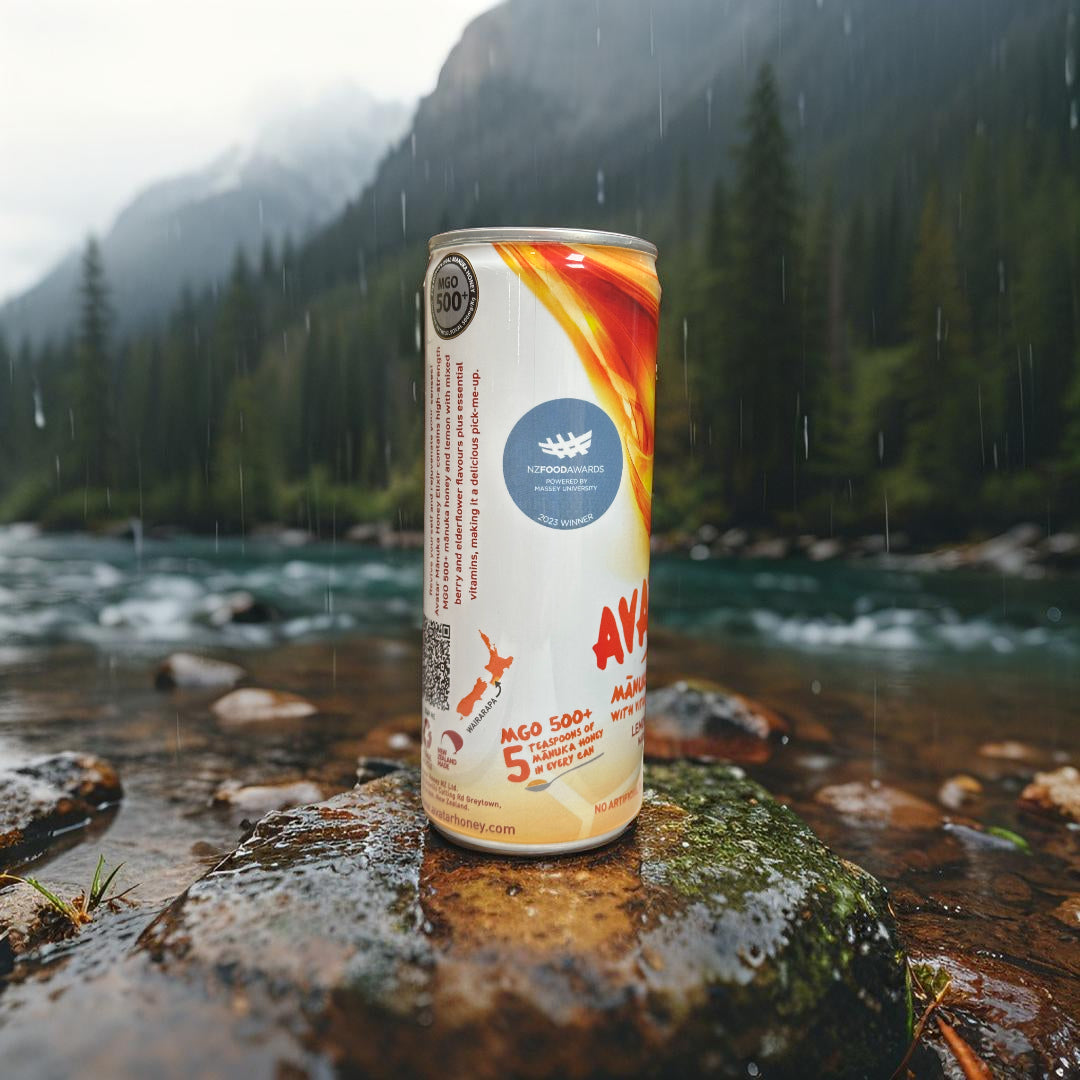
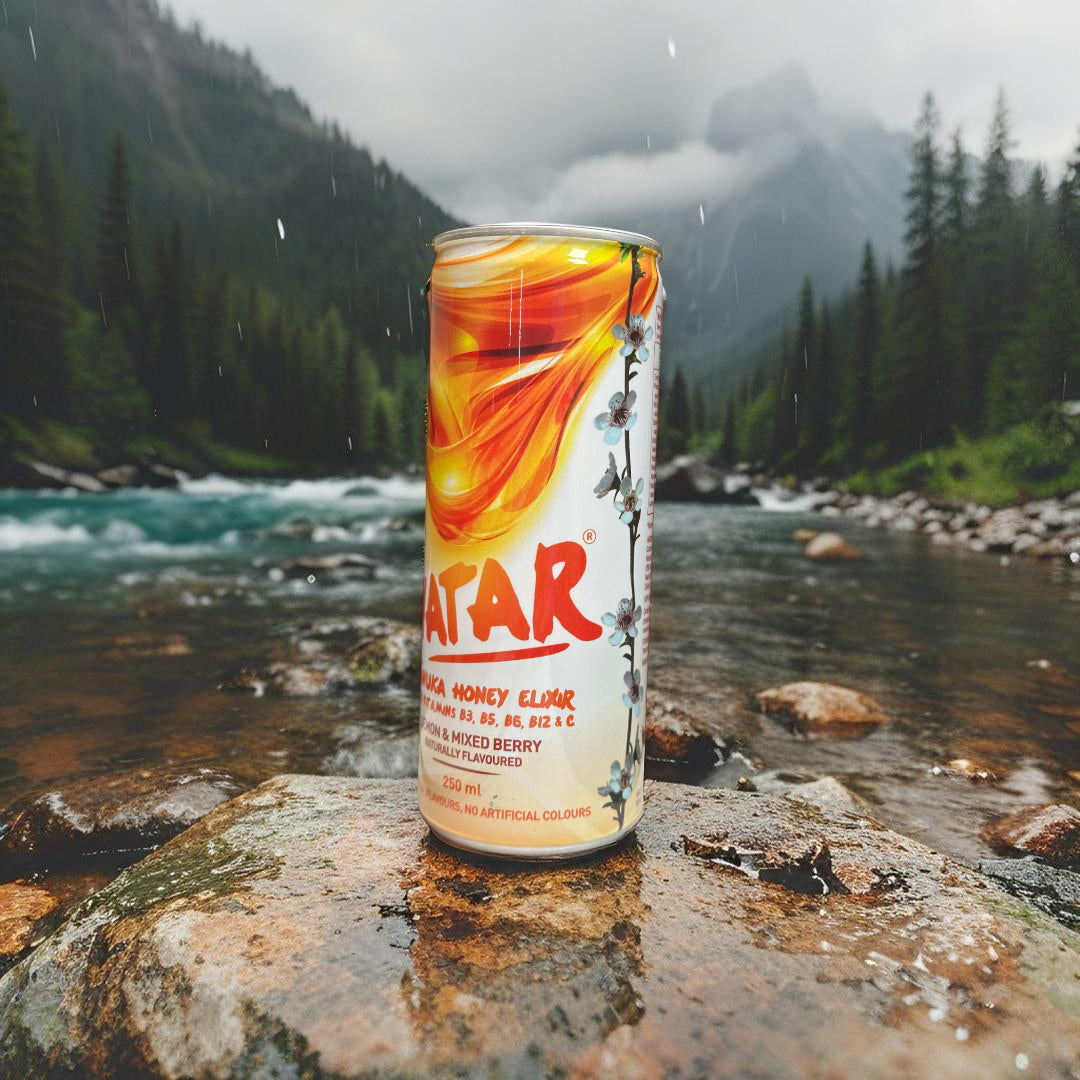
Our Avatar Elixir is a caffeinated beverage made with Mānuka honey, lemon, elderflower, vitamins, and lightly carbonated water. Those ingredients help describe the drink, but its natural caffeine still belongs alongside your coffee, tea, and other caffeine sources when considering your day.
“Clean caffeine” is not a numerical measure either. Use the product’s caffeine information and serving basis, not descriptive language, to understand the amount.
How can you make a practical caffeine check?
Review what you drink, eat, and use across the day, then check the actual packaging for likely caffeine sources. Keep confirmed amounts separate from unknown ones rather than guessing.
- Start with familiar drinks. Include coffee, tea, and caffeinated beverages.
- Scan the less-obvious categories. Check chocolate, snacks, workout products, supplements, and medicines you use.
- Match the label to your portion. A declared amount may refer to a serving rather than the whole package.
- Resolve useful gaps. Ask manufacturers about food or supplement formulations and pharmacists about medicines.
For beverage-specific comparisons, our guide to caffeine in coffee, tea, and natural energy drinks covers the drinks themselves. Our coffee versus natural energy drinks article considers those choices within a workday.
The aim is not to make every snack a concern. It is to recognise that caffeine can arrive in more than a cup or can, then use the label rather than the product’s image to make an informed choice.
These follow-ups help you clarify caffeine amounts, compare snack varieties, and prepare questions for a pharmacist.
What should I ask a manufacturer about unclear caffeine content?
Ask how much total caffeine the exact product contains per serving, including caffeine from botanical ingredients. Give the product name and variety, and ask what portion the stated amount covers. If it contains guarana or tea extract, request the caffeine amount rather than just the extract weight.
Can I assume different flavours of a snack contain equal caffeine?
No. Do not carry a caffeine amount from one snack variety to another without checking its packaging. Formulations can differ, so use the ingredient list and any caffeine declaration for the exact variety you eat. Compare amounts on the same serving basis, not simply per pack.
What information should I take to a pharmacist about caffeine?
Bring the medicine packaging or leaflet and details of the caffeinated drinks, snacks, and supplements you use. Include available caffeine amounts and your usual portions, noting anything unknown. This gives the pharmacist the specific formulations to review. Do not change how you take a medicine just to adjust caffeine intake without professional advice.